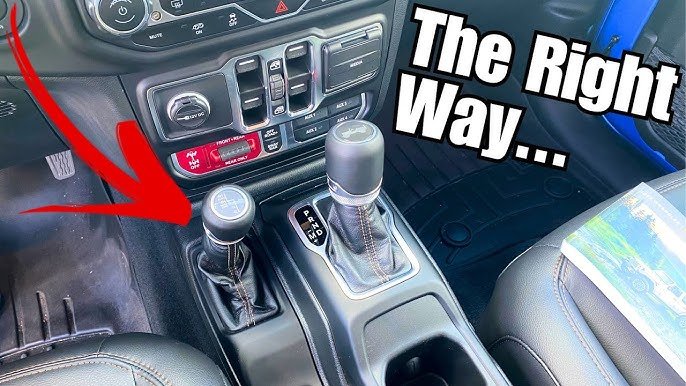
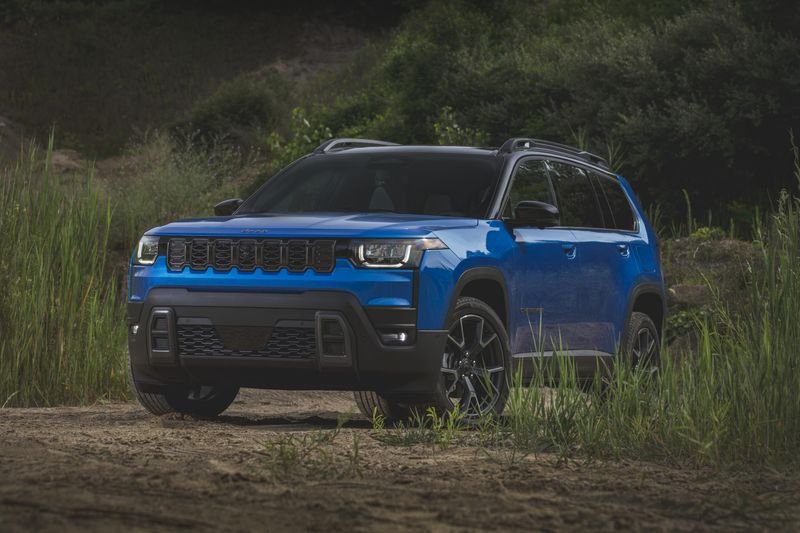
Getting behind the wheel of a Jeep Wrangler with a manual transmission is exciting, especially if you want to explore off-road trails or tackle snowy roads. But many drivers—even experienced ones—aren’t sure how to properly engage the 4 wheel drive (4WD) system. This guide will walk you through the exact steps for engaging 4WD in a manual Jeep Wrangler, explain the purpose of each setting, and help you avoid common mistakes. If you follow these instructions, you’ll be ready for nearly any terrain and protect your vehicle’s drivetrain.
Understanding 4 Wheel Drive Modes
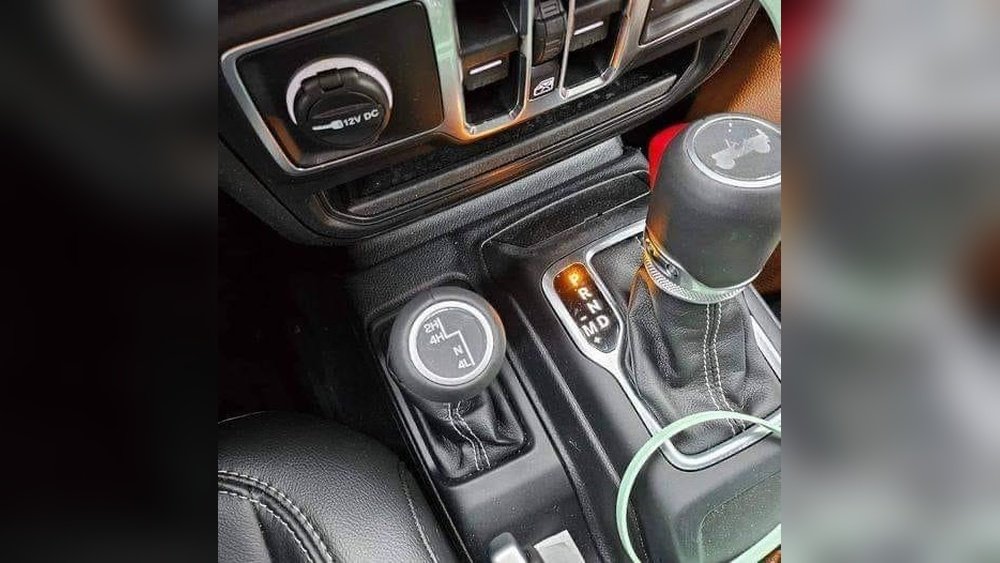
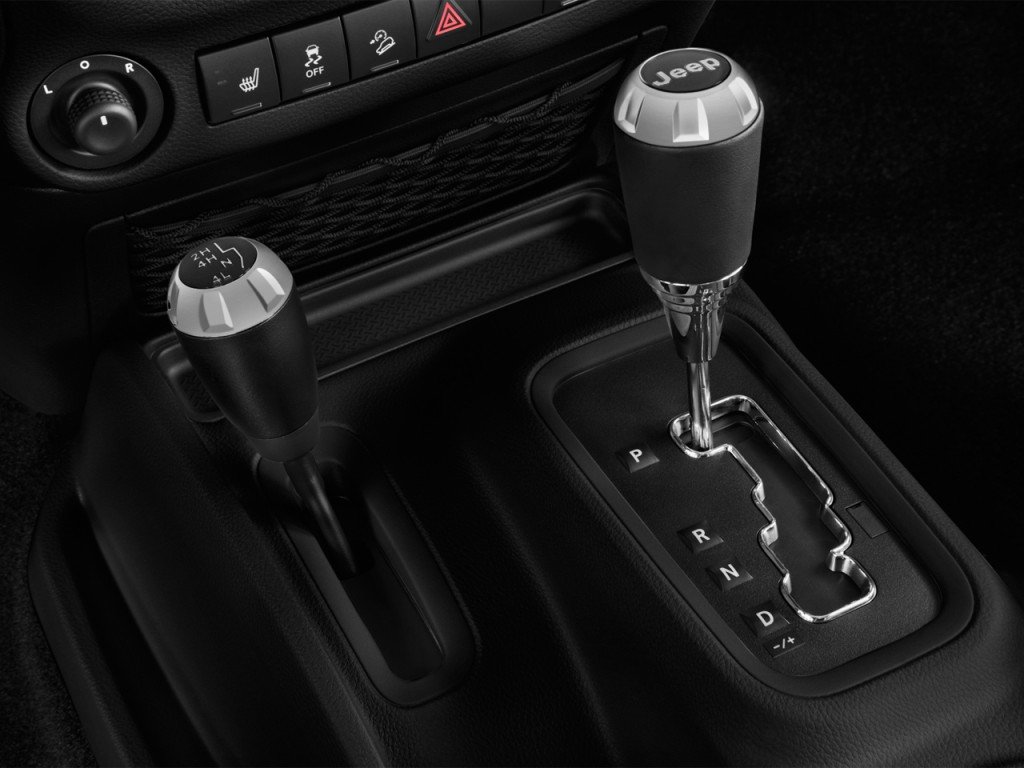
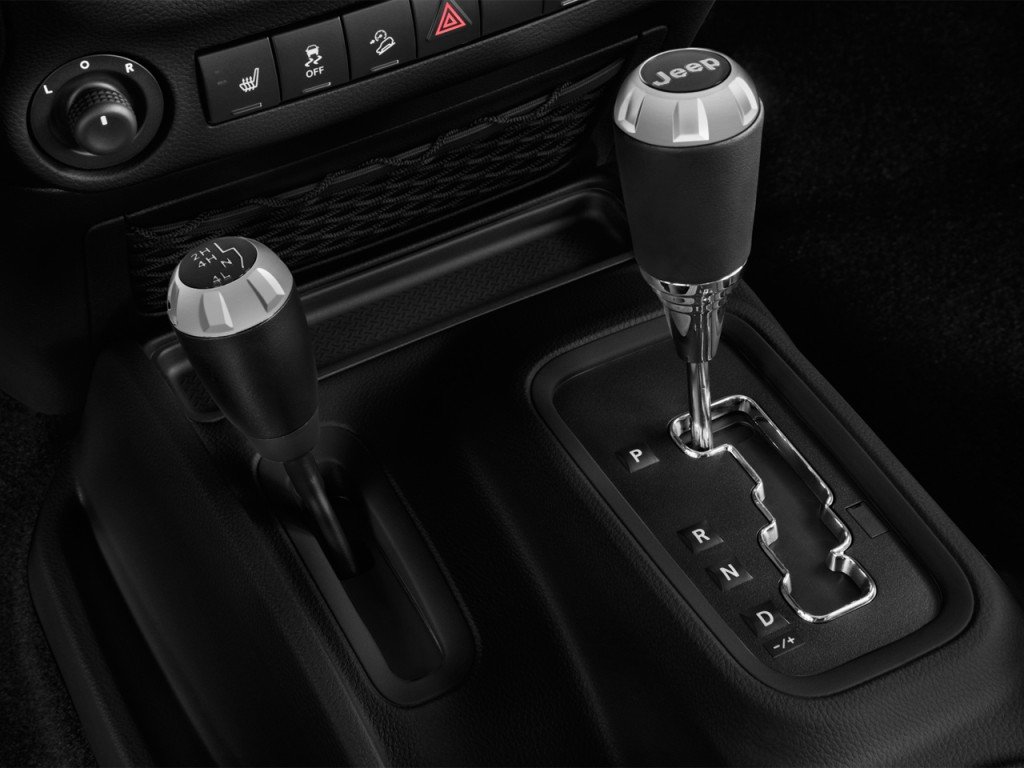
Before you start, it’s important to know the four main 4WD settings found in most Jeep Wrangler manual transmissions:
- 2H (Two-Wheel High)
- 4H (Four-Wheel High)
- N (Neutral)
- 4L (Four-Wheel Low)
Each mode has a specific use, and engaging the wrong setting can lead to mechanical issues or loss of control.
| Mode | Purpose | Best Used For |
|---|---|---|
| 2H | Power to rear wheels | Normal driving, dry roads |
| 4H | Power to all wheels | Wet, snowy, or loose surfaces |
| N | No power to wheels | Towing, disengaging transmission |
| 4L | Power to all wheels, low gearing | Off-road, steep hills, deep mud/snow |
How To Engage Each 4wd Mode
Let’s look at how to safely and effectively engage each setting in a Jeep Wrangler manual. It’s important to follow these steps closely, as incorrect shifting can damage your transfer case or transmission.
1. 2h (two-wheel High)
Most Jeep Wranglers start in 2H. This mode gives power only to the rear wheels, which is ideal for regular road driving.
- Make sure the transfer case lever is in 2H.
- This mode is best for dry, paved roads.
- No special steps are needed; just drive as usual.
Tip: Using 2H saves fuel and reduces wear on the front drivetrain.
2. 4h (four-wheel High)
4H is used when you need extra traction, like on slippery, snowy, or muddy roads.
- Slow down to under 55 mph.
- Depress the clutch fully (since it’s a manual).
- Move the transfer case lever from 2H to 4H smoothly.
- Release the clutch and drive.
Note: You can shift from 2H to 4H while moving, but avoid sudden jerks.
| Scenario | 2H | 4H |
|---|---|---|
| Dry highway | ✔️ | ❌ |
| Snowy street | ❌ | ✔️ |
| Gravel road | ❌ | ✔️ |
Insight: Many beginners forget to slow down before shifting. Always reduce speed for smoother engagement.
3. N (neutral)
The Neutral position is not for driving. It disconnects the transmission from the wheels.
- Stop the Jeep completely.
- Depress the clutch.
- Move the transfer case lever to N.
- This is used mainly for towing or if you need to disengage the transmission.
Warning: Never drive with the transfer case in Neutral. You’ll lose power to the wheels and risk damage.
4. 4l (four-wheel Low)
4L is your go-to mode for tough, low-speed situations, like deep mud, steep hills, or rocky trails.
- Stop the vehicle fully.
- Depress the clutch.
- Move the transmission into neutral.
- Firmly pull the transfer case lever from 4H to 4L.
- Put the transmission back in first or second gear.
- Release the clutch slowly and proceed.
Practical Tip: Some drivers try to shift into 4L while moving. Always stop completely before switching to 4L—this prevents gear grinding and protects the transfer case.
| Mode | Speed Range | Terrain |
|---|---|---|
| 4H | Up to 55 mph | Slippery, loose |
| 4L | Under 25 mph | Extreme off-road |
Non-obvious Insight: In 4L, throttle response becomes much stronger. Light pedal input can lead to sudden movement—drive carefully.
Common Mistakes To Avoid
Many drivers make errors when using the Jeep Wrangler’s 4WD system. Here are some to watch out for:
- Shifting at high speed: Always slow down before engaging 4H or 4L.
- Trying to shift into 4L while moving: This can damage gears.
- Leaving 4WD on dry pavement: It can cause binding and wear.
- Not disengaging 4WD after the slippery terrain ends: This affects handling and fuel efficiency.
Extra Tip: Listen for unusual noises after shifting. Grinding or clunking means something isn’t engaged properly—stop and check before driving further.
Key Data And Real-world Examples
The Jeep Wrangler’s transfer case is designed for tough environments, but misuse can lead to problems. According to Jeep’s official specs, the average transfer case repair costs $1,000 $1,500. Proper use prevents this expense.
For example, a driver in Colorado shifted into 4L while moving and had to replace the transfer case at a cost of $1,300. Meanwhile, a beginner who always stopped before shifting had zero mechanical issues after 5 years.
When Should You Use Each Mode?
Choosing the right mode is essential:
- 2H: Everyday driving, dry roads.
- 4H: Rain, snow, mud, sand, gravel.
- 4L: Steep climbs, deep mud, rocky trails, heavy pulling.
- N: Towing or disengaging transmission.
Refer to your owner’s manual for specific guidance, and check out Jeep’s official site for detailed technical info.
Frequently Asked Questions
How Do I Know If 4wd Is Engaged?
Check the dashboard indicator light. Also, you’ll feel more traction and the Jeep may handle differently.
Can I Switch From 2h To 4h While Driving?
Yes, but slow down to under 55 mph and avoid sudden movements.
Is It Safe To Drive In 4h On Dry Pavement?
No, it causes drivetrain binding and wear. Use 2H for dry roads.
What Happens If I Shift To 4l Without Stopping?
You can damage the transfer case and gears. Always stop before using 4L.
How Often Should I Use 4wd?
Only when needed slippery or off-road conditions. Using it unnecessarily increases wear and lowers fuel economy.
Getting comfortable with your Jeep Wrangler’s manual 4WD system takes practice, but following these steps will keep you safe and your vehicle running smoothly. Always choose the right mode for the conditions and treat the transfer case with care.
Now, you’re ready to enjoy the full power and versatility of your Jeep Wrangler, whether you’re cruising city streets or exploring rugged trails.