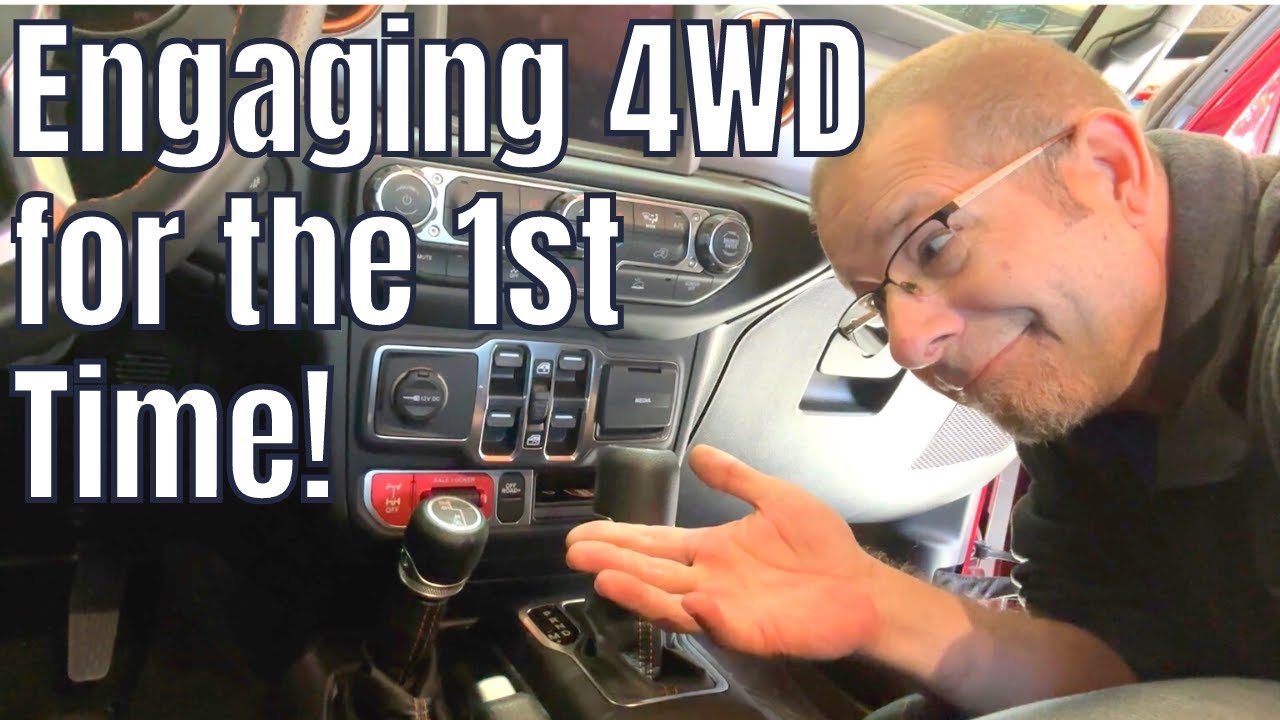
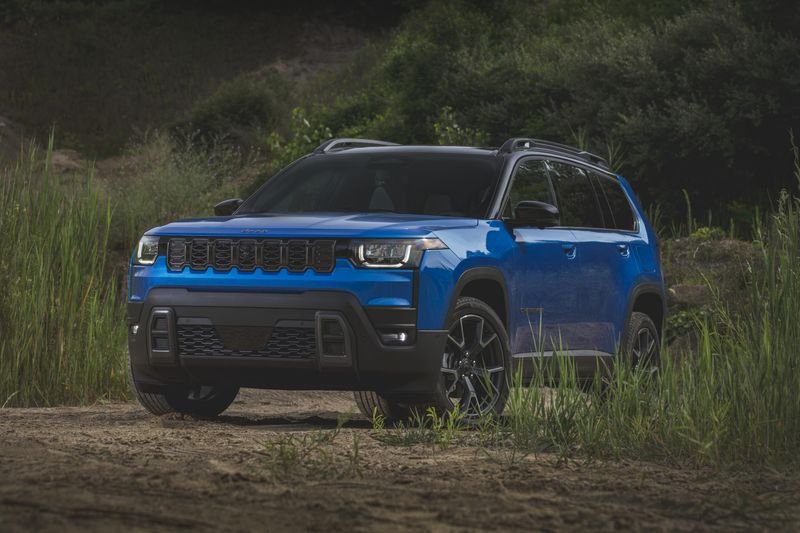
Owning a Jeep Gladiator opens up a world of adventure, especially when you know how to use its 4 wheel drive system. Whether you’re tackling muddy trails, snowy roads, or rocky hills, engaging 4WD the right way makes a big difference in performance and safety. Many beginners think it’s as simple as flipping a switch, but there’s more to it. Knowing the correct steps and understanding each mode helps you protect your Gladiator and get the best results in tough conditions. Let’s break down the process so you can confidently use every feature your Jeep offers.
Understanding The Jeep Gladiator 4wd System
The Jeep Gladiator offers a part-time 4WD system, which means you control when to use it. There are four key modes:
- 2H (Two-Wheel Drive High)
- 4H (Four-Wheel Drive High)
- N (Neutral)
- 4L (Four-Wheel Drive Low)
Each mode serves a specific purpose, and switching between them must be done carefully. Before you start, always check your owner’s manual for detailed instructions.
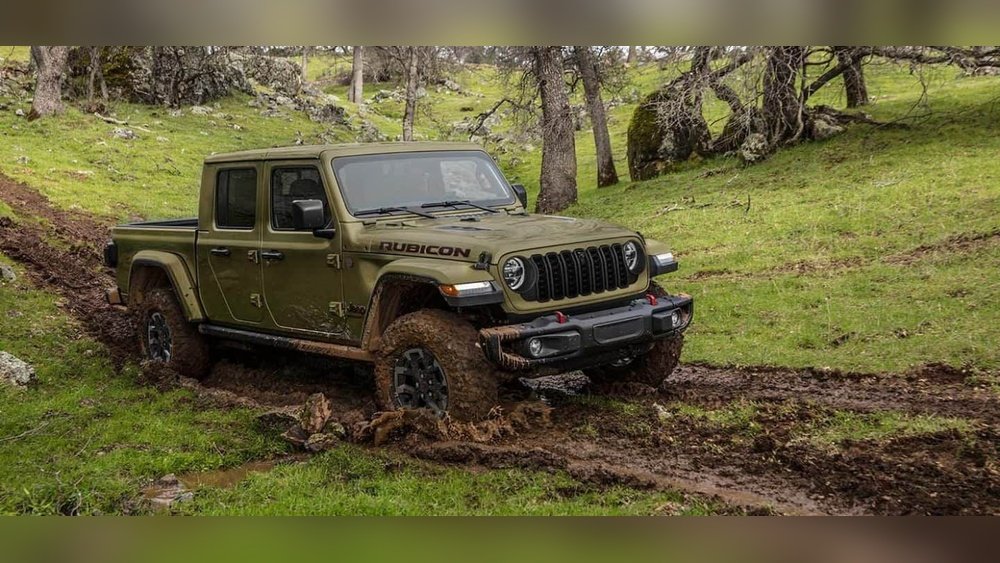
| Mode | Best Use | Speed Limit |
|---|---|---|
| 2H | Normal roads | No limit |
| 4H | Snow, mud, sand | Up to 55 mph |
| N | Towing only | 0 mph |
| 4L | Steep hills, deep mud | Up to 25 mph |
1. Engaging 2h (two-wheel Drive High)
2H is the default mode for daily driving. In this mode, power goes to the rear wheels, giving better fuel economy and smoother handling on dry, paved roads.
- How to use: Your Gladiator starts in 2H automatically. No action needed unless you want to switch to 4WD.
- When to use: Anytime you are on normal roads or highways.
- Tip: If the road is dry and clear, keep it in 2H to avoid unnecessary wear on the drivetrain.
Beginners often forget to switch back to 2H after an off-road trip, which can lead to extra tire wear and lower gas mileage.

2. Engaging 4h (four-wheel Drive High)
4H is for slippery conditions like snow, mud, or sand. It sends power to all four wheels, giving better traction.
- How to engage: Slow down to under 55 mph. Move the transfer case lever from 2H to 4H. You can do this while moving if your wheels are straight.
- When to use: When roads are slippery but not deeply rutted or steep.
- Tip: Always shift smoothly. If you hear grinding or the lever resists, stop and try again.
| Condition | Recommended Mode | Traction Level |
|---|---|---|
| Dry pavement | 2H | Normal |
| Wet pavement | 4H | Improved |
| Deep mud | 4L | Maximum |
A common mistake is using 4H on dry pavement. This causes binding in the drivetrain and can damage your Jeep.
3. Engaging N (neutral)
The neutral (N) position disconnects the wheels from the engine. This mode is mainly for towing your Jeep Gladiator behind another vehicle.
- How to engage: Stop the vehicle completely. Move the transfer case lever to N while pressing the brake.
- When to use: Only when flat towing, never for driving.
- Tip: Double-check your Jeep is secure before towing. Leaving it in N by accident can cause roll-away.
Many drivers don’t realize that N is not for parking or resting. It’s strictly for towing and should be used carefully.
4. Engaging 4l (four-wheel Drive Low)
4L is your power mode for tough off-road conditions. It provides extra torque at low speeds for steep climbs, deep mud, or rocky terrain.
- How to engage: Stop the Jeep and shift to neutral. Move the transfer case lever from 4H to 4L. Wait for the indicator light to confirm.
- When to use: When you need maximum traction and power, like crawling up rocks or through thick mud.
- Tip: Never shift into 4L while moving fast. Go slowly, and make sure your wheels are straight.
| Mode | Maximum Speed | Torque Increase |
|---|---|---|
| 4H | 55 mph | Normal |
| 4L | 25 mph | High |
Drivers often forget to return to 4H or 2H after using 4L, which can cause rough handling and high engine noise.
Practical Tips For Safe 4wd Use
- Always read your owner’s manual before off-roading.
- Don’t use 4WD modes on dry pavement unless needed.
- If the lever feels stuck, gently rock the vehicle back and forth.
- Check tire pressure regularly; uneven pressure affects traction.
- After off-road trips, wash under the Jeep to remove mud and debris.
Many owners miss the importance of regular maintenance. Lubricate the transfer case and check for leaks to keep your Gladiator’s 4WD system healthy.

Common Mistakes And How To Avoid Them
- Engaging 4H or 4L at high speeds—always slow down before shifting.
- Using 4WD on dry roads—only use when traction is needed.
- Forgetting to shift back to 2H after off-road—return to normal mode for daily driving.
- Ignoring indicator lights—wait for confirmation before moving.
Frequently Asked Questions
How Do I Know Which 4wd Mode To Use?
Check your surroundings. Use 2H for regular roads, 4H for slippery surfaces, 4L for extreme terrain, and N for towing.
Can I Switch From 2h To 4h While Driving?
Yes, you can shift from 2H to 4H at speeds below 55 mph, but always keep your wheels straight and shift gently.
Is It Bad To Drive In 4h On Dry Pavement?
Yes, using 4H on dry pavement can cause drivetrain binding and lead to costly repairs.
What Should I Do If The 4wd Lever Is Stuck?
Try gently rocking the vehicle forward and backward. If it remains stuck, check for obstacles or call a mechanic.
Where Can I Find More Information On Jeep Gladiator 4wd?
Visit the official Jeep site at Jeep Gladiator for detailed guides and specifications.
Mastering the 4WD system in your Jeep Gladiator is not just about switching modes. It’s about understanding when and how to use each option, paying attention to your surroundings, and caring for your vehicle.
With these tips, you’ll drive safer, protect your Jeep, and enjoy every adventure to the fullest.