Engaging the four-wheel drive system in a 1995 Jeep Grand Cherokee is more than just moving a lever. It’s about knowing your vehicle, understanding the conditions, and using the right technique. Whether you’re planning a trip through muddy trails or need extra traction in snow, learning how to properly engage the four-wheel drive will help you drive safely and confidently. This guide will show you how to use the system, explain the different modes, highlight common mistakes, and offer practical tips for beginners and experienced Jeep owners alike. You’ll also learn how to keep your system in top shape and troubleshoot issues, so you can get the most from your Jeep, wherever your adventures take you.
Understanding The 1995 Jeep Grand Cherokee Four-wheel Drive System
The 1995 Jeep Grand Cherokee came with several four-wheel drive options, mainly the Selec-Trac and Quadra-Trac systems. Both provide extra traction, but they work in different ways.
- Selec-Trac: Allows you to switch between 2WD, Part-Time 4WD, Full-Time 4WD, and 4WD Low.
- Quadra-Trac: Full-time 4WD with automatic adjustment based on traction needs.
Knowing which system your vehicle has is important. Most 1995 models feature a transfer case lever next to the gear shifter.
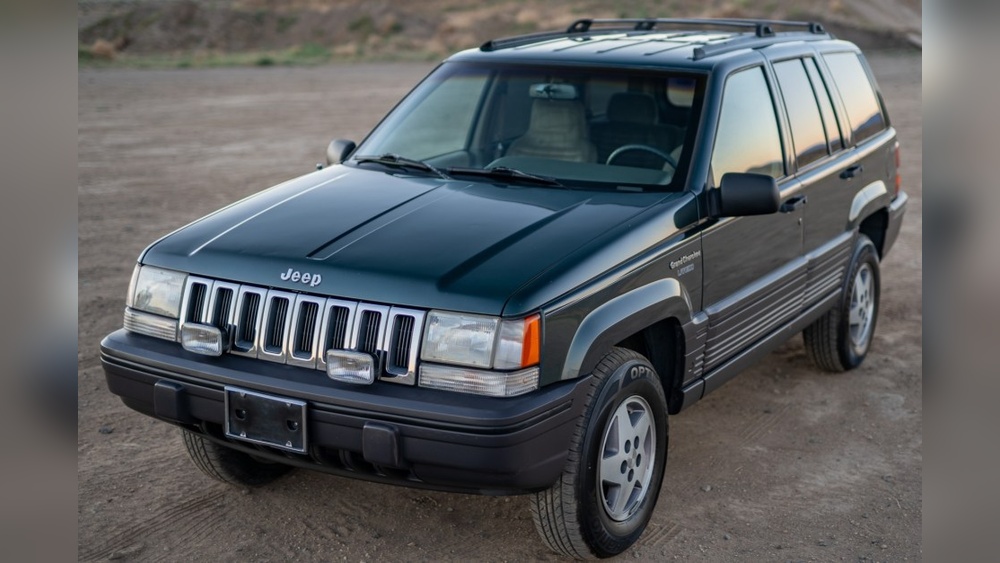
Before you try to engage four-wheel drive, check your owner’s manual or look for a sticker near the lever.
This will tell you which system your Jeep uses.
Some vehicles may have badges on the rear liftgate or dashboard that identify the system. If you’re unsure, you can also check under the hood or on the driver’s side door for details.
The Selec-Trac system is more flexible, letting you pick the right mode for your needs, while Quadra-Trac is simpler great for drivers who want the Jeep to handle decisions about traction automatically.
When To Use Four-wheel Drive
Four-wheel drive isn’t needed all the time. You should engage it when:
- Driving on slippery surfaces like snow, mud, sand, or loose gravel
- Navigating off-road trails with rocks or steep hills
- Towing heavy loads on uneven terrain
Using four-wheel drive on dry pavement can cause damage to the system. Only use it when extra traction is required.
For example, if you’re heading up a steep gravel driveway or crossing a muddy field after rain, switching to 4WD can prevent your wheels from spinning and losing control.
In deep sand at the beach, 4WD spreads power to all wheels so you don’t get stuck.
Even if you’re towing a trailer on wet grass, 4WD helps keep everything moving smoothly. Remember, the system is designed to help you in difficult spots don’t use it just because it’s available.
How To Engage Four-wheel Drive In A 1995 Jeep Grand Cherokee
Let’s break down the steps for both systems.
For Selec-trac System
- Identify the transfer case lever: It’s next to the gear shifter.
- Choose the right mode:
- 2WD: For normal driving on dry pavement.
- 4WD Part-Time: For slippery, off-road, or loose surfaces.
- 4WD Full-Time: For variable conditions; can be used on pavement if needed.
- 4WD Low: For tough off-road conditions, deep mud, or steep hills.
- Engaging 4WD Part-Time or Full-Time:
- Slow down to under 55 mph.
- Shift the lever from 2WD to 4WD Part-Time or Full-Time. You can do this while driving, but avoid sudden movements.
- For 4WD Low, come to a complete stop, shift the transmission to neutral, then move the lever to 4WD Low.
- Check the dashboard: The 4WD indicator should light up.
If the indicator light doesn’t appear, double-check the lever position and your speed. If you hear any grinding, stop and try again more slowly.
It’s best to practice these shifts in a safe area, so you know how your Jeep responds.
For Quadra-trac System
- The system is always in 4WD. No lever movement is needed. If you need extra torque, shift to 4WD Low:
- Stop the vehicle.
- Put the transmission in neutral.
- Move the transfer case lever to 4WD Low.
If your Jeep uses Quadra-Trac, you’ll notice it adapts as traction changes. You don’t need to worry about shifting for most conditions.
Just remember to use 4WD Low only when you need maximum torque, such as crawling up a rocky hill or pulling out of deep mud.
Common Mistakes When Engaging Four-wheel Drive
Many drivers make errors that can damage the system or reduce safety.
- Engaging 4WD on dry pavement: This causes binding and stress on the drivetrain.
- Shifting without stopping for 4WD Low: Always stop and put the transmission in neutral first.
- Forgetting to disengage 4WD after use: Staying in 4WD on normal roads affects fuel economy and handling.
- Misunderstanding mode differences: Not knowing when to use Part-Time vs. Full-Time leads to poor performance.
Some beginners think 4WD means they can drive faster or take bigger risks. This is not true traction helps you avoid getting stuck, but it doesn’t stop the vehicle faster.
Always drive carefully, especially when road conditions are tough.
Practical Tips For Using Four-wheel Drive
- Keep speeds low when in 4WD Low. This mode is for slow, controlled driving.
- Listen for unusual noises. Grinding or clunking means something is wrong.
- Check tire pressure. Uneven tires affect traction and cause extra wear.
- Practice in a safe area. Try engaging and disengaging the system in an empty parking lot or driveway.
- Maintain the transfer case. Regular fluid changes keep the mechanism working smoothly.
It’s also smart to visually inspect your transfer case and axles for leaks or damage every few months. If you notice fluid under your Jeep or see rust on moving parts, schedule maintenance soon.
Keeping your tires rotated and balanced helps prevent uneven stress on the four-wheel drive system.
Data Comparison: Selec-trac Vs Quadra-trac
Here’s a quick comparison of the two systems:
| Feature | Selec-Trac | Quadra-Trac |
|---|---|---|
| Mode Selection | Manual (lever) | Automatic (always 4WD) |
| 4WD Low Engagement | Manual | Manual |
| Use on Pavement | Full-Time only | Yes |
| Best for | Varied conditions | All weather |
Selec-Trac is ideal if you want control and flexibility, especially if you travel between city roads and wild trails. Quadra-Trac is best for convenience just drive and let the Jeep handle traction needs.
Real-world Example: Using Four-wheel Drive In Snow
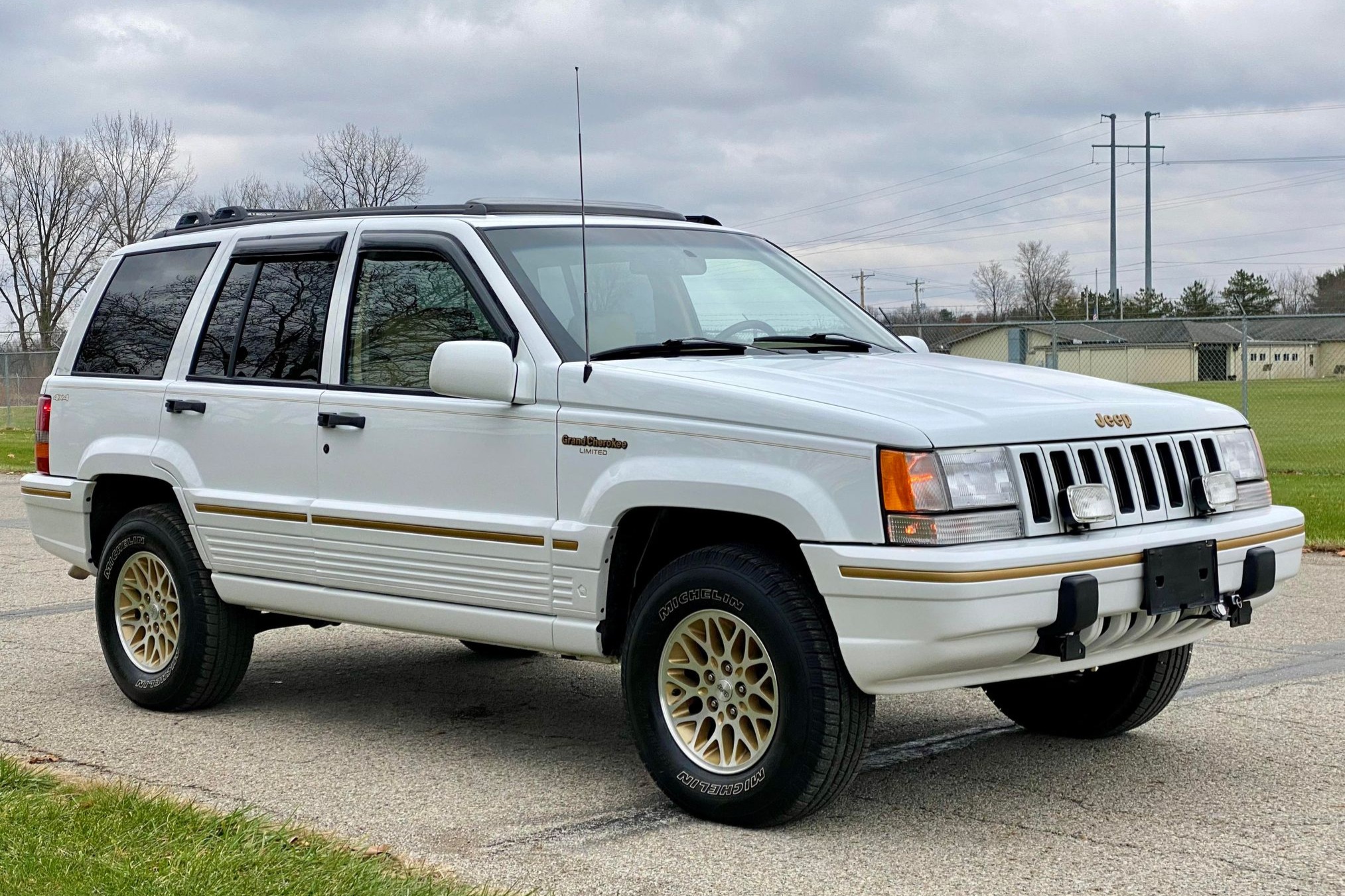
Imagine you’re driving in a heavy snowstorm. The road is slippery and visibility is low. In a 1995 Jeep Grand Cherokee with Selec-Trac, you switch from 2WD to 4WD Part-Time. You notice the car feels more stable and less likely to slide. If you hit deep snow, you stop the car and shift to 4WD Low, letting the Jeep crawl through the toughest spots.
With Quadra-Trac, the system automatically adjusts. If you need extra torque, you shift to 4WD Low.
Both systems help keep you safe, but knowing how to use them makes all the difference.
Another example: you’re crossing a muddy campsite after rain. With Selec-Trac, switching to Part-Time 4WD before entering mud lets you avoid getting stuck. If you have to pull out another vehicle, 4WD Low gives you the torque needed for tough towing jobs. Quadra-Trac will sense the loss of traction and respond, but adding 4WD Low manually helps in extreme cases.
Table: Four-wheel Drive Modes And Driving Conditions
| Mode | Best Conditions | Speed Limit | Engagement Tips |
|---|---|---|---|
| 2WD | Dry pavement | No limit | Default for normal roads |
| 4WD Part-Time | Slippery, loose surfaces | <55 mph | Shift while moving, slow down first |
| 4WD Full-Time | Mixed conditions | No limit | Can be used on pavement |
| 4WD Low | Off-road, steep hills | <25 mph | Stop, shift to neutral before engaging |
If you’re unsure which mode to use, remember: Part-Time is for difficult surfaces, Full-Time is for changing conditions, and 4WD Low is only for very tough spots.
Maintenance Insights For Four-wheel Drive Systems
Many owners overlook maintenance. Here are two things beginners often miss:
- Transfer case fluid needs regular checks and changes. Old fluid leads to poor engagement and possible damage.
- Tire size and wear: All tires should match in size and tread. Mismatched tires can confuse the system and cause binding.
Also, check for leaks or low fluid levels after driving through water or mud, as contamination can cause issues. If you notice vibrations or thumping after using 4WD, inspect your driveshaft and universal joints.
Keeping your tires properly inflated and rotated helps prevent stress on the four-wheel drive system.
If you notice issues with engaging four-wheel drive, check these two areas first.
Troubleshooting: What If Four-wheel Drive Won’t Engage?
It’s frustrating when the system doesn’t work. Here’s what to check:
- Transfer case lever feels loose: The linkage may be disconnected or worn.
- Indicator light doesn’t turn on: The bulb or wiring could be faulty.
- Grinding noise: Stop immediately. This may signal internal damage.
- 4WD Low won’t engage: Make sure you’re in neutral and stopped. Forcing it can break the transfer case.
If problems persist, consult a mechanic with Jeep experience.
Sometimes, the issue is as simple as low transfer case fluid or a blown fuse. If your Jeep hesitates when shifting modes or the lever won’t move smoothly, check for dirt or corrosion around the transfer case.
Don’t ignore warning signs early fixes prevent costly repairs later.
Table: Cost And Frequency Of Common Four-wheel Drive Maintenance
| Maintenance Task | Average Cost | Recommended Frequency |
|---|---|---|
| Transfer Case Fluid Change | $80–$150 | Every 30,000 miles |
| Linkage Inspection | $50–$100 | Annually |
| Tire Rotation | $30–$50 | Every 6,000 miles |
| System Diagnostic | $60–$120 | As needed |
Regular maintenance keeps your four-wheel drive reliable. It’s wise to plan these services ahead, especially before long trips or after heavy off-road use.
Advanced Tips For Experienced Jeep Owners
If you’re comfortable with the basics, try these tips:
- Upgrade transfer case fluid to synthetic for better protection.
- Install skid plates for extra safety on rocky trails.
- Check vacuum lines on older models; leaks affect engagement.
- Test 4WD engagement monthly, even if you don’t use it often.
Consider adding a drain plug to your transfer case for easier fluid changes. If you drive in deep water or mud, inspect your system afterward for signs of contamination.
Advanced owners often carry a spare transfer case fuse and basic tools in the glove box quick fixes make a big difference miles from home.
These steps keep your Jeep Grand Cherokee ready for any adventure.
What’s The Difference Between Part-time And Full-time Four-wheel Drive?
Part-Time 4WD is used only when needed (off-road, slippery surfaces). Full-Time 4WD can be used all the time, including on pavement. Full-Time is more flexible but can reduce fuel economy.
Can I Shift To Four-wheel Drive While Driving?
Yes, you can shift from 2WD to 4WD Part-Time or Full-Time while moving, but slow down first. For 4WD Low, always stop and shift to neutral before engaging.
How Do I Know If Four-wheel Drive Is Working?
Look for the indicator light on the dashboard. You’ll also feel more traction, especially in slippery conditions. If you hear odd noises or notice poor performance, check the system.
Is Four-wheel Drive Safe For Highway Use?
Only use Full-Time 4WD or Quadra-Trac on highways. Part-Time 4WD is not safe for dry pavement and can cause damage.
Where Can I Find More Technical Details About The 1995 Jeep Grand Cherokee’s Four-wheel Drive?
For detailed specs and engineering data, visit the Jeep Grand Cherokee Wikipedia page.
Being able to engage four-wheel drive in your 1995 Jeep Grand Cherokee is a useful skill for safe driving in tough conditions. With the right knowledge, you’ll avoid common mistakes, keep your vehicle in top shape, and enjoy the freedom to explore wherever you want. Whether you’re a beginner or a Jeep veteran, practicing these steps will give you confidence on any road or trail. With regular maintenance and a clear understanding of your system, your Jeep will be ready to handle whatever nature throws at you—so you can focus on the journey and not the obstacles.