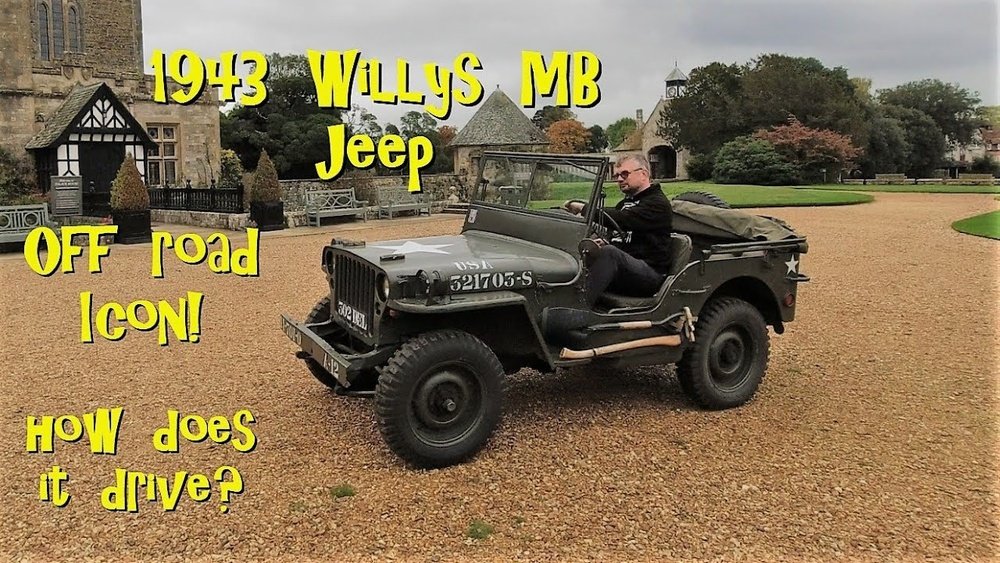
Driving a Willys Jeep is like stepping into a piece of living history. These rugged vehicles helped shape the world during World War II and have a legendary reputation for durability and simplicity. But if you’re new to classic cars or have only driven modern vehicles, operating a Willys Jeep can feel very different. The controls, gears, and even the starting process are unique. This guide will help you understand every step, avoid common mistakes, and appreciate the quirks that make the Willys Jeep special.
Understanding The Willys Jeep Layout
Before you start the engine, get familiar with the dashboard and controls. A Willys Jeep is basic compared to modern cars. You’ll find:
- Manual transmission: Usually three speeds, with a separate lever for 4×4 modes.
- Floor pedals: Clutch (left), brake (middle), gas (right).
- Hand throttle: Some models have a dashboard lever to adjust engine speed.
- Manual choke: Used for cold starts.
The gauges are simple: speedometer, fuel, oil pressure, and engine temperature. There’s no power steering or power brakes, so expect a physical driving experience.
Starting The Willys Jeep
Follow these steps to start the Jeep safely:
- Check the gear lever is in neutral.
- Press the clutch all the way in.
- Turn the ignition key to the “on” position.
- Pull out the choke if the engine is cold.
- Press the starter button (it’s usually on the floor or dashboard).
- As the engine starts, slowly push the choke back in.
If the engine doesn’t start after a few tries, wait a minute before trying again to avoid flooding. Never pump the gas pedal repeatedly this is a common mistake that can make starting harder.

Driving: Shifting Gears And Handling
The Willys Jeep uses a three-speed manual transmission. Shifting is not as smooth as in modern cars. Here’s how to move off and shift gears:
- Depress the clutch fully.
- Select first gear (usually top left on the pattern).
- Ease off the clutch while gently pressing the gas.
- Shift to second gear around 10-15 mph, and third around 25 mph.
Downshifting requires practice. Double-clutching helps prevent gear grinding:
- Press clutch, shift to neutral, release clutch.
- Rev the engine slightly, press clutch again, then shift to the lower gear.
Non-obvious insight: The Jeep’s gearbox is not synchronized in all gears, so slow, deliberate shifting prevents damage.
Willys Jeep Gear Comparison
Below is a comparison of the standard gear pattern and transfer case functions:
| Gear Lever | Function | Typical Speed Range |
|---|---|---|
| First | Start, climbing | 0–15 mph |
| Second | City driving | 10–25 mph |
| Third | Highway | 20–45 mph |
| Low Range (4×4) | Off-road, steep climbs | 0–20 mph |
Turning, Braking, And Driving Feel
Driving a Willys Jeep is physical. There’s no power steering, so turning the wheel at low speed takes effort. The brakes are drum-type and need a firm, early press—don’t expect modern stopping distances.
- Turning: Start turning earlier than in a modern car. Use both hands on the wheel.
- Braking: Press the brake pedal steadily. The Jeep may “pull” to one side—always test brakes before driving.
- Suspension: The ride is bouncy. Slow down for bumps and rough roads.
Practical tip: Because the Willys Jeep is tall and narrow, sharp cornering at speed is risky. Keep speeds moderate, especially on curves.
Engaging Four-wheel Drive
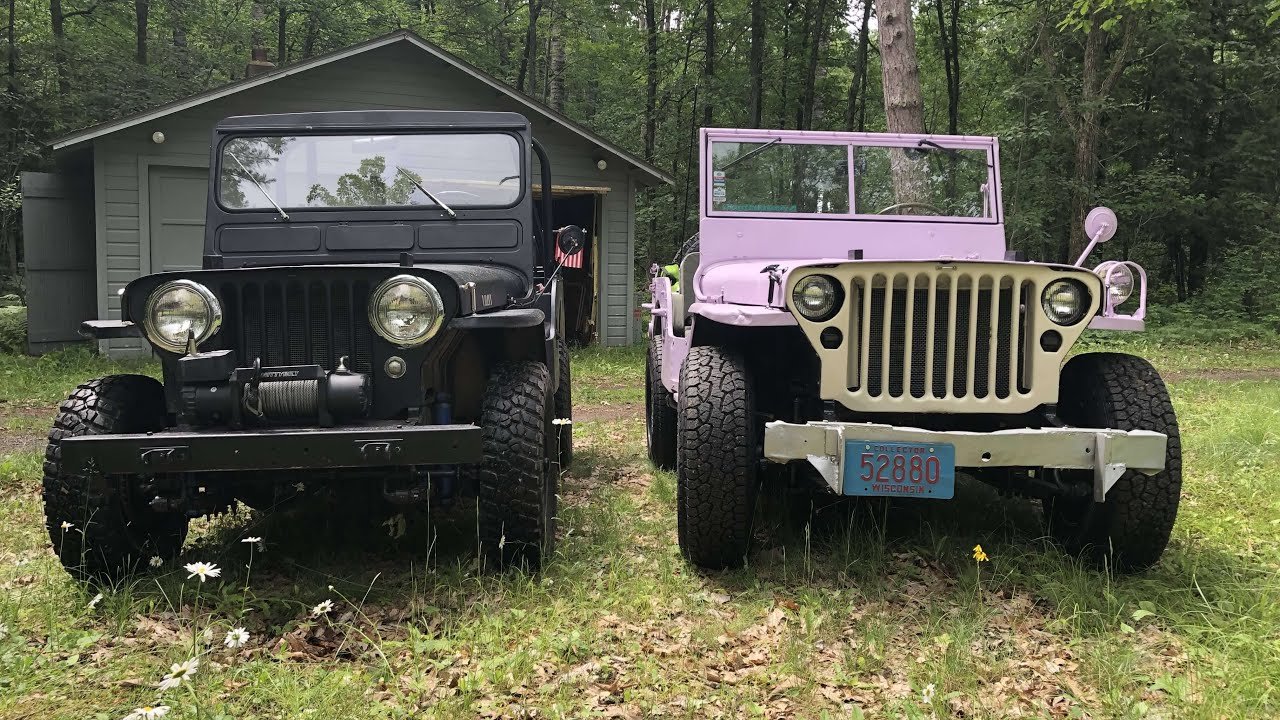
Willys Jeeps are famous for their 4×4 capability. There are two levers: one for high/low range, one for engaging four-wheel drive.
- Stop the vehicle.
- Press the clutch.
- Shift the transfer case lever to 4×4 high or low as needed.
- Ease off the clutch and continue.
Use 4×4 low for mud, steep hills, or sand. Returning to 2WD on pavement prevents drivetrain damage.
Transfer Case Settings Overview
Understanding the settings helps prevent common mistakes:
| Transfer Case Position | Use Case | Wheel Engagement |
|---|---|---|
| 2WD High | Regular roads | Rear wheels only |
| 4WD High | Slick surfaces, snow | All four wheels |
| 4WD Low | Off-road, towing | All four wheels |
Non-obvious insight: Engaging 4×4 while moving can damage gears—always shift while stopped.
Parking And Stopping
To park safely:
- Shift to neutral.
- Set the hand brake (located under the dash).
- Turn off the ignition.
- Leave the Jeep in gear on slopes for extra security.
Unlike modern cars, Willys Jeeps have a manual hand brake that may not hold well if not adjusted. Test it on level ground first.
Common Mistakes To Avoid
- Riding the clutch: Keep your foot off the clutch except when shifting.
- Forcing gears: If a gear grinds, return to neutral and try again gently.
- Ignoring fluids: Check oil, coolant, and brake fluid before every drive.
- Shifting 4×4 on the move: Only shift with the vehicle stopped.
- Over-speeding: The Jeep’s safe cruising speed is 40–45 mph.
Many beginners forget to check the fuel shut-off valve under the tank—make sure it’s open before starting.
Maintenance Basics
Willys Jeeps require more hands-on care:
- Grease fittings every 500 miles.
- Check tire pressure (usually 28-32 psi).
- Inspect brakes and adjust as needed.
- Top up fluids regularly.
Classic Jeeps leak oil; small drips are normal, but large puddles mean a problem.
Willys Jeep Vs. Modern 4×4: Key Differences
Here’s how a classic Willys Jeep compares with a modern 4×4 SUV:
| Feature | Willys Jeep | Modern 4×4 |
|---|---|---|
| Transmission | Manual, non-synchro | Automatic/synchronized manual |
| Brakes | Manual drum | Power disc/ABS |
| Steering | No power assist | Power steering |
| Top Speed | ~50 mph | 80+ mph |
Enjoying The Classic Experience
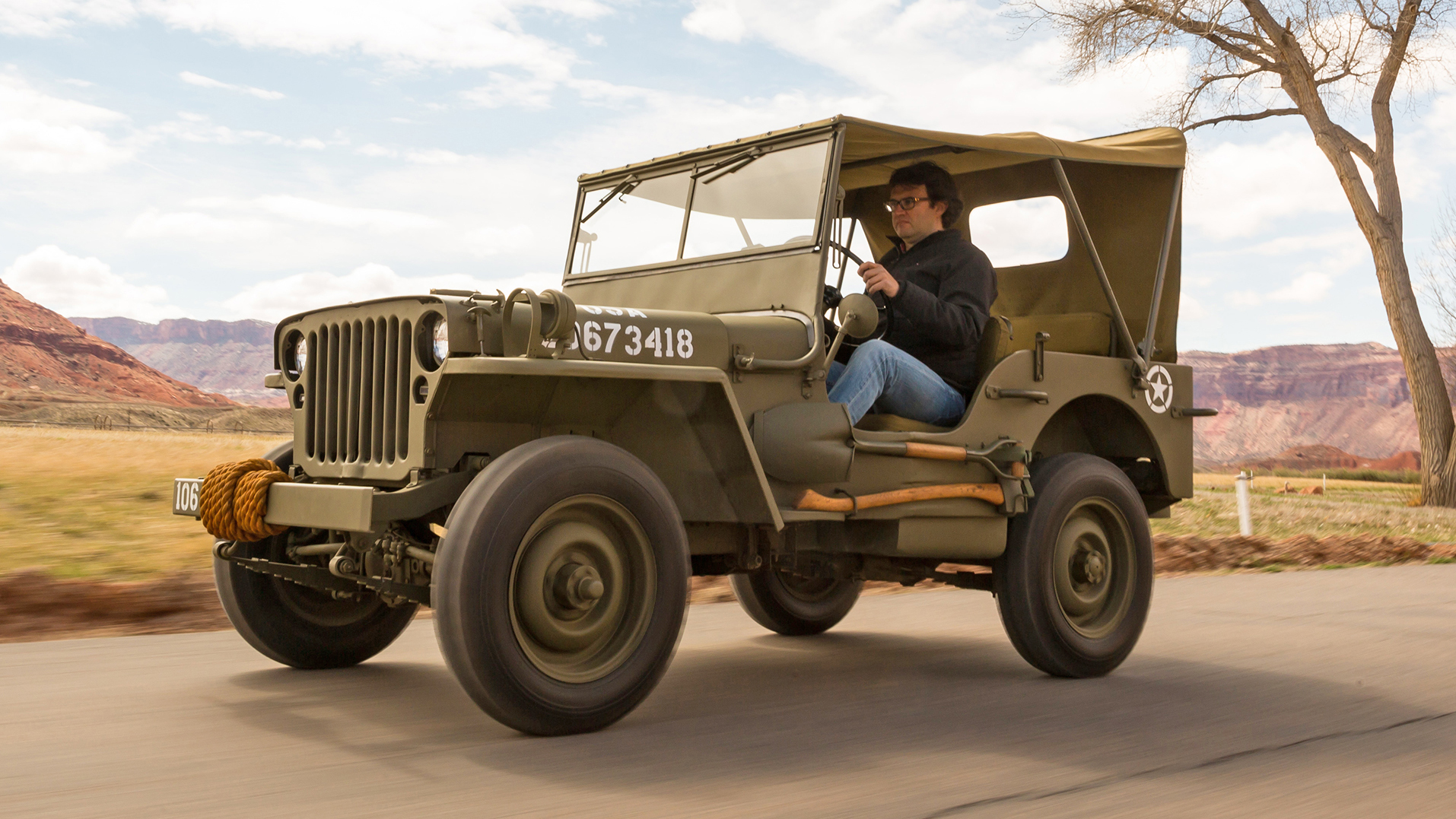
Driving a Willys Jeep is rewarding if you respect its limits. It’s perfect for short drives, off-road adventures, or car shows.
You’ll feel every bump and turn, but that’s the charm.
Learn from each drive. With practice, you’ll shift smoothly and handle the Jeep’s quirks with confidence. For more technical details, you can visit the Willys MB Wikipedia page.
Frequently Asked Questions
How Fast Can A Willys Jeep Go?
The top safe speed is usually 45–50 mph. Driving faster can overwork the engine and brakes.
Is It Hard To Find Parts For Willys Jeeps?
Most parts are still available through specialty suppliers and online stores. Some reproduction parts are common.
Can You Use A Willys Jeep As A Daily Driver?
It’s possible but not recommended for most people. The ride is rough, and safety features are minimal compared to modern cars.
Do I Need A Special License To Drive A Willys Jeep?
A regular driver’s license is enough in most places. Check local laws if you plan to use it on public roads.
Is It Safe To Drive A Willys Jeep In The Rain?
You can, but be cautious. Wipers are manual, and brakes may not stop as quickly as modern vehicles. Reduce speed and increase following distance.
With patience and care, driving a Willys Jeep is a unique experience that connects you with automotive history. Enjoy every mile!


















