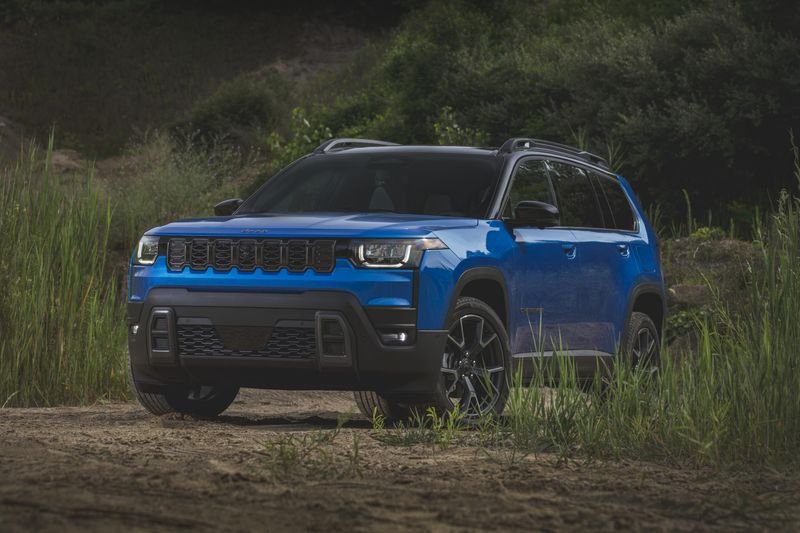
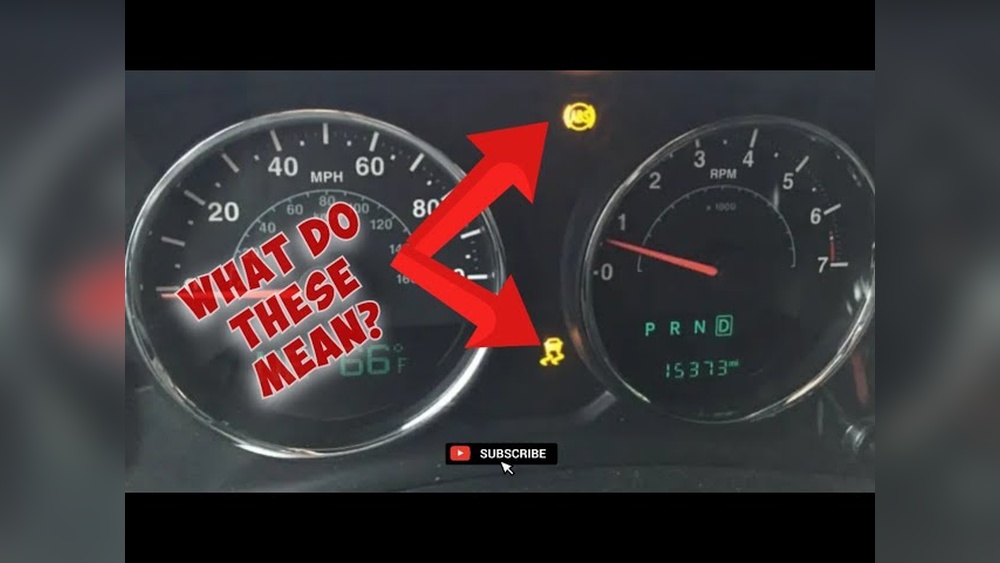
Have you ever noticed the traction control light glowing on your Jeep Wrangler’s dashboard and wondered what it means?
That little skidding car icon isn’t just a random warning, it’s your vehicle’s way of telling you it’s detected a loss of traction or that there might be a problem with the system.
Whether it flickers while you’re driving on slippery roads or stays solidly lit, understanding why this light comes on can save you from unexpected trouble and costly repairs.
You’ll discover the common reasons behind the traction control light, simple steps you can take to troubleshoot it yourself, and when it’s time to seek professional help.
Don’t let this warning catch you off guard, read on to keep your Jeep Wrangler running smoothly and safely.
Traction Control Light Basics
The Traction Control Light on your Jeep Wrangler is a key safety feature. It helps keep your vehicle stable on slippery or uneven roads.
Understanding this light can prevent panic and costly repairs. This section explains the basics of the traction control light.
You will learn what the light means and how to tell if it is flashing or staying on. Knowing these details helps you respond correctly and keep driving safely.
What The Light Means
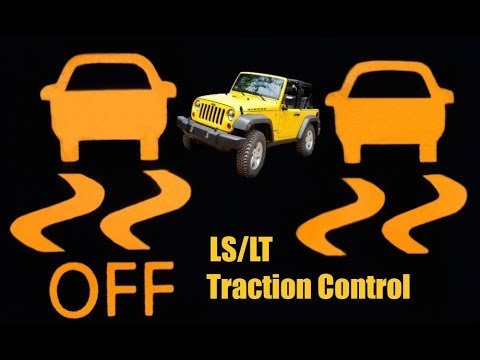
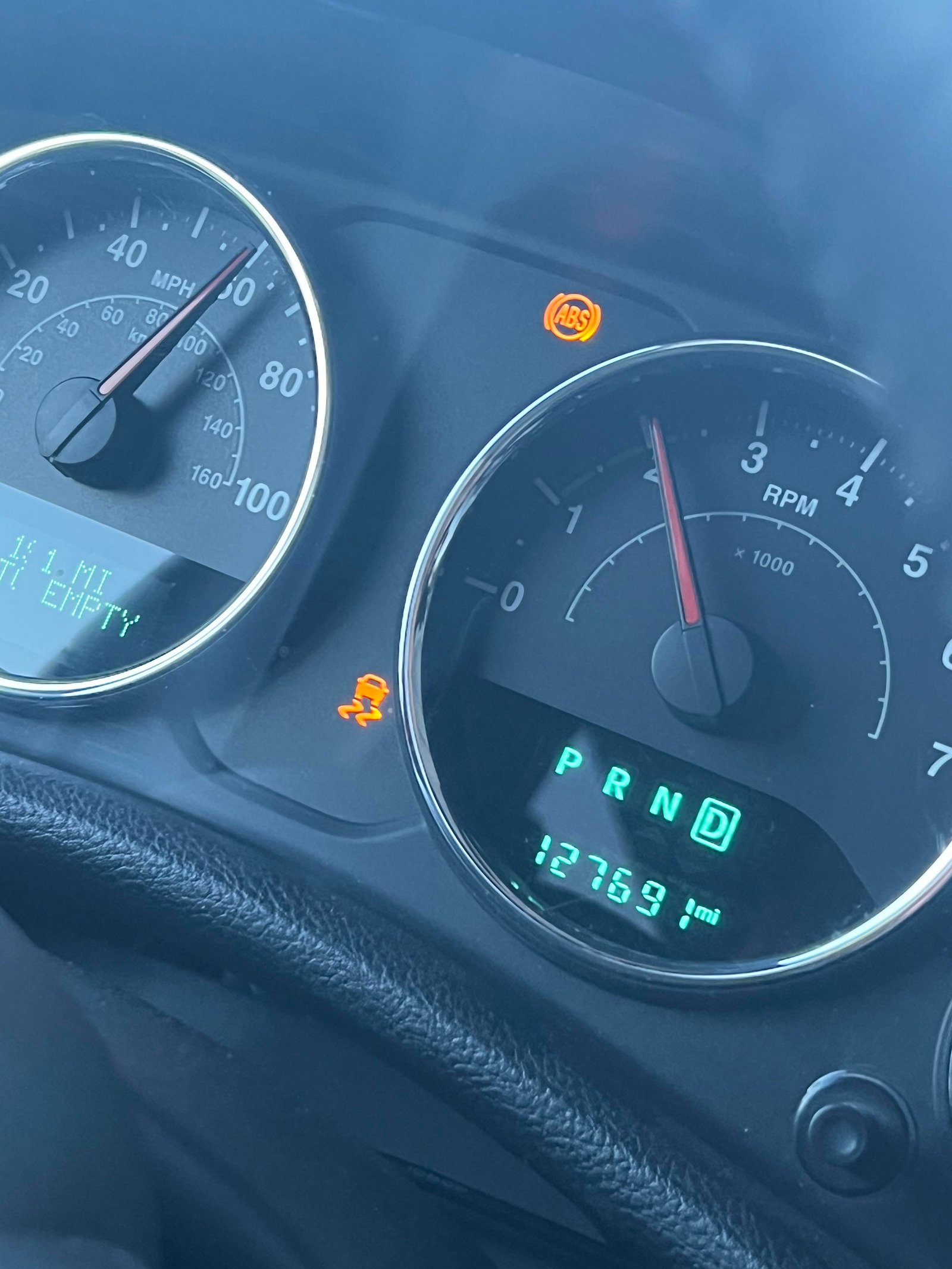
The traction control light looks like a car with squiggly lines behind it. This icon means the vehicle’s traction control system is active or has detected a problem.
The system works to stop your wheels from slipping on wet or icy roads.
When the light turns on, it signals that the Electronic Stability Program (ESP) is watching your wheel grip. It helps maintain control by adjusting engine power or braking individual wheels.
When The Light Flashes Vs Stays On
If the traction control light flashes, the system is working. It is actively preventing wheel spin.
This happens when you accelerate on slippery surfaces or loose gravel.
When the light stays on steadily, it means there is a system malfunction. The traction control may not work properly.
You should get your Jeep checked by a mechanic to find and fix the issue.
Common Causes
When the Jeep Wrangler traction control light comes on, quick troubleshooting helps identify the issue fast. This section covers simple checks to keep your Jeep safe and running smoothly.
Follow these steps before heading to a mechanic.
Checking Steering Wheel Alignment
Start by driving your Jeep on a flat road. Watch if the steering wheel sits straight.
A misaligned wheel can confuse the traction control system. Small bumps or off-road trips often cause this.
Adjusting the drag link can fix the problem. This step saves time and prevents unnecessary repairs.
Verifying Tire Pressure
Check all tires using a pressure gauge. Each tire should match the manufacturer’s recommended PSI.
Low or uneven tire pressure changes wheel speed and triggers the traction control light. Inflate tires to the correct level.
Proper tire pressure improves safety and system accuracy.
Inspecting Battery And Electrical Connections
Inspect the battery terminals for corrosion or loose wires. A weak battery can cause false traction control warnings.
Clean the terminals and tighten connections. Check the battery voltage with a multimeter.
A fully charged battery helps the system work correctly.
Examining Wheel Speed Sensors
Look at each wheel speed sensor near the wheels. Dirt, grease, or damage may block sensor signals.
Clean sensors gently with a cloth. Also, check for broken wires or connectors.
Faulty sensors cause the traction control light to stay on. Repair or replace damaged parts as needed.
Quick Troubleshooting
Driving with the Jeep Wrangler traction control light on requires care. This light means the system found a problem with your vehicle’s grip on the road.
Sometimes, it flashes, showing the system is helping you stay safe. Other times, it stays on, signaling a fault.
Understanding how to drive in these situations keeps you safer and protects your vehicle.
Is It Safe To Drive?
Driving with the traction control light on is usually safe for short distances. The system may not work properly, so your Jeep might slip more easily.
Avoid fast speeds and sharp turns to reduce risk. Watch the road closely and drive gently.
Handling Slippery Conditions
Without full traction control, your Jeep needs careful handling on slippery roads. Slow down more than usual.
Brake softly to avoid skidding. Keep a steady grip on the wheel and steer smoothly. Avoid sudden moves or quick acceleration.
When To Seek Professional Help
If the traction control light stays on, get your Jeep checked soon. A mechanic can find and fix sensor or system problems.
Don’t ignore this warning. A faulty traction control system can lead to accidents, especially in bad weather.

Why Is My Jeep Traction Control Light On?
The Jeep traction control light turns on when the system detects wheel slip or a malfunction. Common causes include low tire pressure, misaligned steering, faulty wheel sensors, or electrical issues.
Check tire pressure, steering alignment, and sensor condition to resolve the problem quickly.
What Is The Average Income Of A Jeep Owner?
The average income of a Jeep owner typically ranges between $50,000 and $75,000 annually. Jeep buyers often have middle to upper-middle-class incomes.
This range reflects the brand’s appeal to outdoor enthusiasts with moderate to high spending power. Income varies by model and region.
Can I Still Drive With My Traction Control Light On?
You can drive with the traction control light on, but exercise caution. It signals a system issue or active traction control.
Get your vehicle checked to avoid safety risks.
How Do You Reset The Traction Control Light On A Jeep?
To reset the traction control light on a Jeep, turn the ignition off, then on. Check tire pressure and wheel alignment. Use an OBD-II scanner to clear error codes if needed. Drive briefly to see if the light turns off.
Conclusion
The Jeep Wrangler traction control light helps keep you safe on slippery roads. A flashing light means the system is working to prevent skidding.
A solid light shows there might be a problem that needs attention. Simple checks like tire pressure and steering alignment can often fix the issue.
Don't ignore the light; timely action can avoid bigger repairs. Understanding what the light means helps you drive with confidence.
Stay alert and maintain your Jeep for a smooth, safe ride every time.