If your Jeep’s tail light stops working, it’s not just a minor annoyance it’s a safety issue and a possible ticket. Diagnosing the problem quickly can save you time, money, and even prevent accidents.
Many Jeep owners worry that electrical issues are complicated, but with the right approach, you can often find and fix the problem yourself.
Let’s explore step-by-step how to diagnose your Jeep tail light, even if you’re not a car expert.
Why Tail Lights Fail On Jeeps
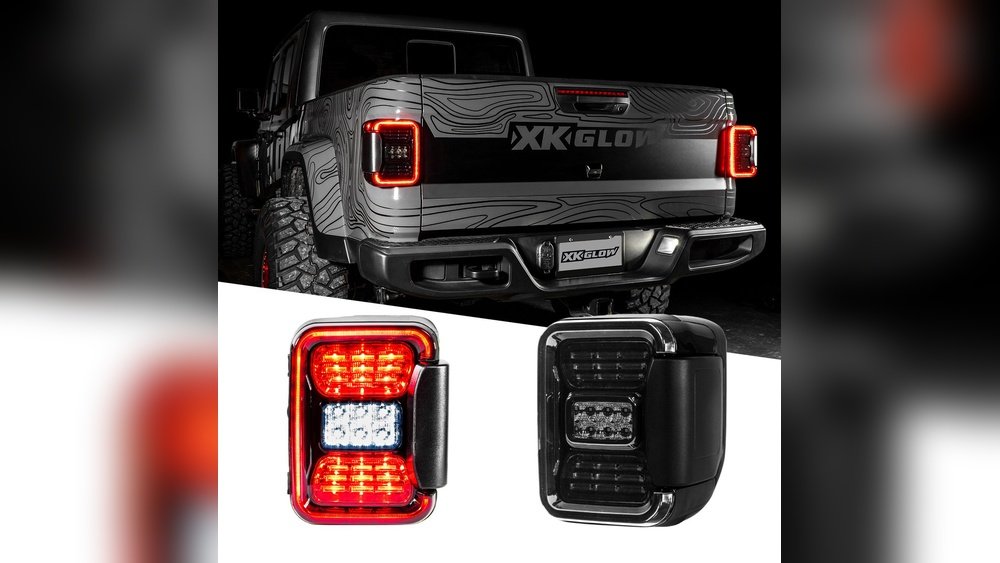
Tail lights are made to be tough, but they face harsh conditions. Jeep vehicles are often used on rough roads, off-road trails, and in wet, muddy environments. This means tail light problems can happen more often than in other cars. Some common causes include:
- Burnt-out bulb: The most frequent reason for a tail light not working.
- Blown fuse: Protects your electrical system but can cut power if overloaded.
- Wiring issues: Wires can become loose, corroded, or broken, especially after off-roading.
- Faulty sockets: The metal contacts inside the socket can corrode.
- Bad tail light assembly: Sometimes, the whole unit fails due to water or impact.
Knowing these causes helps you narrow down where to look first.
Tools Needed For Diagnosis
Before you begin, gather a few basic tools:
- Phillips and flathead screwdrivers
- 10mm socket wrench (common for Jeep tail lights)
- Multimeter or test light
- Replacement bulbs (check your Jeep’s manual for the correct type)
- Electrical contact cleaner
Having these ready will make the process smoother and save time.
Step-by-step Guide To Diagnosing Jeep Tail Light Issues
1. Check The Obvious First
Start by making sure the tail light itself is actually out. Sometimes, you might have a bad connection, or maybe only the brake light or turn signal part is not working.
- Turn on your Jeep and switch on the headlights.
- Walk around the back and check if both tail lights are working.
- Press the brake pedal and check the brake lights.
- Turn on the hazard lights to see if the turn signals work.
If all other lights work except the tail light, you know the problem is specific to that function.
2. Inspect The Bulb
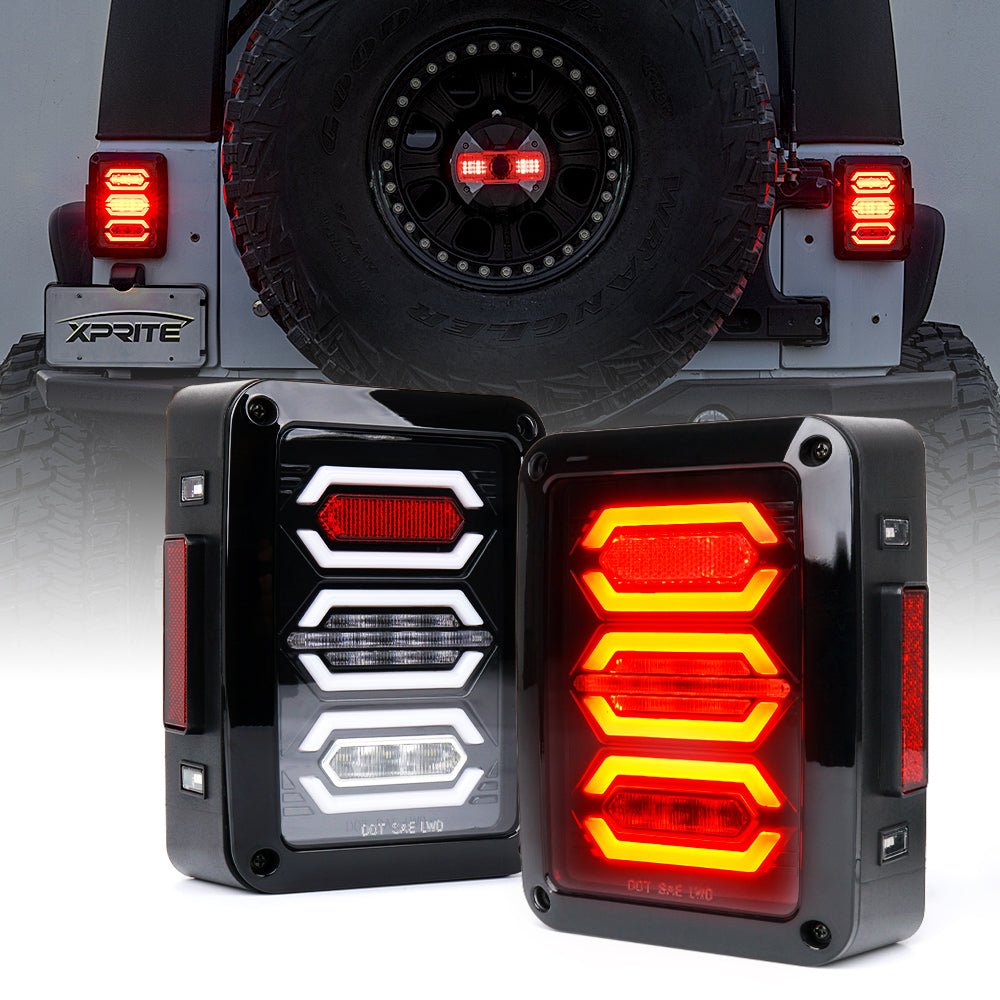
Most Jeep tail lights use a dual-filament bulb (like 3157 or 7443). One filament is for the tail light, the other for the brake/turn signal.
- Open the tail light housing (usually a few screws).
- Remove the bulb and check for dark spots, broken filaments, or corrosion on the base.
- Replace with a new bulb if you see any damage.
Non-obvious insight: Even if the bulb looks fine, swap it with one you know works. Sometimes, bulbs fail internally in ways you can’t see.
3. Check Fuses
Jeep tail lights are protected by fuses in the fuse box under the hood or under the dashboard.
- Find the fuse box and use your manual to locate the tail light fuse.
- Pull the fuse and inspect if the metal strip is broken.
- Replace with a fuse of the same rating if needed.
Pro tip: Some Jeeps have separate fuses for left and right tail lights. Always check both.
4. Test The Socket And Wiring
If the bulb and fuse are good, the next step is to check if power is reaching the socket.
- Turn on the lights.
- Use a multimeter or test light to check for voltage at the socket contacts.
- If there’s no power, check the wiring leading to the tail light for cuts, corrosion, or loose connections.
Hidden issue: After off-roading, mud and water can get into connectors, causing hidden corrosion. Pull apart the connectors and clean with electrical contact cleaner.
5. Inspect The Tail Light Assembly
If everything else checks out but the light still doesn’t work, the tail light assembly itself may be damaged.
- Look for cracks or water inside the lens.
- Check for melted plastic near the bulb holder.
- Replace the assembly if it’s damaged.
6. Compare Left Vs Right Tail Light
If only one side fails, comparing the working side with the broken one can help. Here’s a quick comparison:
| Test | Working Tail Light | Faulty Tail Light |
|---|---|---|
| Bulb Condition | Intact, clear | Dark spots, broken |
| Socket Voltage | 12V present | No voltage |
| Fuse Status | Unbroken | Blown |
| Connector | Clean | Corroded |
Common Jeep Models And Tail Light Setup
Jeep models have different tail light designs. Here’s a quick look at popular models:
| Jeep Model | Tail Light Bulb Type | Fuse Location |
|---|---|---|
| Wrangler JK (2007-2018) | 3157 | Fuse box under hood |
| Cherokee KL (2014+) | LED module | Interior fuse panel |
| Grand Cherokee WK2 | 7443 | Fuse box under hood |
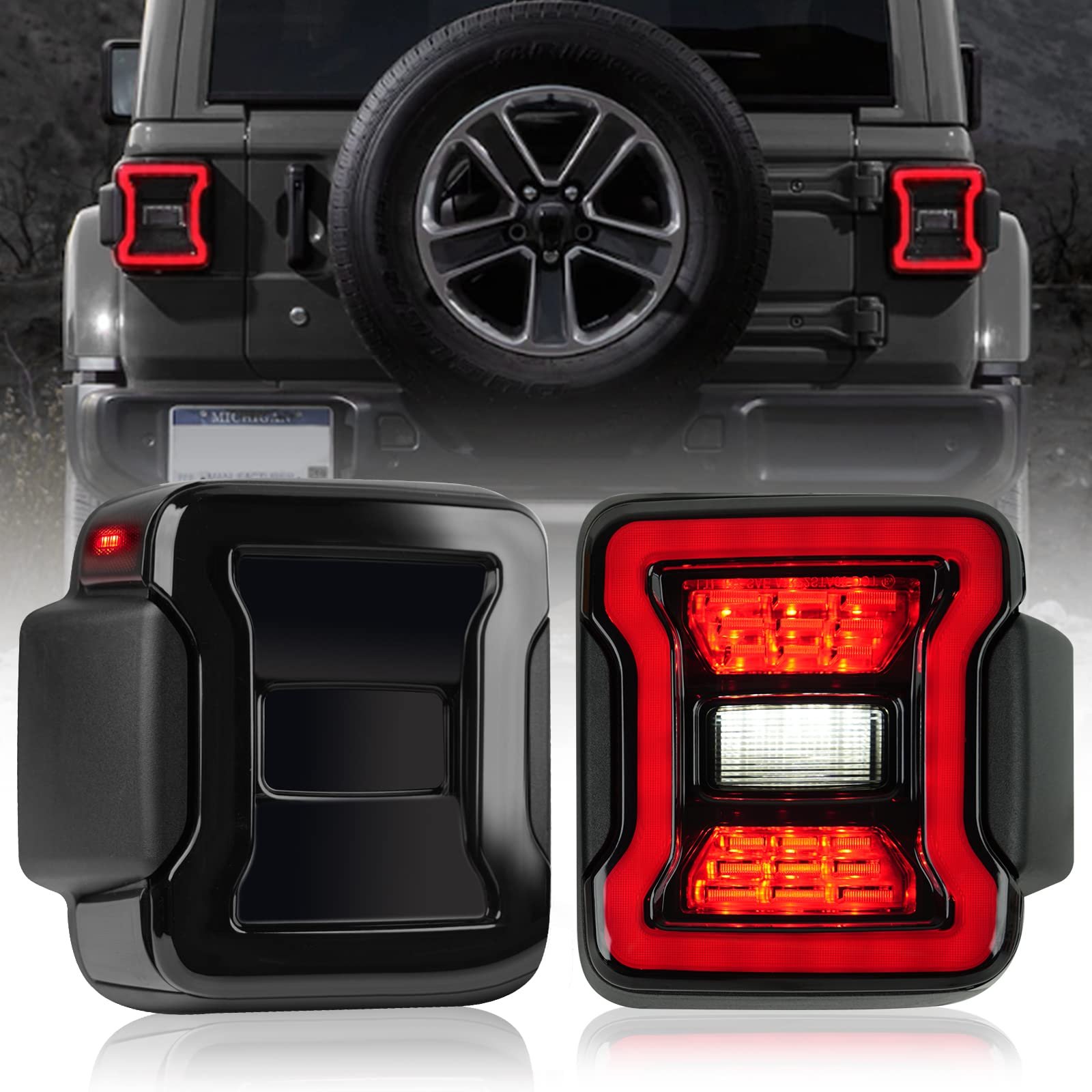
For LED tail lights (newer Jeeps), you can’t replace just the bulb. The whole module might need changing.
Preventing Tail Light Problems
- Regularly check tail lights, especially after off-roading or heavy rain.
- Use dielectric grease on bulb sockets to prevent corrosion.
- Avoid power washing the tail light area directly.
- Replace bulbs and fuses with the correct Jeep-approved type.
Expert tip: For frequent off-roaders, consider upgrading to aftermarket tail lights with better sealing and durability.
When To Seek Professional Help
If you’ve checked bulbs, fuses, and wiring but the tail light still won’t work, the issue may be deeper:
- Faulty body control module (BCM)
- Electrical shorts somewhere in the vehicle
- Complex wiring harness issues
These problems require specialized diagnostic tools and should be checked by a professional mechanic.
Frequently Asked Questions
Why Do My Jeep’s Tail Lights Keep Burning Out?
Frequent bulb failure can be due to poor-quality bulbs, water leaking into the housing, or too much vibration from off-roading. Try using heavy-duty bulbs made for rough conditions.
Can I Use Led Bulbs In My Jeep’s Tail Lights?
Yes, most older Jeeps can use LED replacement bulbs if they fit the socket. However, some models may need a resistor to prevent hyper-flashing or error messages.
My Tail Light Works, But The Brake Light Doesn’t. What’s Wrong?
This usually means a dual-filament bulb has one burnt filament, or the brake light circuit has a fuse or wiring problem. Swap the bulb first to check.
How Much Does It Cost To Fix A Jeep Tail Light?
Replacing a basic bulb can cost $5–$15. A new tail light assembly may cost $50–$150. Dealer repairs for wiring or module problems can be $200 or more. See NHTSA Lighting Guide for safety info.
Do I Need To Disconnect The Battery Before Replacing A Tail Light Bulb?
For most bulb changes, it’s not required. But if you’re working with wiring or LED modules, disconnect the negative battery terminal to avoid short circuits.
Diagnosing your Jeep tail light doesn’t need advanced skills just a careful, step-by-step approach. Start with the basics, check each part, and you’ll usually find the issue quickly.
If not, don’t hesitate to seek professional help to keep your Jeep safe and legal on the road.


















