If you own a Jeep Wrangler, you know that the “Change Oil” light is an important reminder. It helps keep your engine running smoothly and prevents costly repairs. But sometimes, even after you change the oil, the light stays on. This can be confusing and annoying. The good news is, you can reset this light yourself in just a few simple steps—no tools required. In this article, you’ll learn exactly how to clear the change oil light on a Jeep Wrangler, why the light comes on, and what to do if it won’t turn off. You’ll also get answers to common questions, practical tips, and clear comparisons between different Jeep Wrangler models.
Understanding The “change Oil” Light
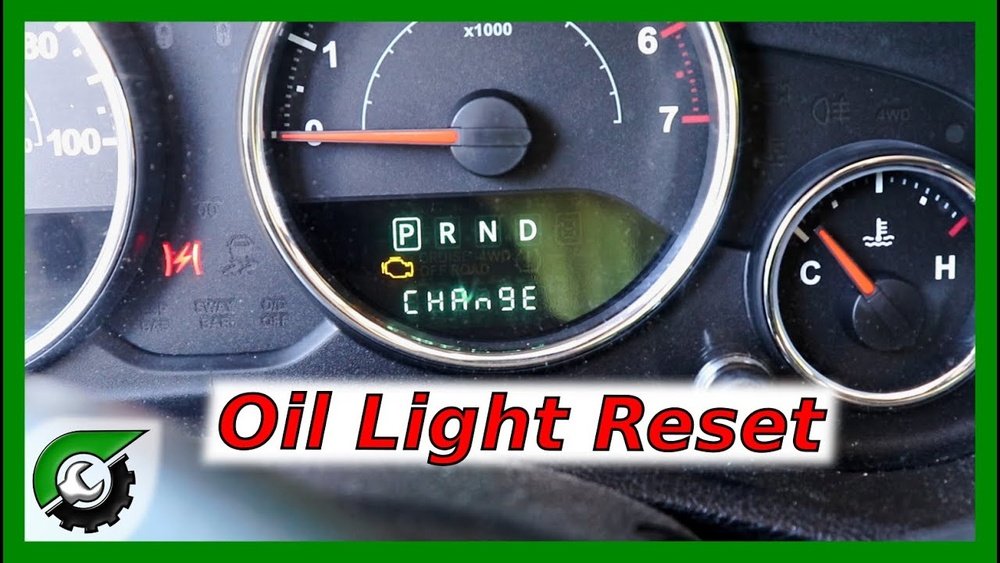
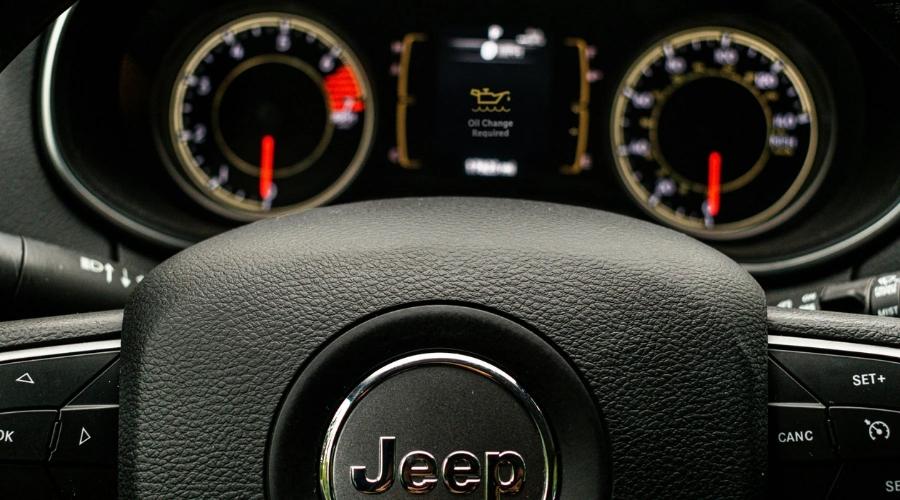
The change oil light is more than just a suggestion. It’s your Jeep’s way of telling you that it’s time for fresh oil, which is vital for engine health. The system tracks oil life based on time, mileage, and engine conditions.
Why Does The Light Come On?
Most Jeep Wranglers use an oil life monitoring system. This system doesn’t actually test the oil; it uses an algorithm based on driving habits, engine temperature, and miles driven. When the system decides the oil is worn, the light comes on. In some cases, it may come on sooner if you drive in tough conditions—like extreme heat, towing, or short trips.
Consequences Of Ignoring The Light
If you ignore the change oil light, your engine could suffer:
- Increased wear and tear
- Poor fuel efficiency
- Higher risk of engine damage
A simple reset after each oil change makes sure your Jeep’s reminders stay accurate.
How To Clear Change Oil Light On Jeep Wrangler
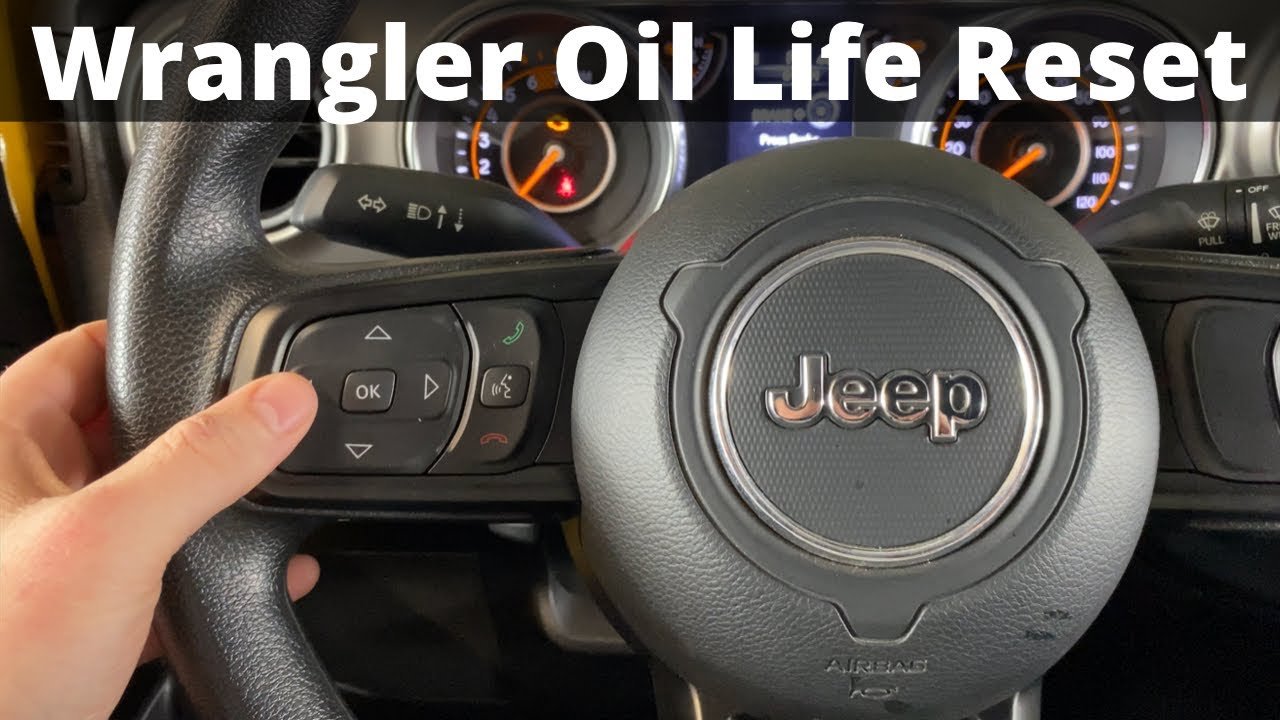
Resetting the change oil light is a straightforward process. Below, you’ll find step-by-step instructions for the most common Jeep Wrangler models: JK (2007–2018), JL (2018–present), and older TJs (before 2007). Each generation has a slightly different method. Make sure you follow the steps for your exact model year.
For Jeep Wrangler Jk (2007–2018)
- Insert the key and turn the ignition to the ON/RUN position (don’t start the engine).
- Fully press the accelerator pedal three times within 10 seconds.
- Turn the ignition back to OFF.
- Wait a few moments, then start the engine to check if the light has cleared.
For Jeep Wrangler Jl (2018–present)
- With the vehicle off, press the Start/Stop button once (don’t start the engine; just turn on the electronics).
- Press the accelerator pedal three times all the way to the floor within 10 seconds.
- Turn the ignition completely off.
- Wait a few seconds, then start the engine to see if the oil light is gone.
For Jeep Wrangler Tj (1997–2006)
Most TJs don’t have a change oil light, but if your model does:
- Turn the ignition key to the ON position (without starting the engine).
- Press the gas pedal slowly three times within 10 seconds.
- Turn the key to OFF and wait a few moments.
Key tip: Press the pedal smoothly but quickly enough to finish in under 10 seconds. If the light doesn’t go away, repeat the steps. Some Jeeps are sensitive to the timing.
Model Comparison: Oil Light Reset Process
Here’s a side-by-side look at the reset process for different Jeep Wrangler generations:
| Model Year | How to Reset | Key Points |
|---|---|---|
| JK (2007–2018) | Ignition ON, press gas pedal 3x, ignition OFF | Use ignition key, do not start engine |
| JL (2018–present) | Push Start/Stop button, press gas pedal 3x, power OFF | Do not start engine, use Start/Stop button |
| TJ (1997–2006) | Ignition ON, press gas pedal 3x, ignition OFF | Not all TJs have oil change light |
Common Mistakes When Resetting The Oil Light
It’s easy to make a small error that keeps the light on. Here are the most frequent mistakes:
- Not turning the ignition to the correct position (just ON, not started)
- Pressing the accelerator too slowly or too quickly
- Not pressing the pedal all the way to the floor
- Waiting too long between steps
If you follow the steps exactly and the light stays on, try again, making sure to press the pedal smoothly and quickly.
What If The Light Still Won’t Turn Off?
Sometimes, the oil change light remains on, even after you reset it. Here’s what you can do:
- Double-check your process. Repeat the reset steps carefully.
- Check for other warning lights. If you see a “Check Engine” or other warning, there could be a different problem.
- Make sure you actually changed the oil. The system doesn’t sense the oil itself, but skipping oil changes can cause engine issues.
- Battery problems. If your battery is weak, the reset might not work.
- Visit a mechanic. If nothing works, there could be a sensor or dashboard issue.
Non-obvious insight: Sometimes, aftermarket remote starters or key fobs can interfere with the reset process. Try using your main key or remove any aftermarket electronics before resetting.
Tips For Maintaining Your Jeep Wrangler’s Oil System
Keeping your oil change reminders working well is part of overall Jeep care. Here are smart ways to avoid issues:
- Use quality oil and filters. Cheap oil breaks down faster, causing the light to come on sooner.
- Change oil on time. Even if you don’t drive much, change the oil at least once a year.
- Record your oil changes. Write down the date and mileage. This helps if you ever sell your Jeep or need warranty repairs.
- Monitor other fluids. Sometimes, a “change oil” message can be confused with other alerts. Check your owner’s manual for what each dashboard symbol means.
When Should You Change Your Jeep’s Oil?
Most Jeep Wranglers recommend an oil change every 5,000 to 7,500 miles. But conditions matter:
- If you tow, drive off-road, or do lots of short trips, change oil every 3,000–5,000 miles.
- For synthetic oil, you can usually wait longer—up to 10,000 miles if you do mostly highway driving.
Check your owner’s manual for your Jeep’s specific needs. Here’s a quick comparison of oil change intervals:
| Driving Condition | Recommended Interval | Oil Type |
|---|---|---|
| Normal driving | 5,000–7,500 miles | Conventional or synthetic |
| Severe (off-road, towing) | 3,000–5,000 miles | Prefer synthetic |
| Highway only | 7,500–10,000 miles | Synthetic |
Non-obvious insight: Even if you rarely drive your Jeep, oil can break down due to age, not just miles. Don’t skip the yearly oil change.
Understanding Jeep Wrangler Dashboard Lights
The “change oil” light is just one of many dashboard reminders. It’s important to know the difference:
- Oil Pressure Light: Looks like an oil can. Means your oil pressure is low—stop the engine!
- Check Engine Light: Indicates engine or emissions problems.
- Maintenance Required: General reminder for other services.
If you’re ever unsure, check your Jeep’s manual or ask a professional. Here’s a quick reference for common dashboard lights:
| Light Symbol | Meaning | Action Needed |
|---|---|---|
| Oil can | Oil pressure low | Stop, check oil level |
| “Change Oil” | Oil change due | Change oil, reset light |
| Check Engine | Engine/emissions issue | Get diagnosis soon |
| Battery | Charging problem | Check battery/alternator |
Should You Reset The Light Without Changing Oil?
It might be tempting to simply turn off the reminder and skip the oil change. This is a bad idea. Resetting the light without actually changing the oil can:
- Shorten engine life
- Void warranties
- Hide real maintenance needs
Always change the oil before resetting the light. If you’re unsure when the last change was, it’s safer to do it early.
Why Your Jeep Wrangler Needs Timely Oil Changes
Oil lubricates, cools, and cleans your engine. Over time, oil gets dirty and loses its effectiveness.
Modern engines run hot and tight, so fresh oil is even more important than in older vehicles.
Fact: According to the U.S. Department of Energy, regular oil changes can improve fuel efficiency by up to 2%. Over a year, that can mean real savings on gas.
Neglecting oil changes can cause:
- Sludge build-up
- Overheating
- Costly repairs (even engine failure)
A $40 oil change can save thousands in repairs later.
The Role Of Service Records
Keeping clear service records isn’t just for your peace of mind. It helps when selling your Jeep or making warranty claims. Write down:
- Date and mileage of each oil change
- Type of oil and filter used
- Any maintenance done
Many Jeep owners use an app or a small notebook in the glove box. This habit pays off if you ever need proof of maintenance.
Advanced Troubleshooting: When The Reset Fails
In rare cases, the oil change light may stay on due to deeper problems:
- Faulty instrument cluster: Sometimes, the dashboard itself has issues.
- Software glitches: On newer Jeeps, a software update may be needed.
- Wiring or sensor faults: Damaged wiring can prevent a proper reset.
If simple resets fail, a dealership or trusted mechanic can scan the computer for error codes. This is not common, but it’s good to know if you’ve tried everything else.
Getting Professional Help
If you’re uncomfortable with any step, or if the oil light won’t reset after several tries, don’t hesitate to seek help. Most shops can reset the light in minutes. If you need more details, the official Jeep website offers step-by-step owner resources: Jeep Support.
Frequently Asked Questions
How Often Should I Reset The Change Oil Light On My Jeep Wrangler?
Reset the oil change light only after every oil change. Do not reset it without changing the oil, as this could lead to engine damage.
Can I Drive With The Change Oil Light On?
You can drive a short distance, but don’t ignore the light for long. It means your oil life is low.
Change the oil soon to avoid engine problems.
Will Disconnecting The Battery Reset The Oil Change Light?
No, disconnecting the battery usually does not reset the oil change light on modern Jeep Wranglers. Use the pedal method for a proper reset.
What Type Of Oil Should I Use In My Jeep Wrangler?
Check your owner’s manual. Most newer Wranglers use 5W-20 or 0W-20 synthetic oil. Always choose oil that meets Jeep’s specifications for your engine type.
Does The Oil Light Reset Automatically After An Oil Change?
No, you must manually reset the oil change light using the steps outlined above. The system will not recognize a change unless you reset it.
Taking care of the change oil light is simple but important. It’s one of the best ways to keep your Jeep Wrangler reliable, efficient, and ready for any adventure.
With the steps and insights above, you can handle this task confidently and avoid costly mistakes.