Owning a Jeep with a soft top is all about freedom, adventure, and enjoying the open road. But if you want your Jeep to look its best and last for years, you need to keep that soft top clean and protected.
Dirt, sun, mildew, and road salt can damage the material, leaving it faded or cracked. Many Jeep owners make simple cleaning mistakes that shorten their top’s lifespan.
Here’s a practical guide to cleaning your Jeep soft top the right way, so it stays looking sharp for every drive.
Why Regular Cleaning Matters
A soft top isn’t just for looks—it protects you from sun, rain, and dust. But it’s made of fabric or vinyl, which are more sensitive than hard tops. Without proper care, you might see:
- Fading from UV rays
- Stains from bird droppings, tree sap, or mud
- Mildew in humid climates
- Cracks and leaks as the material dries out
Regular cleaning helps stop these problems before they start. Jeep experts recommend washing your soft top at least once a month, or after every off-road adventure.
What You Need To Clean A Jeep Soft Top
Before you start, gather these supplies:
- Soft bristle brush (never wire or hard plastic)
- Microfiber towels for drying
- Mild car soap (pH neutral, without bleach or ammonia)
- Bucket of clean water
- Vinyl or fabric cleaner (match your top’s material)
- Protectant spray for UV protection
- Vacuum (for fabric tops)
- Garden hose with gentle spray
Never use harsh chemicals, laundry detergent, or household glass cleaners. These can damage the material or cloud the windows.
Quick Comparison: Fabric Vs Vinyl Tops
Understanding your top’s material is important. Here’s a simple comparison:
| Feature | Fabric Soft Top | Vinyl Soft Top |
|---|---|---|
| Feel | Cloth-like, textured | Smooth, plastic-like |
| Cleaning needs | Gentle soap, fabric cleaner | Vinyl-safe cleaner |
| Common problems | Mildew, fading | Cracking, yellowing |
Check your Jeep’s manual if you’re unsure which type you have.
Step-by-step: How To Clean Your Jeep Soft Top
Follow these steps for a thorough clean:
- Rinse Away Loose Dirt
- Use a gentle water spray to wet the top and remove loose debris.
- Don’t use high pressure—it can tear seams or force water inside.
- Wash With Mild Soap
- Mix car soap with water in a bucket.
- Dip a soft brush in the solution and lightly scrub the top in small circles.
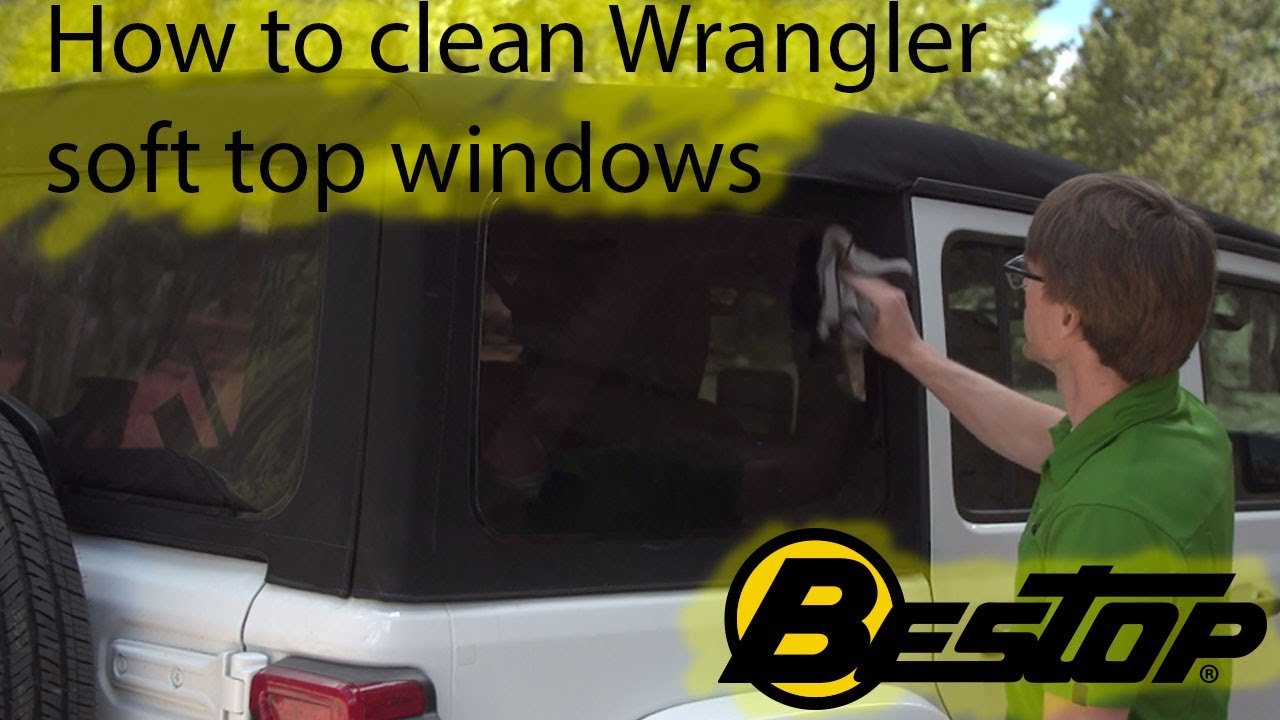
- For windows, use only a clean microfiber cloth and water. No brushes!
- Tackle Tough Stains
- For sticky spots like sap or bird droppings, apply fabric or vinyl cleaner.
- Let it sit for a minute, then gently scrub.
- Avoid using sharp tools or scraping.
- Rinse Thoroughly
- Remove all soap with clean water. Leftover soap can attract more dirt.
- Dry Carefully
- Pat the top dry with microfiber towels. Air drying is fine, but don’t fold the top when wet—it could cause mildew.
- Apply Protectant
- Once dry, spray a UV protectant made for your material.
- Wipe evenly with a clean towel.
- This step helps prevent fading and cracking.
Sample Cleaning Schedule
Here’s a schedule to help you plan routine care:
| Action | Frequency |
|---|---|
| Quick rinse | Weekly or after off-roading |
| Full wash | Monthly |
| Apply protectant | Every 2-3 months |
| Deep clean (stains/mildew) | As needed |
Window Care: Avoiding Scratches And Haze
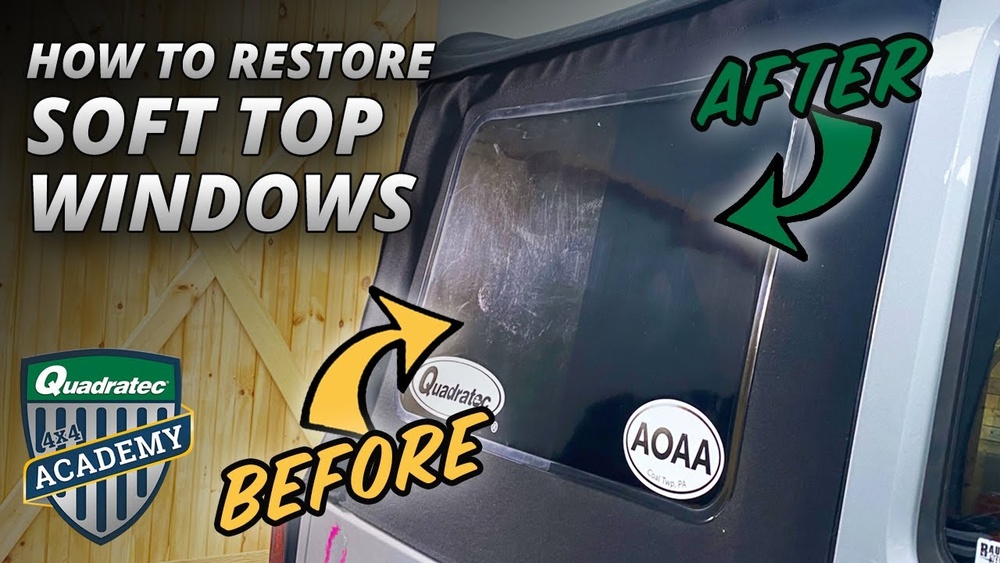
The plastic windows on Jeep soft tops are easy to scratch. Here’s what many beginners miss:
- Only use clean, soft cloths. Even a small grain of sand can leave marks.
- Never use household window cleaners; they contain ammonia which can cloud plastic.
- For haze, try a plastic polish made for convertible windows.
If you store your Jeep with the windows down, keep them flat and separated by a towel.
Common Mistakes To Avoid
Even experienced Jeep owners sometimes make these errors:
- Using car washes with brushes – These can scratch windows and damage seams.
- Letting dirt build up – Grit can work into the fabric or vinyl, making stains harder to remove.
- Skipping UV protection – Sun damage is the number one cause of early soft top aging.
- Folding the top when wet – Traps moisture, leading to mildew and odor.
- Cleaning in direct sunlight – Soap dries too fast, leaving streaks.
Paying attention to these details can add years to your soft top’s life.
Extra Tips For Long-lasting Results
- Park in the shade or use a cover when possible.
- Check for small tears or loose seams during cleaning. Early repair prevents bigger problems.
- For stubborn mildew, mix one cup of water with one tablespoon of white vinegar, apply, then rinse well.
- If you live near the ocean, rinse the top often to remove salty air residue.

Product Choices: What Works Best?
Not all cleaners are equal. Look for products specifically made for convertible soft tops. Leading brands include Bestop, 303 Products, and Mopar. Always test a small area first.
Here’s a quick look at product types:
| Product Type | Purpose | Safe For |
|---|---|---|
| pH-neutral car soap | General cleaning | All tops |
| Fabric/vinyl cleaner | Stain removal | Specific material |
| UV protectant | Sun protection | All tops |
| Plastic polish | Window clarity | Plastic windows |
For more technical care tips, Jeep’s official guide at Jeep.com is a reliable source.
Taking the time to clean and protect your Jeep soft top means it will look good and perform well for years. It’s an investment in both your vehicle’s value and your driving enjoyment.
With the right steps, you’ll avoid costly repairs and keep your Jeep ready for the next adventure.
Frequently Asked Questions
How Often Should I Clean My Jeep Soft Top?
At least once a month, or more often if you drive off-road or park under trees. Quick rinses every week help prevent heavy buildup.
What Should I Avoid When Cleaning The Soft Top?
Never use harsh chemicals, stiff brushes, or car washes with rollers. Avoid folding the top when wet to prevent mildew.
Can I Use Regular Glass Cleaner On The Windows?
No. Regular glass cleaner contains ammonia, which can cloud or crack plastic windows. Use a cleaner made for convertible windows.
What’s The Best Way To Remove Mildew?
Mix one tablespoon of white vinegar with one cup of water. Gently apply with a soft cloth, then rinse well.
Will Cleaning Help Prevent Leaks?
Yes. Removing dirt helps you spot small tears or worn seals early.
Applying protectant also keeps the material flexible and less likely to crack.