If your 2009 Jeep Wrangler feels sluggish, idles rough, or struggles with poor fuel economy, a dirty fuel system could be the cause. Over time, gasoline leaves behind deposits inside the fuel injectors, lines, and intake valves.
These buildups can hurt engine performance and lead to expensive repairs if ignored.
Cleaning the fuel system regularly helps your Jeep run smoother, last longer, and perform at its best.
Why Clean Your 2009 Jeep Wrangler’s Fuel System?
Modern engines, including the one in your 2009 Jeep Wrangler, rely on a precise fuel-air mix. Even small amounts of dirt, varnish, or carbon can disrupt this balance. Common symptoms of a dirty fuel system include:
- Reduced acceleration
- Hard starts
- Check engine light
- Knocking or pinging sounds
- Lower miles per gallon (MPG)
Cleaning the fuel system removes these blockages, restoring lost power and improving efficiency. It’s also a preventive measure cleaning now can save you from costly repairs later.
Tools And Products You’ll Need
Before getting started, gather these items:
- Fuel system cleaner (top brands include Chevron Techron, Sea Foam, or STP)
- Gloves and safety glasses
- New fuel filter (optional, but recommended)
- Socket set and screwdrivers
- Rags or paper towels
- Gasoline container (if draining the tank)
Not all cleaners are the same. Check your owner’s manual or ask at an auto parts store for a fuel cleaner safe for your Jeep’s engine.
Step-by-step: How To Clean The Fuel System
Cleaning your 2009 Jeep Wrangler’s fuel system can be done at home in a few hours. These steps cover both basic and deeper cleaning methods.
1. Add A Fuel System Cleaner To The Tank
This is the easiest way to clean minor deposits.
- Choose a high-quality cleaner designed for gasoline engines.
- Pour the recommended amount into a nearly empty gas tank.
- Fill the tank with fresh gasoline to mix the cleaner.
- Drive for at least 30 minutes at highway speed.
This method cleans injectors, valves, and the fuel line as you drive.
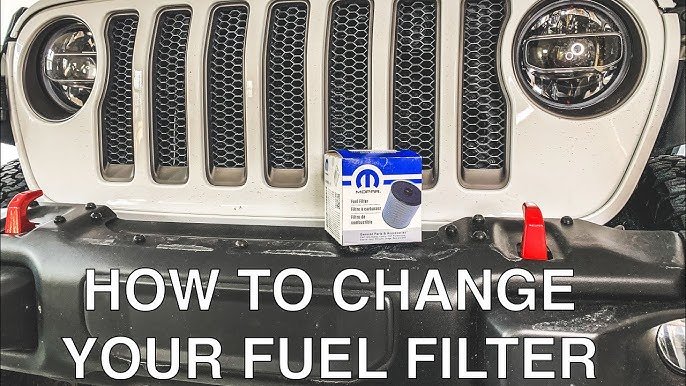
2. Replace The Fuel Filter
A clogged fuel filter restricts fuel flow, even after using a cleaner.
- Locate the filter under the Jeep (usually near the fuel tank).
- Relieve fuel system pressure by removing the gas cap.
- Disconnect the battery for safety.
- Use the correct tools to remove the old filter.
- Install the new filter, making sure it’s facing the right way.
- Reconnect everything and check for leaks.
Changing the filter ensures only clean fuel reaches the engine.
3. Clean The Fuel Injectors Directly
If you still notice problems, consider direct injector cleaning.
- Buy a pressurized injector cleaning kit (available at most auto stores).
- Follow the kit instructions—usually, this means disconnecting the fuel pump and running the engine on the cleaner for 5–10 minutes.
- Reconnect the pump and run the engine with fresh fuel.
Direct cleaning removes stubborn deposits that tank additives can’t reach.
How Often Should You Clean The Fuel System?
For most drivers, cleaning the fuel system every 15,000–20,000 miles is enough. If you drive in dusty areas, use low-quality gas, or often idle your engine, consider cleaning more often. Replacing the fuel filter every 30,000 miles is a good rule.
Comparison: Types Of Fuel System Cleaners
To help you pick the right cleaner for your Jeep, here’s a quick comparison of popular brands:
| Brand | Main Ingredient | Effectiveness | Price Range |
|---|---|---|---|
| Chevron Techron | Polyetheramine (PEA) | High | $$ |
| Sea Foam | Petroleum blend | Medium | $ |
| STP Fuel System Cleaner | Detergent mix | Medium | $ |
Polyetheramine (PEA) cleaners are best for tough carbon and varnish, while others are good for routine maintenance.
Common Mistakes And How To Avoid Them
Many owners make these mistakes when cleaning their Jeep’s fuel system:
- Using the wrong cleaner: Always use products made for gasoline engines—not diesel.
- Skipping the fuel filter: Old filters trap dirt and make cleaning less effective.
- Ignoring symptoms: If your Jeep still runs rough after cleaning, there might be a deeper problem, like a failing fuel pump.
- Overusing additives: Too much cleaner can damage sensors or the catalytic converter.
A smart tip: always check for leaks after working on the fuel system, and test drive your Jeep to be sure everything feels right.

Signs The Fuel System Needs Cleaning
Watch for these signs that it’s time to clean your 2009 Jeep Wrangler’s fuel system:
| Symptom | Possible Cause |
|---|---|
| Poor acceleration | Dirty injectors or filter |
| Rough idle | Clogged fuel lines |
| Hard starting | Low fuel pressure |
| Check engine light | Sensor or injector issues |
If cleaning doesn’t fix these, consider getting a professional diagnosis.
Extra Tips For Better Results
- Always use top-tier gasoline to reduce deposit buildup.
- Keep your air filter clean—dirty air can mix with fuel and cause more deposits.
- Don’t ignore the owner’s manual; follow its advice for fuel system maintenance.
- If you’re unsure, it’s safer to get help from a certified mechanic.
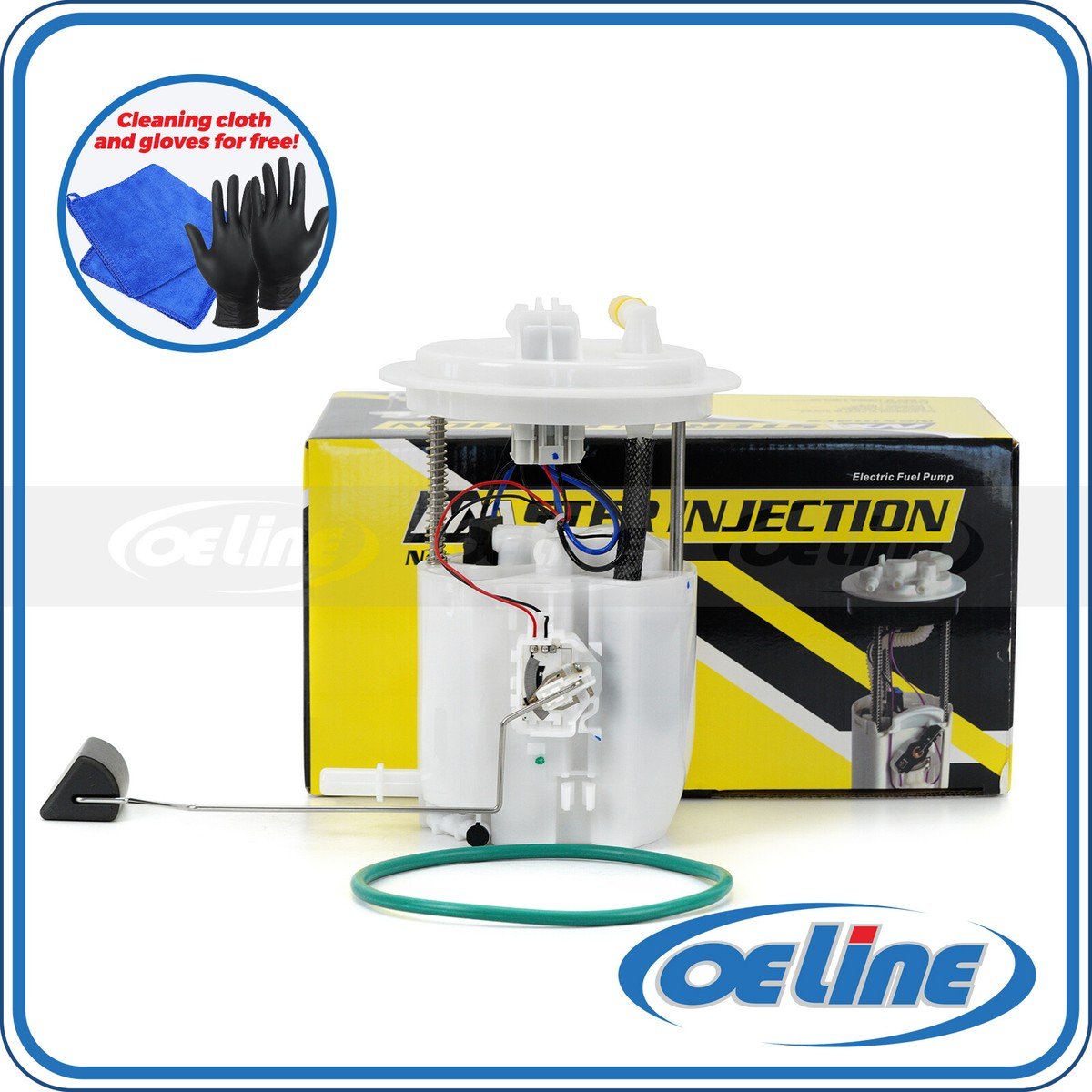
A little effort now can prevent big engine problems later. For more technical details, see the official Fuel Injection resource.
Frequently Asked Questions
How Long Does It Take To Clean The Fuel System?
For a basic cleaner added to the tank, the process takes just a few minutes to add, but you should drive for at least 30 minutes to let it work. Direct injector cleaning or replacing the filter may take 1 2 hours.
Is Cleaning The Fuel System Safe For My Jeep?
Yes, as long as you use a cleaner designed for gasoline engines and follow the instructions. Avoid using too much or too often, as this can cause problems.
Can I Clean The Fuel System Without Removing Parts?
Yes, using a fuel system cleaner in the tank is simple and doesn’t require taking anything apart. However, for severe problems, direct cleaning or filter replacement is better.
Will Cleaning Fix A Check Engine Light?
If the light is due to dirty injectors or a clogged filter, cleaning may help. If not, you’ll need a diagnostic scan to find the real cause.
How Can I Tell If The Cleaner Is Working?
You should notice smoother acceleration, better idle, and possibly improved gas mileage within a week of cleaning. If nothing changes, deeper cleaning or repair may be needed.
Taking care of your 2009 Jeep Wrangler’s fuel system is an easy way to keep your engine reliable and performing well. With the right products and a little attention, you’ll enjoy more miles and fewer headaches on the road.