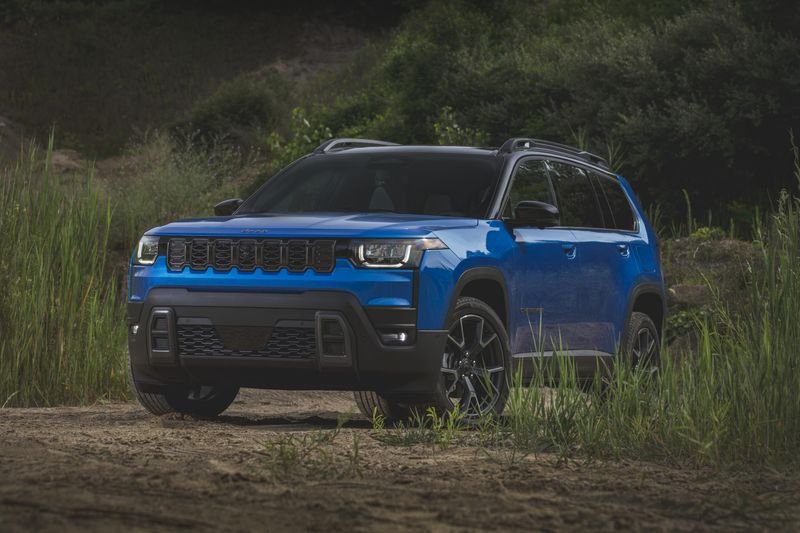
Owning a 2014 Jeep Compass comes with the responsibility of regular maintenance. One essential task is checking the transmission fluid. Transmission fluid keeps your car shifting smoothly, prevents overheating, and protects internal parts. Neglecting this fluid can lead to costly repairs, rough shifting, or even transmission failure. Many Compass owners are surprised to find that checking this fluid is a bit different from older cars. This guide breaks down the process step-by-step, offers practical tips, and answers common questions to help you keep your Jeep running strong.
Why Transmission Fluid Matters
The transmission is like the heart of your Jeep’s drivetrain. Inside, there are moving gears that need lubrication and cooling. Transmission fluid does both jobs. Over time, this fluid can get dirty, lose its effectiveness, or leak out. Low or old fluid can cause jerky shifting, strange noises, or a burning smell. In some cases, ignoring it can damage the whole transmission.
A 2014 Jeep Compass uses a CVT (Continuously Variable Transmission) in most models, which is sensitive to fluid quality and level. Unlike older vehicles, this Jeep does not have a traditional dipstick under the hood. This makes checking the fluid a bit more technical, but it’s still possible for a careful owner or a skilled DIY enthusiast.
Tools And Supplies You’ll Need
Before you start, gather the following:
- Socket set (usually 10mm or 13mm)
- Rag or shop towel
- Funnel
- Transmission fluid (Check your owner’s manual for the specific type—usually Mopar CVT+4)
- Car jack and stands (if you need more clearance)
- Gloves and eye protection
Most importantly, always work on a flat, level surface and allow the engine to fully cool before starting.
Step-by-step: How To Check Transmission Fluid
1. Warm Up The Vehicle
Start your Jeep Compass and let it run for about 10 minutes. The engine and transmission should be at operating temperature, as fluid expands when warm. Shift through all the gears (P, R, N, D) while your foot is on the brake to circulate the fluid.
2. Locate The Transmission Fluid Cap
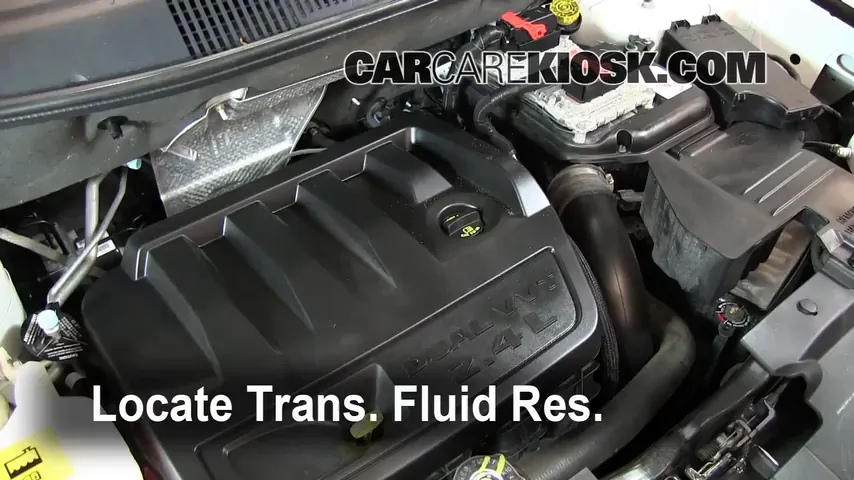
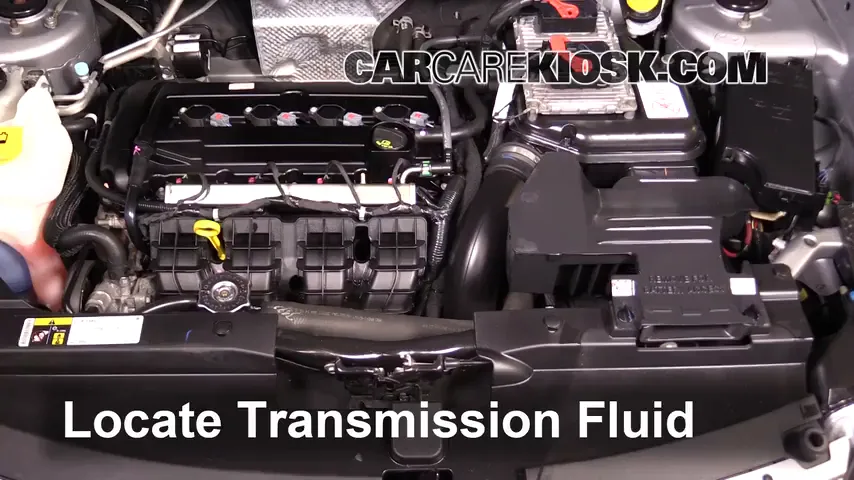
Turn off the engine. Open the hood and find the transmission fluid fill plug. In most 2014 Compass models, it’s located on the top or side of the transmission case, not marked with a dipstick. It’s usually a black or gray plastic cap.
3. Lift The Vehicle (if Needed)
If your Jeep sits too low, carefully jack up the front of the car and secure it with jack stands. Never rely only on the jack it’s not safe.
Make sure the vehicle is stable before crawling underneath.
4. Remove The Fill Plug
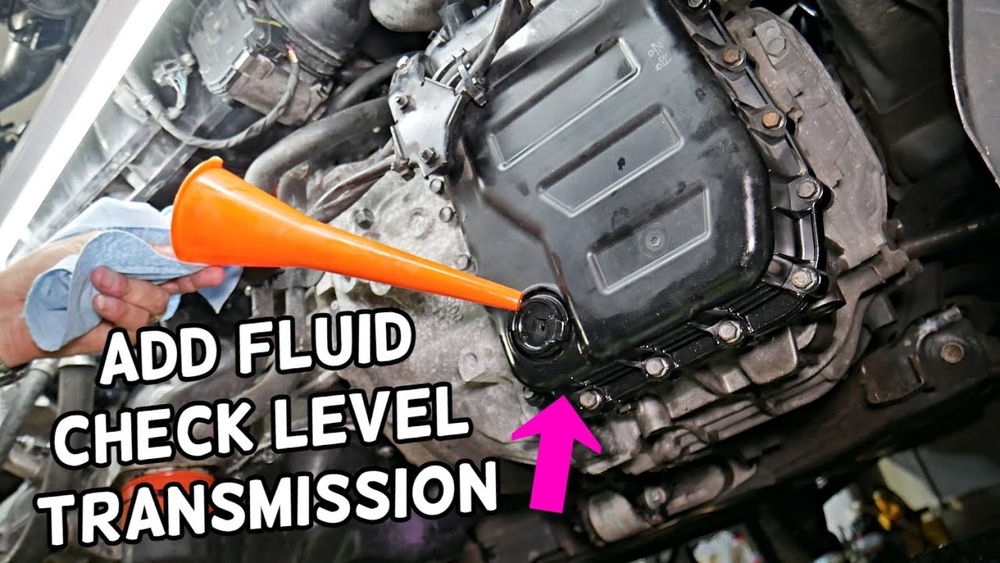
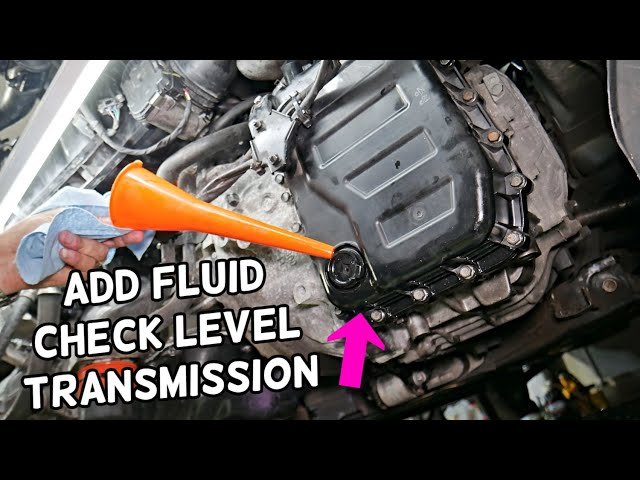
Using your socket set, unscrew the fill plug. Be ready with a rag in case a little fluid drips out.
Never remove the plug while the engine is running or hot; let it cool down to avoid burns.
5. Check The Fluid Level
Insert a clean, long zip tie or a special transmission dipstick (sold at dealerships or auto stores) into the fill hole. Remove it and check the fluid:
- The fluid should be at or just below the bottom of the fill hole.
- It should appear red or pink, not brown or black.
- If you see dark or burnt-smelling fluid, it’s time for a change.
If the level is low, add fluid a little at a time using a funnel. Do not overfill too much fluid can cause foaming and shifting problems.
6. Replace The Fill Plug
Screw the fill plug back tightly. Double-check for leaks or drips.
7. Test Drive
Start your Jeep and take a short test drive. Listen for unusual noises and make sure the shifting feels smooth.
If you added fluid, check under the car afterward to ensure there are no leaks.
Transmission Fluid Data And Tips
Here’s a quick look at some key details for the 2014 Jeep Compass transmission:
| Spec | Detail |
|---|---|
| Fluid Type | Mopar CVT+4 (or equivalent) |
| Capacity | 6.6 quarts (total fill) |
| Check Interval | Every 60,000 miles |
| Normal Color | Red or pink |
Signs Of Low Or Bad Transmission Fluid
- Slipping gears
- Delayed or hard shifts
- Unusual noises (whining, grinding)
- Fluid leaks under the vehicle
- Burning smell
If you notice these symptoms, check the fluid as soon as possible.
Common Mistakes To Avoid
- Checking cold – Always check when fluid is warm, not cold.
- Using wrong fluid – Only use the recommended Mopar CVT+4 or equivalent.
- Overfilling – Too much fluid can damage the transmission.
- Skipping intervals – Don’t wait until there’s a problem. Stick to the schedule.
- Forgetting safety – Use jack stands, gloves, and eye protection.
Most beginners miss that CVT transmissions are extra sensitive. Even a small amount of wrong fluid can cause big problems. Also, some shops may not have the right tools, so always confirm before paying for service.
Diy Or Mechanic?
If you’re comfortable with basic tools and safety steps, you can check the fluid yourself. If you’re unsure, or if you notice metal shavings or a burnt smell, have a certified mechanic inspect it.
CVT transmissions are complex, and mistakes can be costly.
For more details and diagrams, check the official Jeep maintenance guide at Jeep Owners Manual.
Quick Comparison: Traditional Vs. Cvt Fluid Check
| Traditional Automatic | 2014 Jeep Compass CVT |
|---|---|
| Has dipstick under hood | No dipstick; uses fill plug |
| Quick level check | Requires warm-up and tool |
| Fluid: ATF+4 or Dexron | Fluid: Mopar CVT+4 |
Frequently Asked Questions
How Often Should I Check The Transmission Fluid?
Check the fluid every 6 months or 6,000 miles, whichever comes first. If you drive in heavy traffic or hot weather, check more often.
Can I Use Regular Atf In My Jeep Compass?
No. Regular ATF can harm a CVT transmission. Always use Mopar CVT+4 or the exact fluid listed in your manual.
What If The Fluid Is Brown Or Smells Burnt?
This means the fluid is worn out or overheating. Change it right away, and have the transmission checked for damage.
Is It Normal For Fluid To Drip Out When I Remove The Fill Plug?
A small drip is normal if the level is correct. If fluid pours out, there may be too much in the transmission.
Do All 2014 Jeep Compass Models Have A Cvt?
Most do, but some have a 6-speed automatic. The checking process is similar, but always confirm your transmission type before starting.
Checking your 2014 Jeep Compass transmission fluid is a key part of keeping your SUV healthy. It might take a little more effort than older cars, but the peace of mind and savings are worth it. Stick to your maintenance schedule, use the right fluid, and your Jeep will reward you with smooth drives for years to come.