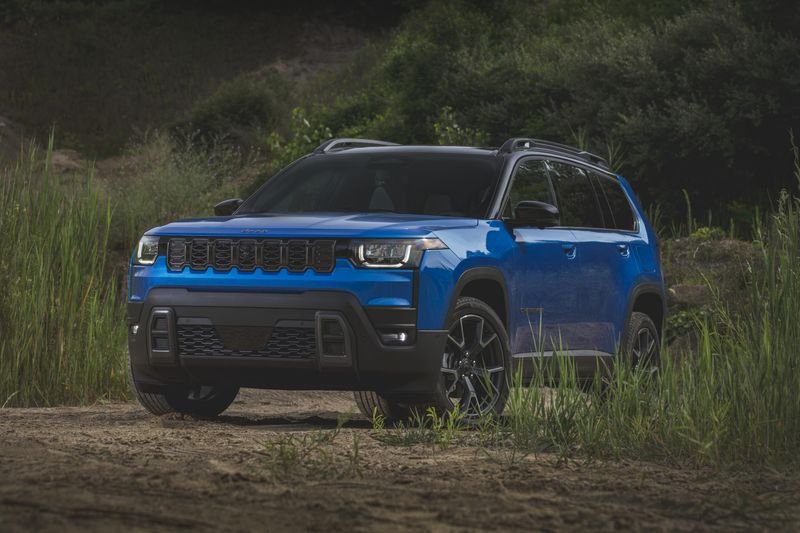
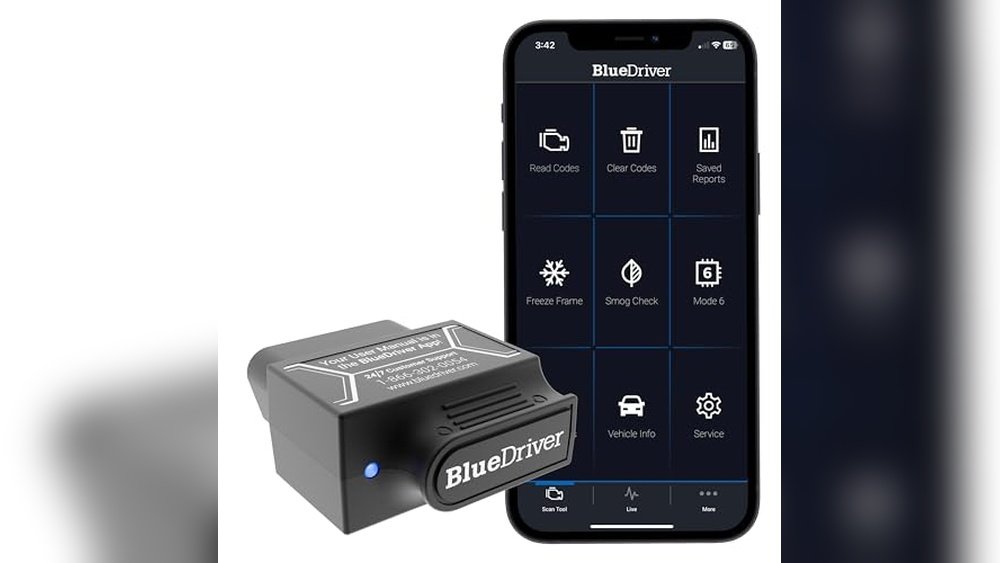
If you drive a 2006 Jeep Grand Cherokee, keeping your transmission fluid in good condition is essential for a smooth ride. Many drivers forget this basic maintenance step, but checking transmission fluid is simple and can help prevent costly repairs. You don’t need to be a mechanic or have special tools; you just need to know the right steps and a few practical tips. This guide will walk you through the process, explain why it matters, and help you avoid mistakes that many beginners make.
Why Transmission Fluid Matters
Your Jeep’s transmission fluid does more than just lubricate parts. It cools the transmission, helps with gear shifts, and protects against wear. If the fluid level gets too low or dirty, your 2006 Grand Cherokee may experience hard shifting, slipping, or even transmission failure. According to automotive studies, most transmission failures are linked to poor fluid maintenance. Keeping the fluid checked and changed regularly can extend your transmission’s life by up to 50%.
Many people don’t realize that transmission fluid also helps clean the transmission by carrying away small particles and contaminants. Over time, these particles can build up if the fluid isn’t changed, leading to clogged filters and sticky valves.
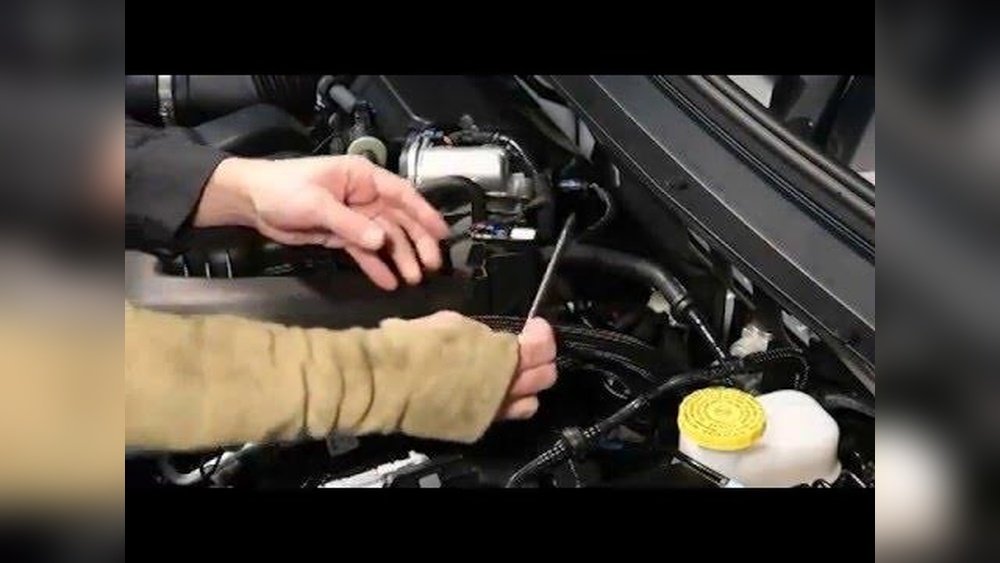
When the transmission runs with old or low fluid, friction increases, causing heat buildup and faster wear of internal parts.
Even if your Jeep feels fine, hidden problems can develop if you skip fluid checks.
Transmission repairs are some of the most expensive fixes for any vehicle. Replacing a damaged transmission can cost as much as $3,000 to $5,000, often more than the vehicle’s value.
Regular fluid checks are cheap insurance against these costly problems.
A few minutes of care every few months can save you major headaches and expenses.
Preparing To Check Transmission Fluid
Before you start, make sure you’re prepared. Here’s what you’ll need:
- Clean rag or paper towel
- Transmission fluid (if you need to top up)
- Owner’s manual (for reference)
- Proper lighting (if checking in a dim area)
Always park your Jeep on a level surface. This ensures an accurate reading.
Also, set the parking brake and let the engine idle for a few minutes. The transmission fluid expands when warm, so checking it cold can give a false reading.
It’s best to wear gloves if you have them, as transmission fluid can be slippery and sometimes irritate sensitive skin. If you’re new to car maintenance, have your phone or a flashlight ready for extra light.
Make sure you have enough space to work comfortably around the engine bay.
It’s also a good idea to keep some paper towels handy for cleaning up any spills.
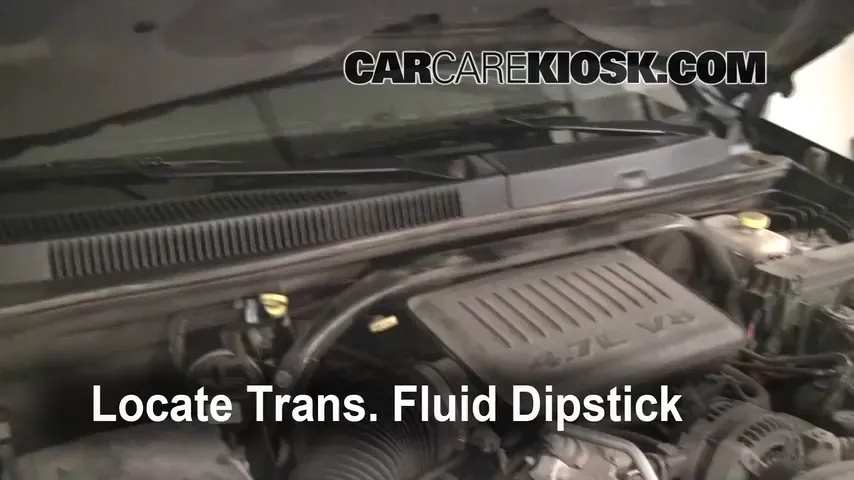
Step-by-step: Checking Transmission Fluid
Follow these steps for the 2006 Jeep Grand Cherokee:
1. Warm Up The Engine
Start your Jeep and let it run for about 5-10 minutes. Fluid needs to circulate and reach normal operating temperature.
Driving for a short distance before checking can also help, especially if the weather is cold.
2. Shift Through Gears
With your foot on the brake, move the gear selector through all positions (Park, Reverse, Neutral, Drive, etc. ), then leave it in Park.
This ensures fluid has reached all parts of the transmission and gives a true reading.
3. Open The Hood
Pull the hood release inside your Jeep, then lift the hood and secure it. Make sure the hood is locked in place before you start working.
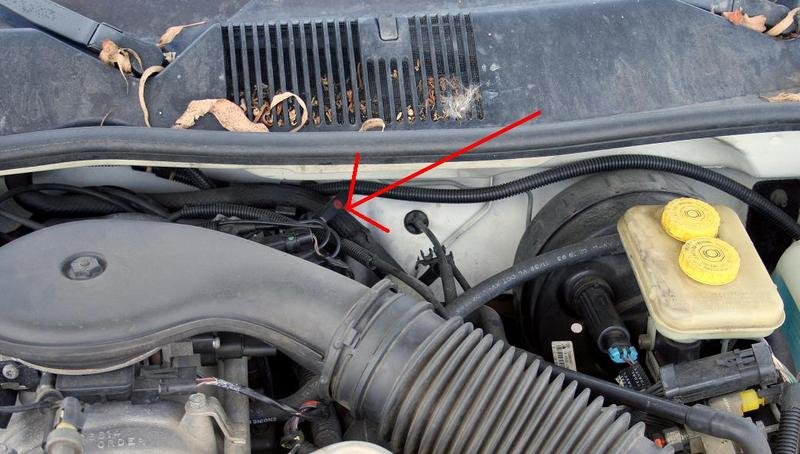
4. Locate The Dipstick
The transmission dipstick is usually found near the back of the engine bay. On the 2006 Grand Cherokee, it’s labeled and has a loop handle. If you’re not sure, check your owner’s manual for a diagram.
5. Remove The Dipstick
Pull out the dipstick and wipe it clean with your rag. This removes old fluid and debris.
Cleaning the dipstick is important, as leftover fluid can give a false high reading.
6. Reinsert And Remove Again
Put the dipstick back in fully, then remove it again. This second reading is the most accurate.
Make sure the dipstick is seated all the way down when you check.
7. Check Fluid Level
Look at the markings on the dipstick. There are “Full” and “Add” marks.
Fluid should be between these lines, not above or below. If it’s right at or below the “Add” line, top up as needed.
8. Check Fluid Condition
Examine the fluid’s color and smell. Healthy fluid is pinkish-red and smells slightly sweet. If it’s dark brown or smells burnt, it’s time for a change. If you see metal flakes or bubbles, this could signal bigger problems.
9. Add Fluid If Needed
If the level is low, use a funnel to add the recommended transmission fluid. Pour slowly, checking the level often.
Adding a little at a time helps prevent overfilling, which is a common beginner mistake.
10. Replace Dipstick And Close Hood
Secure everything and close the hood properly. Double-check that the dipstick is seated and the hood is latched before driving.
A helpful tip: use a white paper towel to check fluid color. The white background makes it easier to see if the fluid is clean or dark. If you spill, wipe up right away—transmission fluid is slippery and can stain driveways.
Choosing The Right Transmission Fluid
Not all fluids are equal. For your 2006 Jeep Grand Cherokee, use ATF+4 automatic transmission fluid. Using the wrong type can cause shifting problems and damage. According to the manufacturer, ATF+4 fluid meets strict requirements for durability and performance.
Here’s a quick comparison between common fluids:
| Fluid Type | Color | Compatibility | Price (Quart) |
|---|---|---|---|
| ATF+4 | Pinkish-Red | Chrysler/Jeep | $7-$10 |
| Dexron III | Red | GM vehicles | $5-$8 |
| Mercon V | Red | Ford vehicles | $6-$9 |
Always check your owner’s manual to confirm fluid type. Adding the wrong fluid can void your warranty and lead to expensive repairs.
It’s worth noting that some auto parts stores sell “universal” fluids. These might claim to work for all vehicles but often lack the special additives your Jeep’s transmission needs.
Sticking with genuine ATF+4 or a certified equivalent is the safest choice.
Common Mistakes When Checking Transmission Fluid
Many owners make errors that can lead to inaccurate readings or damage. Avoid these:
- Checking when cold: Fluid expands when hot. If you check cold, you may overfill.
- Using wrong fluid: Only use ATF+4 for your Jeep.
- Overfilling: Too much fluid can cause foaming and shifting issues.
- Ignoring dirty fluid: If fluid is dark or smells burnt, change it soon.
- Not wiping dipstick: Always clean before each reading for accuracy.
Another mistake is checking fluid on a hill or uneven surface. This can make the reading too high or low, leading to incorrect adjustments.
Also, if you’ve recently changed or repaired your transmission, check the fluid more often for a while small leaks can develop after service.
Some beginners forget to check for leaks after topping up. Always look under your Jeep for fresh spots or drips after adding fluid.
If you find any, get them fixed quickly before bigger problems start.
Signs Of Low Or Bad Transmission Fluid
Your Jeep will give you warnings if fluid is low or dirty. Watch for these symptoms:
- Delayed shifting
- Slipping gears
- Grinding noises
- Unusual smells
- Transmission warning light
If you notice any of these, check your fluid immediately. Ignoring the problem can lead to transmission failure, which can cost over $3000 to repair.
Another sign is if your Jeep lurches or hesitates when you accelerate. This often means the transmission isn’t getting enough fluid pressure.
In some cases, you might hear whining or humming noises when driving, especially at higher speeds. These sounds often get louder as the fluid problem gets worse.
If you notice a pool of red or brown fluid under your parked Jeep, that’s a sign of an active leak. Even small leaks can lower fluid levels over time, causing big problems if not fixed.
How Often Should You Check And Change Transmission Fluid?
For the 2006 Grand Cherokee, Jeep recommends checking fluid every 3,000 to 5,000 miles. Change the fluid every 30,000 to 60,000 miles under normal driving. If you tow heavy loads or drive in extreme conditions, check and change more often.
Here’s a quick schedule:
| Condition | Check Interval | Change Interval |
|---|---|---|
| Normal driving | 3,000-5,000 miles | 30,000-60,000 miles |
| Towing/off-road | 2,000-3,000 miles | 20,000-30,000 miles |
| Extreme weather | 2,000-3,000 miles | 20,000-30,000 miles |
If you often drive in stop-and-go city traffic or up steep hills, check your fluid more frequently. City driving makes the transmission work harder, heating up the fluid and breaking it down faster.
After driving through deep water, it’s wise to check the fluid, since water can sometimes get into the system and contaminate it.
Practical Tips For Beginners
- Keep a log: Write down fluid check dates and levels. It helps spot changes early.
- Buy extra fluid: Always have a quart of ATF+4 handy.
- Check after long trips: Heat and stress can affect fluid level.
- Get help for leaks: If you see fluid under your Jeep, get it checked. Leaks often mean seals or hoses need attention.
- Don’t mix fluids: Mixing brands or types can cause problems.
Many beginners don’t realize that even a small leak can lower fluid enough to cause shifting issues. Also, fluid can degrade faster in hot climates, so check more often if you live in a warm area.
A useful trick: if you’re unsure about the fluid’s condition, dab a drop on a white napkin and let it spread out. Healthy fluid stays mostly red with no dark center. If you see a dark center spot, it’s time to change the fluid.
Try to check fluid at the same time and place each month this gives you more consistent readings. And if you ever smell something strange after a long drive, don’t ignore it burnt transmission fluid means it’s time for a change.
Comparing Diy Vs Professional Service
You can check and top up fluid yourself, but some tasks are best left to experts. Here’s a simple comparison:
| Task | DIY | Professional |
|---|---|---|
| Fluid check | Easy, takes 10 minutes | Usually included in routine service |
| Fluid top-up | Simple, low cost | Done during service, may cost more |
| Fluid change | Requires tools, messy | Done quickly, includes filter change |
| Leak repair | Difficult, needs experience | Best for experts, warranty safe |
If you’re unsure about leaks or fluid changes, visit a certified Jeep mechanic. They have the tools and expertise to handle complex issues.
Professionals can also spot early warning signs you might miss, such as subtle leaks or worn seals. Getting a full transmission service every couple of years is a smart investment if you want peace of mind.
Some shops also offer fluid analysis, which checks for tiny metal particles an early sign of internal wear.
Frequently Asked Questions
How Do I Know If My Transmission Fluid Is Low?
Look for signs like delayed shifting, slipping gears, and the transmission warning light. Also, check the fluid level with the dipstick. If it’s below the “Add” mark, add fluid.
What Type Of Transmission Fluid Should I Use For My 2006 Jeep Grand Cherokee?
Always use ATF+4 automatic transmission fluid. Using other types can cause damage and void your warranty. Check your owner’s manual for details.
How Often Should I Check My Transmission Fluid?
Check every 3,000 to 5,000 miles for normal driving. If you tow or drive in extreme conditions, check more often. Keeping a log helps track changes.
Can I Drive If My Transmission Fluid Is Low?
It’s risky. Low fluid can cause hard shifting and damage. Add fluid as soon as possible. If you notice leaks or strange noises, get your Jeep checked by a mechanic.
What Should I Do If The Fluid Is Dark Or Smells Burnt?
This means your fluid is dirty and needs to be changed. Schedule a transmission service soon.
Dirty fluid can cause serious transmission problems and reduce lifespan.
Keeping your 2006 Jeep Grand Cherokee running smoothly starts with basic checks like transmission fluid. This simple task can save you money, prevent breakdowns, and help your Jeep last longer. If you want more information about vehicle maintenance, check out the official Jeep Owner’s Manual for your model. Regular checks, using the right fluid, and avoiding common mistakes will keep your Jeep’s transmission healthy for years to come.