Taking care of your Jeep Renegade means paying attention to every detail—even the things you rarely think about, like power steering fluid. If your steering suddenly feels heavy or makes strange noises, the problem might be as simple as low fluid. Checking it yourself can save money and prevent bigger repairs later. Many drivers, especially those new to car maintenance, feel unsure about these checks. But with the right steps, you can do it easily and confidently.
This guide will explain, in simple words, how to check power steering fluid in a Jeep Renegade. You’ll learn why it matters, what tools you need, step-by-step instructions, and practical tips to avoid mistakes.
By the end, you’ll feel ready to handle this important task even if you’re not an expert with cars.
Why Power Steering Fluid Matters
Power steering makes turning the wheel smooth and easy. The power steering fluid acts like a helper. It lets the steering system move smoothly, without making you work hard. When the fluid level is low, the steering feels heavy or jerky. Ignoring low fluid can damage expensive parts like the steering pump or rack and pinion.
In some cases, running out of fluid can lead to a total loss of steering assistance. For safety, check the fluid regularly at least every few months, or if you notice a change in how your Jeep Renegade steers.
Does The Jeep Renegade Use Power Steering Fluid?
Here’s something many owners miss: newer Jeep Renegade models (2015 and later) use electric power steering (EPS) instead of the old hydraulic system. This means there is usually no power steering fluid to check or refill in these vehicles. Electric motors handle the steering assistance, so you won’t find a fluid reservoir under the hood.
However, some older or special versions might use a hydraulic system, especially in markets outside the US or with unique options. It’s important to know what your Jeep has before you look for the fluid.
How To Check If Your Renegade Needs Power Steering Fluid
- Open the owner’s manual. Look for “power steering” or “fluid.”
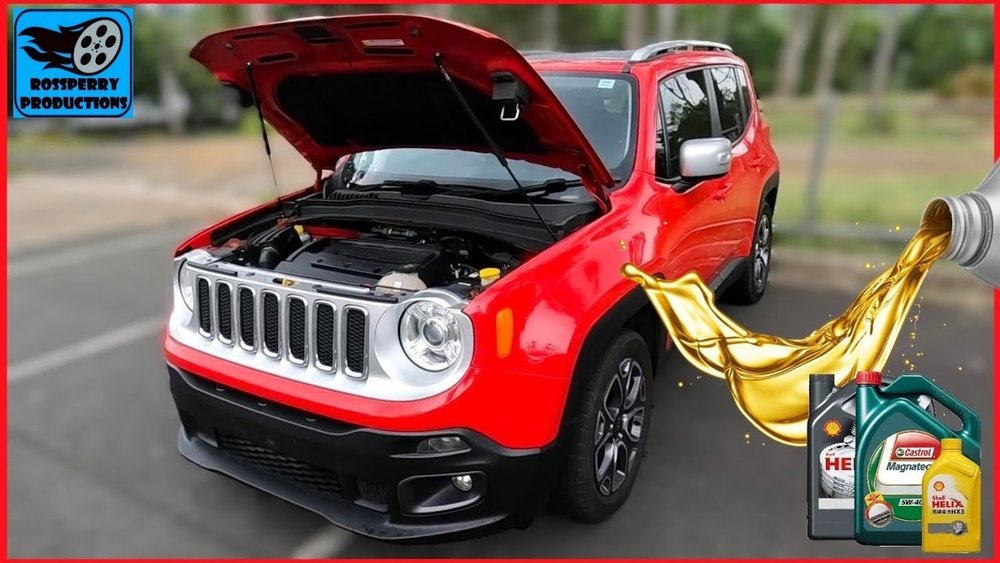
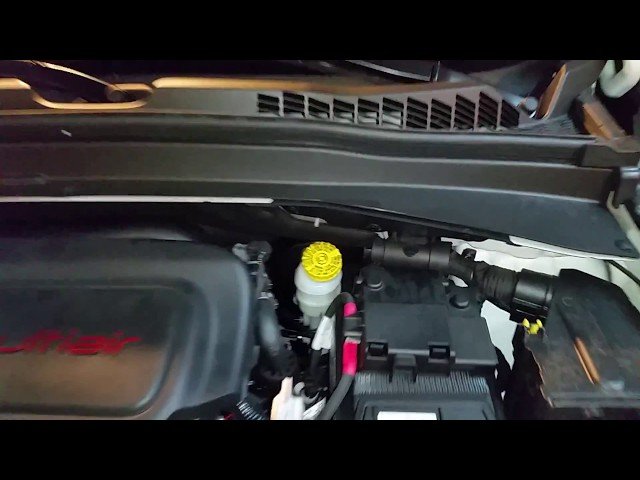
- Look under your hood for a power steering fluid reservoir. It’s usually a small, round or rectangular container with a cap labeled “Power Steering.”
- If you don’t see it, or if the manual says “Electric Power Steering,” your model doesn’t use fluid.
Non-obvious tip: Many people waste time searching for a reservoir that’s not there. Always check your manual first.
Tools And Supplies Needed
Checking power steering fluid is simple, but you’ll want to have:
- A clean rag or paper towel
- A flashlight (if working in a dim garage)
- Your Jeep Renegade’s owner’s manual
- If you need to add fluid: The correct type of power steering fluid (see manual for specifications)
- Gloves (optional, to keep hands clean)
Note: Using the wrong fluid can damage your system. Always double-check before buying or adding any.
Where To Find The Power Steering Fluid Reservoir
If your Renegade uses hydraulic power steering, the reservoir is usually on the passenger side of the engine bay, close to the firewall. The cap will often be black and labeled with a steering wheel symbol or “Power Steering.
” On some models, it might look like a small bottle with high/low marks on the side.
If you have trouble finding it:
- Use a flashlight to check hidden spots near the engine.
- Look for hoses connected to the steering system.
- Ask your dealership or a trusted mechanic if you’re unsure.
Step-by-step: How To Check Power Steering Fluid
If your Jeep Renegade has a hydraulic system, follow these steps carefully:
1. Park On Level Ground
Always park your Jeep on a flat surface. This ensures the fluid level reading is accurate.
2. Turn Off The Engine
Wait for the engine to cool down. Hot engines can burn you, and hot fluid expands, leading to a false reading.
3. Open The Hood
Pull the hood release lever inside your Jeep, then secure the hood open with the prop rod.
4. Find The Reservoir
Locate the power steering fluid reservoir as described above. Wipe off any dirt around the cap.
5. Remove The Cap
Twist the cap counterclockwise. Some caps have a small dipstick attached underneath.
- Check the Fluid Level
- If there’s a dipstick, pull it out, wipe it clean, reinsert, and pull out again.
- If the reservoir is see-through, look for “MIN” and “MAX” lines on the side.
- Check the Fluid Color
Healthy fluid is usually red or pink. Brown or black fluid means it’s dirty and may need changing.
8. Add Fluid If Needed
If the level is below “MIN,” add small amounts of the correct fluid. Don’t overfill stop when you reach “MAX. ”
9. Secure The Cap
Replace the cap tightly. Wipe any spilled fluid.
10. Start The Engine
Turn the steering wheel from side to side. This circulates the fluid.
Turn off the engine, then recheck the level. Top off if needed.
Example: Fluid Level Reading
If the fluid sits just below the “MIN” line, add fluid in small amounts, checking often. Do not fill above the “MAX” line.
Fluid Types: What’s Safe For Your Jeep Renegade
Using the wrong fluid is a common mistake. Jeep often recommends a synthetic power steering fluid like Mopar MS-11655 or equivalent. Always confirm with your manual. If you’re not sure, ask your Jeep dealer for advice.
Below is a helpful comparison of common fluid types:
| Fluid Type | Color | Main Use | Compatible with Renegade? |
|---|---|---|---|
| Mopar MS-11655 | Red | Chrysler/Jeep | Yes (if hydraulic) |
| ATF+4 | Red | Transmission/Steering | Maybe (check manual) |
| Generic PSF | Pale yellow | Universal | No (unless approved) |
Non-obvious tip: Some fluids can mix safely, but others can cause leaks or noise. When in doubt, flush the system before switching types.
Signs Your Power Steering Fluid Needs Attention
Even if you check regularly, watch for these warning signs:
- Whining or groaning noises when turning the wheel
- Stiff or jerky steering
- Fluid leaks under the vehicle (usually red or pink)
- Low fluid level despite topping up (could mean a leak)
If you notice any of these, check the fluid as soon as possible. Ongoing problems may mean you need a repair, not just a top-up.
How Often Should You Check Or Change Power Steering Fluid?
For most Jeep Renegades with hydraulic systems, check the fluid every 3,000 to 5,000 miles or at every oil change. If you drive in tough conditions (lots of dust, extreme heat, or cold), check more often. Even if the fluid looks fine, consider changing it every 50,000 miles or as recommended by Jeep.
Electric power steering systems (most Renegades) do not require fluid checks. Instead, watch for warning lights or messages on your dashboard.
Common Mistakes To Avoid
- Looking for a reservoir when your Jeep doesn’t have one.
Many owners waste time searching. Confirm your system type first.
2. Using The Wrong Fluid.
Even a small amount of incorrect fluid can damage seals and pumps.
3. Overfilling The Reservoir.
Too much fluid can cause leaks and steering problems.
4. Checking Fluid While The Engine Is Hot Or Running.
This can give a false reading and cause burns.
5. Ignoring Leaks.
If you keep losing fluid, you may have a leak that needs fixing.
6. Forgetting To Clean The Reservoir Area Before Opening.
Dirt can fall into the system and cause problems.
Cost And Time: What To Expect
Checking power steering fluid takes about 5–10 minutes for most people. If you need to add fluid, it may take a few extra minutes. The cost of fluid is low—usually $10–$20 per bottle. If you need professional help, a shop may charge $25–$50 just to check and top up, not including repairs.
Here’s a quick summary:
| Action | Time Needed | Cost (DIY) | Cost (Mechanic) |
|---|---|---|---|
| Check Fluid | 5–10 min | $0 | $25–$50 |
| Add Fluid | 5 min | $10–$20 | $30–$70 |
| Flush/Replace Fluid | 30–60 min | $20–$50 | $100–$150 |
Insight: Many car owners pay for a full flush when a simple top-up is enough. Only flush if the fluid is dirty or old.

When To Visit A Mechanic
If your Jeep Renegade has electric power steering, you shouldn’t need to check or add fluid. If you see a steering warning light, hear strange noises, or feel stiff steering, see a professional. For hydraulic systems, go to a mechanic if:
- You find metal flakes or foam in the fluid (possible system damage)
- The fluid keeps going low (likely a leak)
- Steering feels unsafe, even after adding fluid
Trying to fix leaks or replace pumps at home is not recommended unless you have experience.
Extra Tips For First-time Diyers
- Take a photo of your engine bay before starting. This helps you remember where everything goes.
- Keep the area clean—wipe spills quickly to avoid slippery spots.
- If you spill fluid on paint, wash it off; power steering fluid can damage car paint.
- Never mix fluids unless the manual says it’s safe.
- Record the date and mileage each time you check fluid. This helps track changes and spot leaks early.
More Resources
For official Jeep maintenance schedules and fluid details, visit the Jeep Maintenance Guide.
Frequently Asked Questions
Can All Jeep Renegade Models Use Power Steering Fluid?
No. Most Jeep Renegade models from 2015 onward use electric power steering, which does not need fluid. Only some older or special versions may use hydraulic fluid. Always check your manual.
What Happens If I Use The Wrong Power Steering Fluid?
Using the wrong fluid can cause leaks, noise, and steering problems. In some cases, it damages seals and parts, leading to expensive repairs. Always use the fluid type recommended in your manual.
How Do I Know If My Power Steering Fluid Is Bad?
Bad fluid often changes color (turns brown or black), smells burnt, or has particles floating in it. Dirty or old fluid can make steering noisy or stiff. Replace it if you notice these signs.
My Steering Feels Heavy, But The Fluid Level Is Fine. What Should I Do?
If your Jeep has electric power steering, or if the fluid level is okay but the steering still feels heavy, there could be a problem with the steering pump, electric motor, or steering rack. Visit a mechanic for a full check.
Where Can I Learn More About Jeep Renegade Maintenance?
Your best source is the official owner’s manual or the Jeep Maintenance Guide. You can also find helpful advice on car forums and trusted auto repair websites.
Staying on top of your Jeep Renegade’s power steering system gives you peace of mind. With these simple steps, you can handle basic checks and catch problems early keeping your ride smooth, safe, and fun to drive.