Checking the transmission fluid in your Jeep JK is more than just a routine task—it’s a key part of keeping your vehicle running smoothly. Many Jeep JK owners don’t realize that transmission fluid affects not only shifting and performance but also the long-term health of your transmission. If you’re new to vehicle maintenance, you might feel unsure or intimidated. But with the right approach, checking transmission fluid is straightforward and can save you from costly repairs.
Let’s explore how to check Jeep JK transmission fluid step by step, along with practical advice, common mistakes, and expert tips. You’ll also find tables and FAQs for clarity, so you finish this article feeling confident and ready.
Why Transmission Fluid Matters For Jeep Jk
Transmission fluid does more than lubricate. It’s responsible for cooling, cleaning, and protecting your transmission components. In the Jeep JK—especially the 2007–2018 models—proper transmission fluid levels help prevent overheating, rough shifting, and internal damage.
A healthy transmission fluid:
- Ensures smooth gear changes
- Prevents friction and wear
- Keeps the transmission temperature stable
If fluid is low or dirty, your Jeep JK may show symptoms like slipping gears, delayed shifting, or strange noises. Ignoring these signs can lead to expensive repairs, sometimes costing over $2,000 to rebuild or replace the transmission.
What You Need Before Checking
Before you start, make sure you have the following items:
- Clean rag or paper towels
- Latex gloves (optional, but recommended)
- Proper transmission fluid (for topping up, if needed)
- Owner’s manual (for reference)
- Flashlight (helpful in low light)
For most Jeep JKs, the recommended fluid is ATF+4. Always check your owner’s manual for the exact type and amount.
Jeep Jk Transmission Types: Know Your Model
The process depends on your Jeep JK’s transmission type. Here’s a quick guide:
| Year | Transmission Type | Dipstick Present? | Fluid Type |
|---|---|---|---|
| 2007–2011 | 4-speed automatic (42RLE) | Yes | ATF+4 |
| 2012–2018 | 5-speed automatic (W5A580) | No | ATF+4 |
| All years | Manual | No | Gear oil |
Most automatic models before 2012 have a dipstick. Later models and manuals do not, so the process is slightly different.
Step-by-step: How To Check Jeep Jk Transmission Fluid
1. Warm Up Your Jeep
Transmission fluid expands with heat. Always check it when the vehicle is warm and running. Start your Jeep, let it idle for 10–15 minutes, and drive around the block if possible. This ensures fluid is at the correct level and temperature.
2. Park On A Level Surface
A flat surface is critical for accurate readings. Parking on a slope can cause the fluid to pool on one side, giving false results.
3. Open The Hood And Locate The Dipstick
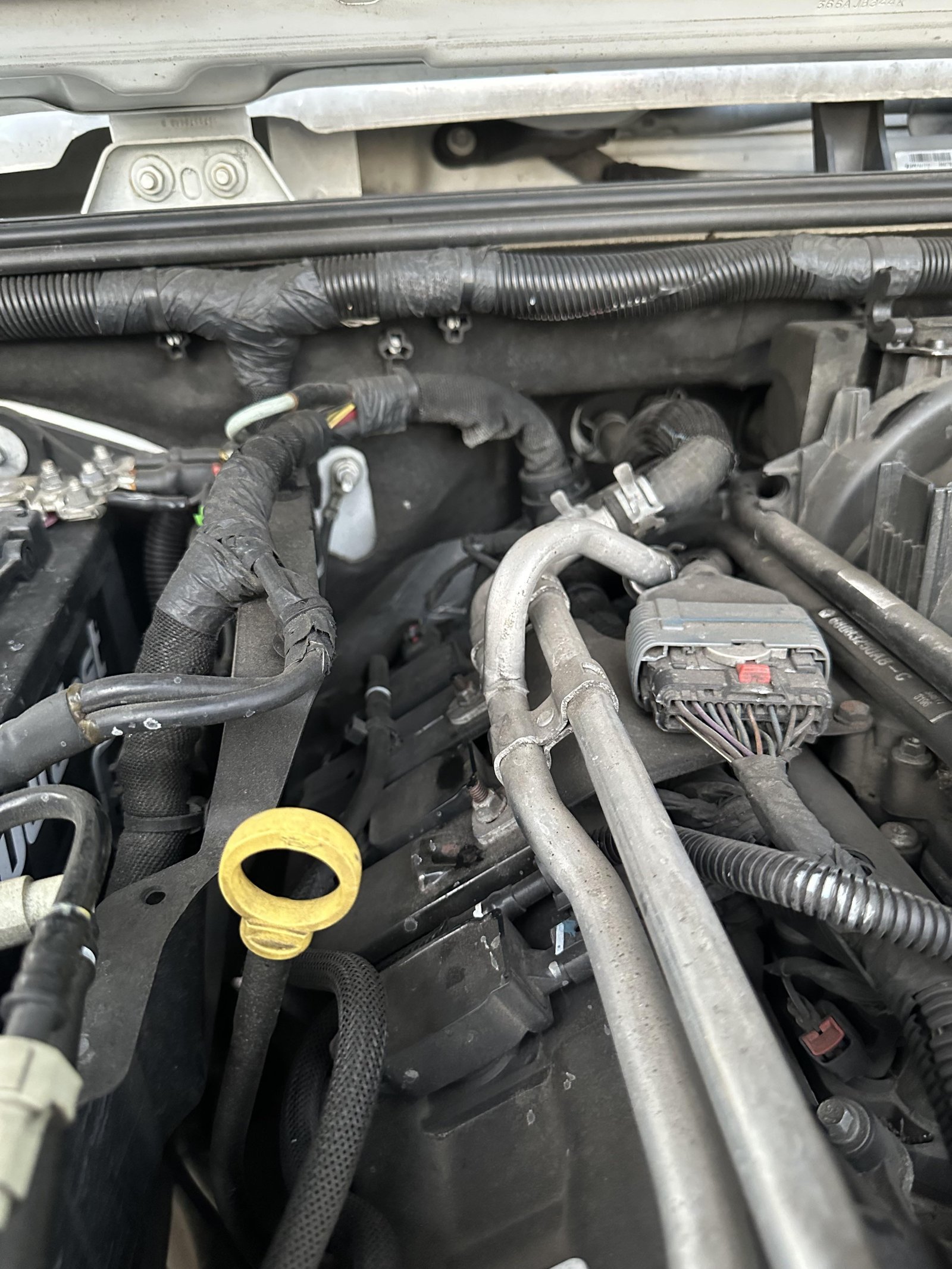
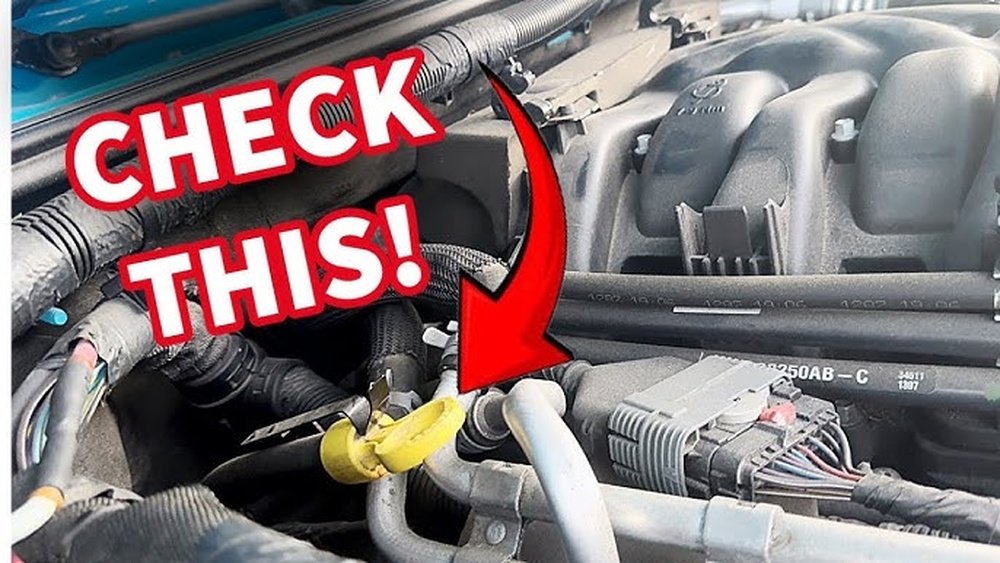
For older Jeep JKs (2007–2011 automatic), find the transmission dipstick—usually near the back of the engine, marked with a yellow or red handle. For manual or newer automatics (2012–2018), you’ll need to access the transmission fill plug underneath.
4. Remove, Clean, And Reinsert The Dipstick
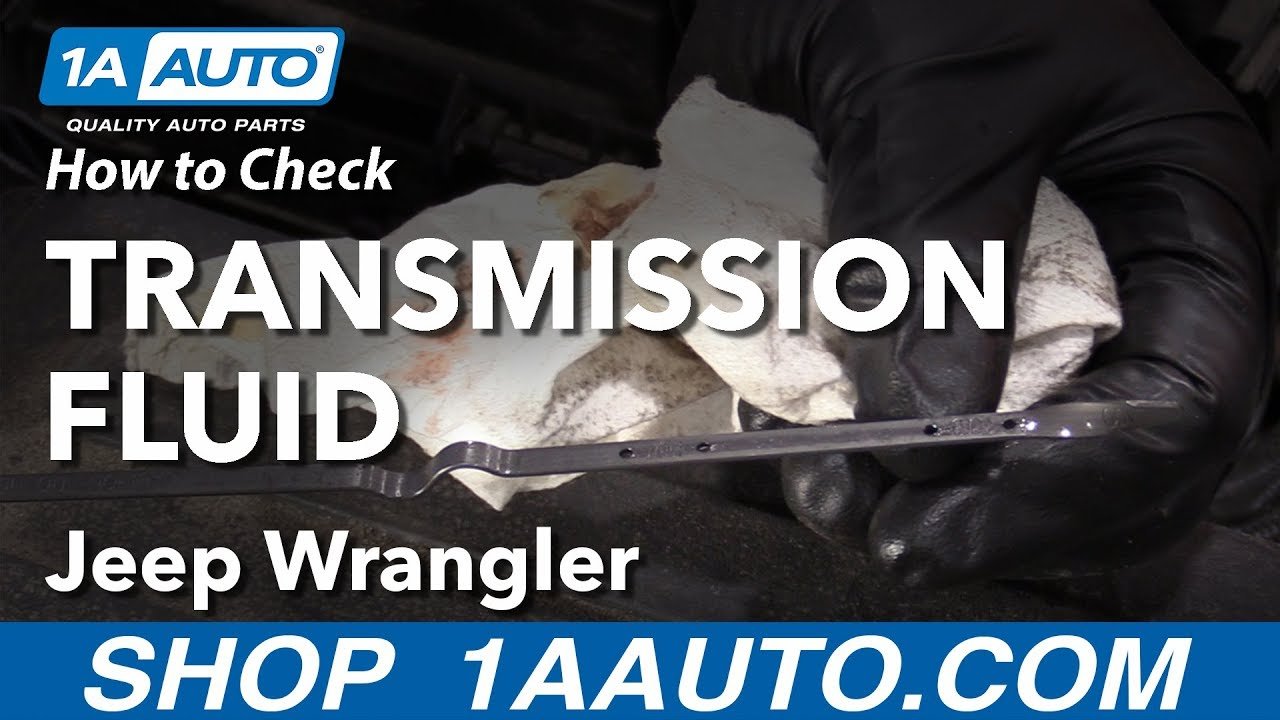
Pull the dipstick out, wipe it clean with a rag, then reinsert fully. Pull it out again to check the fluid level.
- Fluid should be between the “Full” and “Add” marks.
- Color should be bright red. Brown or dark fluid means it’s dirty.
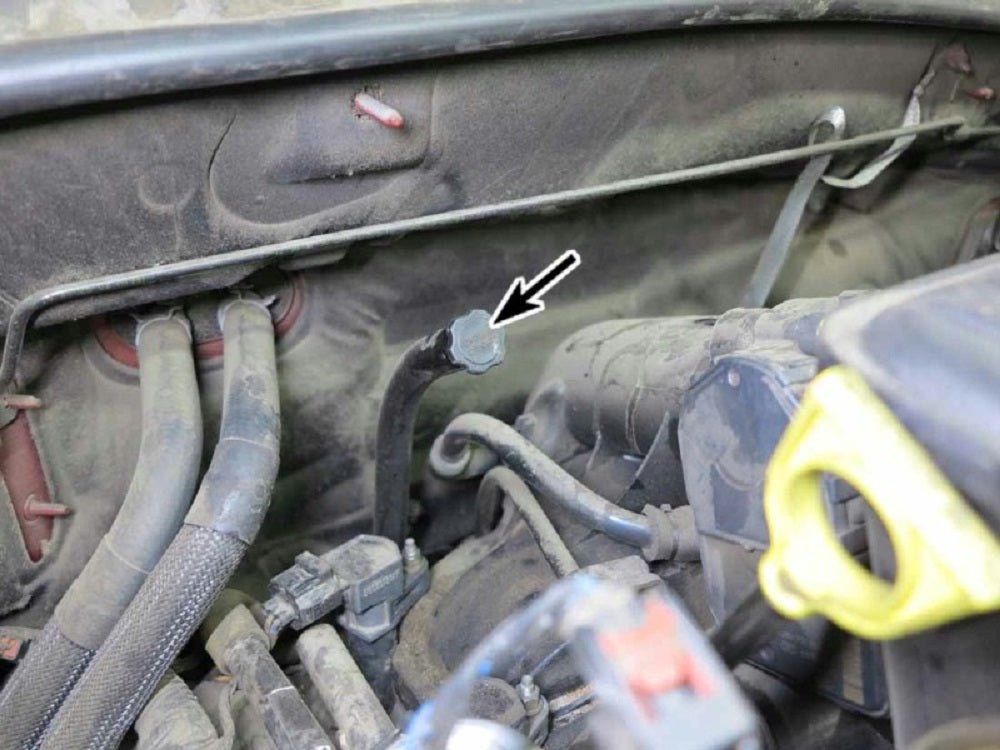
If your Jeep JK doesn’t have a dipstick, you’ll need to check the fluid level through the transmission fill plug using a specialized tool.
5. Inspect Fluid Quality
Look for:
- Color: Red is good; brown or black is bad.
- Smell: Burnt odor means overheating or contamination.
- Consistency: Grit or particles signal internal damage.
6. Add Fluid If Needed
If fluid is low, use a funnel to add ATF+4. Pour slowly, checking the level frequently.
Never overfill; too much fluid can cause foaming and poor shifting.
7. Replace Dipstick And Close Hood
Secure everything before driving. If you had to access the fill plug underneath, make sure it’s tightened properly.
How To Check Fluid In Jks Without A Dipstick
For Jeep JKs without a dipstick, the process requires accessing the transmission fill plug under the vehicle. Here’s a simplified comparison:
| Method | Tools Needed | Complexity | Time Required |
|---|---|---|---|
| Dipstick (2007–2011) | Rag, funnel | Easy | 5–10 mins |
| Fill Plug (2012–2018) | Socket wrench, fluid pump | Moderate | 15–20 mins |
You’ll need a socket wrench and possibly a fluid pump. Remove the fill plug, check if fluid is at the edge of the opening, and add fluid if needed. Always use ATF+4.
Common Mistakes When Checking Jeep Jk Transmission Fluid
Many beginners make errors that can lead to wrong readings or damage. Here are key mistakes to avoid:
- Checking fluid when cold: Fluid contracts and may show low.
- Parking on uneven ground: Gives inaccurate readings.
- Using wrong fluid type: Can damage transmission.
- Overfilling: Causes foaming and shifting issues.
- Ignoring dirty fluid: Leads to faster wear.
An often-overlooked tip: Always use a clean funnel. Dirt or debris can cause major transmission problems.
Signs Your Jeep Jk Needs A Transmission Fluid Change
Sometimes checking fluid is not enough. Watch for these signs:
- Rough or delayed shifting
- Transmission slipping
- Fluid leaks under vehicle
- Burnt smell from fluid
- Warning lights on dashboard
If you notice these, changing the fluid or even a professional inspection may be necessary.
How Often Should You Check And Change Jeep Jk Transmission Fluid?
Most experts recommend checking the fluid every 6 months or every 5,000 miles. For heavy off-roading or towing, check more often.
Fluid changes are typically needed every 30,000–60,000 miles. However, always follow your owner’s manual or consult a qualified mechanic.
Here’s a comparison for Jeep JK fluid maintenance:
| Usage Type | Check Frequency | Change Interval |
|---|---|---|
| Normal driving | 6 months | 60,000 miles |
| Heavy towing/off-road | 3 months | 30,000 miles |
Practical Tips For Checking And Maintaining Jeep Jk Transmission Fluid
- Always keep a spare bottle of ATF+4 in your garage.
- Use a flashlight to inspect fluid color and level, especially in low light.
- Don’t rely on old “lifetime fluid” myths—fluid does degrade.
- If you’re unsure, visit a trusted mechanic or Jeep dealership. Some transmissions need special tools to check or fill.
- Read your owner’s manual carefully. Jeep JKs may have unique requirements compared to other vehicles.
One non-obvious insight: Some Jeep JKs have a sealed transmission system (especially newer automatics). These require special procedures and tools, so DIY isn’t always possible. Always check for your model’s specifics.
When To Seek Professional Help
If you find metal particles in the fluid, or the fluid is dark and smells burnt, don’t just change the fluid—seek a mechanic immediately. These signs often mean internal wear or damage.
Also, if you’re uncomfortable working under the vehicle, or if your Jeep JK has no dipstick, professional help is safer. Transmission repairs are complex and expensive, so early intervention can save you thousands.
Jeep Jk Transmission Fluid: Myths And Real Facts
Many online forums and videos share conflicting advice. Here are some facts:
- “Transmission fluid never needs changing.” False. It degrades over time.
- “Any ATF fluid will work.” False. Only ATF+4 is recommended.
- “If fluid is low, just add more.” Partly true. But always check for leaks—adding fluid without fixing leaks is pointless.
If you want official guidance, visit the Jeep official site for detailed manuals and updates.
Frequently Asked Questions
How Do I Know If My Jeep Jk Has A Dipstick?
Check under the hood for a yellow or red handle near the back of the engine. If you don’t see one, your model likely uses a sealed transmission with a fill plug underneath.
Can I Use Any Transmission Fluid For My Jeep Jk?
No. Only ATF+4 is recommended for Jeep JK automatics. Using the wrong fluid can cause shifting issues and damage.
What If My Transmission Fluid Is Low But There Are No Leaks?
Fluid can evaporate or degrade over time. Add the recommended fluid and monitor closely.
If it drops again, have a mechanic check for hidden leaks.
How Often Should I Check The Transmission Fluid?
For normal driving, check every 6 months or 5,000 miles. For heavy towing or off-road use, check every 3 months.
Is It Safe To Drive With Dirty Or Burnt Transmission Fluid?
No. Dirty or burnt fluid can cause internal damage, poor shifting, and eventually transmission failure. Change it as soon as possible.
Taking care of your Jeep JK’s transmission fluid is one of the smartest ways to protect your vehicle’s performance and value. With these steps and tips, even beginners can confidently check and maintain their transmission fluid.
Don’t wait for problems regular checks and timely changes keep your Jeep JK ready for adventure.