If your 2010 Jeep Wrangler’s check engine light just came on, you might be wondering what it means and what to do next. That little warning can feel overwhelming, but it’s actually your Jeep’s way of telling you something needs attention.
You don’t have to be a mechanic to understand what’s going on under the hood. You’ll learn simple, step-by-step methods to check your Wrangler’s engine light codes quickly and easily even without expensive tools.
Keep reading, and you’ll gain the confidence to diagnose the issue and decide your next move, saving yourself time and money.
Check Engine Light Basics
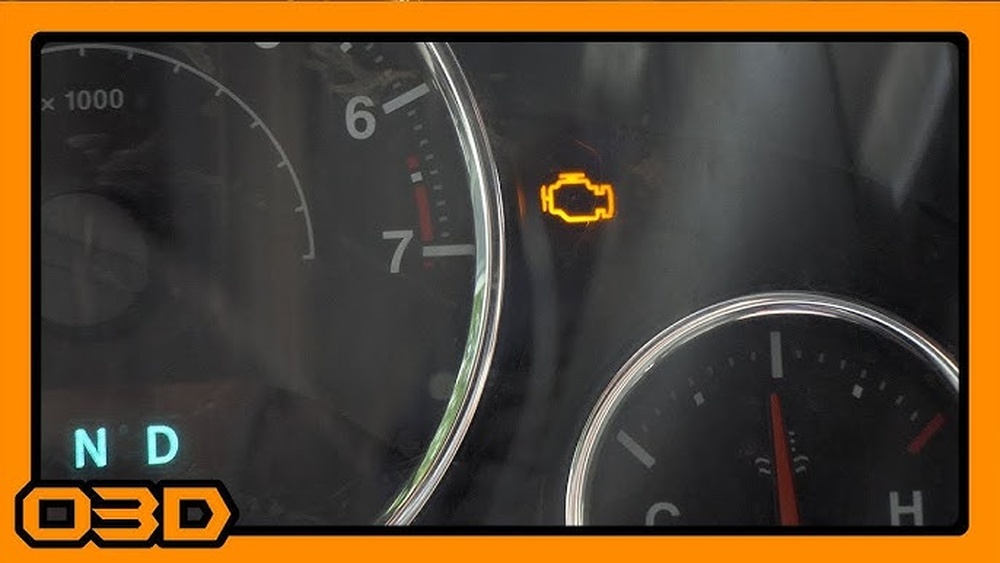
The check engine light is a small but important warning on your 2010 Jeep Wrangler’s dashboard. It signals that the vehicle’s onboard computer has found a problem.
This light helps you spot issues early to avoid bigger repairs later.
Understanding what this light means and the common reasons it turns on can save time and money. Every Jeep Wrangler owner should know the basics to handle this alert calmly and confidently.
What The Light Means
The check engine light shows that the vehicle’s computer detected a fault. It may be a minor or serious issue.
The light can come on steady or flash. A steady light means a less urgent problem.
A flashing light means a more serious problem that needs quick attention.
The light covers many parts of the engine and emission system. It does not always mean the engine will stop working.
But ignoring it can cause damage or reduce fuel efficiency.
Common Causes For 2010 Jeep Wrangler
<pseveral 2010="" a="" and="" can="" cap="" cause.="" check="" common="" damaged="" engine="" escape="" fuel="" gas="" in="" is="" issues="" it="" jeep="" let="" light="" light.Other typical reasons include faulty oxygen sensors, bad spark plugs, or a failing catalytic converter. Problems with the mass airflow sensor or the throttle position sensor also cause the light to come on.
Regular maintenance and quick checks can help spot these issues early. Knowing these causes helps you decide when to visit a mechanic or try simple fixes yourself.

Reading Codes Without A Scanner
Reading engine codes without a scanner is possible on a 2010 Jeep Wrangler. This method helps you understand why the check engine light is on.
It uses the vehicle’s built-in system to show error codes. These codes tell you what needs attention.
No special tools are needed. Just your ignition key and the odometer display.
This approach saves time and money. You get a quick look at the problem before visiting a mechanic.
Using The Ignition Key Method
Insert the key into the ignition. Turn it to the “On” position without starting the engine.
Do this three times quickly. End with the key in the “On” position.
The check engine light will flash. It flashes in a specific pattern to show the trouble codes.
Count the flashes to know each code number. Pause between codes as the light repeats the pattern.
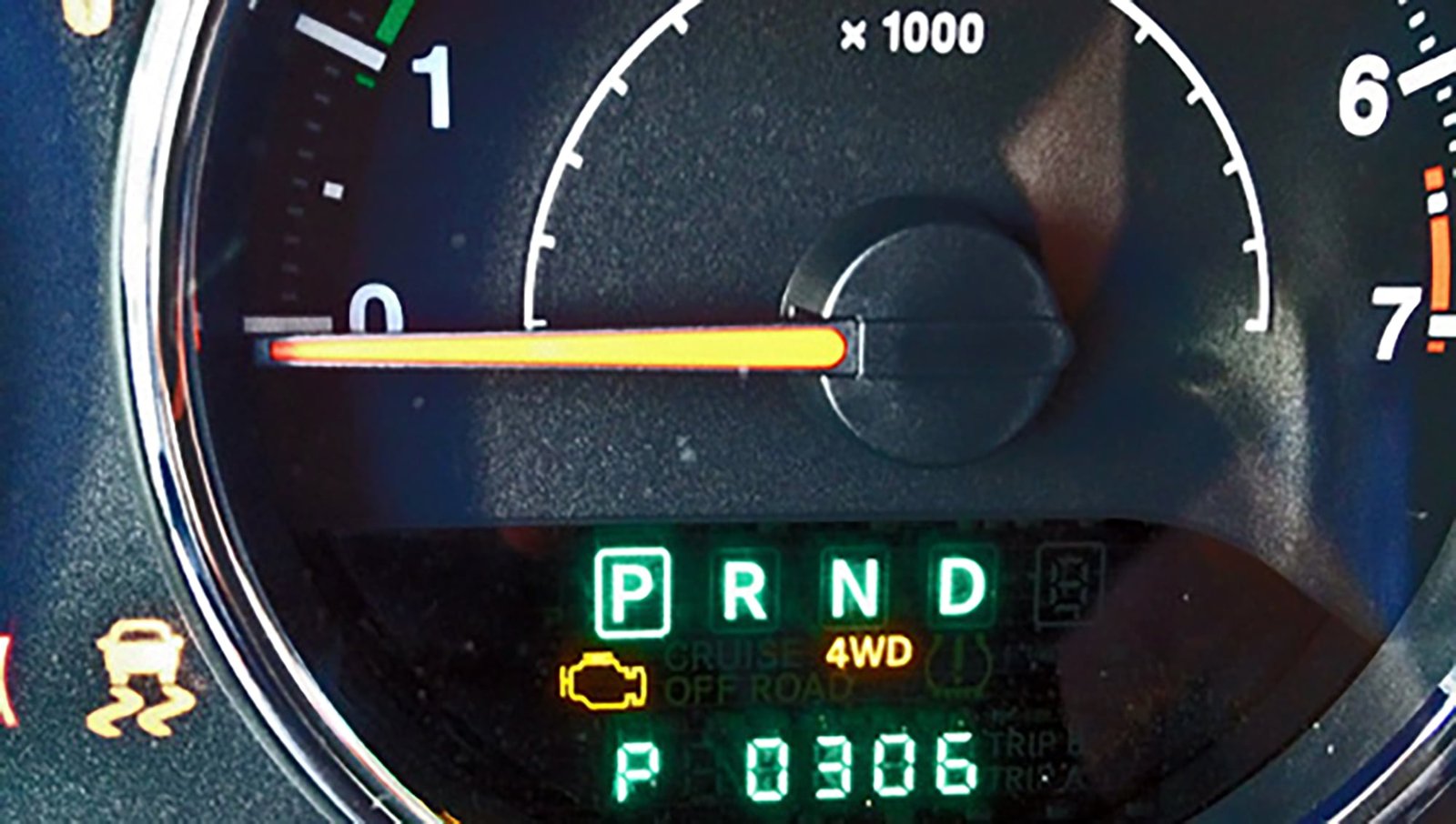
Interpreting Odometer Codes
On some Jeep Wranglers, the odometer shows the codes. The numbers appear as the check engine light flashes. Each number stands for a specific error.
Write down the codes. Use an online guide or the vehicle manual to understand them.
This helps you find out what part needs fixing. The codes make diagnosing easier without a scanner.
Using An Obd-ii Scanner
Using an OBD-II scanner is the easiest way to find out why your 2010 Jeep Wrangler’s check engine light is on. This tool connects to your vehicle’s computer and reads error codes.
These codes help identify the exact issue causing the warning light.
OBD-II scanners are widely available and simple to use. They save time and money by providing clear information about your Jeep’s problems.
Follow the steps below to use the scanner effectively.
Connecting The Scanner
Locate the OBD-II port under the dashboard on the driver’s side. It looks like a small trapezoid-shaped socket.
Plug the scanner’s connector firmly into this port. Make sure the ignition is off before connecting.
Once connected, turn the ignition key to the “On” position without starting the engine. This powers the scanner and allows it to communicate with your Jeep’s computer.
Wait a few seconds for the scanner to initialize.
Use the buttons on the scanner to navigate its menu. Most scanners have simple arrows and an “Enter” key.
Select the option to “Read Codes” or “Scan.”
The scanner will begin checking your Jeep’s systems. It may take a few moments.
Avoid turning off the ignition during this process to prevent errors. Follow on-screen prompts carefully to access the diagnostic information.
Reading And Recording Codes
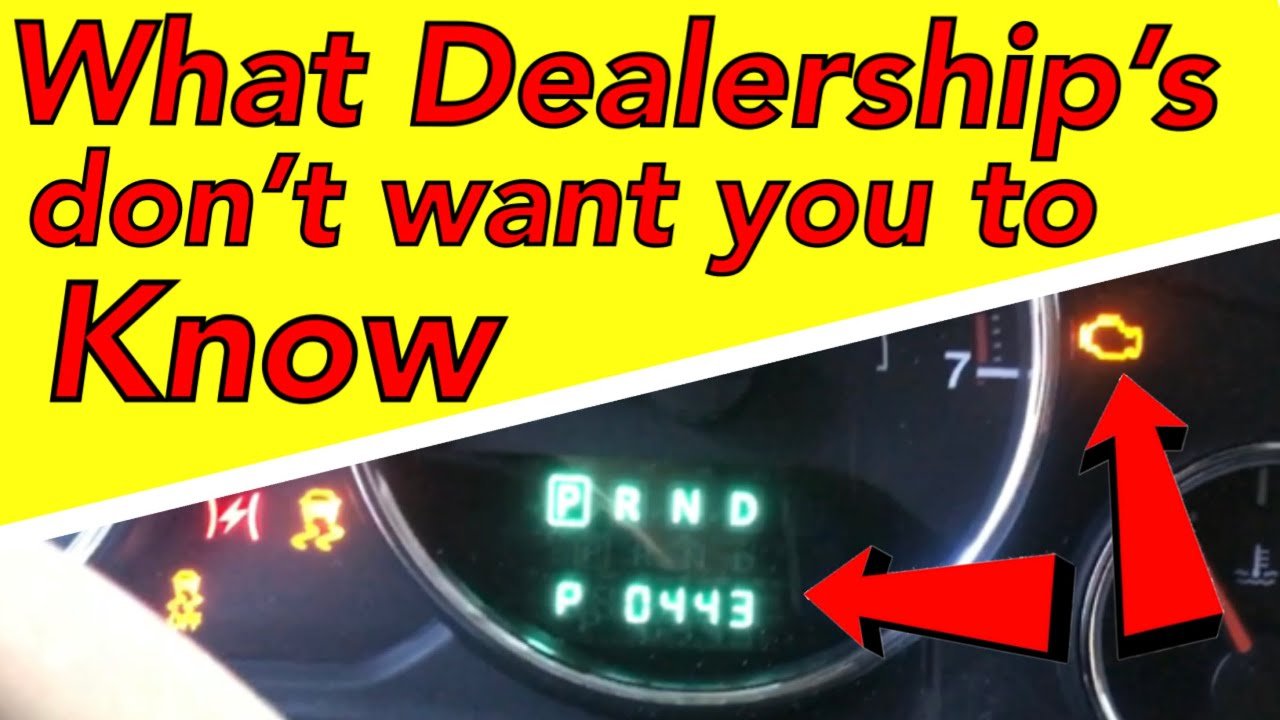
The scanner displays codes starting with a letter and followed by numbers, like P0420. Each code corresponds to a specific problem.
Write down all the codes shown for future reference.
Look up the meaning of these codes in your Jeep’s manual or online. This helps you understand the issue.
Keep the codes handy when visiting a mechanic or ordering parts.
Diagnosing Common Issues
Diagnosing common issues causing the check engine light on a 2010 Jeep Wrangler can save time and money. It helps to identify the problem early.
Several components often trigger the light. Focus on the oxygen sensors, throttle position sensor, and wiring.
These parts frequently show faults and can be tested easily.
Checking Oxygen Sensors
Oxygen sensors measure the air-fuel mix in the engine. Faulty sensors cause poor fuel economy and emissions.
Start by locating the sensors near the exhaust manifold. Look for signs of damage or corrosion.
Use an OBD-II scanner to check sensor data. Replace sensors showing abnormal readings or sluggish response.
Testing Throttle Position Sensor
The throttle position sensor (TPS) controls engine power by monitoring throttle movement. A bad TPS causes rough idling and stalling.
Test it with a multimeter for voltage changes as the throttle moves. Voltage should increase smoothly from low to high.
Replace the sensor if readings are erratic or stuck.
Inspecting Wiring And Connectors
Wiring and connectors transmit signals between sensors and the engine control unit. Damaged wires cause false error codes and engine issues.
Inspect wiring harnesses for cracks, frays, or loose connections. Clean corroded connectors with electrical cleaner.
Repair or replace damaged wiring to restore proper signal flow.
Simple Fixes To Try
The check engine light on your 2010 Jeep Wrangler can cause worry. Some issues are simple to fix.
Trying easy solutions first can save you time and money. These fixes often clear the light without a mechanic visit.
Resetting The Check Engine Light
Resetting the check engine light can solve minor glitches. Turn your ignition to the ON position without starting the engine.
Wait for the light to come on and count to ten. Turn the ignition off and then back on.
Sometimes this resets the system and turns off the light.
You can also disconnect the battery for 15 minutes. This cuts power to your Jeep’s computer.
Reconnect the battery and start your vehicle. The light may reset if the issue was temporary.
Cleaning Sensor Connectors
Sensors detect problems and send signals to your Jeep’s computer. Dirt or corrosion on sensor connectors can cause false alerts.
Locate sensors like the oxygen sensor or mass airflow sensor. Unplug the connectors carefully and clean them with electronic cleaner spray.
Make sure connectors are dry before plugging them back. This can improve sensor signals and may turn off the check engine light.
Tightening Gas Cap
A loose gas cap is a common cause of the check engine light. Open your gas tank and check if the cap is tight.
Turn it clockwise until you hear a click. This seals the fuel system and stops gas vapors from leaking.
After tightening, drive your Jeep for a few miles. The check engine light should turn off if the gas cap was the problem.
When To Seek Professional Help
Knowing when to seek professional help for your 2010 Jeep Wrangler’s check engine light is important. Some issues require expert diagnosis and repair to avoid costly damage.
Acting quickly can keep your Jeep running smoothly and safely.
Persistent Warning Lights
If the check engine light stays on after you restart the engine, it signals a persistent problem. Simple resets may not fix it.
A mechanic can pinpoint the exact cause and recommend the right repair.
Unusual Engine Behavior
Strange noises, rough idling, or loss of power often accompany a check engine light. These symptoms suggest serious engine trouble.
Professional help ensures proper diagnosis and prevents further damage.
Failed Diagnostic Tests
Using an OBD-II scanner may reveal error codes you cannot clear. Failed diagnostic tests indicate problems beyond basic fixes.
A trained technician has the tools and knowledge to resolve complex issues safely.
Preventive Maintenance Tips
Preventive maintenance plays a key role in keeping your 2010 Jeep Wrangler running smoothly. It helps catch small issues before they turn into costly repairs.
Regular care also keeps the check engine light from turning on unexpectedly. Follow these simple tips to maintain your Jeep’s engine health and avoid surprises.
Regular Sensor Checks
Sensors in your Jeep monitor engine performance and emissions. Dirty or damaged sensors can trigger the check engine light.
Inspect oxygen sensors, mass airflow sensors, and throttle position sensors often. Clean or replace them if you notice corrosion or dirt buildup.
This helps your engine run efficiently and reduces error codes.
Routine Engine Tune-ups
Schedule tune-ups based on your Jeep’s mileage and manual. Replace spark plugs, air filters, and fuel filters regularly.
Check ignition coils and wires for wear. Proper tune-ups improve fuel economy and reduce engine stress.
They also lower the chance of the check engine light coming on.
Keeping Software Updated
Your Jeep’s engine control unit uses software to manage performance. Updates from the manufacturer fix bugs and improve functions.
Visit your dealer for software updates during service visits. Staying current with updates prevents false check engine alerts.
It ensures your Jeep’s systems work as designed.
How To Check Codes On A 2010 Jeep Wrangler?
Insert the key and turn it to the “On” position without starting the engine. Read codes on the odometer display. Codes cycle until “done” appears.
How Do I Check My Jeep Code Without A Scanner?
Turn the ignition to the “On” position three times, ending on “On. ” The codes will display on the odometer.
How To Clear A Check Engine Light Without Fixing The Problem?
To clear a check engine light without fixing the issue, disconnect the battery for 15 minutes or use an OBD-II scanner to reset the codes. This only turns off the light temporarily and does not solve the underlying problem.
How To Check Engine Light On Jeep Wrangler?
Turn the key to the ON position without starting the engine. Read the codes displayed on the odometer or use an OBD-II scanner.
Conclusion
Checking the engine light on your 2010 Jeep Wrangler helps you find issues early. Use simple steps like turning the key to the “On” position to read codes. A code reader or scanner can give more detailed information. Understanding these codes helps you decide if a repair is needed.
Regular checks keep your Jeep running smoothly and avoid bigger problems. Stay calm and follow the easy process to keep your Jeep safe.
Taking small actions now saves time and money later.