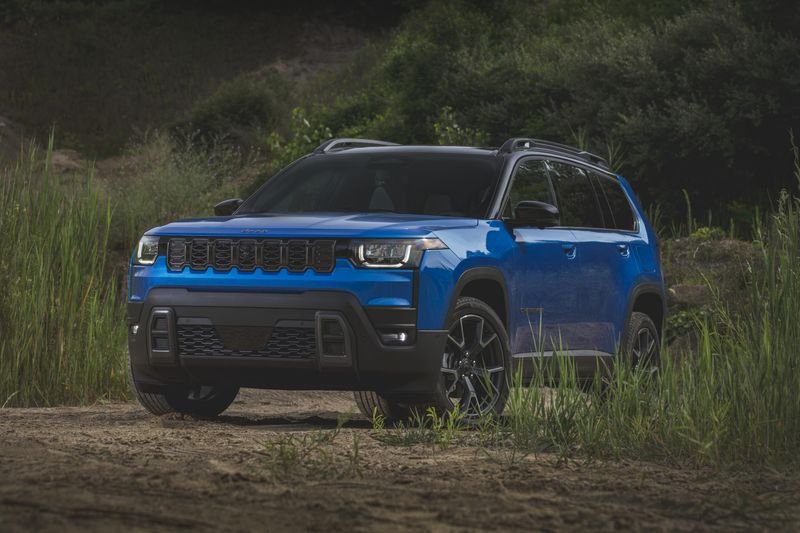
Changing a wheel sensor on a Jeep Wrangler can solve annoying warning lights and restore proper operation of your ABS and traction control. Many Jeep owners experience sensor failures after rough off-road drives, muddy conditions, or simple wear and tear.
If your dashboard shows an ABS or traction warning, or you notice odd braking behavior, the wheel sensor might be the cause. Replacing it yourself saves money and gives you confidence in your vehicle’s reliability.
This guide explains how to do the job safely and efficiently, with practical advice for beginners and experienced Jeep fans alike.
What Is A Wheel Sensor And Why Does It Matter?
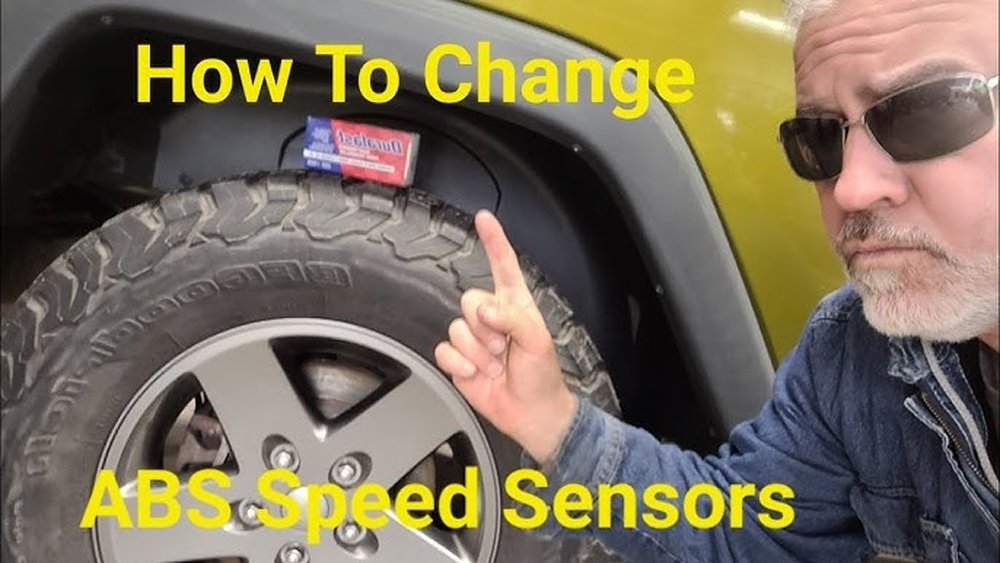
A wheel sensor (also called ABS sensor or speed sensor) measures how fast each wheel turns. It sends this information to your Jeep’s computer, which uses it to control braking, traction, and stability. If a sensor fails, your Jeep can lose important safety features. Warning lights appear, and sometimes your brakes or traction control act strange.
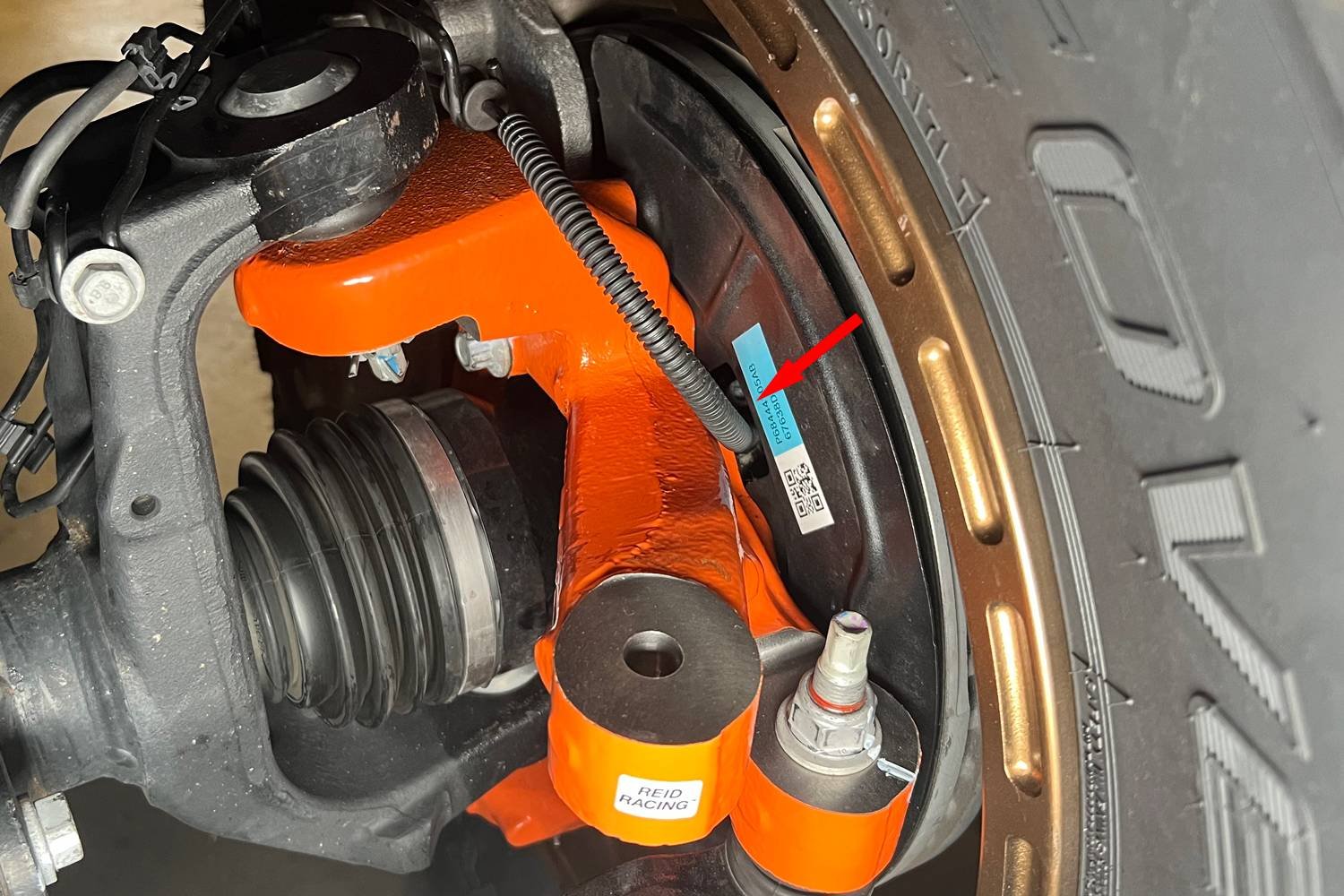
The Jeep Wrangler uses a magnetic wheel sensor near the brake rotor. When the sensor detects wheel movement, it creates a signal. The computer reads this signal to decide when to apply ABS or adjust traction.
Most Jeep Wranglers have one sensor per wheel, so four in total. The sensor is a small part, but it’s critical for safe driving.
Replacing a bad sensor can fix warning lights and prevent more expensive repairs.
Signs Your Wheel Sensor Needs Replacing
Before buying a new sensor, check for these common symptoms:
- ABS or traction control warning light: The most obvious sign. If you see the light, your sensor may be faulty.
- Loss of ABS function: You may feel the brakes lock up during hard stops.
- Erratic speedometer readings: Sometimes, a bad sensor causes the speedometer to jump or read incorrectly.
- Unusual braking or traction behavior: The Jeep may skid or lose grip more easily.
If you notice any of these, it’s wise to check your wheel sensors. Sometimes, a mechanic’s diagnostic tool will point out which sensor is faulty, but you can also inspect them yourself.

Tools And Parts Needed
Changing a wheel sensor is simple if you have the right tools. Here’s what you’ll need:
- New wheel sensor (specific to your Jeep Wrangler model and year)
- Jack and jack stands
- Socket set (usually 10mm or 13mm for sensor bolts)
- Flathead screwdriver
- Pliers
- Torque wrench
- Gloves
- Wheel chocks (for safety)
Optional but helpful:
- Penetrating oil (for rusty bolts)
- Shop rags (for cleaning)
Always check your Jeep’s manual for sensor type and bolt sizes. Buying the correct sensor is key.
Most Wrangler models use similar sensors, but double-check for fit.
Preparing Your Jeep Wrangler
Safety comes first. Before starting:
- Park your Jeep on a flat surface.
- Put the transmission in park.
- Set the parking brake.
- Place wheel chocks behind tires to prevent rolling.
- Wear gloves to protect your hands.
Lift the Jeep with a jack and secure it with jack stands. Never work under a vehicle supported only by a jack.
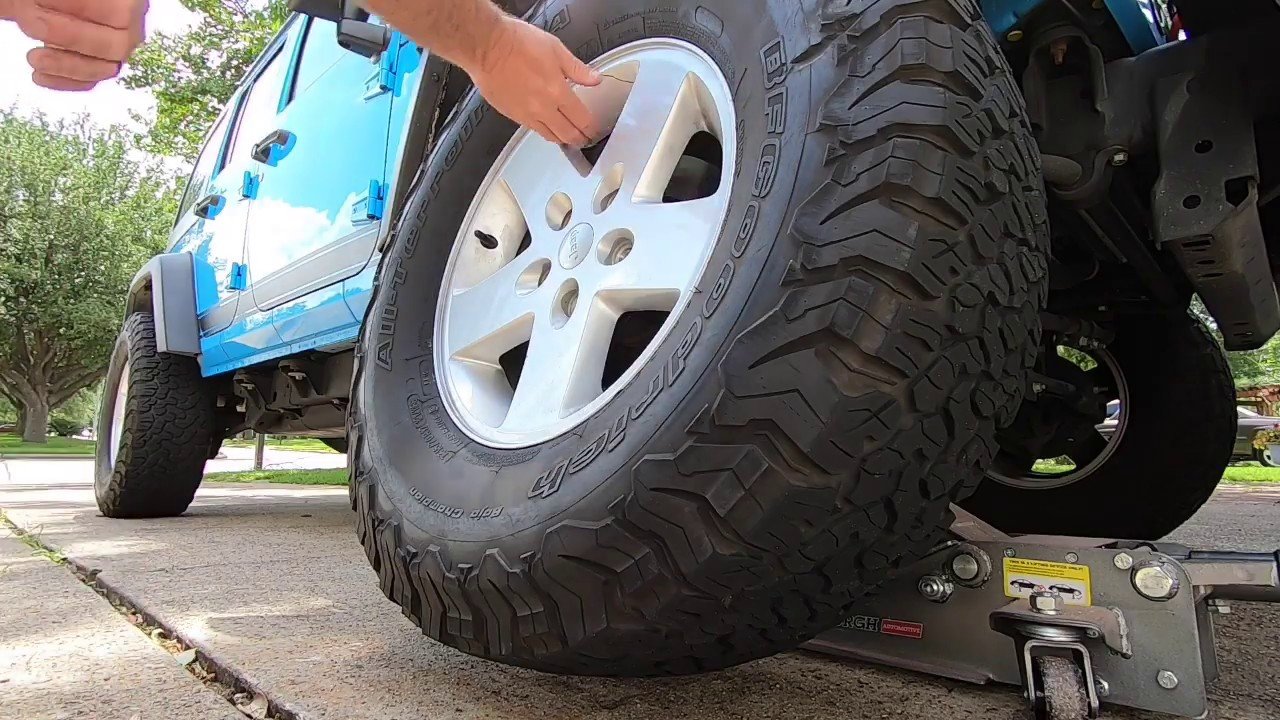
Remove the wheel where the sensor is located for better access.
Step-by-step Guide To Changing The Wheel Sensor
Replacing a wheel sensor is a hands-on job, but it’s not hard if you follow these steps.
1. Locate The Wheel Sensor
Find the sensor near the brake rotor. It’s a small, cylindrical part with a wire running to the wheel hub.
2. Remove The Wheel
Use a socket wrench to take off the lug nuts and pull the wheel away. This gives you room to reach the sensor.
3. Disconnect The Sensor Wire
Follow the sensor wire to its connector. Use a flathead screwdriver to gently lift the clip and unplug the connector.
4. Remove The Sensor Bolt
Most sensors are held by one small bolt. Use the correct socket (often 10mm or 13mm) to remove it.
If the bolt is rusty, spray a bit of penetrating oil and wait a few minutes.
5. Pull Out The Old Sensor
Gently wiggle the sensor out. If it’s stuck, use pliers, but don’t force it you could damage the hub.
6. Clean The Mounting Area
Wipe the sensor hole with a shop rag to remove dirt or rust. This helps the new sensor fit and work properly.
7. Install The New Sensor
Push the new sensor into the hole. Make sure it sits flush.
Insert the bolt and tighten it with a torque wrench to the recommended setting (often 7 9 ft-lbs, but check your manual).
8. Connect The Sensor Wire
Plug the connector back into place. Check that the clip locks firmly.
9. Reinstall The Wheel
Put the wheel back on, hand-tighten the lug nuts, then lower the Jeep and tighten the nuts to the correct torque.
10. Test Your Jeep
Start the Jeep and check the dashboard. The ABS and traction lights should turn off after a short drive.
If they stay on, recheck your connections or scan for error codes.
Comparing Genuine Vs Aftermarket Wheel Sensors
Jeep owners often debate whether to use OEM (genuine) or aftermarket wheel sensors. Both have pros and cons.
Here’s a comparison:
| Type | Price Range | Reliability | Warranty |
|---|---|---|---|
| OEM (Genuine Jeep) | $60–$120 | High | Usually 1–2 years |
| Aftermarket | $25–$60 | Medium to High | Varies (often 6 months–1 year) |
OEM sensors are built to match your Jeep exactly. They last longer and rarely cause issues, but cost more. Aftermarket sensors are cheaper, and many work just as well, but quality can vary. Always buy from a trusted brand or supplier.
How Long Does It Take And How Much Does It Cost?
Most Jeep owners can change a wheel sensor in 30–60 minutes. If it’s your first time, plan for an hour. The cost depends on the sensor type:
| Sensor Type | Price | Labor Cost (if mechanic does it) |
|---|---|---|
| OEM | $60–$120 | $80–$150 |
| Aftermarket | $25–$60 | $80–$150 |
Doing the job yourself saves the labor cost. Many Jeep owners find that the sensor is the only part needed, unless the wire or hub is damaged.
Practical Tips And Common Mistakes
Changing a wheel sensor is straightforward, but these tips help avoid trouble:
- Double-check sensor fit: Not all sensors are the same. Compare the new one to the old before installing.
- Don’t force the sensor: If it won’t come out, clean around it and wiggle gently. Forcing can damage the hub.
- Clean the area: Dirt or rust can block the new sensor or cause bad readings.
- Reconnect wires firmly: Loose connectors cause warning lights to stay on.
- Test drive: Take a short drive and check for warning lights.
Two mistakes beginners often make:
- Mixing up sensors: The front and rear sensors may look similar but can be different. Always check the part number.
- Ignoring warning lights: If the lights stay on after replacement, something may be wrong. Scan for error codes or check your work.
When To See A Mechanic
If you’re unsure, or if the sensor is stuck and won’t come out, it’s okay to see a mechanic. Professional shops have special tools to remove stubborn sensors.
They can also scan for codes to pinpoint the problem.
Sometimes, the issue is not the sensor but a damaged wire or hub. If you replace the sensor and the lights remain on, ask a mechanic to check.
Example: Real-world Sensor Replacement
A Jeep owner, Mike, noticed his ABS warning light after a muddy trail run. He scanned his Jeep and found the right rear wheel sensor failed. Mike bought a genuine sensor for $75 and changed it in 40 minutes at home. After a test drive, the warning light disappeared and his ABS worked again.
Mike learned two important lessons:
- Cleaning the sensor area made installation easier.
- Using a torque wrench prevented over-tightening and possible damage.
Most Jeep owners report similar experiences. The job is quick and saves money compared to dealer prices.
Data: Jeep Wrangler Wheel Sensor Lifespan
On average, wheel sensors last 60,000–100,000 miles. They fail sooner if exposed to mud, salt, or harsh driving. Here’s a summary:
| Condition | Estimated Lifespan |
|---|---|
| Normal city/highway driving | 80,000–100,000 miles |
| Heavy off-road use | 40,000–60,000 miles |
| Frequent mud/salt exposure | 30,000–50,000 miles |
Replacing sensors before they fail prevents bigger problems. If you drive off-road often, check your sensors every year.
Useful Resources
For more details on ABS systems and wheel sensors, the Wikipedia ABS page offers a technical overview. Jeep forums and YouTube channels also provide video guides.
Frequently Asked Questions
How Do I Know Which Wheel Sensor Is Bad?
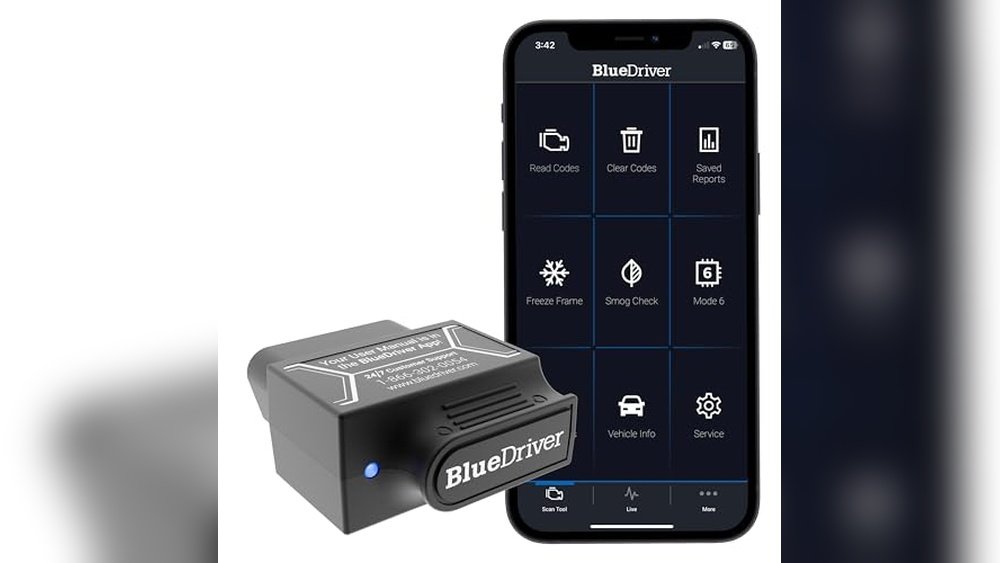
Most Jeeps will show a warning light, but to find the exact sensor, use a diagnostic scanner. It reads error codes and points to the faulty sensor.
Some auto parts stores will scan your Jeep for free.
Can I Drive With A Bad Wheel Sensor?
You can drive, but you lose ABS and traction control. This makes braking less safe, especially in wet or slippery conditions.
It’s best to replace the sensor as soon as possible.
Are Front And Rear Sensors The Same?
No. While they look similar, front and rear sensors may have different shapes or connectors.
Always check your Jeep’s part number before buying.
Will Changing The Sensor Turn Off The Warning Light?
Usually, yes. After installing the new sensor, the computer resets the warning light after a short drive.
If the light stays on, check your connections or scan for error codes.
Can I Change The Wheel Sensor Myself?
Yes. Most Jeep owners can do it with basic tools and a little patience.
The job takes about an hour. If the sensor is stuck or you’re unsure, ask a mechanic for help.
Replacing a wheel sensor on your Jeep Wrangler keeps your ABS and traction control working. With the right tools and careful steps, you can solve warning lights and improve safety. Whether you use an OEM or aftermarket sensor, double-check fit and follow torque settings. If you drive off-road, check your sensors regularly. Fixing this small part makes a big difference in how your Jeep performs and protects you on the road.