If you own a 2008 Jeep Patriot and hear a humming noise from your wheels, it could mean your wheel bearings are worn out. Changing a wheel bearing is a job you can do at home with some tools, patience, and attention to detail. This guide will walk you through everything you need to know, from signs of a bad bearing to step-by-step replacement instructions. Even if you’re not a professional mechanic, you’ll finish this article knowing how to change a wheel bearing on your Jeep Patriot safely and confidently.
Why Wheel Bearings Matter On Your Jeep Patriot
Wheel bearings are small but essential parts. They allow your wheels to spin with as little friction as possible. If a bearing fails, you may notice:
- A growling or rumbling sound that gets louder as you drive faster
- Uneven tire wear
- Wheel wobble or play when you shake the wheel
- ABS or traction control warning lights
Ignoring a bad wheel bearing can cause serious problems like wheel lock-up or even a lost wheel while driving. It’s better to fix the issue early for your safety and to avoid expensive repairs later.
Tools And Parts You Will Need
Before you start, make sure you have the right tools and parts. Here’s a checklist to help you get ready:
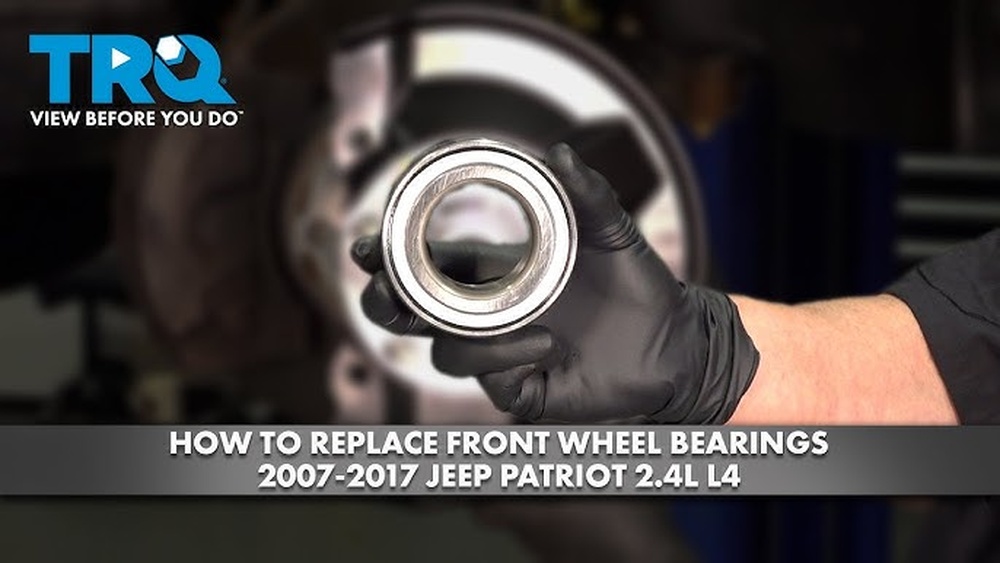
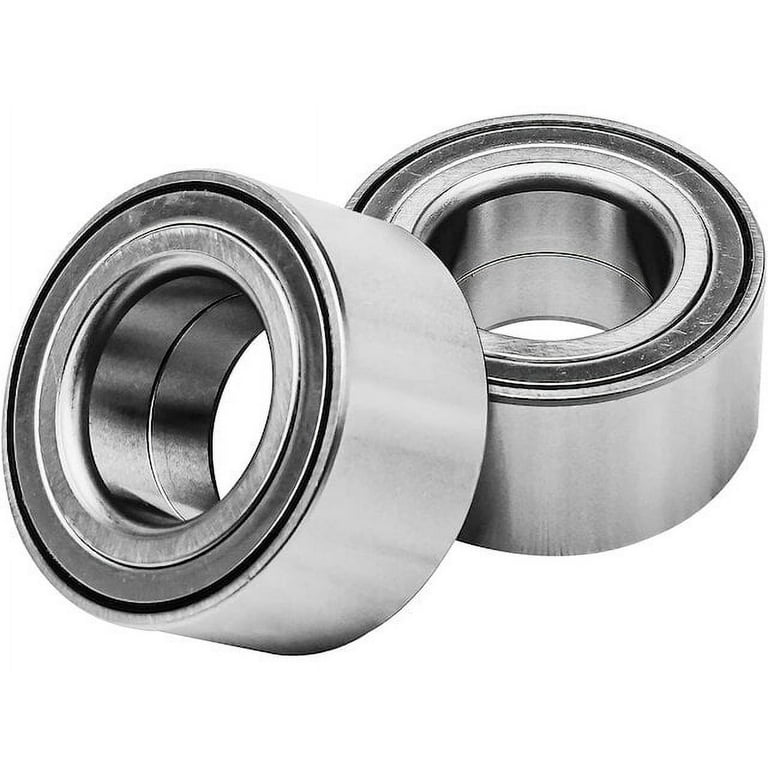
- New wheel bearing (for 2008 Jeep Patriot, often a hub assembly)
- Socket set (metric and SAE)
- Breaker bar
- Torque wrench
- Pry bar
- Hammer
- Jack and jack stands
- Lug wrench
- Flathead screwdriver
- Needle-nose pliers
- Penetrating oil (like WD-40)
- Anti-seize compound
- Bungee cord or rope (for hanging caliper)
- Safety glasses and gloves
You may also need a 32mm axle nut socket, depending on your model.
Preparing For The Job
Find a flat, level surface to work. Put your Jeep in Park (for automatic) or in gear (for manual), and engage the parking brake. Place wheel chocks behind the rear wheels to stop the vehicle from rolling.
Loosen the lug nuts on the wheel you’ll be working on, but do not remove them yet. Next, use your jack to lift the front of the Jeep and support it with jack stands under the frame.
Never work under a car supported only by a jack.
Step-by-step: Changing The Wheel Bearing
1. Remove The Wheel
Take off the lug nuts and pull the wheel straight off. Set it aside in a safe place.
2. Remove The Brake Caliper And Rotor
Locate the brake caliper on the rotor. Remove the two bolts holding the caliper using your socket set. Hang the caliper from the suspension with a bungee cord or rope—never let it hang by the brake hose.
With the caliper off, slide the brake rotor off the hub. If it’s stuck, tap it gently with a hammer.
3. Remove The Axle Nut
The axle nut sits in the center of the hub. Use a breaker bar and the right-sized socket (usually 32mm) to loosen and remove it.
Some nuts have a cotter pin remove it first with pliers.
4. Disconnect The Wheel Speed Sensor
If your Jeep has ABS, you’ll see a wheel speed sensor attached to the hub. Unplug the connector or unscrew the sensor so you don’t damage it during the job.
5. Remove The Bearing Hub Assembly
There are usually three or four bolts holding the hub assembly to the steering knuckle. Spray the bolts with penetrating oil and let them soak for a few minutes. Use your socket and breaker bar to remove the bolts.
Sometimes the hub will be rusted in place. Use a hammer and pry bar to gently tap and separate the hub from the knuckle.
Be patient don’t force it or you could damage other parts.
6. Clean The Knuckle Surface
With the old hub removed, clean the mounting surface on the knuckle. Remove any rust or debris with a wire brush.
This step ensures the new bearing sits flush and prevents future problems.
7. Install The New Wheel Bearing
Line up the new hub assembly with the holes in the knuckle. Slide it into place, then hand-thread the mounting bolts.
Tighten the bolts with your socket, following the recommended torque (usually around 75 80 ft-lbs for this vehicle). Always check your Jeep’s manual for exact specs.
If your Jeep uses a separate ABS sensor, reinstall it now.
8. Reinstall The Axle Nut
Place the axle nut back on and tighten it to the proper torque (usually 120 150 ft-lbs). Again, check the manual for your model’s exact figure.
If there was a cotter pin, replace it with a new one.
9. Reinstall The Brake Rotor And Caliper
Put the rotor back onto the hub. Slide the caliper into place and tighten the bolts.
Make sure the brake hose is not twisted or pinched.
10. Reattach The Wheel
Put the wheel back on and hand-tighten the lug nuts. Lower your Jeep off the jack stands, then torque the lug nuts to the recommended value in a star pattern (usually 100 ft-lbs).
11. Final Checks
Before driving, pump your brakes a few times to seat the pads. Spin the wheel by hand to check for smooth movement.
Listen for any odd noises. Take your Jeep for a short, slow test drive and recheck all bolts after the first few miles.
Front Vs Rear Wheel Bearing Differences
On the 2008 Jeep Patriot, the front and rear wheel bearings are similar but not identical. Here’s a quick look at key differences:
| Feature | Front Wheel Bearing | Rear Wheel Bearing |
|---|---|---|
| Hub Assembly Type | Usually bolt-in | Usually bolt-in |
| ABS Sensor | Often integrated | May be separate |
| Axle Nut Size | 32mm (typical) | 30mm (typical) |
| Difficulty | Moderate | Easy to Moderate |
Pro tip: Always check you have the correct part before starting. The front and rear bearings are not interchangeable.
Common Mistakes And How To Avoid Them
Many first-timers make small errors that can lead to big headaches. Here’s what to watch for:
- Skipping the torque wrench: Overtightening or undertightening bolts can cause failure or noise.
- Not cleaning the mounting surface: Rust or dirt can make the new bearing sit crooked, causing early wear.
- Forgetting the ABS sensor: Damaging or not reconnecting the ABS sensor can trigger warning lights.
- Not replacing the axle nut or cotter pin: These are often single-use for safety; always use new ones if possible.
- Letting the caliper hang by the hose: This can damage the brake line and cause leaks.
How To Tell Which Wheel Bearing Is Bad
Sometimes, it’s hard to know which wheel bearing is making noise. Here are a few tips:
- The sound usually gets louder when turning away from the bad bearing side.
- Jack up the car, grab the tire at 12 and 6 o’clock, and wiggle—excess play means a problem.
- Use a mechanic’s stethoscope or even a long screwdriver against the knuckle to listen for roughness.
If you’re still unsure, a repair shop can diagnose the problem with specialized tools.
Cost Comparison: Diy Vs. Professional Replacement
Many owners want to know if it’s worth changing the bearing themselves. Here’s a comparison:
| Option | Cost per Wheel (Parts + Labor) | Time Needed |
|---|---|---|
| DIY (Home Garage) | $60–$120 | 2–3 hours |
| Professional Shop | $250–$400 | 1–2 hours |
| Dealership | $350–$600 | 1–2 hours |
Insight: If you already have the tools, doing it yourself saves a lot of money. However, if you don’t feel confident, paying a pro can give you peace of mind.
How Long Should A Wheel Bearing Last?
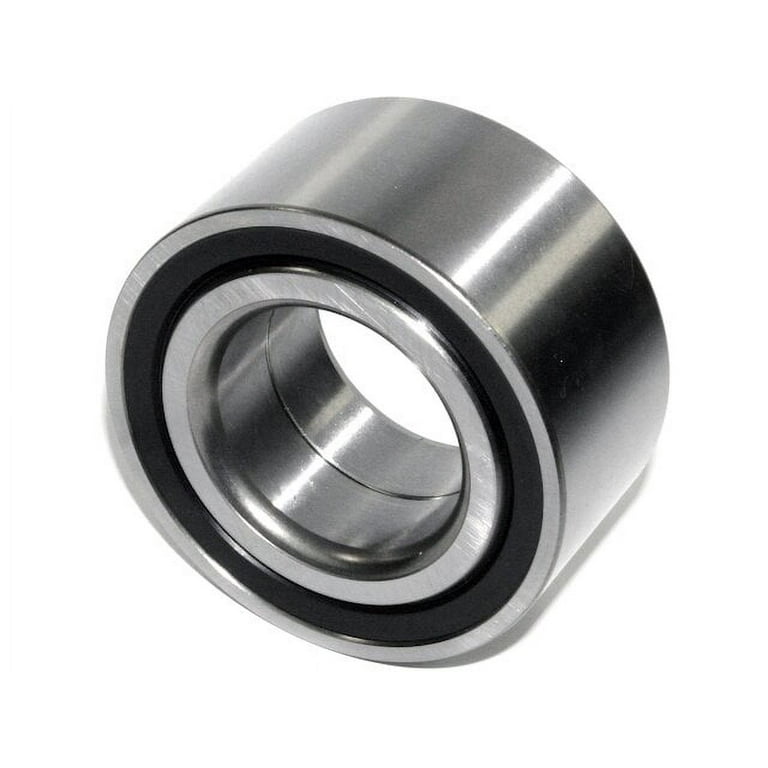
On a 2008 Jeep Patriot, wheel bearings often last 80,000–120,000 miles under normal driving conditions. However, rough roads, water, and salt can shorten their life. Always replace in pairs if one side fails, as the other is usually not far behind.
Safety Tips You Should Never Ignore
- Always use jack stands—never trust just the jack.
- Wear safety glasses when removing rusted parts.
- Double-check all bolts before driving.
- Test drive slowly at first and listen for new noises.
Non-obvious tip: If you notice a burning smell after the job, recheck the brake caliper to make sure it’s not sticking.
When To Ask A Mechanic For Help
If you run into any of these problems, it’s smarter to ask for professional help:
- The hub won’t come loose after repeated tries
- ABS or traction control lights stay on after reassembly
- The new bearing makes noise right away
- You have no experience with brakes or suspension
Remember, it’s better to pay for expertise than to risk your safety on the road.
Environmental Impact: Dispose Of Old Bearings Properly
Wheel bearings are made of metal and should be recycled. Don’t throw them in the trash. Most auto parts stores or recycling centers will accept them. This small step helps protect the environment and keeps landfills cleaner.
How Do I Know If My Jeep Patriot’s Wheel Bearing Is Bad?
Common signs include a humming noise that gets louder with speed, vibration in the steering wheel, uneven tire wear, and play in the wheel when shaken by hand. Sometimes, ABS or traction control lights may come on.
Can I Drive My Jeep If The Wheel Bearing Is Making Noise?
It’s unsafe to drive with a noisy wheel bearing. The bearing could fail completely, possibly causing the wheel to come off or lock up.
Replace it as soon as possible to avoid accidents.
Do I Need Any Special Tools To Change The Wheel Bearing?
You’ll need a torque wrench, a large socket (usually 32mm), and common hand tools. A breaker bar helps with stubborn bolts. Most jobs do not require a hydraulic press, as the 2008 Jeep Patriot uses bolt-in hub assemblies.
How Much Does It Cost To Replace A Wheel Bearing On A 2008 Jeep Patriot?
DIY costs are usually $60 $120 for parts. A repair shop may charge $250 $400, and a dealership might charge $350 $600.
Costs depend on location and whether both sides are replaced.
Where Can I Find More Information On Jeep Patriot Repairs?
You can find detailed repair guides and manuals on the official Jeep Patriot Wikipedia page or automotive forums for Jeep owners.
Changing a wheel bearing on your 2008 Jeep Patriot may seem challenging at first. But with the right tools, careful attention, and the guidance above, most people can do it themselves. Take your time, follow each step, and don’t hesitate to ask for help if needed. Your Jeep—and your wallet—will thank you for the effort.