Changing spark plugs on your 2016 Jeep Compass can make your engine run smoother, boost fuel efficiency, and even solve rough idle or misfire problems.
Many drivers overlook this easy maintenance task, but it’s one you can do at home with basic tools and a bit of guidance.
If you’re new to car repairs, don’t worry this article explains each step simply, avoids jargon, and focuses on safety and practical advice. Let’s make your Jeep’s engine feel new again.
Why Spark Plugs Matter
Spark plugs ignite the fuel-air mixture in the engine. When they wear out, your Jeep Compass may lose power, run rough, or burn more gas. Most mechanics recommend changing spark plugs every 30,000–40,000 miles, but check your owner’s manual. Old plugs can cause:
- Misfires
- Poor acceleration
- Hard starting
- Lower fuel economy
Replacing them is not just about fixing problems it’s about preventing bigger issues.
Tools And Parts You Need
Before you start, gather these tools and parts:
- Socket wrench
- Spark plug socket (5/8” size)
- Extension bar
- Torque wrench
- New spark plugs (Check the manual: Usually NGK or Champion, gap 0.043 inches)
- Dielectric grease (optional, helps protect connections)
- Compressed air (optional, for cleaning)
- Ratchet
- Gloves
Having everything ready saves time and avoids mistakes.
Preparing Your Jeep Compass
Safety first. Park your Jeep on a flat surface and turn off the engine. Let it cool for at least 30 minutes—hot parts can burn you. Open the hood and locate the engine cover. The spark plugs are under the ignition coils, near the center.
Disconnect The Battery
Remove the negative battery cable using a wrench. This prevents accidental shorts and keeps you safe.
Remove Engine Cover
If your Compass has a plastic engine cover, unscrew it and set aside. This gives better access.
Step-by-step: Changing Spark Plugs
Here’s how to change the spark plugs on your 2016 Jeep Compass:
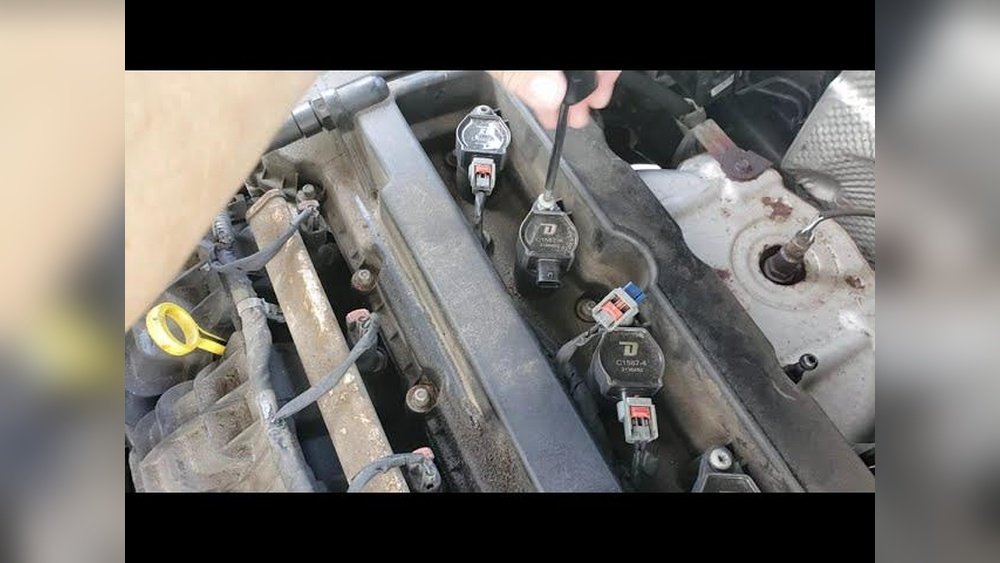
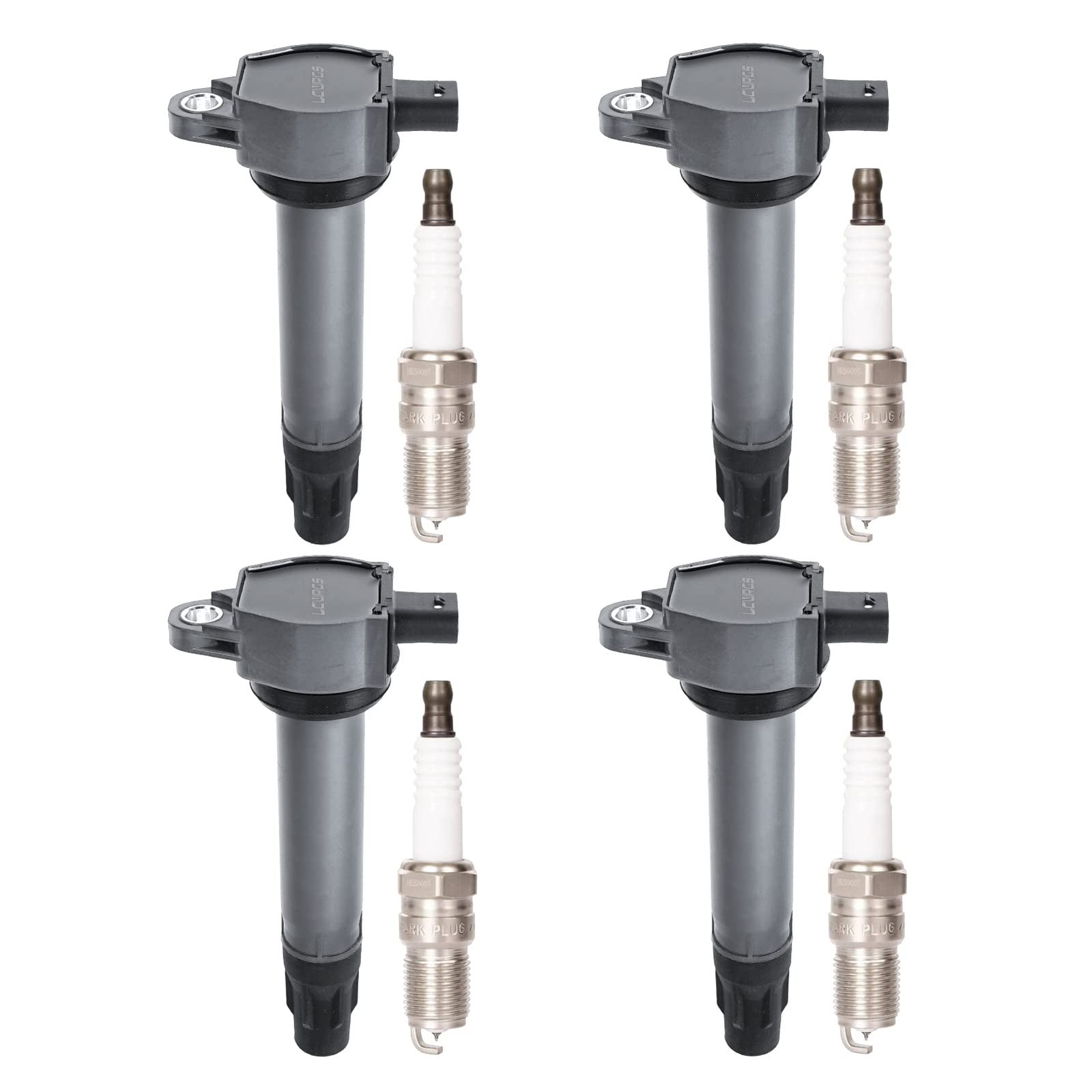
- Locate the ignition coils. They sit on top of the engine, each covering a spark plug.
- Disconnect coil connectors. Gently unplug the electrical connectors from each coil.
- Remove ignition coils. Use a socket wrench to unscrew the bolts holding the coils. Pull them straight out. If they stick, twist gently.
- Clean around spark plug holes. Use compressed air to blow away dirt. Dirt can fall into the engine and cause damage.
- Remove old spark plugs. Attach the spark plug socket and extension to your wrench. Turn counterclockwise. If stuck, apply steady pressure but don’t force. Remove each plug carefully.
- Check old plugs. Look for oil, carbon buildup, or broken tips. This can indicate engine problems.
- Check and adjust new plug gap. Use a gap tool to ensure each new plug is at 0.043 inches. Too wide or narrow can cause misfires.
- Install new spark plugs. Insert each new plug by hand, then tighten with the wrench. Don’t overtighten—use a torque wrench set to 20 ft-lbs.
- Apply dielectric grease. Put a small amount on the coil boot (optional).
- Reinstall ignition coils. Press each coil back in place, screw bolts tight, and reconnect the electrical connectors.
- Replace engine cover. Screw it back on.
Repeat these steps for each spark plug. The 2016 Jeep Compass uses four spark plugs—one per cylinder.
Table: Spark Plug Comparison
Here’s a quick comparison of popular spark plug brands for the 2016 Jeep Compass:
| Brand | Material | Recommended Gap | Average Lifespan |
|---|---|---|---|
| NGK | Iridium | 0.043 in | 40,000 miles |
| Champion | Copper | 0.043 in | 30,000 miles |
| Denso | Platinum | 0.043 in | 35,000 miles |
Choose plugs that match your driving style and budget. Iridium lasts longer but costs more.
Common Mistakes To Avoid
Many beginners make mistakes when changing spark plugs. Here’s what to watch for:
- Overtightening plugs. This can crack the cylinder head or damage threads.
- Using wrong gap. Always check and set the gap before installing.
- Forgetting to clean. Dirt can cause engine problems later.
- Mixing up coil connectors. Plug each coil into the correct connector.
- Touching plug tips. Oil from your fingers can cause misfires.
Paying attention to these details can make your repair last longer.
Signs Your Spark Plugs Need Changing
Don’t wait until your Jeep struggles to start. Watch for these signs:
- Engine misfires
- Rough idle
- Poor acceleration
- Check engine light
- Lower MPG
If you notice any of these, inspect your spark plugs soon.
Step-by-step Example
Let’s walk through an example for clarity:
Imagine your Jeep Compass is idling rough and losing power. You park, let it cool, and gather tools.
After disconnecting the battery, you remove the engine cover and locate the four ignition coils. You unplug connectors, unscrew bolts, and pull out coils.
You clean debris, then remove the old plugs. They’re blackened sign of carbon buildup.
You check your new NGK plugs, set the gap to 0. 043 inches, and install them by hand.
Using your torque wrench, you tighten to 20 ft-lbs.
You add a dab of dielectric grease, reinstall coils, reconnect wires, and replace the cover. After reconnecting the battery, your Jeep starts smoother and accelerates better.
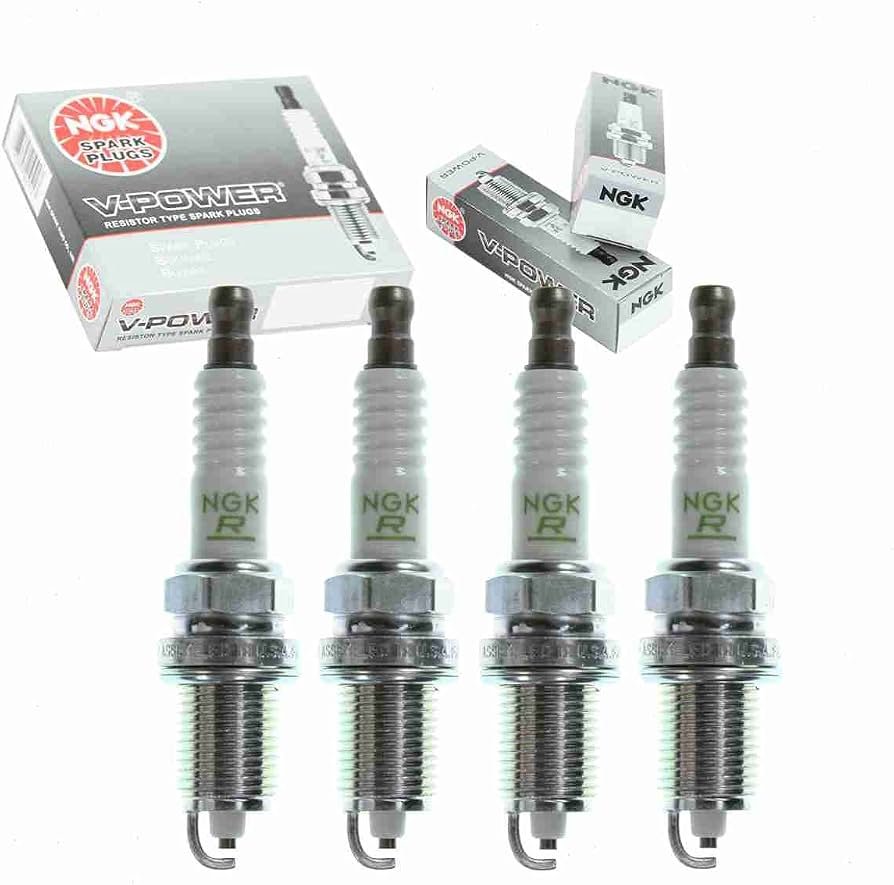
Table: Symptoms Vs. Spark Plug Condition
This table helps you diagnose problems using spark plug appearance:
| Symptom | Plug Appearance | Possible Cause |
|---|---|---|
| Misfire | Black, sooty tip | Rich fuel mixture |
| Hard starting | Wet or oily plug | Oil leak or flooding |
| Poor acceleration | Worn electrode | Old plug |
| Check engine light | Cracked insulator | Incorrect installation |
Practical Tips For Success
Changing spark plugs is simple, but a few expert tips can help:
- Work in daylight. Good lighting helps you see dirt and avoid mistakes.
- Use the correct socket. A spark plug socket has a rubber insert to protect the plug.
- Label connectors. If you’re worried about mixing up coil wires, use tape to label them.
- Inspect coils. If coil boots look cracked or worn, replace them.
- Take your time. Rushing can lead to broken plugs or stripped threads.
Many beginners overlook the importance of checking plug gap and torque. This can cause engine trouble later.
Always check the specs in your owner’s manual.
Data: Cost Comparison
Here’s a quick look at the cost of changing spark plugs yourself vs. a mechanic:
| Option | Parts Cost | Labor Cost | Total Cost |
|---|---|---|---|
| DIY | $30–$60 | $0 | $30–$60 |
| Mechanic | $40–$80 | $70–$120 | $110–$200 |
Doing it yourself saves money and builds confidence.
When To Seek Professional Help
If you encounter stripped threads, oil on plugs, or electrical issues, it’s best to see a mechanic. Also, if your Jeep still misfires after changing plugs, there could be deeper engine problems.
You can find more technical details and repair guides at the official Jeep Website.
Frequently Asked Questions
How Often Should I Change Spark Plugs On A 2016 Jeep Compass?
Most experts recommend every 30,000–40,000 miles, but always check your owner’s manual. Driving in dusty or harsh conditions may require earlier changes.
What Type Of Spark Plug Does The 2016 Jeep Compass Use?
The Compass usually uses NGK Iridium or Champion Copper plugs, with a gap of 0.043 inches. Always match the plug type to your engine model.
Can I Change Spark Plugs Myself If I’m Not Experienced?
Yes, the process is straightforward if you follow the steps carefully. Make sure you have the right tools, work slowly, and check your work. Label wires if you’re unsure.
What Happens If I Use The Wrong Spark Plug Gap?
Wrong gap can cause misfires, poor performance, and even engine damage. Always check and set the gap before installing new plugs.
Will Changing Spark Plugs Improve Fuel Economy?
Yes. New spark plugs help the engine burn fuel more efficiently. Many drivers notice a 3–5% improvement in MPG after replacing old plugs.
Changing spark plugs is one of the simplest ways to keep your Jeep Compass running strong. With a little time and the right tools, you’ll enjoy smoother driving, better gas mileage, and fewer engine troubles.
If you ever feel uncertain, ask a mechanic, but don’t be afraid to try it yourself the rewards are worth it.


















