Changing the oil in your Jeep is one of the best ways to keep your engine healthy and running smoothly for years.
While many people take their vehicle to a shop for oil changes, doing it yourself can save you money and help you learn more about your Jeep.
If you’ve never changed oil before, don’t worry. This guide will walk you through every step, from gathering the right tools to safely disposing of old oil.
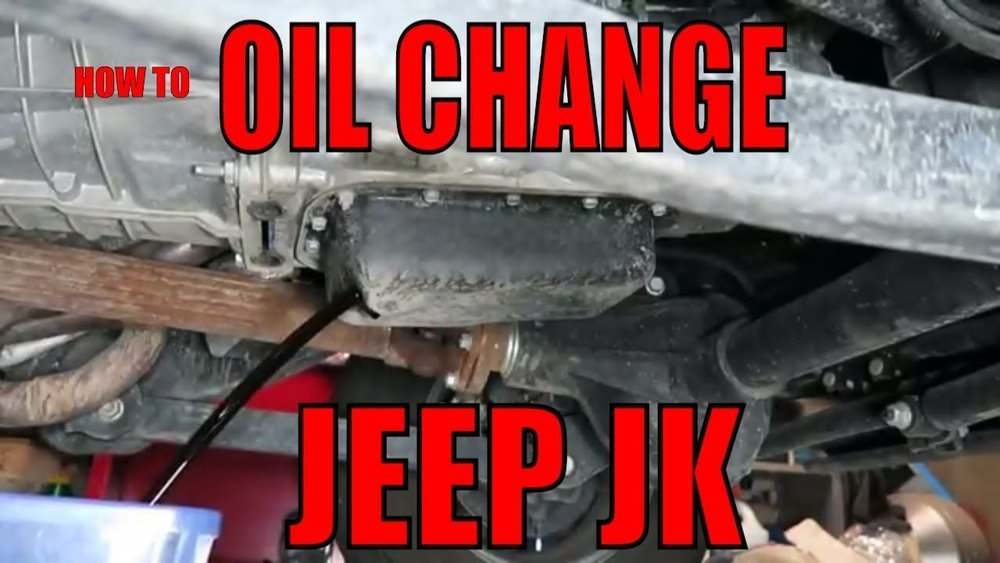
Whether you drive a Wrangler, Cherokee, or another Jeep model, you’ll find the core process is similar.
With some simple tools and a bit of time, you can complete this essential maintenance at home.
Why Regular Oil Changes Matter
Oil is the lifeblood of your engine. It lubricates moving parts, reduces heat, and helps clean away dirt and debris. Over time, oil breaks down and becomes less effective, which can cause wear or even engine damage. Most experts recommend changing your oil every 5,000 to 7,500 miles, but always check your Jeep’s owner’s manual for the exact interval. Neglecting oil changes can lead to:
- Reduced engine performance
- Poor fuel economy
- Potential engine failure
A study by the Car Care Council found that 22% of vehicles have dirty or low engine oil. That’s nearly 1 in 5 cars risking expensive repairs simply by skipping this easy task.
Tools And Materials You’ll Need
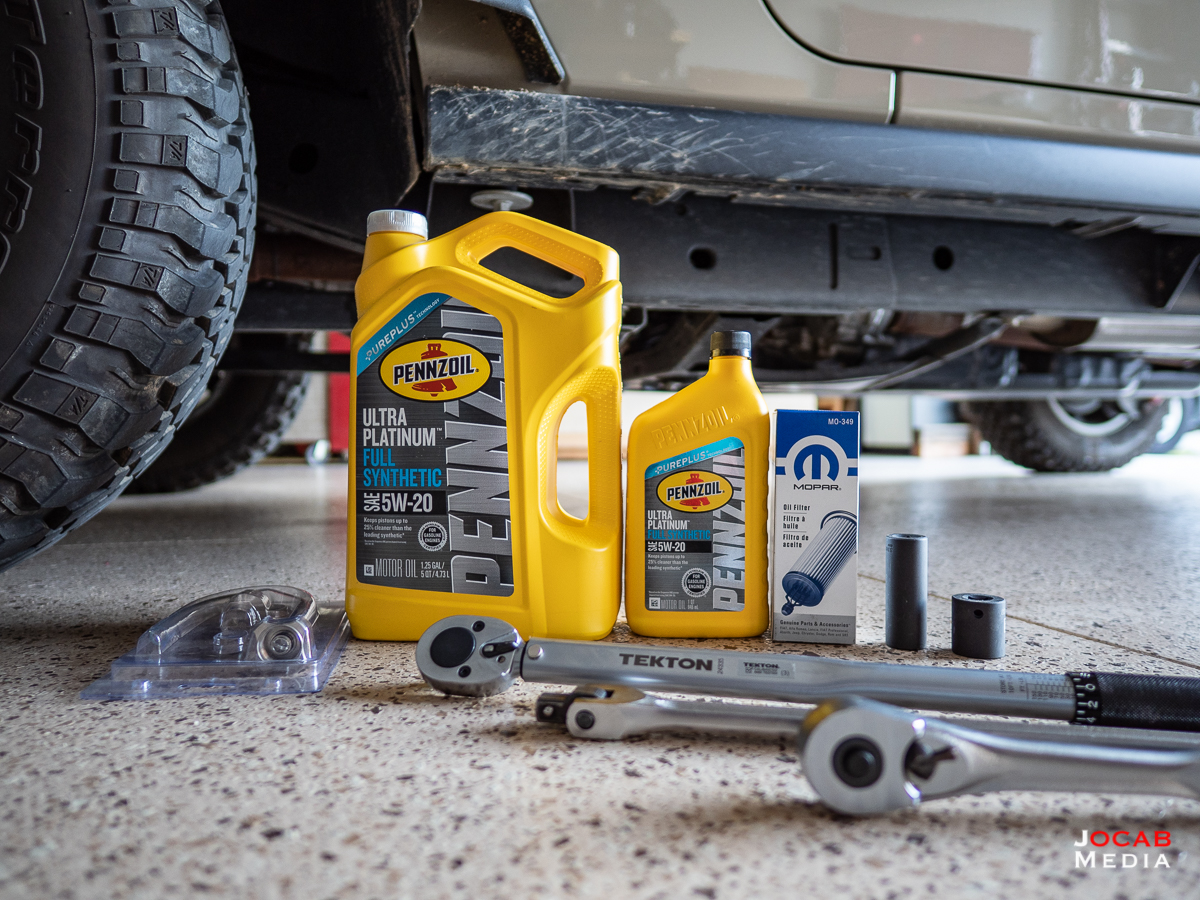
Getting ready before you start saves time and prevents mistakes. Here’s what you’ll need:
- Oil filter wrench – To remove the old oil filter
- Socket wrench set – Usually, a 13mm or 15mm socket fits most Jeep oil drain plugs
- Oil catch pan – To collect old oil
- Funnel – For pouring new oil
- New oil filter – Check your Jeep’s manual for the right type
- Engine oil – The amount and type vary by model (see table below)
- Gloves and rags – To keep your hands and workspace clean
- Car jack and jack stands (if needed) – For clearance under your Jeep
- Oil filter gasket or O-ring – Some filters include a new one
Here’s a quick comparison of oil types and amounts for common Jeep models:
| Jeep Model | Engine Size | Oil Type | Oil Capacity (Quarts) |
|---|---|---|---|
| Wrangler (JK, 2012-2018) | 3.6L V6 | 5W-20 | 6.0 |
| Cherokee (KL, 2014-2021) | 2.4L I4 | 0W-20 | 5.5 |
| Grand Cherokee (WK2, 2011-2021) | 5.7L V8 | 5W-20 | 7.0 |
Always double-check your owner’s manual for the exact specifications.
Preparing Your Jeep For An Oil Change
Before starting, park your Jeep on a level surface and let the engine cool for at least 10 minutes. Warm oil drains easier, but you don’t want it too hot to touch. Engage the parking brake for safety. If your Jeep sits low, use a car jack and jack stands for extra space underneath, making sure the vehicle is secure before crawling under.
Lay out your tools and open the new oil container and filter. This makes the process smoother, especially if you’re in a tight space.
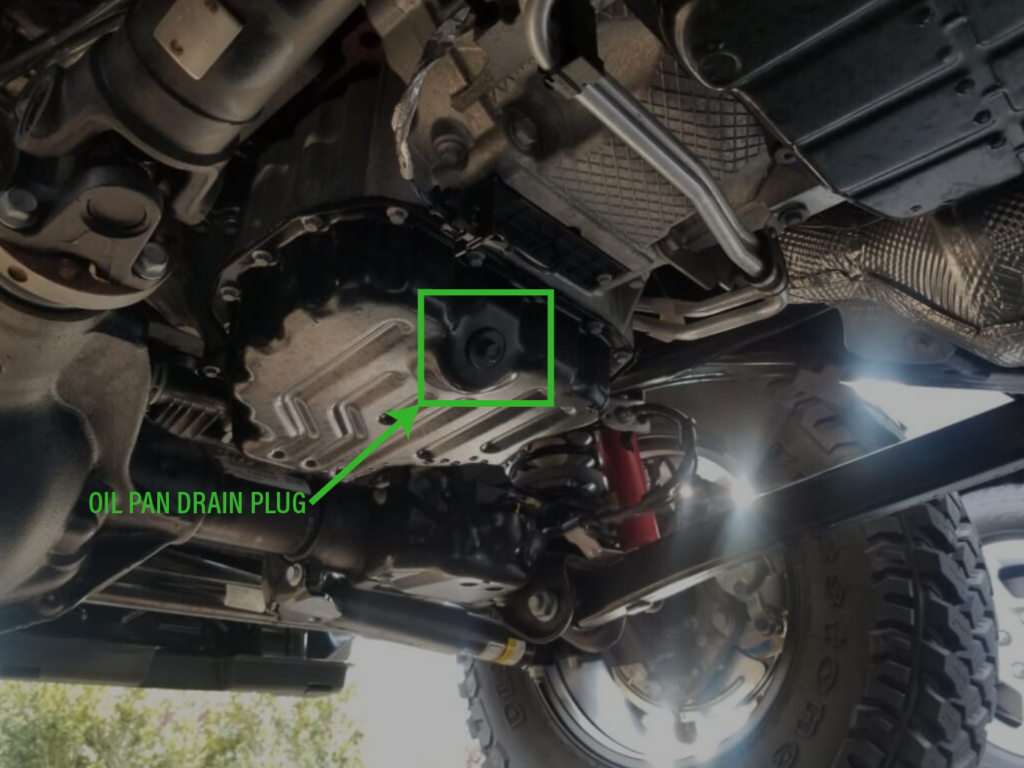
Place the oil catch pan under the oil drain plug, and make sure it’s big enough to hold all the old oil.
Step-by-step Guide To Changing Oil In A Jeep
Changing your oil follows a simple pattern, but attention to detail makes the difference. Here’s how to do it:
1. Remove The Oil Drain Plug
Using your socket wrench, loosen the oil drain plug at the bottom of the oil pan. Turn the plug counterclockwise.
Be careful the oil may flow out quickly, so position your catch pan to avoid spills. Allow all the old oil to drain out.
This usually takes 5-10 minutes.
2. Remove And Replace The Oil Filter
While the oil drains, locate the oil filter. It may be on the side or bottom of the engine block.
Use the oil filter wrench to loosen and remove it. Some oil will spill, so keep the pan underneath.
Before installing the new filter, rub a little fresh oil on the gasket or O-ring (this helps it seal better).
Screw on the new filter by hand tighten it snug, but don’t over-tighten.
3. Reinstall The Drain Plug
Once the oil has stopped dripping, clean the drain plug and its threads. Inspect the plug’s washer or gasket; replace if worn.
Reinstall the plug and tighten with your socket wrench. Don’t overtighten it should be secure but not forced.
4. Add New Oil
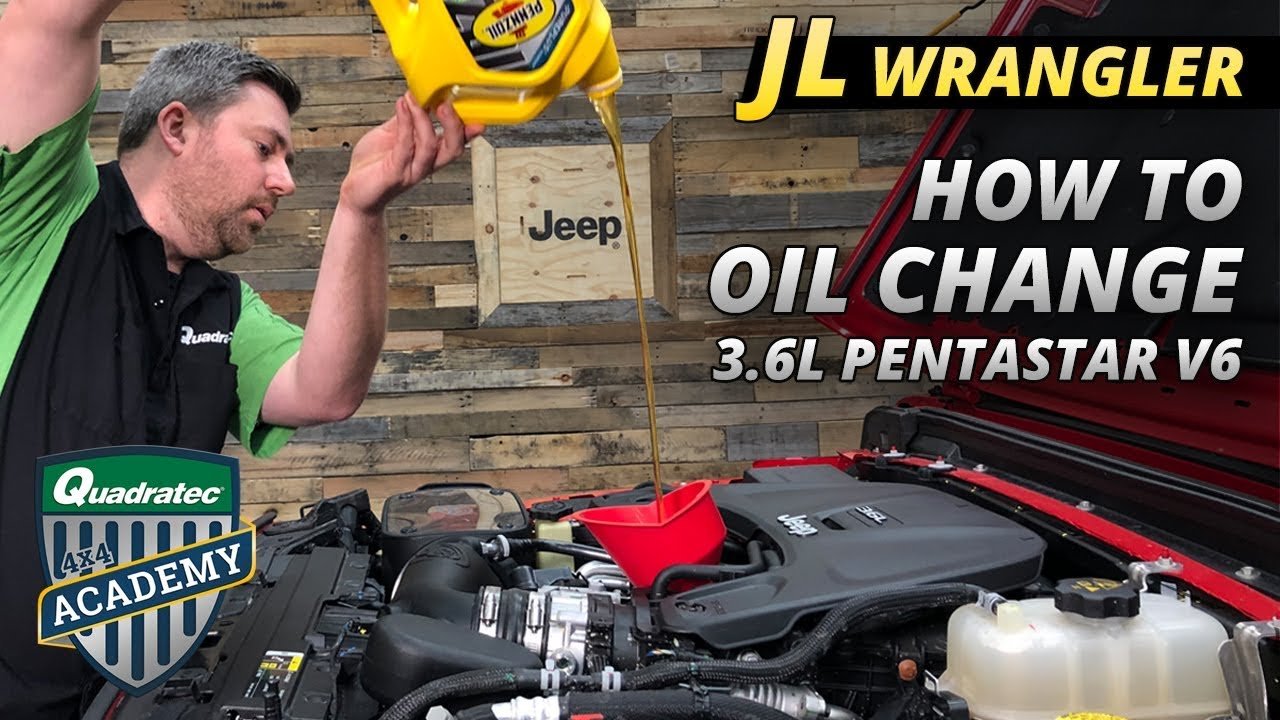
Find the oil fill cap on top of your engine. Remove it and place a funnel inside the opening.
Pour in the new oil, using the amount listed in your owner’s manual. Add oil slowly to avoid overfilling. Replace the cap when done.
5. Check For Leaks
Start your engine and let it run for about a minute. Watch under the Jeep for leaks from the drain plug or filter.
Turn off the engine and wait a few minutes, then check the oil level with the dipstick.
Add more if needed, but don’t go over the max line.
6. Dispose Of Old Oil Properly
Never pour old oil down the drain or throw it in the trash. Most auto parts stores and recycling centers accept used oil for free.
Pour the old oil into a sealed container and take it for recycling.
Common Mistakes To Avoid
Even a simple oil change can go wrong if you rush or skip steps. Watch out for these errors:
- Using the wrong oil type – Always match your Jeep’s requirements
- Forgetting to replace the oil filter – Old filters can contaminate new oil
- Over-tightening the drain plug or filter – Can damage threads or the gasket
- Not checking the oil level after filling – Too much or too little oil can harm your engine
- Failing to dispose of oil safely – Illegal dumping hurts the environment and can lead to fines
A surprising fact: Overfilling is just as bad as running low on oil. Too much oil increases pressure and can damage seals or cause leaks.
How Much Does It Cost To Change Oil In A Jeep?
Doing your own oil change is usually much cheaper than going to a shop. Here’s a quick breakdown:
| Expense | DIY Cost | Shop Cost |
|---|---|---|
| Oil (5-7 quarts) | $25-$45 | Included |
| Oil Filter | $7-$15 | Included |
| Labor | $0 | $30-$60 |
| Total | $32-$60 | $60-$120 |
Changing oil yourself can cut the cost in half or more. Plus, you know the job was done right.
Tips For A Smooth Oil Change
A few extra tips can make your oil change easier and cleaner:
- Wear gloves to avoid skin contact with used oil
- Warm up the engine for 2-3 minutes, then let it cool before starting
- Use a large drip pan to avoid messy spills
- Label your oil containers so you don’t mix old and new oil
- Record the mileage and date after each oil change for your records
Many Jeep owners forget to reset the oil life indicator after changing oil. Check your manual for the reset process usually, it’s a simple button sequence on your dashboard.
How Oil Choice Affects Jeep Performance
The oil you choose matters more than most people realize. Using the correct viscosity (like 5W-20 or 0W-20) ensures your engine runs smoothly in all temperatures. Synthetic oils last longer and protect better under tough conditions, making them a good choice for Jeeps driven off-road or in hot climates.
Here’s a comparison of conventional vs. synthetic oil:
| Oil Type | Change Interval | Protection Level | Cost per Quart |
|---|---|---|---|
| Conventional | 3,000–5,000 miles | Good | $5–$7 |
| Synthetic | 7,500–10,000 miles | Excellent | $8–$12 |
While synthetic oil costs more upfront, it can save money and offer better protection over time.
Two Insights Most Beginners Miss
- Oil filter orientation matters: When installing a new oil filter, make sure the rubber gasket seats flat against the engine. A crooked filter can leak, even if it feels tight.
- Don’t trust the first dipstick reading: After adding new oil and running the engine, wait a few minutes and check again. The oil needs time to settle for an accurate reading.
Many beginners also forget to check for leaks after starting the engine. Even a small drip can turn into a big problem if left unnoticed.
When To See A Professional
Most Jeep owners can handle an oil change, but there are times when it’s best to visit a mechanic:
- If the oil drain plug is stripped or stuck
- If you see metal flakes or milky color in the old oil (could mean engine trouble)
- If you’re uncomfortable working under the car
Having a trusted professional for tough jobs helps keep your Jeep reliable.
Frequently Asked Questions
How Often Should I Change Oil In My Jeep?
Most Jeep models need an oil change every 5,000 to 7,500 miles, but always check your owner’s manual. Driving in harsh conditions (like off-roading or extreme heat) may require more frequent changes.
Can I Use Synthetic Oil In My Jeep?
Yes, synthetic oil is safe for all modern Jeeps and often recommended for better protection, especially in tough driving conditions or extreme temperatures.
What Happens If I Overfill My Jeep’s Engine Oil?
Overfilling can cause foaming, leaks, or seal damage. If you realize you’ve added too much, drain some oil out immediately to protect your engine.
Is It Safe To Change Oil Without Lifting My Jeep?
Many Jeeps have enough ground clearance for an oil change without a jack. However, if you need more space, always use jack stands—never rely on a jack alone for safety.
Where Can I Recycle Used Oil?
Most auto parts stores and local recycling centers accept used oil for free. Never pour it down the drain or throw it away. You can learn more about recycling options from the EPA.
Changing oil in your Jeep is a simple task that pays off with better performance, longer engine life, and money saved. With the right tools, a little patience, and the guidance in this article, you’ll handle your next oil change like a pro.