Changing the rear wiper on a Jeep might seem like a simple task, but many people struggle with it. The rear wiper is easy to overlook, but it plays a crucial role in keeping your rear window clear during rain, snow, and dust.
If you notice streaks or a squeaking sound, it’s probably time for a replacement. Doing it yourself can save money and prevent visibility problems, especially during bad weather.
Tools And Materials You Need
Before you start, make sure you have the right items. Most Jeep models like the Cherokee, Grand Cherokee, or Wrangler use similar rear wiper blades, but always check your owner’s manual for the exact size.
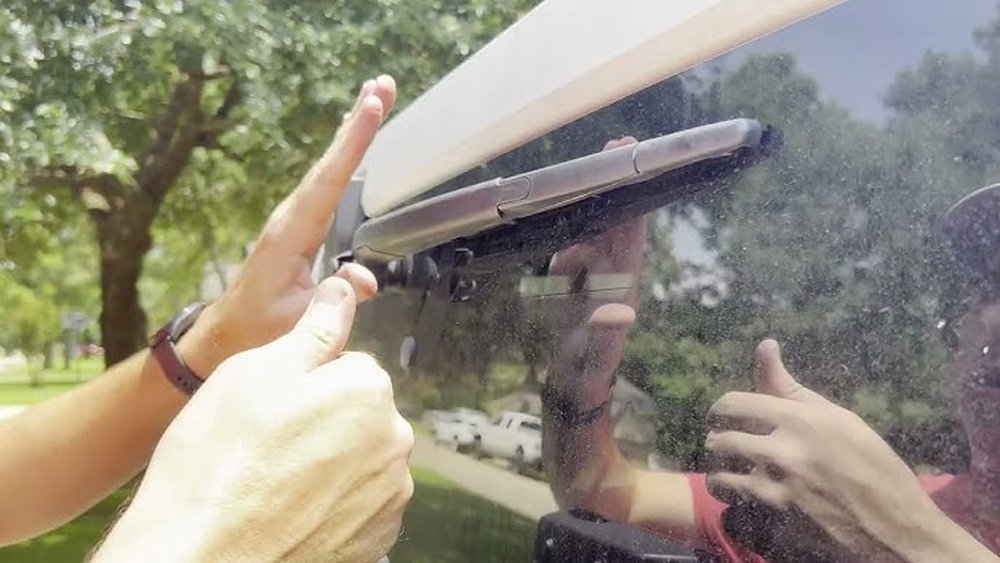
- Replacement rear wiper blade (usually 10–12 inches)
- Flathead screwdriver (sometimes needed)
- Clean cloth or paper towel
- Gloves (optional for grip and protection)
It’s common for beginners to buy the wrong size blade. Measure your old blade or double-check your Jeep’s manual before heading to the store.
Step-by-step Guide: Changing The Rear Wiper
Follow these clear steps to change your Jeep’s rear wiper blade safely and efficiently:
1. Lift The Rear Wiper Arm
Gently pull the wiper arm away from the window. It should move up easily and rest in a position where you can access the blade.
Some Jeep models have a slight resistance, so use steady force, but don’t yank it this can damage the arm.
2. Locate The Release Tab
Find the small tab or clip where the blade connects to the arm. Press or pull this tab, depending on your model, to unlock the blade.
3. Remove The Old Blade
Slide the blade down toward the window to detach it from the hook. Sometimes, the blade feels stuck wiggle gently to avoid bending the arm.
4. Prepare The New Blade
Compare the new blade with the old one to ensure correct length and connector type. If it comes with multiple adapters, pick the one that matches your arm.
5. Install The New Blade
Slide the new blade into the arm’s hook until you hear a click or feel it lock. Give it a gentle tug to make sure it’s secure.
6. Lower The Arm Back
Carefully lower the wiper arm onto the window. Don’t let it snap down, as the glass can crack.
7. Test The New Wiper
Turn on your rear wiper to check for smooth operation and clear wiping. If it streaks, double-check the installation.
Quick Comparison: Front Vs. Rear Wiper Blade Replacement
Here’s a simple comparison to highlight differences between front and rear blade changes:
| Feature | Front Wiper | Rear Wiper |
|---|---|---|
| Blade Size | 18–28 inches | 10–14 inches |
| Attachment Type | Varies (hook, pin, bayonet) | Mainly hook or pinch tab |
| Replacement Frequency | Every 6–12 months | Every 12–18 months |
Many Jeep owners overlook the rear blade because it wears out slower, but it still needs regular checks.
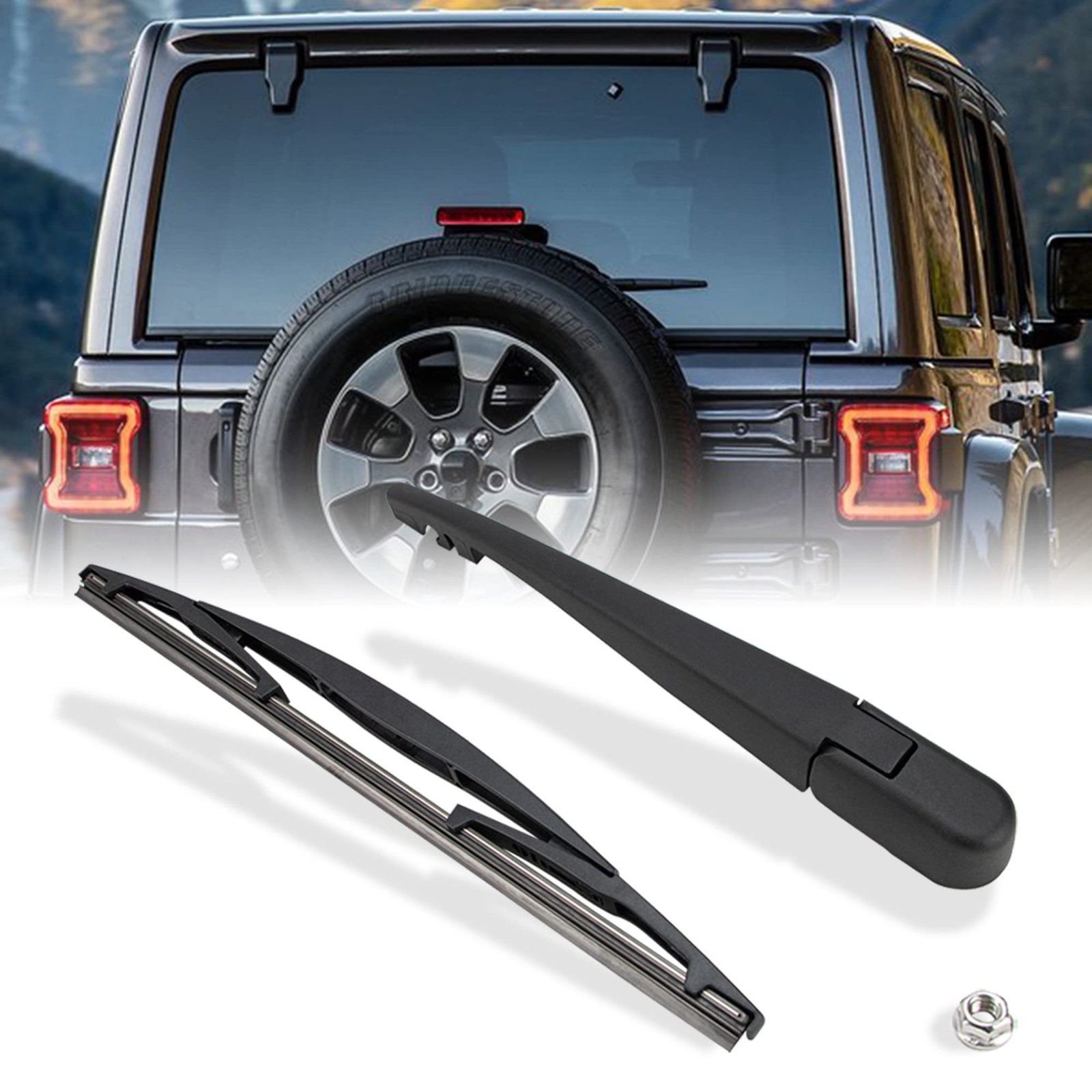
How To Choose The Right Rear Wiper Blade
Not all wiper blades are the same. The right one for your Jeep depends on:
- Model and year of your Jeep
- Length of the blade
- Connector type (hook, pinch tab, or special Jeep connector)
Buying a universal blade can seem easier, but it often leads to poor fit or weak performance. If you’re unsure, ask the auto parts store for help or consult your manual.
Oem Vs. Aftermarket Blades
Should you go with the original (OEM) blade or an aftermarket brand? Here’s a quick side-by-side look:
| Type | Pros | Cons |
|---|---|---|
| OEM | Perfect fit, reliable quality | Usually more expensive |
| Aftermarket | Cheaper, more options | Fit may vary, quality differs |
For daily use, most Jeep owners find aftermarket blades work well if you match the size and connector.
Common Mistakes To Avoid
Even a small error can lead to poor performance or damage. Here are some mistakes beginners often make:
- Forcing the wiper arm: Too much pressure can bend or break the arm.
- Buying the wrong blade size: Always measure or check your manual.
- Skipping the test: Always run the wiper after installation.
- Letting the arm snap back: This can crack your rear window.
- Ignoring the connector type: The wrong adapter can cause the blade to fall off.
One non-obvious tip: Clean the wiper arm with a cloth before installing the new blade. Dirt can cause streaks or reduce the blade’s life.
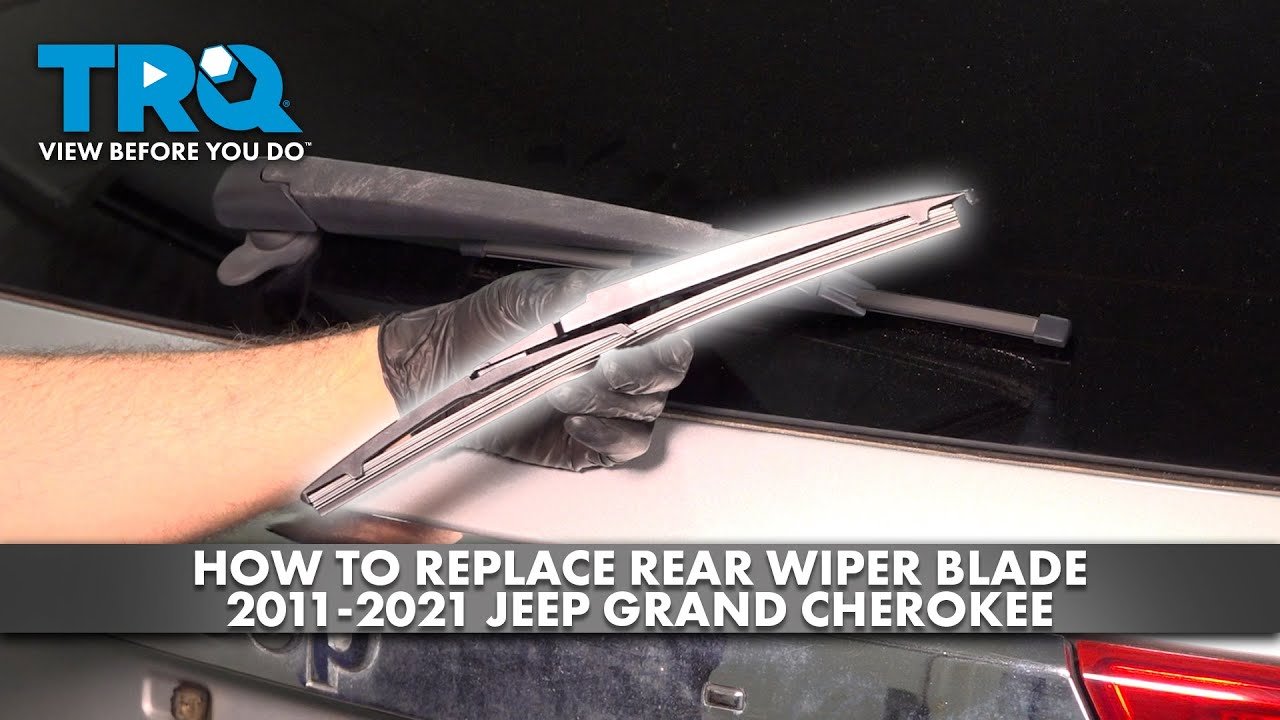
When To Replace Your Rear Wiper
Don’t wait until your rear window is nearly impossible to see through. Signs you need a new rear wiper include:
- Streaks or smears after wiping
- Chattering or squeaking noises
- Cracks or splits in the rubber blade
- Missed spots on the glass
On average, rear wiper blades last 12–18 months, but hot sun, ice, or heavy use can shorten their lifespan. For more details about wiper maintenance, visit the National Highway Traffic Safety Administration.
Real-world Example: Jeep Grand Cherokee
Let’s say you own a 2018 Jeep Grand Cherokee. The rear wiper size is 12 inches, and it uses a pinch tab connector. The process above works exactly, but you may need to use a flathead screwdriver to press the tab if it’s stiff from dirt. After replacement, drivers report a much clearer rear view, especially during heavy rain.

Frequently Asked Questions
How Often Should I Change My Jeep’s Rear Wiper Blade?
Change it every 12 18 months or if you see streaks, hear noise, or notice reduced performance.
Can I Use A Regular Wiper Blade For The Rear?
No. Rear blades are usually shorter and shaped differently.
Use the type specified for your Jeep model.
What If The New Blade Doesn’t Fit?
Double-check your Jeep’s year and model. Make sure you bought the right length and connector type.
If unsure, consult the store or your manual.
Is It Okay To Drive Without A Rear Wiper?
It’s not recommended. Poor rear visibility is dangerous, especially in rain or snow.
Replace your rear wiper as soon as possible.
Do I Need Any Special Tools?
Usually, no. Most rear wiper blades can be changed by hand.
A flathead screwdriver can help with stiff connectors, but it’s not always required.
Changing your Jeep’s rear wiper is a quick task that boosts safety and visibility. With the right blade and a few careful steps, you can handle this job yourself and know you’re ready for any weather ahead.


















