Changing the front wheel seal on a 1994 Jeep Wrangler is a common job for owners who want to keep their vehicle running smoothly and avoid leaks or wheel bearing damage. If you’ve noticed oil or grease leaking near your front wheels, a worn-out seal is often the cause. Replacing it can sound intimidating, but with clear steps and the right tools, many Jeep owners do this job at home and save money on repairs. This guide will walk you through the process, highlight common mistakes, and share some practical tips.
Tools And Materials You Need
Before you start, gather all the items you’ll need. Having everything ready keeps the process smooth and avoids frustration.
Tools:
- Jack and jack stands
- Lug wrench or impact wrench
- Socket set (metric and SAE)
- Pry bar or large screwdriver
- Hammer and punch
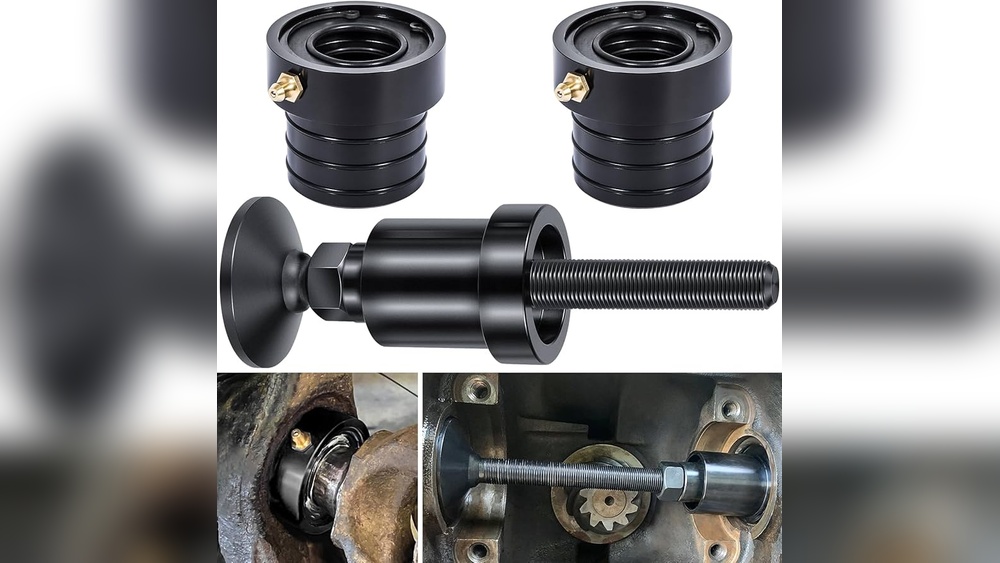
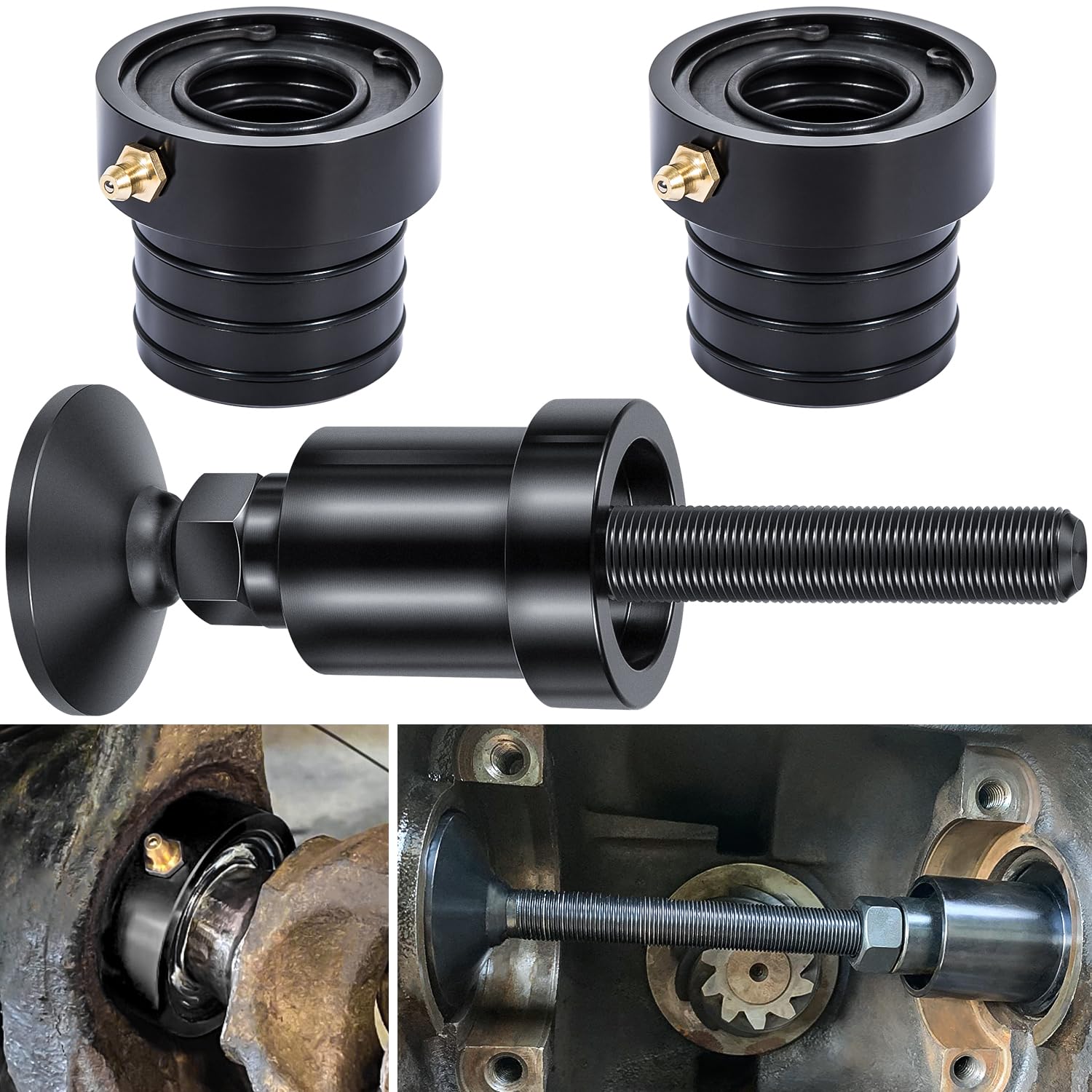
- Seal puller
- Torque wrench
Materials:
- New front wheel seal (specific for 1994 Jeep Wrangler)
- High-temperature wheel bearing grease
- Brake cleaner
- Rags or paper towels
Some owners also use gloves and safety glasses for protection.
Preparation And Safety Steps
Working on a vehicle always requires safety first. Park your Jeep on a flat surface and engage the parking brake. Loosen the front lug nuts slightly before lifting the vehicle, but don’t remove them yet. Use a reliable jack to lift the front end, then secure the vehicle with jack stands under the frame. Never rely only on the jack.
Double-check that your Jeep is stable before removing the wheels. Place the wheels under the frame as an extra safety measure in case of jack stand failure.
Removing The Front Wheel And Hub Assembly
Start with the wheel you want to service (left or right procedure is the same).
- Remove the lug nuts and take off the front wheel.
- Take off the brake caliper using the correct socket. Hang the caliper with a wire or bungee cord to avoid putting stress on the brake line.
- Remove the brake rotor. If it’s stuck, gently tap it with a rubber mallet.
- Take off the dust cap in the center of the hub using a flat screwdriver or small pry bar.
- Remove the cotter pin and the nut retainer from the axle shaft.
- Use a socket to remove the axle nut.
- Loosen and remove the hub assembly bolts (usually three 13mm bolts for this year/model).
- Pull off the hub and bearing assembly. You may need a gentle tap with a rubber mallet or a puller tool.
Practical tip: Some hubs are stuck due to rust. A little penetrating oil and gentle tapping help. Avoid using sharp blows that can damage threads or the hub.
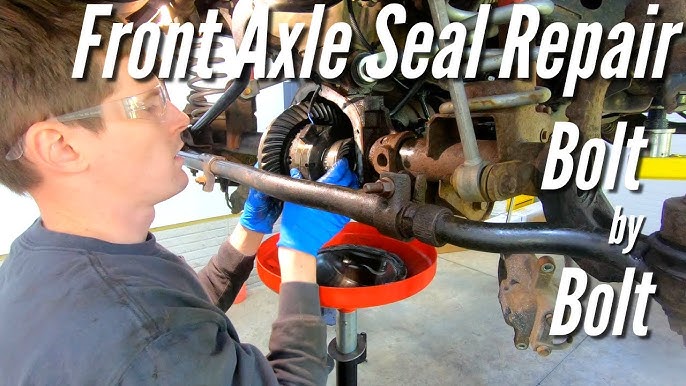
Removing The Old Wheel Seal
With the hub off, you’ll see the back side where the seal sits.
- Use a seal puller or large screwdriver to carefully pry out the old seal.
- Wipe away any dirt, grease, or old sealant with rags and brake cleaner.
Non-obvious insight: Always inspect the spindle and bearing surfaces for scoring or damage. If you see deep grooves or heat marks, replace or repair these before installing a new seal, or your leak will return.
Installing The New Wheel Seal
- Apply a thin layer of fresh wheel bearing grease to the new seal’s inner lip and the spindle surface.
- Position the new seal squarely on the hub opening.
- Use a seal installation tool or a large socket that matches the seal’s outer edge to drive it in gently. Tap around the seal edge evenly until it seats flush with the hub.
Common mistake: Hammering the seal in at an angle can cause leaks. Double-check that the seal is straight and fully seated.
Reinstalling The Hub And Wheel
- Grease the bearing if it was removed during the process.
- Slide the hub assembly back onto the spindle.
- Install the axle nut and tighten it to the specified torque (usually 175-200 ft-lbs for this model, but always check your service manual).
- Reinstall the nut retainer and a new cotter pin.
- Place the dust cap back on.
- Slide the brake rotor and caliper back into position.
- Tighten the caliper bolts to spec.
- Mount the wheel, hand-tighten the lug nuts.
- Lower the vehicle and torque the lug nuts to factory specification (typically 85-115 ft-lbs for Jeep wheels).
Checking Your Work
After everything is reassembled:
- Spin the wheel by hand. It should turn smoothly, with no grinding or resistance.
- Press the brake pedal to ensure the caliper seats correctly.
- Check for leaks after a short test drive.
A final tip: Re-check the axle nut and lug nut torque after driving 50 miles. Seals can sometimes settle, and bolts may loosen slightly.
Data: Wheel Seal Lifespan And Failure Symptoms
Here’s a summary of key data about wheel seal lifespan and common failure signs.
| Wheel Seal Lifespan (miles) | Common Failure Signs | When to Replace |
|---|---|---|
| 70,000–100,000 | Grease/oil leaks, noise, vibration | Leak is visible, or during bearing service |
| Less if off-road use | Grease on wheel or brake parts | After deep water crossings or mud |
Comparison: Oem Vs. Aftermarket Wheel Seals
Jeep owners often ask whether to buy OEM (original) or aftermarket seals. Here’s a quick comparison:
| Type | Pros | Cons |
|---|---|---|
| OEM | Guaranteed fit, higher quality | More expensive |
| Aftermarket | Lower price, wide selection | Quality varies, possible fit issues |
- Not cleaning the hub or spindle: Dirt or old grease left behind can cause a new seal to leak immediately.
- Skipping bearing inspection: Even if the seal is your focus, always check bearings for wear. Replacing a seal without fixing a worn bearing is a temporary solution.
Real-world Example
Suppose your 1994 Jeep Wrangler has started leaving a small puddle near the front wheel after parking overnight. Upon removing the wheel, you see grease lines running from the hub.
Following the steps above, you replace the seal, clean the area, and the leak stops.
But two weeks later, another leak appears. On closer inspection, you find the spindle has a deep groove from a previous worn-out seal.
This example shows why a quick inspection during the job prevents repeat repairs.
Practical Tips To Make The Job Easier
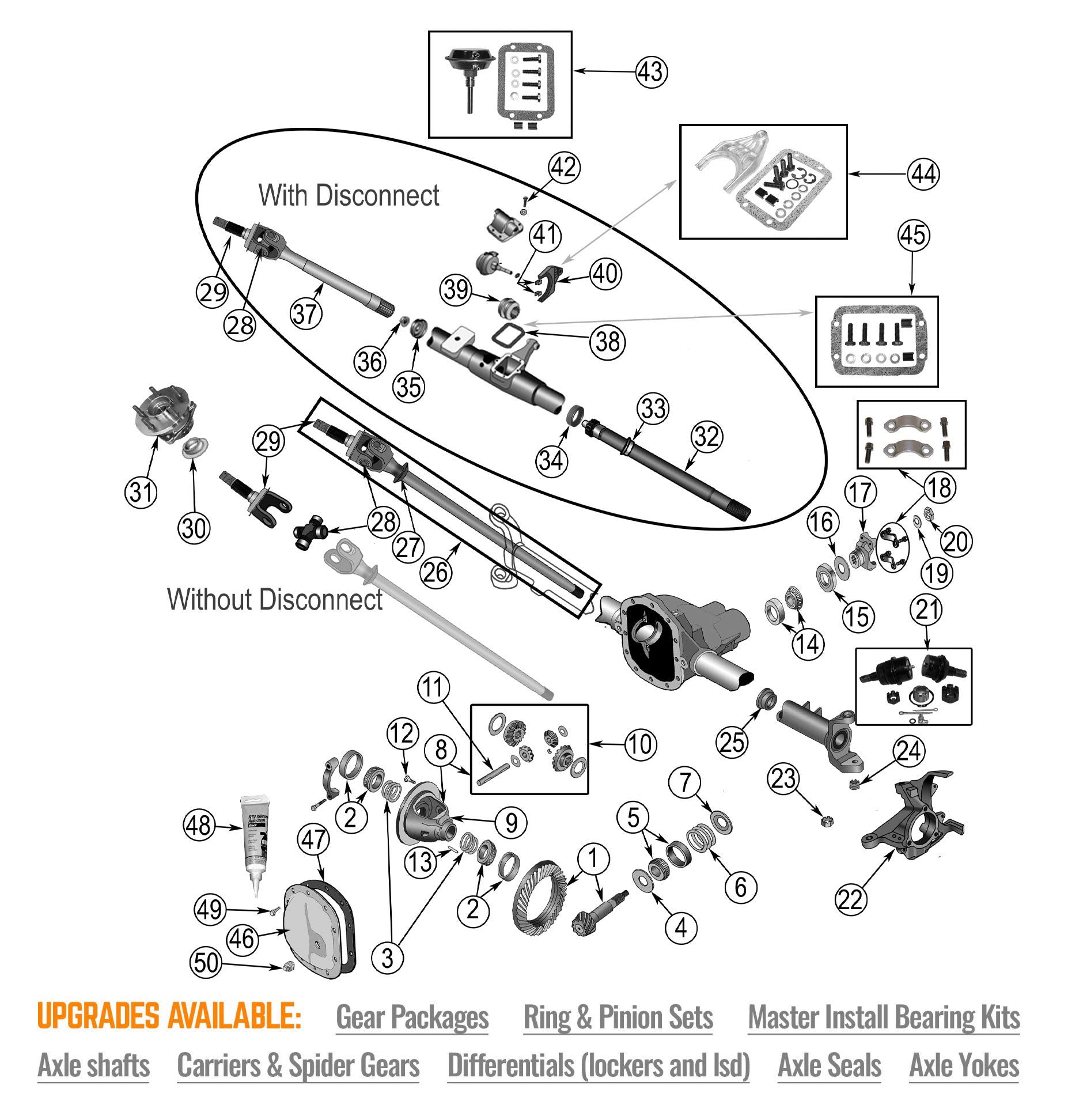
- Take photos during disassembly. This helps you remember the order of parts.
- Organize bolts and small parts in cups or a magnetic tray.
- If the hub won’t come off, gently tap around the base instead of pulling on the studs, which can bend or break them.
How Long Will It Take?
For most DIYers, plan about 1-2 hours per wheel, depending on your tools and experience. A shop might do it faster, but taking your time avoids mistakes.
Cost Breakdown
A typical wheel seal for a 1994 Jeep Wrangler costs $10–$25. If you buy both sides, expect to pay $20–$50. A professional repair shop may charge $150–$250 per side, including labor.
Here’s a cost comparison:
| DIY Cost | Shop Cost | What’s Included |
|---|---|---|
| $20–$50 (parts only) | $150–$250 per side | Parts, labor, inspection |
When To Replace Both Seals
If one seal has failed, the other may be close to the end of its life. Changing both front seals at the same time saves effort and ensures balanced wear.
This is especially true if your Jeep sees off-road use, heavy mud, or water crossings.
Where To Find The Right Seal
Always match your new seal to your Jeep’s VIN or bring the old seal to the parts store. This avoids fit issues, as small changes exist between model years or trim levels. Trusted brands like Timken or National make reliable replacements.
For more technical background on wheel seals and bearings, you can visit the Wikipedia Wheel Bearing Page.
How Do I Know If My Front Wheel Seal Is Bad?
You’ll often see grease or oil leaking near the wheel, or notice dirt sticking to a wet area around the hub. Other signs include noise while driving, vibration, or a burning smell from grease on hot brakes.
Can I Drive My Jeep With A Leaking Wheel Seal?
It’s risky. A leaking seal can let dirt in and grease out, which may damage the wheel bearing. This can lead to more expensive repairs and even wheel failure. It’s best to fix the leak as soon as possible.
Do I Need Any Special Tools For This Job?
Most tools are basic, but a seal puller and a large socket or seal installer are helpful. You’ll also need a torque wrench to ensure bolts are tightened to specification.
Should I Replace Both Front Wheel Seals At The Same Time?
It’s a good idea, especially if your Jeep is older or used off-road. Seals wear at similar rates. Replacing both saves time and ensures even protection.
What Grease Should I Use For The Bearings And Seal?
Use high-temperature wheel bearing grease designed for disc brakes. Don’t use general-purpose or chassis grease, as it may break down with heat.
Replacing a front wheel seal on a 1994 Jeep Wrangler is a job that rewards careful work and attention to detail. With the right tools, a little patience, and the guidance above, you can tackle this repair confidently.
It’s a great way to learn more about your Jeep and save money while keeping it ready for the road or trail.