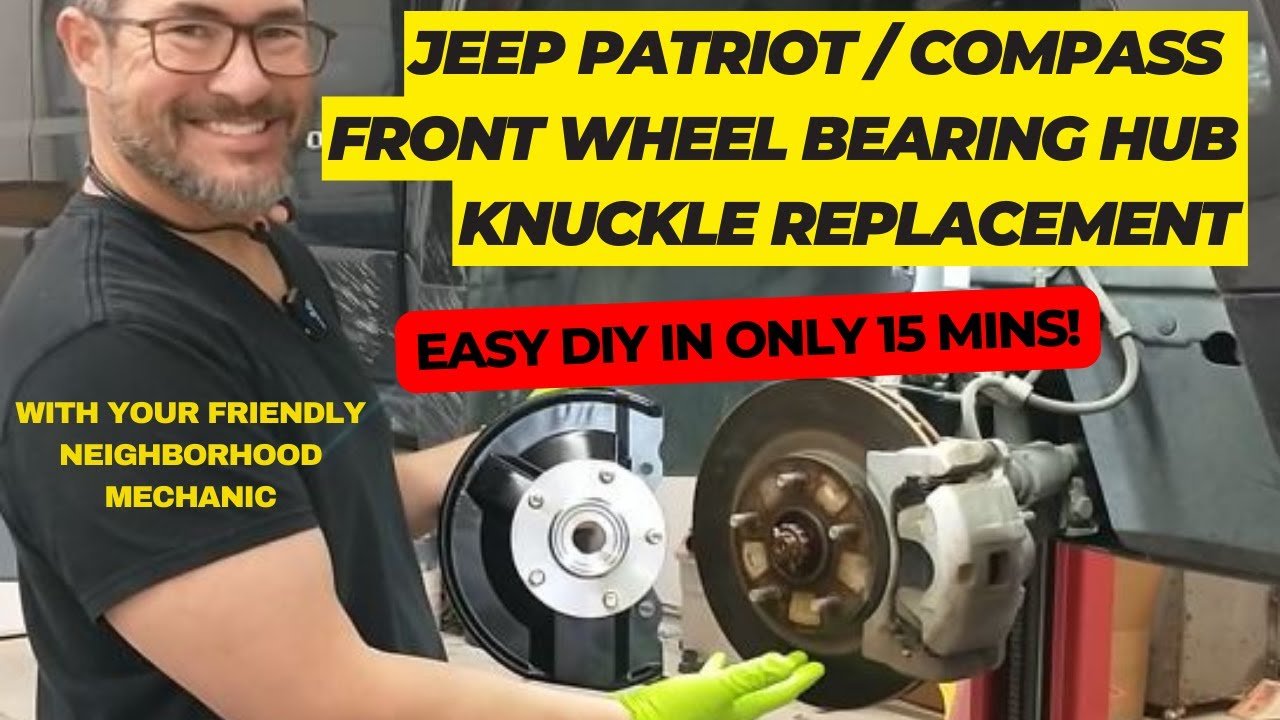
Changing the front wheel bearings on a 2008 Jeep Compass is a job that requires some patience, the right tools, and a careful approach. If you notice a humming, grinding noise, or vibration from the wheels, your bearings might be worn out.
Replacing them can restore smooth driving and prevent further damage. Many Jeep owners choose to do this themselves to save money, but it’s important to understand each step and avoid common mistakes.
This guide walks you through the whole process—from preparation to reassembly—so you can tackle the job with confidence, even if you’re not a professional mechanic.
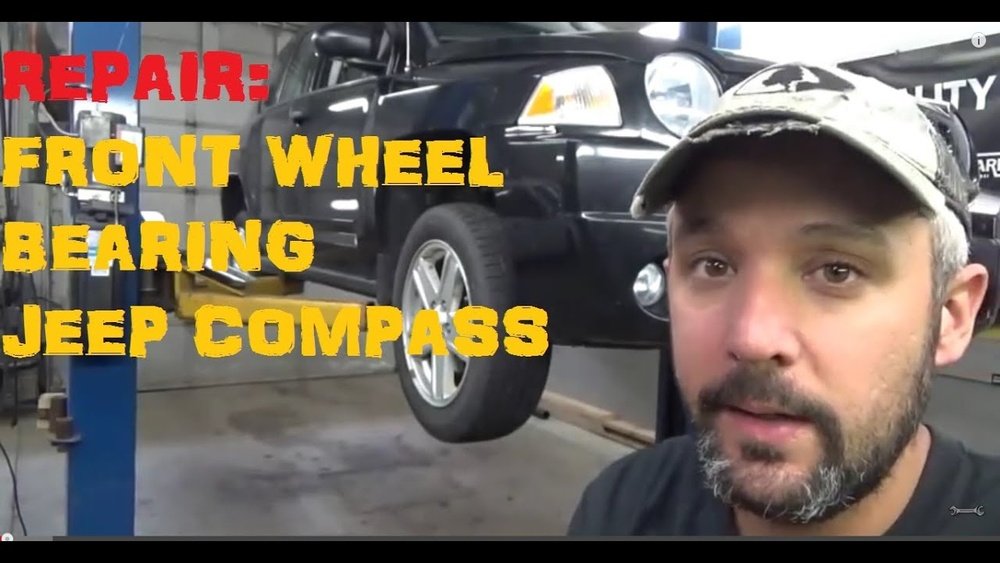
Understanding Front Wheel Bearings On The 2008 Jeep Compass
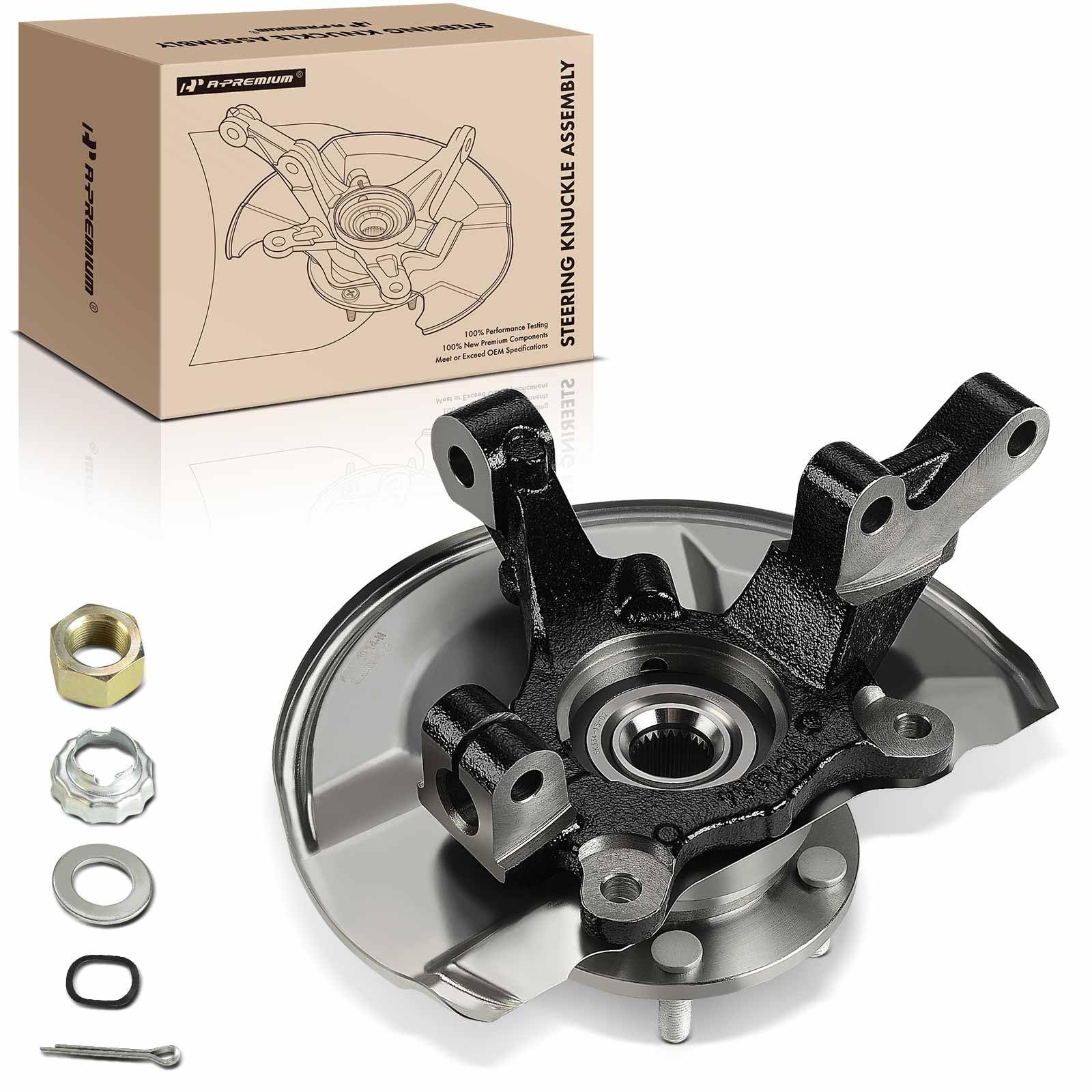
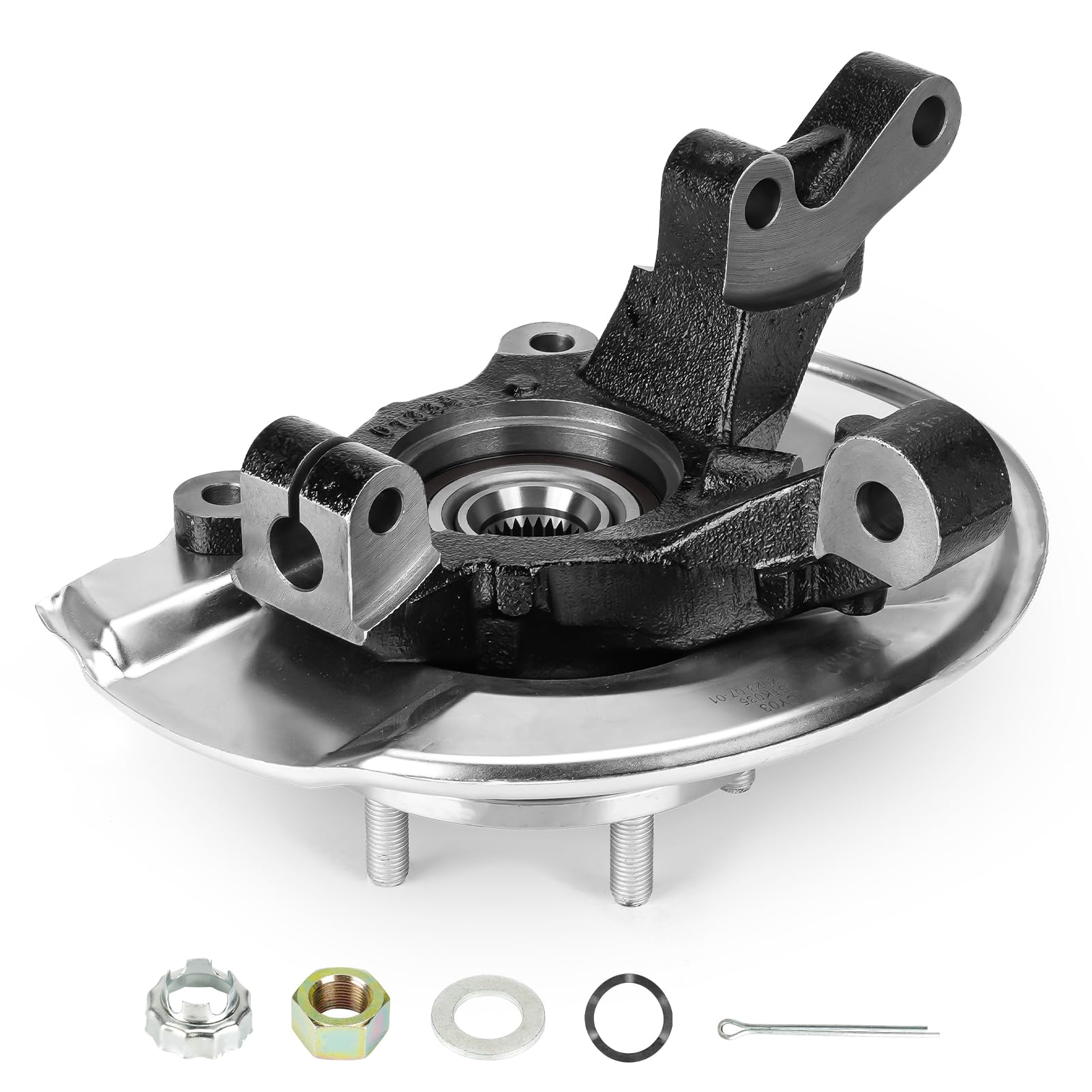
Front wheel bearings let your wheels spin smoothly with little friction. On the 2008 Jeep Compass, the front bearings are pressed into the steering knuckle and are a part of the wheel hub assembly. If these bearings fail, you’ll hear noise when driving, feel vibration in the steering, or even see uneven tire wear. Replacing them early prevents safety risks and more expensive repairs.
Replacing bearings on this Jeep isn’t as simple as on older cars. The bearings are not bolt-on but pressed in, so you’ll need special tools or access to a press.
What You’ll Need: Tools And Parts
Before starting, gather all the tools and parts required. This avoids delays and makes the job smoother.
Parts:
- New front wheel bearing (one per wheel; check compatibility for 2008 Jeep Compass)
- Wheel hub assembly (recommended if your hub is worn)
Tools:
- Jack and jack stands
- Lug wrench
- Socket set (metric, deep sockets)
- Breaker bar
- Torque wrench
- Hammer and punch
- Pry bar
- Snap ring pliers
- Bearing press kit (or access to a hydraulic press)
- Large C-clamp (optional)
- Flathead screwdriver
- Needle-nose pliers
- Replacement cotter pin
- Anti-seize compound and high-temp wheel bearing grease
- Brake cleaner and rags
Safety items:
- Safety glasses
- Mechanic gloves
Preparing Your Jeep Compass
- Park on a level surface: Engage the parking brake.
- Loosen lug nuts: Loosen (but do not remove) the wheel lug nuts with the lug wrench.
- Lift the car: Use a jack to raise the front of the Jeep. Support with jack stands under the frame for safety.
- Remove the wheels: Take off the lug nuts and wheels for clear access.
Removing The Old Wheel Bearing
1. Remove The Brake Caliper And Rotor
- Use a socket and ratchet to remove the two bolts holding the brake caliper.
- Hang the caliper with a zip tie or wire—don’t let it dangle from the brake hose.
- Slide off the brake rotor.
2. Remove The Axle Nut
- Use a breaker bar and the correct socket size (usually 32mm) to loosen the axle nut.
- If it’s stuck, use penetrating oil and let it soak.
- Remove the nut completely.
3. Disconnect The Steering Knuckle
- Remove the tie rod end cotter pin and nut. Use a puller or tap with a hammer to loosen the joint.
- Disconnect the lower ball joint from the steering knuckle. Use a pry bar if needed.
- Remove the bolts connecting the strut to the knuckle.
- Carefully pull the knuckle out and away from the axle.
4. Remove The Hub Assembly
- Use a hammer and punch to push the axle out from the hub. Take care not to damage the threads.
- Remove the snap ring (if present) holding the bearing in the knuckle.
- If the hub is separate from the bearing, remove it with a bearing/hub puller.
5. Remove The Bearing
- Use a bearing press kit or take the knuckle to a shop with a hydraulic press.
- Press the old bearing out of the knuckle. Be careful not to damage the knuckle.
Installing The New Wheel Bearing
1. Clean And Inspect
- Clean the steering knuckle and hub. Remove old grease and dirt.
- Check for cracks or damage. Replace parts if needed.
2. Press In The New Bearing
- Align the new bearing with the knuckle.
- Press it in slowly using the bearing press kit or hydraulic press.
- Make sure the bearing seats fully and evenly.
3. Reinstall The Hub
- Insert the hub into the new bearing.
- Press the hub in carefully to avoid damaging the new bearing.
4. Reassemble The Knuckle
- Reinstall the snap ring (if equipped).
- Put the knuckle back onto the axle.
- Reattach the strut bolts, lower ball joint, and tie rod end.
- Install a new cotter pin in the tie rod end.
5. Torque Everything To Spec
- Tighten all bolts to factory torque specs (check your repair manual for exact numbers).
- Install the axle nut and torque it correctly. Use a new cotter pin if needed.
6. Reinstall Brakes And Wheel
- Slide the brake rotor back on.
- Reinstall the brake caliper and bolts.
- Put the wheel back on and hand-tighten the lug nuts.
7. Lower Vehicle And Final Torque
- Lower the Jeep off the jack stands.
- Torque the lug nuts in a star pattern to factory spec.
Common Mistakes And How To Avoid Them
Changing wheel bearings isn’t difficult if you prepare well, but some mistakes can cause trouble:
- Not using a press: Trying to install bearings with a hammer can damage both the bearing and knuckle.
- Skipping torque specs: Over-tightening or under-tightening can lead to unsafe driving and more repairs.
- Forgetting the snap ring: Some bearings use a snap ring; missing it can let the bearing move or fail.
- Not supporting the vehicle safely: Never work under a car supported only by a jack.
Data: Symptoms And Bearing Life
Here’s a quick look at the most common signs your bearings are failing and average bearing lifespan:
| Symptom | Common Cause | Action Needed |
|---|---|---|
| Humming noise | Worn bearing | Replace bearing |
| Grinding sound | Severe wear | Replace ASAP |
| Steering vibration | Loose/damaged bearing | Inspect and replace |
| Uneven tire wear | Loose hub assembly | Check hub/bearing |
Wheel bearings on most vehicles last between 85,000 and 100,000 miles. If your Jeep has high mileage or sees rough roads, check bearings more often.
Cost Comparison: Diy Vs. Professional Shop
If you’re deciding whether to do the job yourself or hire a mechanic, this comparison can help:
| Option | Parts Cost | Labor Cost | Total Estimate |
|---|---|---|---|
| DIY | $45–$90 per bearing | $0 | $45–$90 per wheel |
| Professional Shop | $45–$90 per bearing | $150–$300 | $200–$390 per wheel |
Doing it yourself can save a lot, but only if you have the right tools and some experience.
Practical Tips For Success
- Buy quality bearings: Cheap bearings can fail quickly. Choose brands with good reviews.
- Take pictures: Before removing parts, snap photos to help remember the order.
- Label bolts: Some bolts are different lengths—keep them in order.
- Clean everything: Dirt or old grease can damage new bearings.
- Check both sides: If one bearing is bad, the other may be close to failing.
When To Seek Professional Help
If you don’t have a bearing press, or if the job feels too complex, it’s smart to ask a shop for help. Pressing bearings requires force and care done wrong, it can cause expensive damage.
Some auto parts stores will press bearings for a small fee if you bring them the knuckle and new bearing.
You can find official specifications and guidance in the Jeep Compass service manual, or check trusted resources like the National Highway Traffic Safety Administration.
After Replacement: Testing And Maintenance
Once reassembled, test drive your Jeep. Listen for unusual noises, check for smooth steering, and monitor for vibrations.
If anything feels wrong, recheck your work. After 100 miles, retorque the lug nuts and axle nut.
Regular checks: Inspect your wheel bearings every 15,000 miles, especially if you drive in harsh conditions. Early detection is key to avoiding bigger problems.
Frequently Asked Questions
How Do I Know If My Jeep Compass Wheel Bearing Is Bad?
Listen for a humming, grinding, or growling noise from the wheel area, especially as you speed up or turn. If the noise gets louder when turning, the bearing is likely worn. Vibration in the steering wheel is another sign.
Can I Drive With A Bad Front Wheel Bearing?
It’s not safe. A worn bearing can suddenly fail, causing the wheel to wobble or even come off.
This puts you and others at risk. Replace a bad bearing as soon as possible.
Do I Need An Alignment After Changing The Wheel Bearing?
Usually, you don’t need a new alignment if you only change the bearing. But if you remove the strut or tie rod ends, or if steering feels off after the repair, get an alignment check.
How Long Does It Take To Change A Front Wheel Bearing?
If you have all tools ready, expect 2 3 hours per wheel for a DIY job. With experience, it might take less time.
If you need to visit a shop for pressing, plan for extra time.
What Tools Can Replace A Hydraulic Press For This Job?
A bearing press kit (manual or screw-type) works if you don’t have a hydraulic press. Some auto part stores rent these kits.
Never use a hammer to force the bearing in you risk damaging new parts.
Replacing front wheel bearings on a 2008 Jeep Compass is a great way to save money and learn more about your vehicle. Take your time, use the right tools, and follow each step carefully. With a bit of patience and attention, you can have your Jeep running quietly and safely once again.