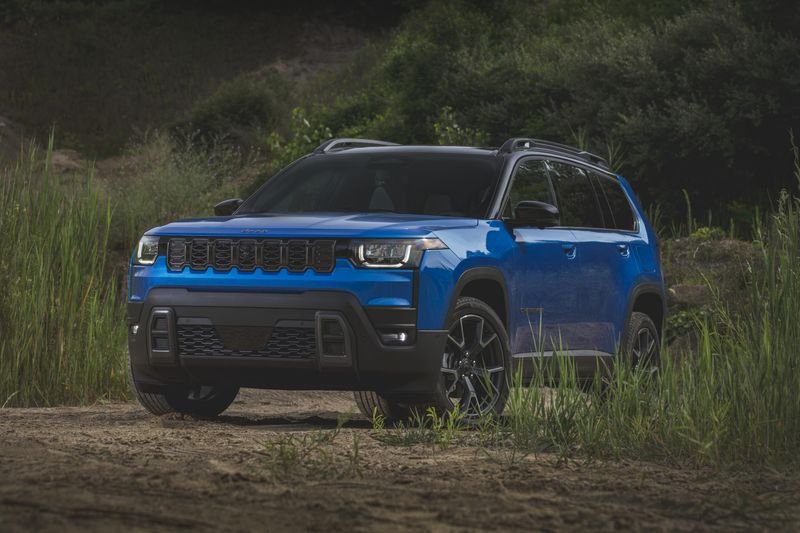
Changing the front wheel bearing on a 2007 Jeep Compass is a task that many car owners consider intimidating. However, with the right tools, clear guidance, and a bit of patience, it’s possible to tackle this job at home.
Knowing how to replace a wheel bearing can save you both time and money, and it ensures your vehicle remains safe and reliable.
This article will walk you through every step, highlight common mistakes, and share practical insights that first-time DIYers often overlook.
Understanding The Front Wheel Bearing
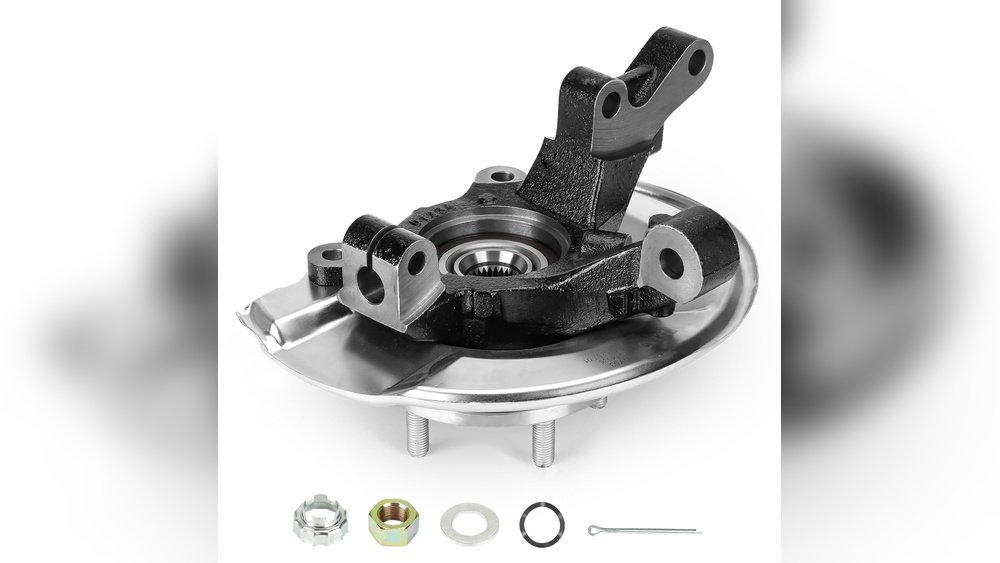
The front wheel bearing allows the wheel to rotate smoothly with minimal friction. If a bearing wears out, you may hear grinding noises, feel vibration, or notice uneven tire wear. In severe cases, a bad bearing can even cause the wheel to wobble or detach, making replacement essential for safety.
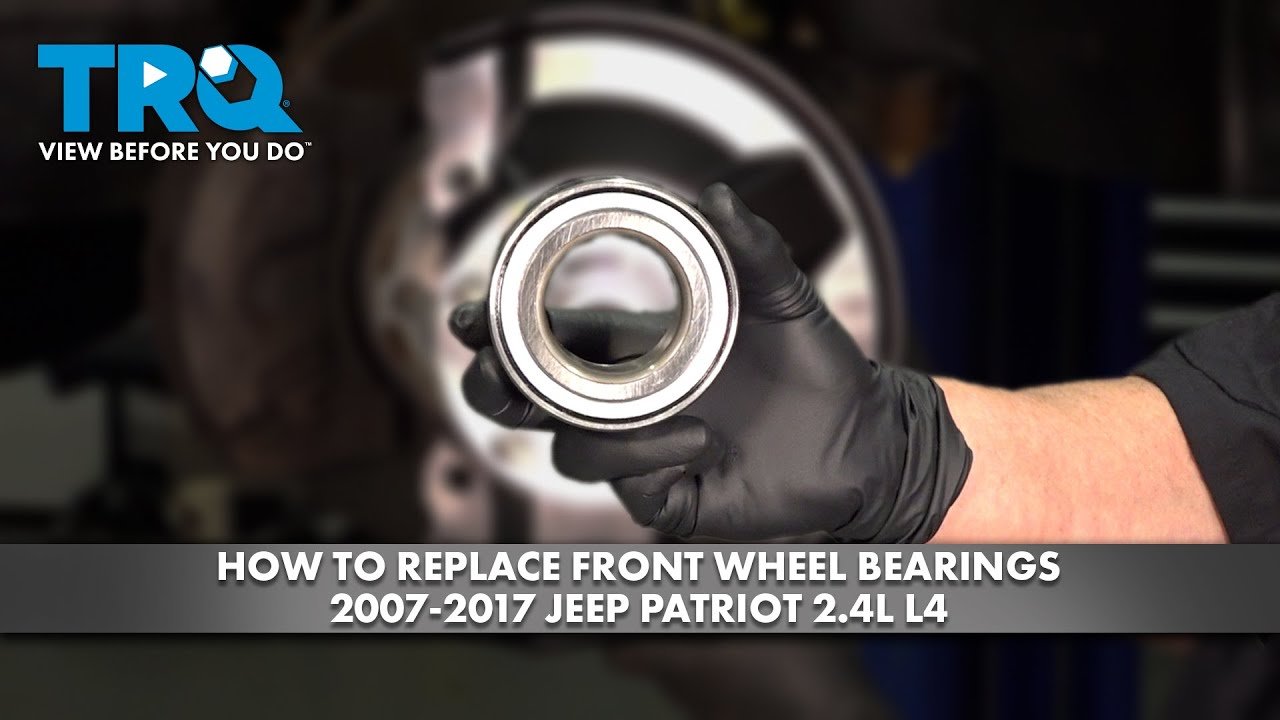
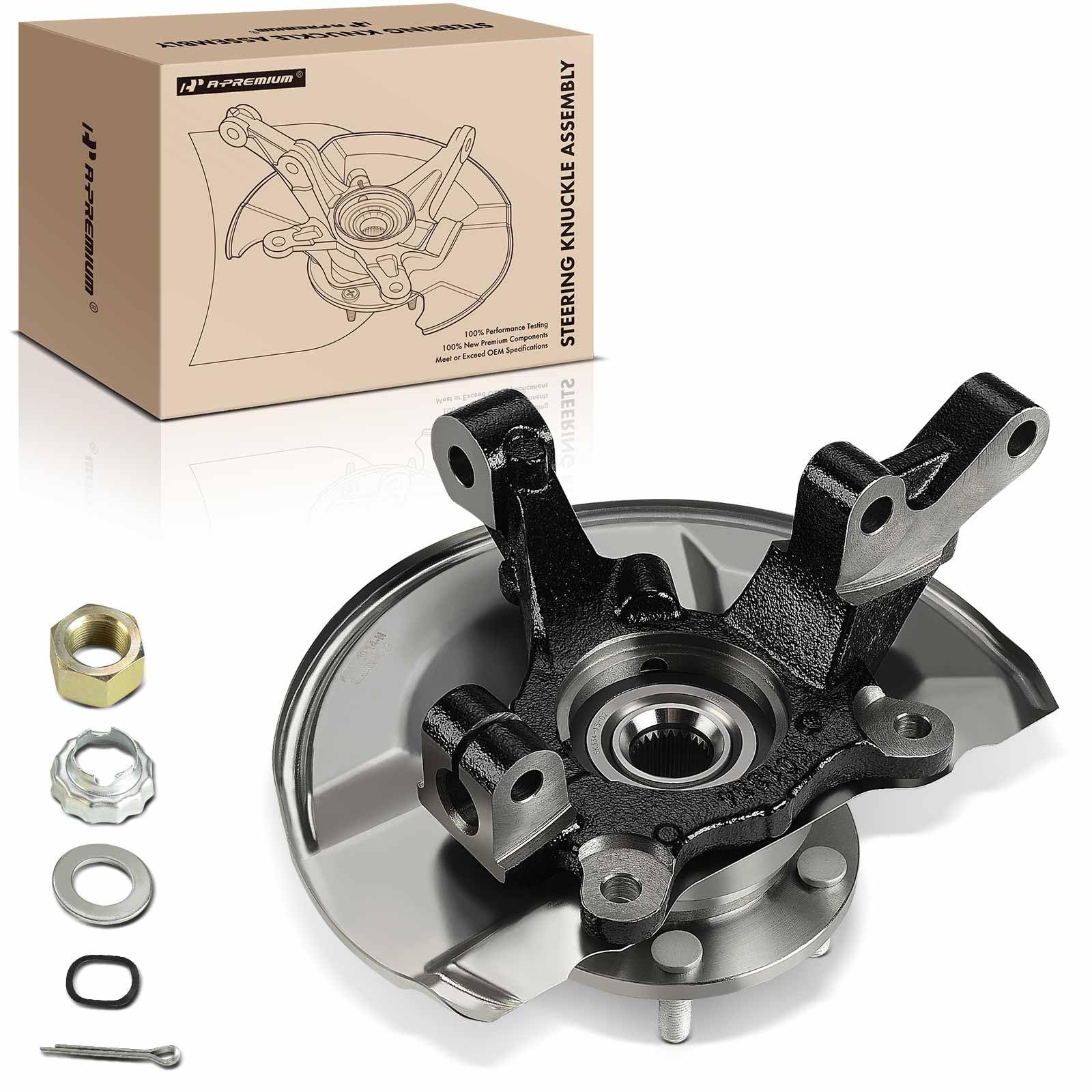
A 2007 Jeep Compass uses a hub assembly type bearing on the front wheels. This design integrates the bearing with the hub, making replacement more straightforward than older style bearings that needed pressing in and out.
Tools And Parts Needed
Before starting, gather these tools and materials:
- Jack and jack stands
- Lug wrench
- Socket set (including a 32mm axle nut socket)
- Ratchet and breaker bar
- Torque wrench
- Screwdrivers (flathead and Phillips)
- Hammer and punch
- Pliers
- New front wheel bearing/hub assembly (for 2007 Jeep Compass)
- Brake cleaner
- Anti-seize compound
- Shop rags and gloves
Having all tools ready reduces frustration and prevents unnecessary delays.
Safety Precautions
Working on suspension parts means taking extra care:
- Park the Jeep on a level surface and apply the parking brake.
- Always use jack stands to support the vehicle.
- Wear safety glasses and gloves.
- Never work under a car supported only by a jack.
Ignoring these basics can lead to serious injury.
Removing The Old Wheel Bearing
Changing the front wheel bearing involves several steps. Each step is important to ensure both your safety and the integrity of the vehicle.
1. Loosen The Axle Nut
Before lifting the vehicle, use a breaker bar and the 32mm socket to slightly loosen the axle nut on the affected wheel. Do not remove it completely yet. This nut can be extremely tight and is easier to break loose with the wheel still on the ground.
2. Lift The Vehicle And Remove The Wheel
Use the jack to lift the front of the Jeep and secure it with jack stands. Remove the wheel using the lug wrench and set it aside.
3. Remove The Brake Caliper And Rotor
Unbolt the brake caliper using the appropriate socket or wrench. Hang the caliper with a piece of wire or bungee cord to avoid stressing the brake hose. Remove the brake rotor; if it’s stuck, gently tap it with a hammer.
4. Remove The Axle Nut And Retaining Hardware
Now, fully remove the previously loosened axle nut. Keep it safe you’ll need it for reinstallation.
5. Disconnect The Wheel Speed Sensor
The 2007 Jeep Compass uses an ABS sensor at each wheel. Carefully unplug the sensor connector from the bearing hub. Don’t pull on the wires; use your fingers or a small screwdriver.
6. Unbolt The Wheel Bearing Hub Assembly
Locate and remove the three or four bolts securing the hub assembly to the steering knuckle. These are usually accessible from the rear side of the knuckle.
Use penetrating oil if they’re rusty, and a breaker bar for extra leverage.
7. Remove The Old Hub Assembly
With the bolts out, the hub may be stuck in the knuckle due to rust. Tap around the perimeter with a hammer or use a puller tool if available.
Do not strike the bearing directly. When it comes loose, slide the hub assembly off the axle shaft.
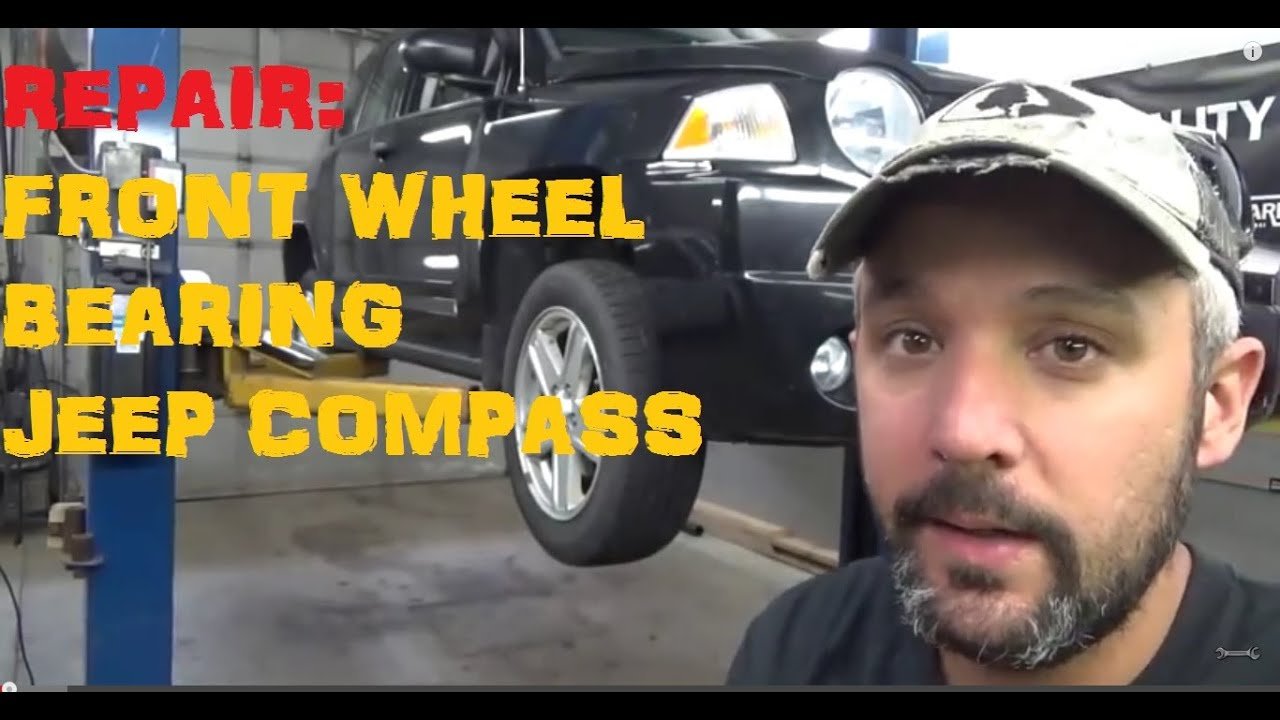
Before installing the new bearing, check these components:
- Axle shaft splines: Clean and inspect for wear.
- Knuckle bore: Remove rust or debris with a wire brush.
- ABS sensor: Check for damage and clean if necessary.
Replacing the bearing without addressing these areas can lead to premature failure or noise.
Installing The New Wheel Bearing
1. Prepare The New Bearing Hub
Compare the new hub assembly to the old one. Ensure the bolt pattern, sensor location, and connector match.
2. Apply Anti-seize Compound
Lightly coat the knuckle bore and axle splines with anti-seize. This step is often skipped but prevents rust and makes future removal easier.
3. Position The New Hub Assembly
Align the hub with the knuckle and axle shaft. Slide it into place, making sure the splines line up.
Start the bolts by hand to avoid cross-threading.
4. Tighten Hub Bolts
Torque the hub mounting bolts to the manufacturer’s specification (usually around 70–90 ft-lbs for this model). Use a torque wrench for accuracy—over-tightening can strip threads, while under-tightening can cause noise or movement.
5. Reinstall The Axle Nut
Install the axle nut and tighten it with a torque wrench to 150 ft-lbs. This is a critical torque too loose or too tight can damage the new bearing.
6. Reconnect The Abs Sensor
Plug in the sensor connector. Secure any wiring away from moving parts.
7. Reinstall Brake Rotor And Caliper
Slide the rotor back on, then reinstall the caliper. Tighten the caliper bolts firmly (about 45 ft-lbs).
Spin the rotor by hand to check for smooth movement.
8. Reinstall The Wheel
Mount the wheel, hand-tighten the lug nuts, and lower the vehicle. Final-tighten the lug nuts in a star pattern to 100 ft-lbs.
First Drive And Common Mistakes
After completing the job, take a short test drive. Listen for unusual noises and check for dashboard warning lights.
Common mistakes to avoid:
- Skipping torque specs—leads to early failure or unsafe conditions.
- Forcing bolts—damages threads or the knuckle.
- Forgetting the ABS sensor—triggers warning lights and disables traction control.
- Not cleaning the knuckle bore—causes misalignment and noise.
Address any issues immediately before regular driving.
Cost And Time Comparison
Here’s a quick comparison of doing it yourself versus a professional shop:
| Option | Estimated Cost | Time Required | Warranty |
|---|---|---|---|
| DIY Replacement | $80–$150 (parts only) | 2–3 hours | Parts only |
| Professional Shop | $300–$500 (parts + labor) | 1–2 hours | Parts & Labor |
DIY saves money but requires patience and attention to detail.
Troubleshooting After Installation
If you notice vibration, noise, or warning lights after installation, consider these checks:
- Double-check all bolts for tightness.
- Inspect ABS sensor wiring.
- Make sure the hub is fully seated.
- Confirm the axle nut is torqued properly.
Sometimes, new bearing noise can be due to a damaged CV joint or worn tires, not the bearing itself.
How To Choose The Right Wheel Bearing
Not all bearings are the same quality. For the 2007 Jeep Compass, choose OEM or reputable aftermarket brands like Timken, Moog, or SKF. Avoid the cheapest options—they often fail early.
Compare these features when shopping:
| Brand | Warranty | Country of Origin | Average Lifespan |
|---|---|---|---|
| Timken | 3 years | USA | 60,000–100,000 miles |
| Moog | Limited Lifetime | USA/Mexico | 50,000–80,000 miles |
| Budget Brand | 1 year | China | 20,000–40,000 miles |
A good bearing pays off in both safety and fewer replacements.
Tips For A Successful Repair
- Take clear photos before disassembly—helps with reassembly.
- Label bolts and parts—keeps track of hardware.
- Use quality tools—stripped bolts and sockets are common with cheap tools.
- Work slowly and methodically—rushing causes mistakes.
- Clean all surfaces—dirt and rust are a leading cause of early failure.
Many first-timers skip cleaning or reusing old bolts. Fresh hardware and a clean work area help prevent issues.
When To See A Professional
Some cases require expert help:
- Severe rust or seized bolts you can’t remove.
- Unusual noises after replacement.
- Uncertainty about torque specs.
- Lack of necessary tools (like a torque wrench).
If you’re unsure, it’s better to consult a professional mechanic than risk your safety.
Frequently Asked Questions
How Do I Know If My 2007 Jeep Compass Needs A New Front Wheel Bearing?
Look for grinding noises, vibration at speed, uneven tire wear, or a loose wheel. A bad bearing may also trigger the ABS light if the sensor is built in.
Can I Drive With A Bad Wheel Bearing?
It’s not safe. A failing bearing can suddenly break, causing loss of control or wheel separation. Replace it as soon as possible.
What Torque Should I Use For The Axle Nut?
For the 2007 Jeep Compass, torque the axle nut to 150 ft-lbs. Always use a torque wrench for this step.
Do I Need An Alignment After Replacing The Wheel Bearing?
Usually not, unless you also replaced suspension parts or disturbed the tie rods or strut. But if the steering feels off, get an alignment check.
Where Can I Find Step-by-step Visuals For This Repair?
You can find official repair guides and videos at the AutoZone Repair Help portal.
Changing the front wheel bearing on your 2007 Jeep Compass is a rewarding project for the hands-on car owner. With proper preparation, attention to detail, and patience, you can restore your Jeep’s smooth ride and keep it safe on the road.