If you drive a Jeep Wrangler, you know it can handle many roads and terrains. But switching between drive modes can feel confusing, especially for first-time owners.
Learning to change drive modes correctly helps you enjoy both city streets and off-road adventures.
This guide explains the steps, gives useful tips, and shows common mistakes to avoid, so you can confidently use your Jeep’s full potential.

Understanding Drive Modes in the Jeep Wrangler
A Jeep Wrangler offers several drive modes, each designed for specific conditions. Most models have:
- 2H (Two-Wheel High): Best for normal roads and dry conditions.
- 4H (Four-Wheel High): Useful for snow, mud, or sand.
- 4L (Four-Wheel Low): Designed for tough off-road, steep hills, or deep mud.
- Auto (if equipped): Lets the system choose the best mode.
The exact modes depend on your Wrangler’s year and trim. For example, newer Wranglers with the Selec-Trac system add an Auto mode.
Here’s a comparison of the main drive modes:
| Mode | Best Use | Speed Limit |
|---|---|---|
| 2H | Dry, paved roads | Any speed |
| 4H | Snow, sand, light mud | Up to 55 mph |
| 4L | Heavy mud, rocks, steep climbs | Up to 25 mph |
| Auto | Mixed conditions | Any speed |
How To Change Drive Mode In Jeep Wrangler
Switching between drive modes is simple, but you must follow the correct steps to protect your vehicle.
Changing From 2h To 4h
- Check your speed. You can shift from 2H to 4H while driving, but keep speed below 55 mph.
- Move the transfer case lever (usually between the front seats) to 4H. You’ll feel some resistance but it should slide smoothly.
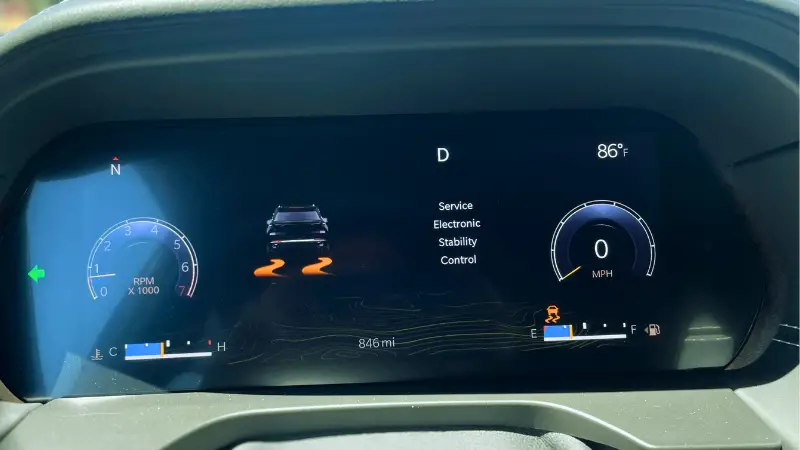
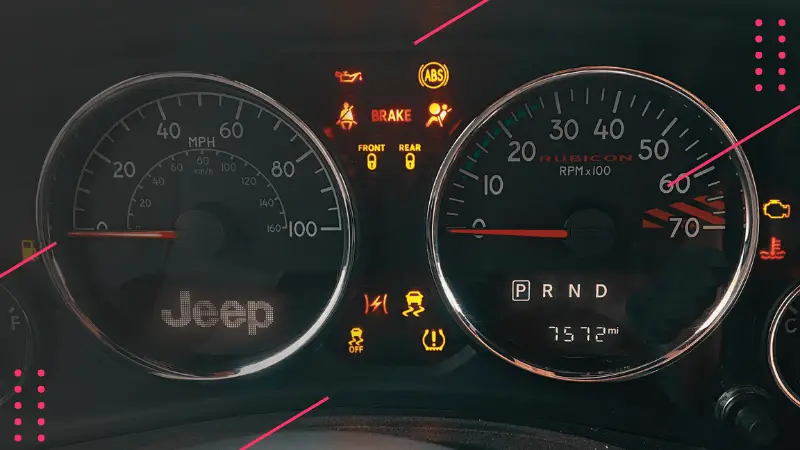
- Watch for the indicator light on your dashboard. It will show when 4H is engaged.
Changing From 4h To 4l
- Stop your Jeep completely.
- Shift transmission to Neutral (N). This step is critical; skipping it may damage your transfer case.
- Pull the transfer case lever firmly from 4H to 4L. You may hear a click or feel a heavier movement.
- Check for the 4L light on the dashboard.
Changing From 4l Back To 4h Or 2h
- Come to a full stop.
- Shift to Neutral.
- Move the lever back to 4H or 2H.
- Wait for the indicator light to confirm the change.
Some newer Wranglers use electronic switches instead of levers, but the steps are similar. Always read your owner’s manual for your exact model.
Tips For Smooth Drive Mode Changes
Changing modes is easy, but small mistakes can affect your Jeep’s performance. Here are practical tips:
- Always shift at the recommended speeds. Going too fast can cause gear grinding.
- Pause in Neutral when moving between 4H and 4L. This helps the system reset.
- Use Auto mode if you’re unsure. It’s great for mixed conditions and saves time.
- Avoid changing modes on steep hills. Find flat ground first.
- After changing to 4L, drive slowly for a few feet. This helps the gears lock in.
Most beginners forget to check the indicator lights. If the light doesn’t turn on, repeat the steps or check for errors.
Another common mistake is forcing the lever when it feels stuck. Instead, gently rock the vehicle back and forth, then try again.
Drive Mode Impact: Performance And Safety
Selecting the right drive mode changes how your Wrangler handles the road. Here’s a quick comparison:
| Mode | Traction | Fuel Efficiency |
|---|---|---|
| 2H | Low | High |
| 4H | Medium | Medium |
| 4L | High | Low |
| Auto | Variable | Medium |
2H is best for saving fuel, while 4H and 4L provide better grip but use more gas. If you keep your Wrangler in 4H or 4L when not needed, you’ll waste fuel and wear parts faster.

Real-life Example: Off-roading In A Jeep Wrangler
Imagine you’re driving in deep sand at the beach. If you use 2H, your wheels may spin and get stuck.
Switching to 4H gives all wheels power, helping you move easily. For rocky trails, use 4L to crawl slowly and safely.
One driver, Sarah, shared her mistake: she tried shifting to 4L while moving. Her Jeep made loud noises and the mode wouldn’t engage. She learned to always stop and shift to Neutral first.
Common Problems And Solutions
Sometimes, drive modes don’t engage as expected. Here are some fixes:
- Lever stuck: Try gently rocking the vehicle or shifting to Neutral.
- Indicator light not on: Repeat steps, check manual, or consult a mechanic.
- Noisy shifting: Slow down, stop, and shift again.
If issues continue, visit a certified Jeep dealer. Ignoring problems can lead to costly repairs.
Frequently Asked Questions
How Do I Know Which Drive Mode To Use?
Use 2H for regular roads, 4H for slippery surfaces, and 4L for tough off-road. If your Jeep has Auto mode, use it for changing conditions.
Can I Switch From 2h To 4h While Driving?
Yes, but keep your speed under 55 mph. For 4L, always stop and shift to Neutral before changing.
What Happens If I Use The Wrong Drive Mode?
Using the wrong mode can cause poor traction, higher fuel use, and possible damage. For example, driving in 4L on paved roads strains your transmission.
Why Won’t My Drive Mode Indicator Light Turn On?
It could be a sensor issue or you missed a step. Try shifting again, check your manual, or visit a mechanic.
Is It Okay To Use Auto Mode All The Time?
Yes, for most conditions. Auto mode lets your Jeep choose the best setting, but switch to 4L for extreme off-road.
Changing drive modes in your Jeep Wrangler is simple once you know the steps. With practice, you’ll protect your vehicle, improve safety, and enjoy every drive. For more details and expert guidance, visit the official Jeep Wrangler site.