Changing a brake light on a 2010 Jeep Liberty might seem like a small task, but it plays a crucial role in keeping you and other drivers safe.
When your brake light goes out, it’s more than just a minor inconvenience it can be a safety hazard and even lead to a ticket.
Many drivers hesitate to change it themselves, but with a bit of guidance, the process is straightforward and can save you a trip to the mechanic.
This article walks you through each step, shares key insights, and helps you avoid common mistakes so you can confidently replace your 2010 Jeep Liberty brake light in less than 30 minutes.
Understanding Your 2010 Jeep Liberty Brake Light System
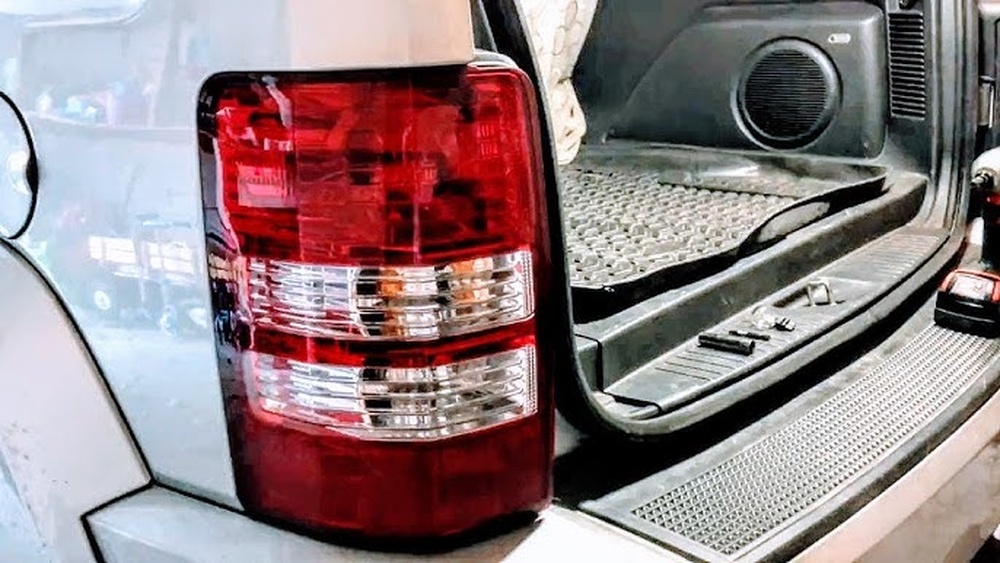
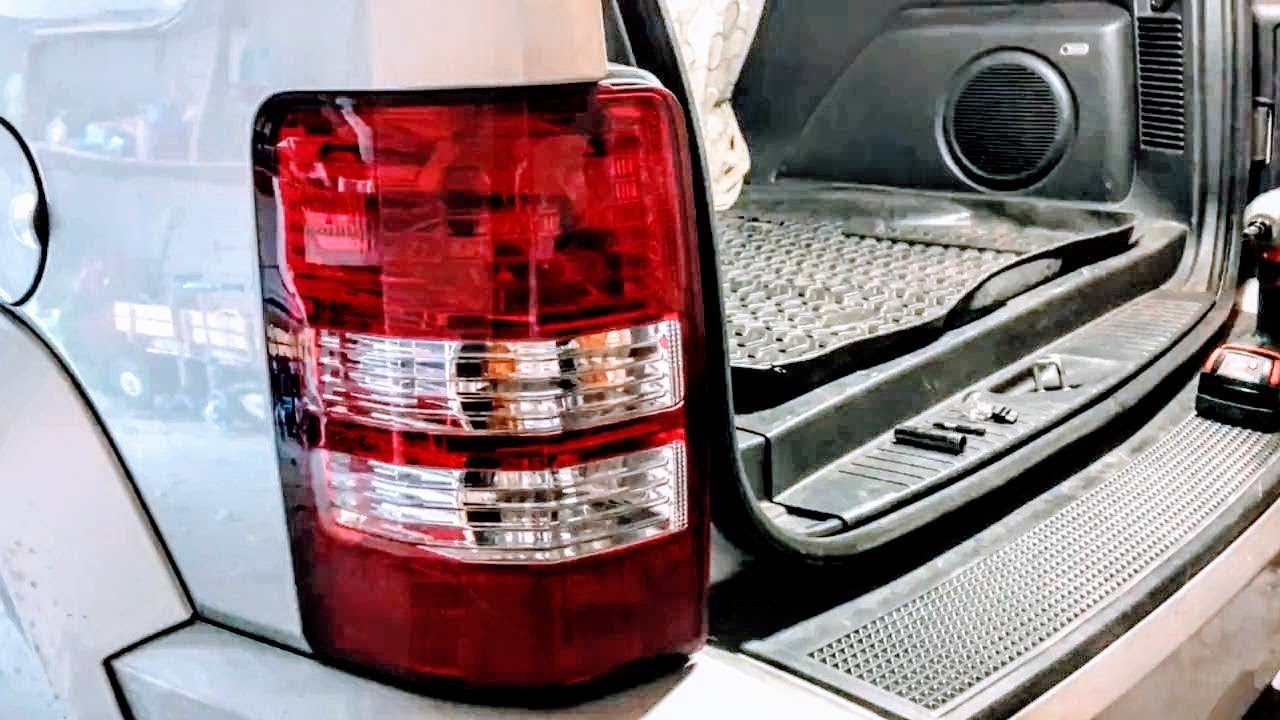
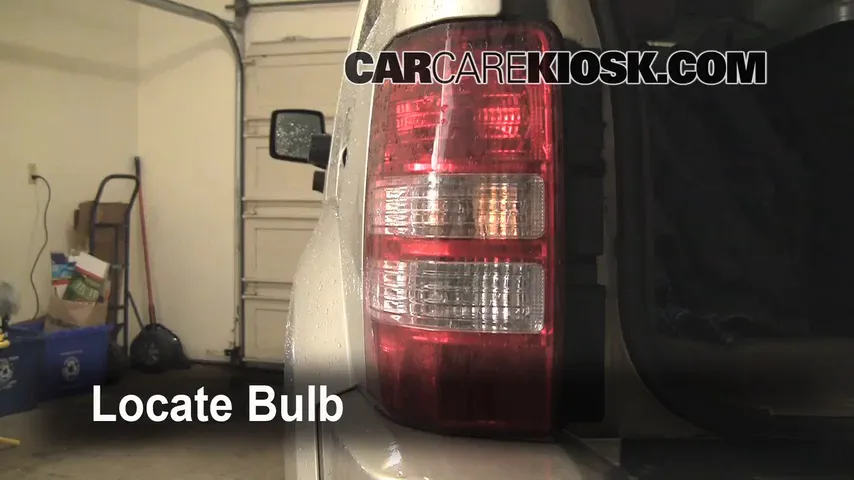
The brake light system in the 2010 Jeep Liberty uses standard incandescent bulbs rather than LEDs. These bulbs are designed to last for years, but they can burn out due to vibration, age, or electrical issues. The brake light assembly is located on the rear of your vehicle, inside a plastic housing that also contains the turn signals and reverse lights. Knowing this layout helps you identify exactly which bulb needs to be replaced and reduces the chance of confusion during the process.
Tools And Parts You’ll Need
Before starting, make sure you have everything ready. Having the right tools on hand will save time and frustration.
- Phillips screwdriver (for removing screws)
- Flathead screwdriver (optional, helps pry the assembly)
- New brake light bulb (type 3157, check your manual to confirm)
- Gloves (recommended to avoid getting oil on the bulb)
- Clean cloth (to wipe the bulb and housing)
Pro tip: Always check the owner’s manual for the correct bulb type. Using the wrong bulb can cause electrical issues or fit problems.
Safety First: Preparing Your Vehicle
Safety is essential before any car maintenance. Park your Jeep Liberty on a flat surface and turn off the ignition.
Engage the parking brake and, if possible, disconnect the negative battery terminal. This prevents any accidental electrical shorts.
Also, make sure you’re working in a well-lit area so you can see what you’re doing.
Step-by-step Guide: Changing The Brake Light
Let’s break down the process into clear, manageable steps. These instructions will help you avoid damaging the lens or the bulb socket.
1. Open The Rear Hatch
Start by opening the rear hatch of your Jeep Liberty. This gives you access to the screws holding the tail light assembly in place. The screws are visible along the edge of the tail light when the hatch is open.
2. Remove The Tail Light Assembly
Use your Phillips screwdriver to remove the two screws securing the tail light assembly. Place the screws somewhere safe so you don’t lose them.
Gently pull the tail light assembly straight out. Some gentle wiggling may be needed.
Be careful not to force it, as you could crack the plastic housing.
3. Locate The Brake Light Bulb
Once the assembly is out, look for three bulb sockets on the back. The brake light bulb is usually the middle socket, but if you’re unsure, press the brake pedal (with the help of a friend) and see which bulb lights up. Twist the correct socket counterclockwise and pull it out.
4. Remove The Old Bulb
Pull the old bulb straight out of the socket. If it’s stuck, gently wiggle it. Avoid twisting, as this could break the bulb. If the bulb has black or white discoloration, it’s definitely burnt out.
5. Install The New Bulb
With clean hands or gloves, insert the new 3157 bulb into the socket. Make sure it’s seated firmly. Wipe off any fingerprints or oil with a clean cloth, as oils can shorten the bulb’s lifespan.
6. Test The New Brake Light
Before reassembling everything, test the new bulb. Ask a friend to press the brake pedal or use a heavy object to hold it down.
Confirm that the new bulb lights up bright and red. If it doesn’t, double-check the bulb installation and socket connection.
7. Reassemble The Tail Light
Once you’re sure the new bulb works, insert the socket back into the tail light assembly and turn it clockwise to lock. Align the assembly with the body and gently push it back into place. Secure it with the two screws you removed earlier.
8. Final Check
Close the hatch and test all rear lights brake, turn signal, and reverse to make sure everything works properly. It’s easy to accidentally loosen a connection during reassembly, so this final check prevents surprises later.
Comparison: Diy Vs. Professional Brake Light Replacement
Sometimes, people wonder if it’s better to do it themselves or go to a mechanic. Here’s a quick comparison:
| Aspect | DIY Replacement | Professional Service |
|---|---|---|
| Cost | $5–$10 (bulb only) | $30–$50 (parts & labor) |
| Time Needed | 15–30 minutes | 1–2 hours (including wait time) |
| Skill Required | Basic hand tools | None |
| Convenience | At home, anytime | Need appointment |
Most owners can change their 2010 Jeep Liberty brake light in the driveway, saving both time and money.
Common Mistakes And How To Avoid Them
Even simple jobs have their pitfalls. Here are two mistakes many beginners make:
- Touching the new bulb with bare hands: Oils from your skin can cause hot spots and make the bulb burn out faster. Use gloves or a clean cloth.
- Forgetting to test the bulb before reassembly: Putting everything back together only to discover the light doesn’t work is frustrating. Always test before final assembly.
Another less obvious mistake is not checking the other rear bulbs. If one has failed, the others may be close to the end of their life. Consider replacing both brake bulbs at once for peace of mind.
How To Choose The Right Replacement Bulb
Not all bulbs are the same. The Jeep Liberty uses a 3157 dual filament bulb for the brake lights. Some stores offer LED alternatives, but these may require a resistor to avoid hyper-flashing or error messages. Always match the electrical rating and size. Here’s a quick look at different options:
| Bulb Type | Lifespan | Brightness | Compatibility |
|---|---|---|---|
| Standard 3157 | 1–2 years | Standard | Full compatibility |
| LED 3157 | 5–7 years | Brighter | May need resistor |
Non-obvious tip: If you tow a trailer or carry heavy cargo often, a brighter LED bulb can improve visibility for other drivers.
What To Do If The New Bulb Doesn’t Work
If your new brake light doesn’t work after replacement, don’t panic. Check these possibilities:
- Socket corrosion: Look for greenish or white buildup inside the socket. Clean gently with a small brush.
- Blown fuse: Check the fuse box for a blown brake light fuse. Replace if needed.
- Wiring issues: Rare, but sometimes wires can break or disconnect. Inspect for visible damage.
If none of these fix the issue, it may be time to consult a professional. Electrical issues can be complex and require special tools.
Why Replacing A Brake Light Matters
You might think one missing brake light isn’t a big deal, but it can have real consequences. In 2022, the National Highway Traffic Safety Administration reported that rear-end collisions caused by poor visibility led to thousands of injuries every year. A working brake light makes your intentions clear to drivers behind you, reducing accident risk.
Many states also issue tickets for non-working brake lights. In some places, you can be fined up to $200 for a single bulb. Replacing it yourself is quick insurance against these costs.
Environmental Impact: Proper Disposal Of Old Bulbs
Don’t just throw your old bulb in the trash. Incandescent bulbs contain small amounts of metal and glass, which can be recycled.
Check your local recycling center for drop-off locations. Proper disposal helps reduce environmental waste, which is a small but important step for every car owner.
Maintenance Tips To Extend Bulb Life
A few simple habits can help your new brake light last longer:
- Make sure the tail light assembly is sealed tight to prevent moisture.
- Avoid slamming the hatch, which can loosen bulbs.
- Test your lights every few months, especially before long trips.
Unexpected insight: If your Jeep Liberty is exposed to heavy rain or car washes, moisture can get inside and shorten bulb life. Consider using a small bead of automotive silicone around the housing edge if you notice fog or water inside.
When To Seek Professional Help
Most brake light replacements are easy, but there are signs you should visit a mechanic:
- The new bulb doesn’t work and you’ve checked the fuse and socket.
- There’s visible damage to the tail light assembly.
- You see water or condensation inside the housing.
Professional help is also a good idea if you’re uncomfortable working with electrical parts.
Frequently Asked Questions
What Size Bulb Does The 2010 Jeep Liberty Use For The Brake Light?
The 2010 Jeep Liberty uses a 3157 dual filament bulb for the brake and tail light. Always double-check your manual or ask an auto parts store to confirm.
Can I Upgrade To Led Brake Lights?
Yes, you can use LED 3157 bulbs for brighter and longer-lasting lights. However, you may need to install a resistor to prevent hyper-flashing or dashboard warnings. Consult your local auto parts expert for the correct setup.
How Do I Know If My Brake Light Fuse Is Blown?
Locate your fuse box (usually under the dashboard or hood). Check the diagram for the brake light fuse location. If the metal strip inside is broken, replace it with a fuse of the same rating.
Will I Get A Ticket For A Burned-out Brake Light?
Yes, driving with a non-working brake light is illegal in most states and can result in a fine. Police often issue tickets during routine stops or safety checks.
Where Can I Find More Information About Car Lighting Regulations?
For official rules and safety information, visit the National Highway Traffic Safety Administration website.
Replacing the brake light on your 2010 Jeep Liberty is a simple task that can make a big difference in safety and legal compliance. With a few basic tools and a new bulb, you can complete this job in less than half an hour.
Taking care of small issues like this helps your Jeep stay reliable and roadworthy for years to come.