The 1998 Jeep Cherokee is a vehicle that continues to attract attention from both off-road fans and drivers looking for a reliable, tough SUV. While newer models have more technology, the 1998 Cherokee has a reputation for solid performance, simple design, and easy maintenance.
Many people still look for these vehicles, not only as used cars but also as classic SUVs with strong character. If you want to understand why the 1998 Cherokee stands out, or you’re thinking about buying one, this guide will cover everything you need to know.
Overview Of The 1998 Jeep Cherokee
The 1998 Jeep Cherokee belongs to the second generation, also known as the XJ series. This generation was produced from 1984 to 2001 and is often credited with starting the small SUV trend in the United States. The 1998 model year was near the end of this generation, meaning it included many improvements made over the years.
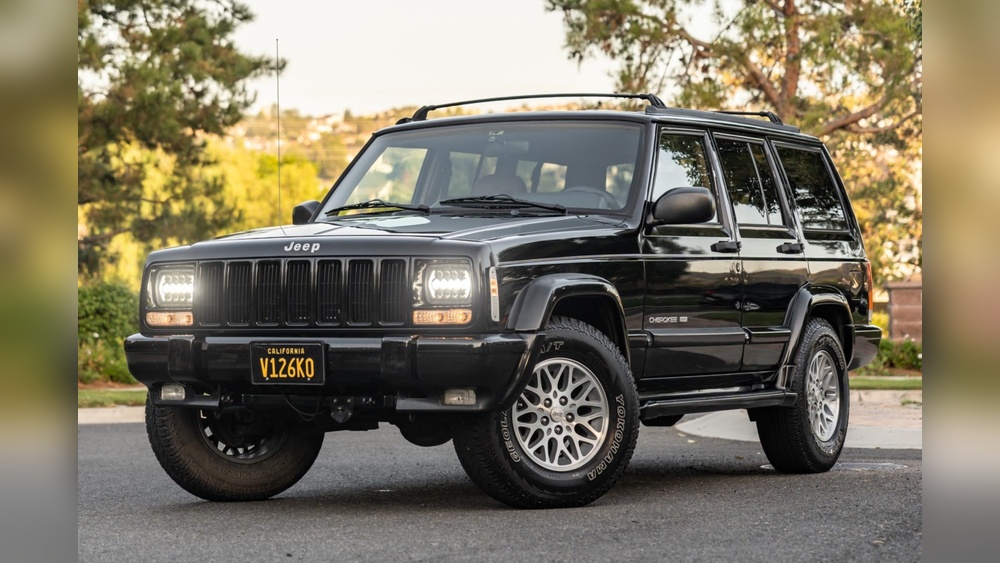
You could buy the 1998 Cherokee in either two-door or four-door body styles. Its boxy look, flat panels, and signature seven-slot grille make it easy to recognize. While not a large SUV by today’s standards, the Cherokee offers a good mix of size, space, and handling.
Engine Options And Performance
A main reason for the Cherokee’s popularity is its engine choices. The 1998 model came with two main engines:
- 2.5-liter Inline-4: This engine produced 125 horsepower and 150 lb-ft of torque. It was reliable but not powerful, best for drivers who mostly used the Cherokee in the city.
- 4.0-liter Inline-6: This is the engine most owners want. It makes 190 horsepower and 225 lb-ft of torque. The 4.0 is famous for its long life and strong low-end power, making it perfect for off-roading and towing.
Buyers could choose between a 5-speed manual or 4-speed automatic transmission. Most Cherokees came with rear-wheel drive, but part-time and full-time four-wheel drive systems were also available. The most common is the Command-Trac part-time system, which is simple and strong for off-road use.
Real-world Performance
The 4.0-liter Cherokee can go from 0-60 mph in about 9 seconds, which was quick for an SUV at that time. Its towing capacity is up to 5,000 pounds, making it useful for light trailers or boats.
Fuel economy is not a strong point. The 4.0-liter engine gets around 15-20 mpg combined, depending on driving style and whether it’s a 2WD or 4WD model.
Trim Levels And Features
The 1998 Cherokee was offered in several trims:
- SE: The basic model, simple inside, with few extras.
- Sport: Added body-colored trim, alloy wheels, and better seats.
- Classic: More features, such as power windows and locks, air conditioning, and nicer trim.
- Limited: The top trim, with leather seats, upgraded sound, and more comfort options.
Below is a comparison of the main trim levels:
| Trim | Key Features | Interior Comfort |
|---|---|---|
| SE | Basic wheels, manual windows, cloth seats | Minimal |
| Sport | Alloy wheels, body trim, better seats | Standard cloth, more comfort |
| Classic | Power windows/locks, A/C, better audio | Improved fabric, extra controls |
| Limited | Leather, premium audio, extra features | High-end comfort, power seats |
Most Cherokees from this year included driver and passenger airbags. Anti-lock brakes were optional on higher trims. The dashboard had easy-to-read gauges, and controls were simple to use.
Interior Space And Practicality
The 1998 Cherokee’s interior is not luxurious, but it is functional. The boxy shape gives more headroom and cargo space than many competitors of its time. Front seats are firm and upright. The rear bench can fit three adults, but long trips are more comfortable for two.
Cargo space is one of the Cherokee’s strengths. With the rear seats up, you get about 35 cubic feet of space. Fold the seats down, and the space grows to over 68 cubic feet. The rear hatch is easy to open, and the flat floor makes loading simple.
Useful Features
- Large windows for good visibility
- Simple climate controls
- Folding rear seats for more cargo
One thing beginners often miss: the rear seatbacks on some models do not fold completely flat. This can make loading large or long items a bit tricky.
Off-road Capability
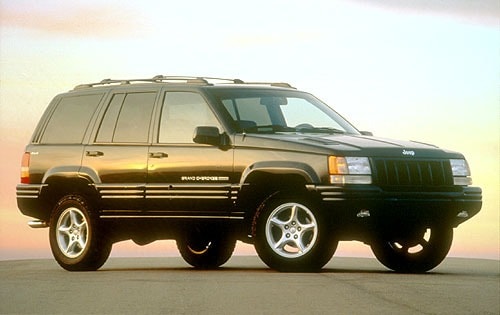
The 1998 Cherokee is famous for its off-road skills. The strong unibody chassis, short wheelbase, and high ground clearance make it easy to handle rough trails. The 4.0-liter engine gives enough power to climb hills or drive through mud.
Key off-road features:
- High ground clearance (about 8.3 inches)
- Short front and rear overhangs for better approach and departure angles
- Simple, tough suspension with solid axles front and rear
The Command-Trac 4WD system is part-time, meaning you should only use it on dirt, snow, or mud. The Selec-Trac system (less common) allows for full-time 4WD, which is better for mixed road conditions.
| Off-Road Feature | Cherokee 1998 | Typical Modern SUV |
|---|---|---|
| Ground Clearance | 8.3 in | 7–8 in |
| Approach Angle | 36° | 20–25° |
| Solid Axles | Yes | No (usually independent) |
| Low-Range 4WD | Yes | Rare |
A detail many new owners miss: the Cherokee’s unibody is strong, but not as easy to repair after heavy off-road damage compared to body-on-frame SUVs.
Reliability And Maintenance
One reason the 1998 Cherokee is still popular is its reliability. The 4.0-liter engine is famous for running over 200,000 miles with good care. Parts are easy to find and often inexpensive. Many mechanics know this model well, so repairs are usually straightforward.
However, all cars have weak points. Here are some common issues:
- Rust: Check the floor pans, rocker panels, and under the doors. Rust can be hidden but serious.
- Cooling system leaks: The radiator and water pump can fail, especially after 100,000 miles.
- Electrical problems: Door locks and window switches may stop working.
- Suspension wear: Bushings and ball joints can wear out, causing loose steering.
Below is a quick look at likely maintenance costs:
| Repair | Average Cost (USD) | Frequency |
|---|---|---|
| Oil Change | $40–$60 | Every 3,000–5,000 miles |
| Radiator Replacement | $300–$500 | 80,000–120,000 miles |
| Brakes (front) | $200–$350 | 40,000–70,000 miles |
| Suspension Bushings | $250–$400 | As needed |
A tip for buyers: always check if the cooling system has been serviced. Overheating can ruin the engine.
Driving Experience
Driving a 1998 Cherokee is a unique experience compared to modern SUVs. The steering feels a bit heavy, especially at low speeds, but gives good feedback on rough roads. The ride is firm. You will feel bumps more than in a new crossover, but this means better control off-road.
Noise levels are higher than in newer cars. Wind and tire noise are common, especially at highway speeds. The turning circle is tight for an SUV, making parking easier than you might expect.
One thing many people notice: visibility is excellent thanks to the thin pillars and large windows. This makes city driving less stressful.
Safety Features
The Cherokee was built before modern safety rules became strict. It includes dual front airbags and available anti-lock brakes (on some trims). Side airbags and modern electronic stability control are not present.
Crash test results from the late 1990s showed average performance. The strong frame helps in some crashes, but the lack of side protection is a weak point.
If safety is your top concern, a newer SUV may be a better choice. However, careful driving and good maintenance can help reduce risks in the Cherokee.

Market Value And Buying Tips
Prices for the 1998 Cherokee vary based on condition, mileage, and location. In 2026, you can expect:
- $2,000–$3,500 for a high-mileage or rough example
- $4,000–$7,000 for a well-kept, lower-mileage model
- $8,000+ for rare trims, special editions, or fully restored Cherokees
If you’re buying, pay attention to:
- Rust and frame health: Rust can make repairs expensive or impossible.
- Engine condition: Listen for knocks, smoke, or overheating.
- 4WD system: Make sure it shifts smoothly and works in both high and low ranges.
- Maintenance records: A history of regular oil changes and cooling system work is a good sign.
Many buyers focus only on low mileage, but how the car was maintained is usually more important.
For more on used Jeep Cherokees, see the Wikipedia Jeep Cherokee XJ page.
Modifications And Aftermarket Support
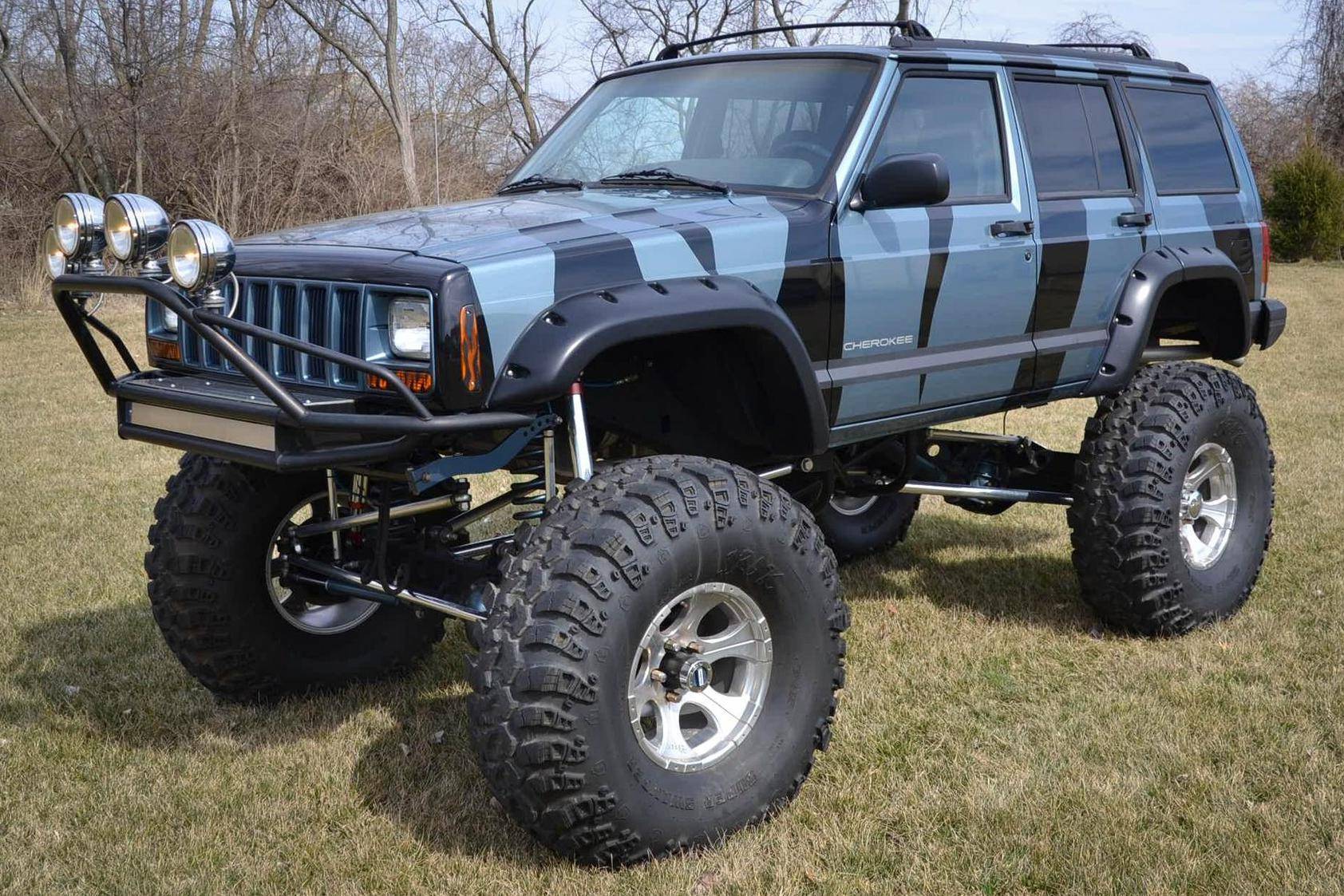
One reason the 1998 Cherokee stays popular is the huge number of aftermarket parts available. Owners often add:
- Lift kits for higher ground clearance
- Larger tires for more grip off-road
- Upgraded bumpers and skid plates for protection
- Roof racks, lights, and other gear for camping or travel
The Cherokee’s simple design makes these upgrades easy. Even beginners can tackle many projects with basic tools.
A non-obvious tip: Changing tire size or lift height can affect speedometer accuracy and handling. Always adjust the speedometer gear if you change tire size.
Why People Still Love The 1998 Cherokee
The 1998 Cherokee has a loyal following for good reasons:
- Simplicity: Easy to fix and modify
- Strength: Handles tough use without complaint
- Style: The boxy look has aged well and stands out
- Community: Many owners’ groups and forums for advice and events
While it’s not perfect, few vehicles offer the same mix of practicality, off-road skill, and classic design.
If you want an SUV that feels connected to the road, is ready for trails, and is easy to work on, the 1998 Jeep Cherokee is still worth a look.
Frequently Asked Questions
<!– wp:rank-math/faq-block {"questions":[{"id":"faq-question-cd873e9d2b32","title":"What Is The Most Reliable Engine For The 1998 Jeep Cherokee?","content":"The 4.0-liter inline-6 is the most reliable and popular engine. It is known for running over 200,000 miles with good maintenance and offers strong power for both daily driving and off-road use.
“,”visible”:true},{“id”:”faq-question-5c329de6517f”,”title”:”How Much Can The 1998 Cherokee Tow Safely?”,”content”:”With the 4.0-liter engine and proper equipment, the Cherokee can tow up to 5,000 pounds. However, for regular towing near the maximum, check the cooling system and brakes to avoid overheating or wear.
“,”visible”:true},{“id”:”faq-question-44413db865b2″,”title”:”Is The 1998 Cherokee Good For Daily Driving?”,”content”:”Yes, but with some trade-offs. The Cherokee is easy to park and has great visibility. The ride is firm, and fuel economy is low compared to newer SUVs. If comfort and quiet are most important, a modern vehicle might be better.
“,”visible”:true},{“id”:”faq-question-a9b30675bbf0″,”title”:”What Are The Biggest Problems To Look For When Buying?”,”content”:”Rust, cooling system leaks, and worn suspension parts are most common. Check under the body and around the doors for rust. Listen for engine noise or overheating. Test the 4WD system before buying.
“,”visible”:true},{“id”:”faq-question-40e2db538388″,”title”:”Can You Still Find Parts And Get Repairs For The 1998 Cherokee?”,”content”:”Yes. Most parts are widely available and not expensive. Many repair shops know these vehicles well, and there is strong support from online communities and aftermarket suppliers.
The 1998 Jeep Cherokee remains a classic for those who want a simple, strong SUV with real off-road ability. With the right care, it can serve as a daily driver, adventure vehicle, or even a collector’s item for years to come.
“,”visible”:true}]} –>What Is The Most Reliable Engine For The 1998 Jeep Cherokee?
The 4.0-liter inline-6 is the most reliable and popular engine. It is known for running over 200,000 miles with good maintenance and offers strong power for both daily driving and off-road use.
How Much Can The 1998 Cherokee Tow Safely?
With the 4.0-liter engine and proper equipment, the Cherokee can tow up to 5,000 pounds. However, for regular towing near the maximum, check the cooling system and brakes to avoid overheating or wear.
Is The 1998 Cherokee Good For Daily Driving?
Yes, but with some trade-offs. The Cherokee is easy to park and has great visibility. The ride is firm, and fuel economy is low compared to newer SUVs. If comfort and quiet are most important, a modern vehicle might be better.
What Are The Biggest Problems To Look For When Buying?
Rust, cooling system leaks, and worn suspension parts are most common. Check under the body and around the doors for rust. Listen for engine noise or overheating. Test the 4WD system before buying.
Can You Still Find Parts And Get Repairs For The 1998 Cherokee?
Yes. Most parts are widely available and not expensive. Many repair shops know these vehicles well, and there is strong support from online communities and aftermarket suppliers.
The 1998 Jeep Cherokee remains a classic for those who want a simple, strong SUV with real off-road ability. With the right care, it can serve as a daily driver, adventure vehicle, or even a collector’s item for years to come.