Bleeding the brakes on your Jeep Cherokee is an important maintenance task. If your brake pedal feels soft or spongy, or if you’ve just changed brake components, air might be trapped in the brake lines. Air reduces braking power and can make driving unsafe. Learning how to bleed brakes correctly saves money and gives you confidence on the road. This guide explains the process clearly, with tips and details that even beginners can follow.
Why Bleeding Brakes Matters
Brakes use hydraulic pressure to stop your vehicle. When air enters the system, it compresses under pressure, making the pedal feel soft. Proper bleeding removes air bubbles, restoring strong brake performance. Most mechanics recommend bleeding brakes every two years, or after any brake repairs.
Here’s a quick look at why it matters:
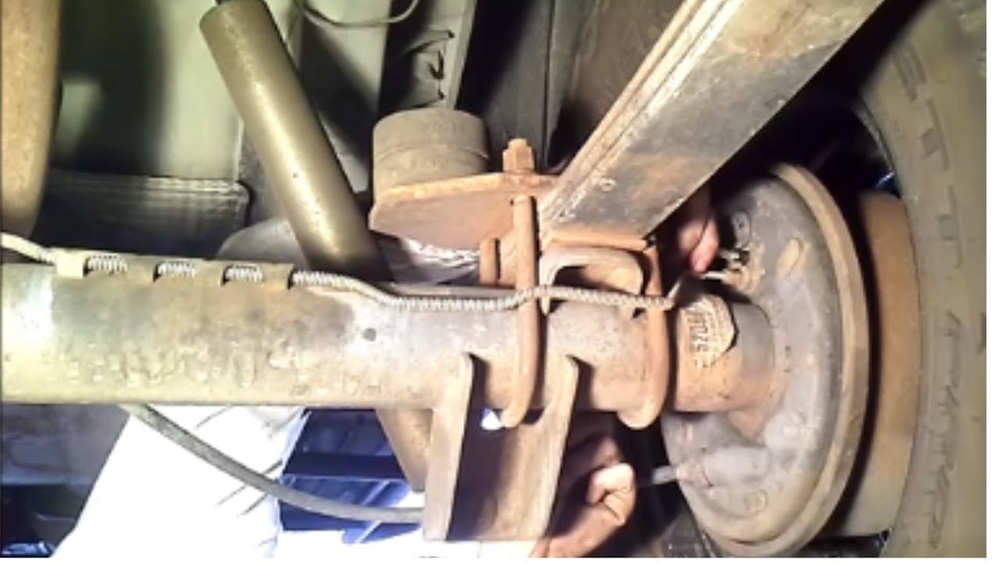
- Safety: Air in the system can increase stopping distance.
- Performance: A firm pedal means better control.
- Cost: DIY bleeding prevents expensive future repairs.
Tools And Materials You Need
Before starting, gather these essential items:
- Wrench set (usually 10mm or 11mm for bleeder screws)
- Brake fluid (check your owner’s manual; most Jeep Cherokees use DOT 3 or DOT 4)
- Clear tubing (fits over the bleeder screw)
- Catch bottle (for old brake fluid)
- Jack and jack stands (never rely on the jack alone)
- Wheel chocks
- Gloves and safety glasses
- Assistant (for traditional bleeding method)
These tools help prevent mess and injury. Always use high-quality brake fluid; cheap fluid can cause problems.
Preparing Your Jeep Cherokee
Preparation makes the job easier and safer. Park the vehicle on a level surface, turn off the engine, and set the parking brake. Chock the wheels to prevent rolling.
Lift the Jeep and secure it with jack stands. Remove all four wheels for easy access to the calipers. Locate the brake fluid reservoir under the hood, and check the fluid level. Keep the reservoir topped up during bleeding—never let it run dry, or you’ll add air to the system.
Bleeding Process Step-by-step
Bleeding brakes can be done by several methods, but the traditional two-person approach works well for most Jeep Cherokees. Here’s a clear step-by-step guide:
- Start with the furthest wheel: Begin at the passenger-side rear wheel, then the driver-side rear, passenger-side front, and finally driver-side front. This order pushes air out efficiently.
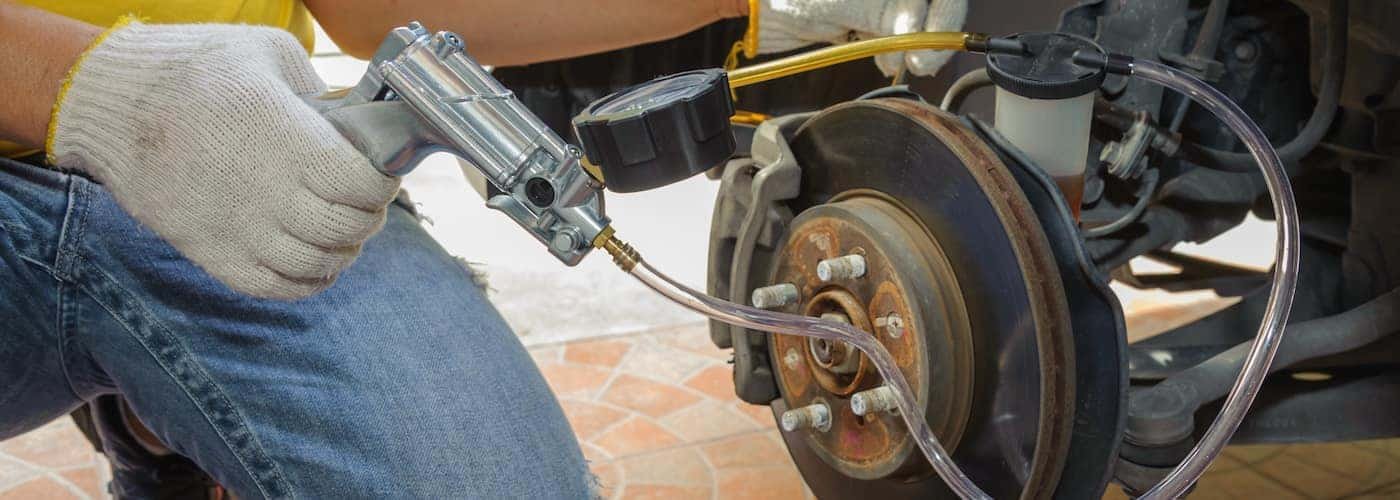
- Attach clear tubing: Place tubing over the bleeder screw and into a catch bottle. This lets you see air bubbles and prevents spills.
- Ask your assistant to pump the brake pedal: Have them press the pedal slowly three or four times, then hold it down.
- Open the bleeder screw: Use your wrench to turn it about a quarter turn. Fluid and air will flow into the bottle. Close the screw before your assistant releases the pedal. Repeat until fluid runs clear and no bubbles appear.
- Check brake fluid reservoir: After each wheel, refill the reservoir as needed. Never let it drop below minimum.
- Repeat for all wheels: Work through each wheel in order, following steps 2-5.
- Test pedal feel: Once finished, check the brake pedal. It should feel firm. If not, repeat the process.
Common Mistakes And How To Avoid Them
- Letting the reservoir run dry: Always keep it topped up.
- Opening bleeder too much: This can let air back in.
- Releasing the pedal with bleeder open: Always close the screw before releasing.
- Using wrong fluid: Check your manual; mixing types can damage seals.

Jeep Cherokee Brake Fluid Comparison
Choosing the right brake fluid is crucial. Here’s a quick comparison:
| Fluid Type | Boiling Point (Dry) | Boiling Point (Wet) | Compatibility |
|---|---|---|---|
| DOT 3 | 401°F | 284°F | Most Jeep Cherokees |
| DOT 4 | 446°F | 311°F | Some newer models |
| DOT 5 | 500°F | 356°F | Not compatible (silicone-based) |
Always use what your owner’s manual recommends. DOT 5 fluid is not suitable for most Jeep Cherokees.
Signs You Need To Bleed Your Brakes
Not sure if your brakes need attention? Look for these signs:
- Spongy pedal: Pressing the pedal feels soft or slow.
- Increased stopping distance: Takes longer to stop.
- Brake warning light: Indicates possible air or low fluid.
- Recent brake work: Air can enter during repairs.
Practical Tips For Success
Bleeding brakes can get messy. Here are some tips to make it easier:
- Work slowly: Rushing can let air in.
- Use clear tubing: Makes spotting air bubbles easy.
- Keep tools clean: Brake fluid damages paint; wipe spills quickly.
- Have patience: Sometimes you need multiple passes.
Many beginners forget to check the brake fluid level after each wheel. Don’t make this mistake otherwise, you’ll need to start over.
Brake Bleeding Methods Compared
There are several ways to bleed brakes. Here’s how they compare:
| Method | Tools Needed | Pros | Cons |
|---|---|---|---|
| Two-person | Basic hand tools | Simple, effective | Needs assistant |
| Gravity | Catch bottle, tubing | Easy, solo | Slow, not always thorough |
| Pressure Bleeder | Pressure device | Fast, pro-level | Costly tool |
| Vacuum Bleeder | Vacuum pump | Good for solo work | May pull air if used wrong |
For most DIYers, the two-person method is easiest.

After Bleeding: Testing And Safety
Once finished, check the pedal feel again. It should be firm and responsive.
Reinstall wheels and lower the Jeep. Start the engine and test brakes in a safe area.
If the pedal still feels soft or warning lights stay on, repeat the process or consult a professional.
Where To Find Official Jeep Cherokee Specs
For more details, check the official Jeep Cherokee owner’s manual or visit the manufacturer’s site. For general brake fluid info, see Wikipedia.
Frequently Asked Questions
How Often Should I Bleed Brakes On My Jeep Cherokee?
Every two years or after any brake repairs. If you notice a soft pedal, bleed them sooner.
Can I Bleed Brakes Alone Without An Assistant?
Yes, using gravity or a vacuum bleeder. These methods take longer, but work well for solo mechanics.
What Brake Fluid Does My Jeep Cherokee Use?
Most models use DOT 3 or DOT 4. Always check your owner’s manual for the correct type.
What Happens If Air Stays In The Brake Lines?
Air reduces brake pressure and increases stopping distance. This is dangerous and should be fixed quickly.
Is It Necessary To Remove All Four Wheels?
Removing wheels gives better access to calipers and bleeder screws. You can bleed brakes with wheels on, but it’s harder and messier.
Bleeding brakes on your Jeep Cherokee isn’t complicated, but careful work and attention to detail are important. With the right tools and knowledge, you can keep your brakes safe and reliable.
If you ever feel unsure, don’t hesitate to ask a professional for help.