Getting the right steering wheel position in your Jeep Renegade can make driving safer, more comfortable, and easier. If the wheel feels too far, too close, too high, or too low, you may struggle to reach controls, see the dashboard, or even feel pain after longer trips. Many owners don’t realize how much a small adjustment can improve their driving experience. Whether you’re new to the Renegade or just want a refresher, this guide will show you step-by-step how to adjust your steering wheel, share practical safety tips, and answer common questions. You’ll also discover a few extra insights most beginners miss.
Understanding Steering Wheel Adjustment
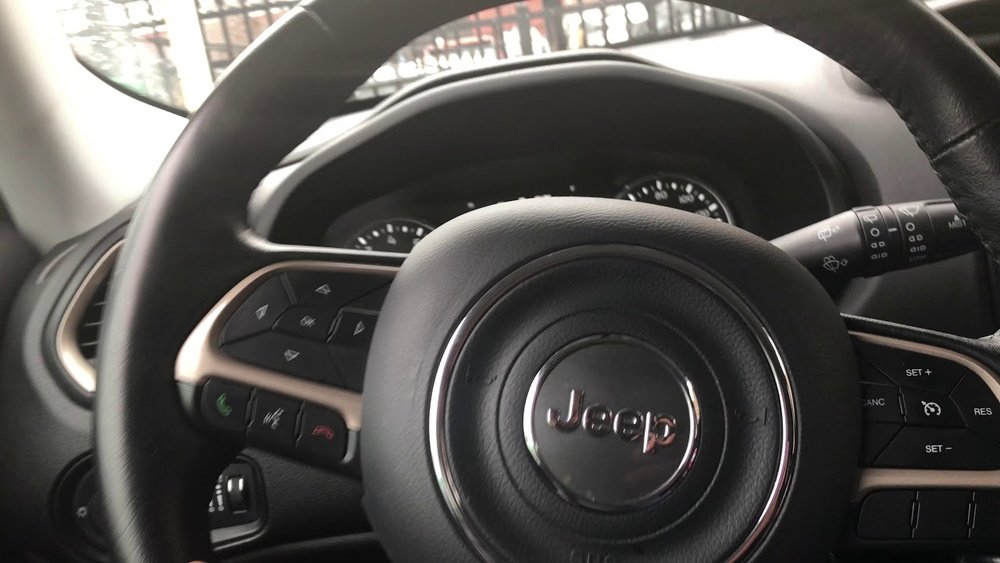
The Jeep Renegade, like most modern SUVs, allows drivers to move the steering wheel up, down, closer, or farther from their body. This feature, called tilt and telescopic steering adjustment, is meant to help you find the ideal driving position. Not all cars offer both tilt and telescopic functions, so knowing what your Renegade can do is the first step.
Why Steering Wheel Position Matters
A well-adjusted steering wheel:
- Improves driving comfort
- Reduces fatigue in arms, shoulders, and back
- Makes it easier to see and reach dashboard controls
- Helps you maintain a safer posture
- Ensures better control during emergencies
Studies show that poor steering wheel position increases the risk of injury in a crash. According to the National Highway Traffic Safety Administration (NHTSA), improper seating and steering adjustment can reduce the effectiveness of airbags by up to 30%.
Tilt Vs. Telescopic: What Does Your Renegade Have?
Most Jeep Renegade models from 2015 onward offer both tilt (up/down movement) and telescopic (in/out movement) steering adjustment. Some older or base trims may only have tilt. You can check your owner’s manual or look for the adjustment lever under the steering column.
Here’s a quick comparison:
| Feature | Available On Renegade? | How It Helps |
|---|---|---|
| Tilt Adjustment | Yes (all trims) | Moves wheel up/down for height comfort |
| Telescopic Adjustment | Yes (most trims) | Moves wheel closer/farther from driver |
Most drivers benefit from both features. If your Renegade lacks telescopic adjustment, you can still improve comfort by adjusting your seat.
Step-by-step: How To Adjust Steering Wheel On Jeep Renegade
Getting the right steering wheel position is easy if you follow these steps. Remember, it’s best to adjust the wheel while the car is parked and turned off.
1. Prepare Your Vehicle
- Park your Jeep Renegade on level ground.
- Turn off the engine and set the parking brake.
- Make sure your seat is in a comfortable position first—adjust seat height, distance from pedals, and backrest angle.
2. Locate The Adjustment Lever
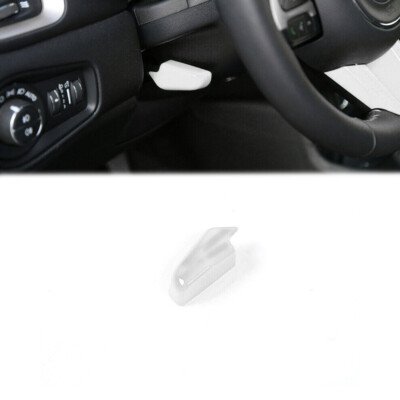
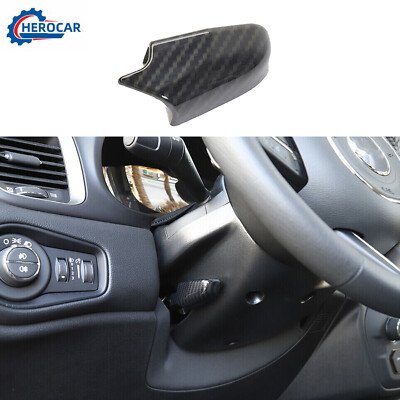
- Look under the steering column, just below the wheel. You’ll see a small lever.
- In most Renegades, the lever is black and blends with the dash. It’s easy to miss, so feel with your hand if you don’t see it right away.
3. Unlock The Steering Wheel
- Pull the lever down or out (direction may vary by model).
- The steering wheel should now move freely.
4. Adjust Tilt (up/down)
- Gently push or pull the wheel up and down.
- Find the height where your shoulders stay relaxed and your view of the dashboard is clear.
5. Adjust Telescopic (in/out)
- If your Renegade has telescopic adjustment, pull or push the wheel toward or away from you.
- Your arms should be slightly bent (about 120 degrees), and your hands should rest comfortably at 9 and 3 o’clock positions.
6. Lock The Wheel
- Once you’re happy with the position, push the lever back to its original position.
- Make sure the wheel is firmly locked—if it moves when you push, repeat the process.
7. Check Your Position
- Sit back and check if you can reach all controls without stretching.
- Make sure your line of sight to the speedometer and gauges is clear.
- Try turning the wheel fully left and right to ensure nothing blocks movement.
If you’re unsure, ask a friend or dealer staff to check your posture and steering position.
Practical Tips For Perfect Adjustment
The right steering wheel position depends on your body, seat setup, and driving style. Here are some tips that go beyond basics:
- Arm Angle Matters: Many drivers keep their arms straight, but this leads to fatigue and slower reactions. Aim for a slight bend—about 120 degrees.
- Airbag Safety: Keep at least 10 inches between your chest and the airbag in the steering wheel. This distance reduces injury risk if the airbag deploys.
- Hand Position: Place hands at the 9 and 3 o’clock positions. This gives better control and reduces strain.
- Avoid Obstructed View: Make sure the wheel doesn’t block your view of critical dashboard info.
- Height vs. Comfort: If you’re tall, raise the wheel to avoid knee contact. If you’re shorter, lower the wheel for easier reach.
A common mistake: adjusting only the steering wheel without setting your seat first. Always adjust your seat before the wheel to avoid posture problems.
Common Mistakes And How To Avoid Them
Many Renegade owners make small mistakes that reduce comfort and safety. Here’s what to watch for:
- Not locking the wheel: If the wheel is left unlocked, it can move suddenly while driving. Always double-check the lever.
- Sitting too close: Being too close to the wheel increases airbag injury risk. Adjust your seat back if needed.
- Ignoring telescopic adjustment: Some drivers don’t realize their Renegade has telescopic adjustment. Check your trim and use it for better comfort.
- Adjusting while driving: Always adjust the wheel when parked. Doing it while driving is unsafe.
- Forgetting about other drivers: If you share your Jeep, remind others to adjust for their size. Different heights need different positions.
Differences: Jeep Renegade Vs. Other Suvs
Not all SUVs have the same steering wheel adjustment features. Here’s a quick comparison:
| Model | Tilt Adjustment | Telescopic Adjustment | Ease of Use |
|---|---|---|---|
| Jeep Renegade | Yes | Yes (most trims) | Simple lever, easy to reach |
| Honda CR-V | Yes | Yes | Similar lever, more visible |
| Toyota RAV4 | Yes | Yes | Sturdy, but lever harder to move |
| Ford Escape | Yes | Yes (higher trims only) | Lever hidden, less intuitive |
Jeep Renegade’s adjustment lever is one of the easiest to use, but it can blend into the dash. Owners often don’t notice the telescopic function unless they check closely.
When Should You Adjust The Steering Wheel?
You should adjust the steering wheel:
- When you first buy or drive your Jeep Renegade
- After changing your seat position
- When someone else drives your car
- If you feel shoulder, arm, or back discomfort while driving
- After any interior upgrades (like new seat covers or cushions)
Some drivers forget to re-adjust after loaning their car to a friend or family member. Always check your position before longer trips.
Troubleshooting: If Adjustment Isn’t Working
Sometimes, the steering wheel lever feels stuck, or the wheel won’t move as expected. Here’s how to solve common issues:
- Lever won’t move: Try gently rocking the wheel while pulling the lever. Don’t force it—broken levers are costly to fix.
- Wheel won’t tilt or telescope: Make sure the car is parked. Some Renegades have safety locks that prevent adjustment while driving.
- Lever broken: If the lever feels loose or doesn’t lock, visit a dealer. DIY fixes can make the problem worse.
- Wheel moves while driving: Double-check that the lever is locked. If the wheel still moves, get it checked by a mechanic.
For rare cases, adjustment mechanisms can jam due to dirt or lack of use. Spraying a little silicone lubricant (not WD-40) can help, but be careful not to damage plastic parts.
Data: How Steering Wheel Position Impacts Comfort
A survey by Consumer Reports found that 62% of drivers reported higher comfort after adjusting their steering wheel, especially in compact SUVs like the Jeep Renegade.
Another study by the University of Michigan showed that proper steering wheel adjustment reduced fatigue by 18% on long trips.
Here’s a summary of driver comfort levels before and after adjustment:
| Adjustment | Comfort Rating (1-10) | Fatigue After 2 Hours |
|---|---|---|
| No adjustment | 6.2 | High |
| Adjusted wheel | 8.7 | Low |
The numbers show that small changes make a big difference especially for people with back or shoulder pain.
Real-life Example: New Owner Adjustment
Maria, a new Jeep Renegade owner, felt shoulder pain after her first week of driving. She realized her arms were almost straight and she struggled to see the dashboard.
After adjusting her seat and steering wheel, she noticed immediate relief and better control.
She also found the telescopic function by accident something many owners miss.
Expert Advice: When To Ask For Help
If you’re struggling to find the right steering wheel position, or if the adjustment lever is broken, don’t hesitate to ask your dealership for help. Trained staff can show you the best posture and make minor repairs if needed. You can also check Jeep’s official website for guidance: Jeep Renegade Official Site.
Frequently Asked Questions
How Often Should I Adjust My Steering Wheel?
You should check and adjust your steering wheel whenever you change your seat position or notice discomfort. For shared vehicles, adjust before every drive.
Can I Adjust The Steering Wheel While Driving?
No. Adjusting the wheel while driving is unsafe and could cause loss of control. Always make adjustments while parked.
What If My Renegade’s Steering Wheel Won’t Move?
Check if the adjustment lever is fully unlocked. If the wheel still doesn’t move, there may be a mechanical problem. Visit a Jeep dealer for repairs.
Is Telescopic Adjustment Available On All Renegade Models?
Most Renegade trims from 2015 onwards offer telescopic adjustment, but some base models may not. Check your owner’s manual or ask your dealer.
How Can I Tell If My Steering Wheel Is In The Safest Position?
Your arms should be slightly bent, hands at 9 and 3 o’clock, and at least 10 inches from the airbag. You should be able to see all dashboard gauges and reach controls comfortably.
Finding your ideal steering wheel position in the Jeep Renegade is more than just a comfort issue—it’s about safety, control, and enjoying your drive. Take a few minutes to adjust, check your posture, and make sure everything feels right. If you follow these steps, your Renegade will feel custom-fit every time you get behind the wheel.


















