Adding new lights to a Jeep Wrangler is one of the most popular upgrades for both style and utility. Good lighting can make off-roading safer, give better visibility on dark roads, and even turn your Jeep into a real head-turner.
But the process isn’t just about bolting on a new lamp—there are important safety, legal, and technical details to get right. Whether you’re thinking about LED light bars, fog lights, or colorful rock lights, this guide walks you through every step, making sure you get the result you want without costly mistakes.
Why Upgrade Your Jeep Wrangler Lights?
Jeep Wranglers are built for adventure, but the stock lights often fall short, especially if you drive off-road or in rural areas. Upgrading lights gives you:
- Better visibility: High-output LEDs cut through fog, rain, and darkness.
- More safety: Spot hazards, animals, or obstacles faster.
- Personal style: Choose from modern white beams, classic amber, or even colored accent lights.
- Increased resale value: Well-installed lights can make your Wrangler more attractive if you sell.
It’s important to note that not all lights are legal everywhere. Headlights and some auxiliary lights are regulated by local laws, so always check what’s allowed in your state.
Types Of Lights For Jeep Wranglers
There are many lighting options, each with their own uses and installation methods. Here’s a quick overview:
| Light Type | Main Use | Difficulty |
|---|---|---|
| LED Light Bars | Wide area illumination, off-road | Medium |
| Fog Lights | Cut through fog/mist | Easy |
| Rock Lights | Lighting under vehicle, off-road visibility | Medium |
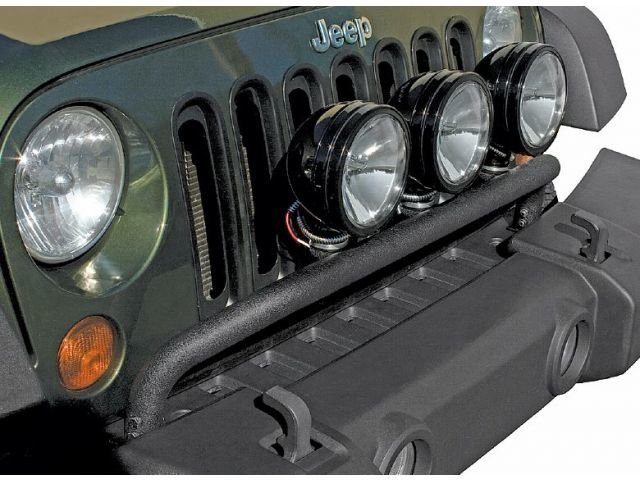
| Spotlights/Pod Lights | Focused beams, long-range | Medium |
| Headlight Upgrades | Better main road visibility | Easy-Medium |
Knowing your needs helps you choose the right lights. For example, LED light bars are great for trail driving but might be illegal to use on public roads if not wired to a separate switch.
Planning Your Lighting Upgrade
Before buying anything, make a simple plan:
- Decide where you want more light: Front, sides, rear, or underneath?
- Check your local laws: Some lights must be covered on public roads.
- Set a budget: Prices range from $30 basic pods to $500+ for high-end light bars.
- Consider your power supply: Too many lights can overload your Jeep’s electrical system.
A common mistake is buying lights without checking if your Wrangler can power them safely. Overloading the system can blow fuses or even cause a fire.
Tools And Supplies You’ll Need
Most Jeep lighting installs are DIY-friendly if you have the right tools. Gather these before starting:
- Basic hand tools: Screwdrivers, socket set, pliers
- Wire stripper/crimper
- Electrical tape and heat-shrink tubing
- Drill (sometimes needed)
- Wiring harness (often included with lights)
- Relays and fuses
- Switch panel (optional, for multiple lights)
- Zip ties and cable clips for neat wiring
Quality tools save time and prevent stripped bolts or electrical problems.
Step-by-step: How To Add Lights To Your Jeep Wrangler
Let’s walk through a general process using an LED light bar as an example. Other lights follow similar steps.
1. Choose A Mounting Location
Popular spots include the front bumper, above the windshield, or on the A-pillars (side of the windshield). Each has pros and cons:
| Mount Location | Visibility | Installation Complexity |
|---|---|---|
| Front Bumper | Excellent for road/trail | Easy |
| Windshield | Wide illumination, less glare | Medium (requires brackets) |
| A-Pillar | Focused side light | Medium |
| Underbody | Rock crawling, style | Medium-Hard |
Check for solid mounting points and avoid blocking the hood or doors.
2. Install The Mounting Brackets
Most lights come with brackets. Follow these tips:
- Use existing holes if possible to avoid drilling.
- Clean the area before attaching brackets.
- Tighten bolts evenly but don’t overtighten (can crack plastic or strip threads).
3. Run The Wiring Harness
Wiring is where many people make mistakes. Use these steps:
- Route the harness from the battery to the light, following the engine bay’s edges.
- Avoid hot parts (exhaust, radiator) or moving parts (fan, belts).
- Use zip ties and clips to hold wires in place.
A non-obvious tip: If your Jeep has a factory auxiliary switch panel, use it for a clean install—these have built-in relays and fuses.
4. Connect The Relay And Switch
A relay is important for safety. It lets you use a small dashboard switch to control a high-power light safely.
- Mount the relay close to the battery.
- Connect one wire to the battery (+), one to the light, one to ground (chassis), and one to your dash switch.
- Use a fuse (included with most harnesses) within 6 inches of the battery.
Never wire high-power lights directly to the switch or battery without a relay and fuse. This reduces fire risk.
5. Test Everything
Before finishing, test the lights:
- Turn on the Jeep’s ignition.
- Flip the new switch.
- Check for full brightness and no flickering.
- Look for any warning lights or blown fuses.
If something isn’t working, double-check ground connections and fuses.
6. Secure And Finish Wiring
When you’re sure everything works:
- Tidy up all wires with zip ties.
- Use heat-shrink tubing on exposed connections.
- Make sure nothing rubs on sharp metal.
Professional-looking wiring lasts longer and avoids electrical problems.
Special Tips For Popular Light Types
Each light has its own quirks. Here are extra insights you won’t find in basic guides:
Upgrading Headlights
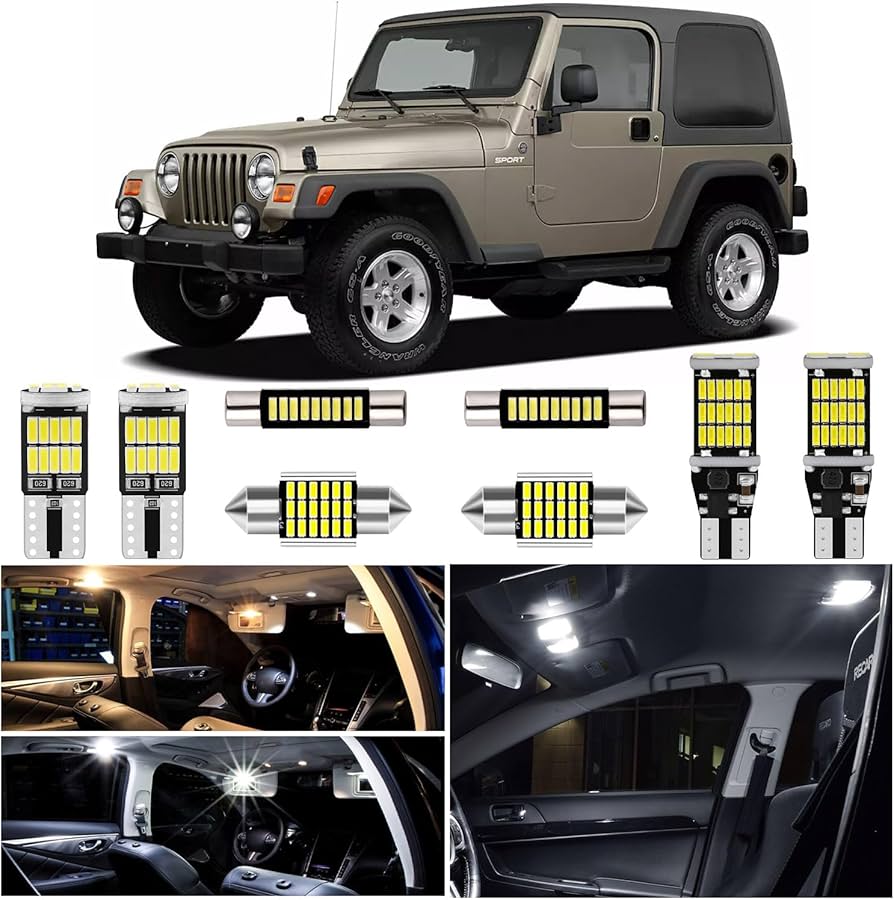
Most Wranglers (especially older models) use halogen headlights, which are dim compared to modern LEDs. Upgrading to LED headlights is usually a plug-and-play job, but you need to:
- Buy DOT-approved headlights for road legality.
- Check for “flicker” on newer models (some need anti-flicker harnesses).
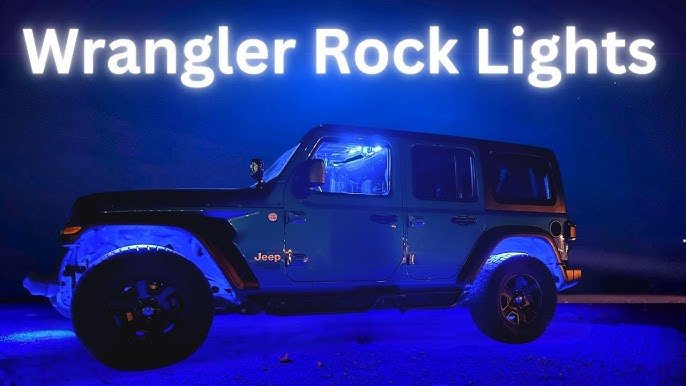
Installing Rock Lights
Rock lights are small LEDs mounted under the Jeep for illuminating rocks or obstacles. They need careful placement:
- Space them evenly for full coverage.
- Use weatherproof connectors (underbody wiring faces more water and mud).
- Avoid mounting too close to exhaust pipes.
Adding Rear Or Cargo Lights
A bright rear light can make night-time camping or reversing easier. For safety:
- Use a switch that only works when in reverse or when parked to avoid blinding drivers behind you.
Legal And Safety Considerations
Don’t skip this part. Using the wrong lights or wiring them incorrectly can cause tickets or accidents.
- Check local lighting laws: Some states ban roof lights on public roads.
- Use covers for off-road lights when driving on highways.
- Aim your lights properly—too high, and you blind other drivers.
- Always use relays and fuses to prevent electrical fires.
For more details, check the National Highway Traffic Safety Administration.
Common Mistakes To Avoid
Even experienced Jeep owners make these errors:
- Not using relays/fuses: Direct wiring can cause fires.
- Skipping weatherproofing: Water in connections leads to shorts and corrosion.
- Ignoring battery limits: Too many lights can drain or damage your battery.
- Bad mounting: Loose lights vibrate and break.
- Wrong aiming: Misaligned beams reduce usefulness and can get you pulled over.
Costs And Value: What To Expect
Lighting upgrades don’t have to break the bank, but quality matters. Here’s a basic price comparison:
| Light Type | Budget Range | Expected Lifespan |
|---|---|---|
| LED Light Bars | $50 – $400 | 30,000 – 50,000 hrs |
| Fog Lights | $30 – $150 | 20,000 – 40,000 hrs |
| Rock Lights | $40 – $200 | 20,000 – 50,000 hrs |
| Headlight Upgrades | $80 – $300 | 30,000 – 50,000 hrs |
Spending a little more usually gets you better waterproofing, brighter light, and longer life. Read reviews and avoid “no name” brands.
Maintenance And Troubleshooting
Once your new lights are in, keep them working with these tips:
- Check wiring after off-roading: Rocks and debris can loosen connections.
- Clean lenses regularly: Mud or bugs reduce brightness.
- Check for water in housings: If you see fog inside, reseal or replace.
- Inspect fuses if lights stop working.
Two non-obvious tips: Dielectric grease on connectors keeps water out, and a small voltage tester can quickly find wiring issues.
Frequently Asked Questions
What’s The Best Way To Wire Multiple Lights?
Use a switch panel with built-in relays and fuses. This keeps wiring organized and safe, especially if you add several lights over time.
Can I Install Lights Without Drilling Holes In My Jeep?
Yes, many brackets use factory mounting points. There are special “no-drill” kits for popular spots like the windshield or bumper.
Will Extra Lights Drain My Jeep’s Battery?
If you wire them correctly and use them only when the engine is running, it’s usually not a problem. However, running many high-wattage lights with the engine off can quickly drain the battery.
Are Aftermarket Lights Legal On Public Roads?
It depends on your state laws and the light type. Headlights must be DOT-approved; off-road lights often need covers while driving on highways.
Do I Need A Professional To Install Jeep Lights?
Most light installs are DIY-friendly if you’re comfortable with basic wiring and using tools. However, if you’re unsure, hiring a pro prevents mistakes and keeps your Jeep safe.
Upgrading your Jeep Wrangler’s lights is a practical project that brings both style and safety. With the right plan, tools, and attention to detail, you’ll have a brighter, more capable vehicle ready for any adventure on or off the road.