Keeping your Jeep Cherokee running smoothly depends on regular maintenance. One of the most important steps is adding coolant.
Coolant, also called antifreeze, helps control the engine’s temperature and protects it from overheating or freezing. If you’re new to car care, don’t worry.
Adding coolant is easy once you know the steps.
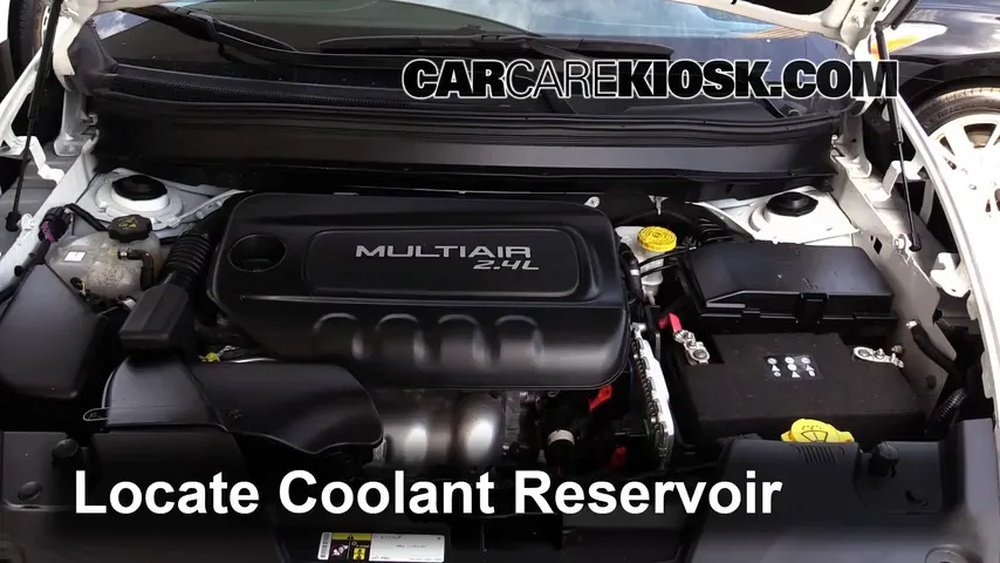
This guide will walk you through everything you need, from choosing the right coolant to avoiding common mistakes. With careful attention, you can help your Jeep Cherokee stay reliable for years.
Why Coolant Matters for the Jeep Cherokee
Your engine creates a lot of heat while running. The coolant system absorbs this heat and moves it away from the engine.
If coolant levels are low, the engine can overheat, leading to expensive repairs or even engine failure. In cold weather, coolant prevents the water in your radiator from freezing, so your Jeep starts easily.
According to the U.S. Department of Transportation, overheating causes nearly 20% of vehicle breakdowns. Keeping coolant at the right level is a simple way to avoid trouble.
Preparing To Add Coolant
Before adding coolant, gather these items:
- Coolant/antifreeze: Check your owner’s manual for the right type. Most Jeep Cherokees need OAT (Organic Acid Technology) coolant.
- Gloves and safety glasses: Coolant can irritate skin and eyes.
- Funnel: Makes pouring easier.
- Clean cloth: For spills.
Always let your engine cool for at least 30 minutes before opening the coolant reservoir. Opening it when hot can cause burns from steam or splashing.
Step-by-step: How To Add Coolant
Follow these steps to safely add coolant to your Jeep Cherokee:
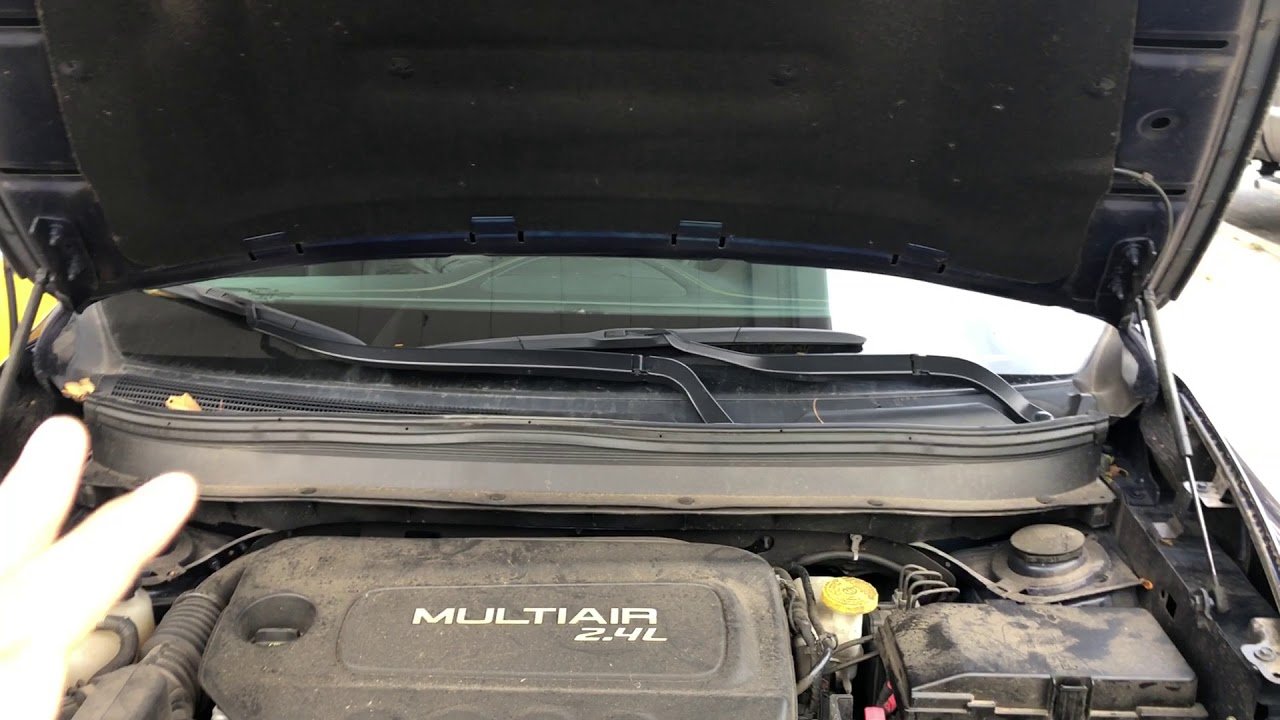
- Open the hood: Pull the hood release lever (usually near the driver’s seat). Find the latch under the hood to fully open it.
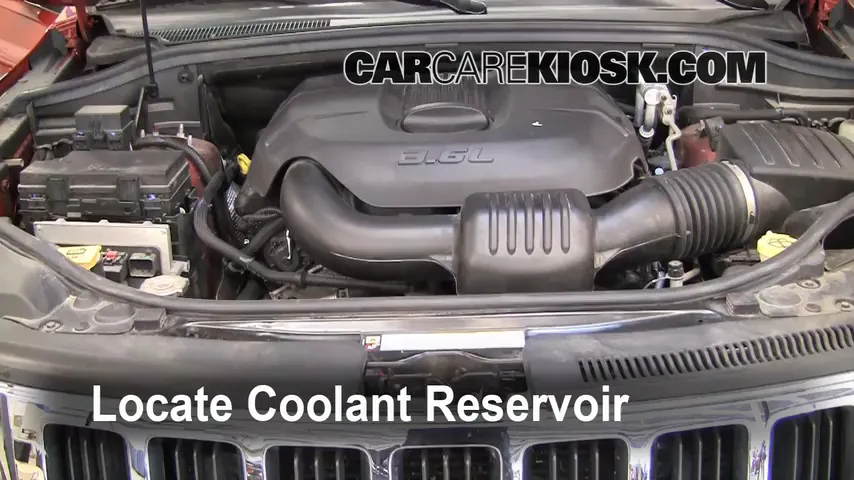
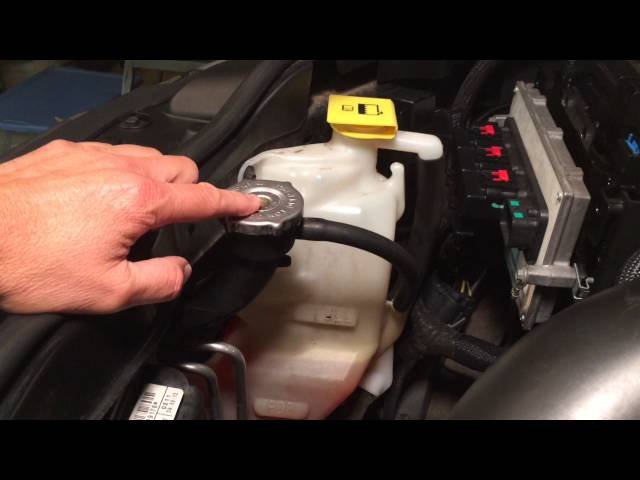
- Locate the coolant reservoir: Look for a semi-transparent plastic tank near the radiator. It often has a yellow or white cap labeled “coolant.”
- Check coolant level: The reservoir has markings for “full” and “low.” If the coolant is below the “full” line, you need to add more.
- Remove the cap: Twist the cap slowly. If you hear a hiss, wait for the pressure to release.
- Add coolant: Place the funnel in the reservoir opening. Pour coolant until it reaches the “full” mark. Do not overfill.
- Replace the cap: Secure the cap tightly.
- Clean up: Wipe any spills with a cloth. Dispose of used cloths and empty bottles safely.
Many beginners forget to check for leaks after adding coolant. Run your engine for a few minutes and look under the car.
If you see a puddle, you may leak into the system.
Choosing The Right Coolant
Using the correct coolant is critical. Jeep Cherokees built after 2014 use OAT coolant (usually pink or purple). Older models may need HOAT coolant (orange or yellow). Mixing types can damage your cooling system.
Here’s a quick comparison:
| Coolant Type | Color | Compatibility |
|---|---|---|
| OAT | Purple/Pink | 2014 and newer Jeep Cherokee |
| HOAT | Orange/Yellow | Older Jeep Cherokee models |
Always check your owner’s manual or consult your dealer. Using the wrong coolant can void your warranty and lead to expensive repairs.
How Much Coolant Does A Jeep Cherokee Need?
The coolant capacity depends on your engine size. Most recent Jeep Cherokees hold about 2.2 gallons (8.3 liters) of coolant. You usually only need to “top off” the reservoir, not fill it completely.
Estimated coolant capacities:
| Engine Type | Coolant Capacity (Gallons) |
|---|---|
| 2.4L I4 | 2.2 |
| 3.2L V6 | 2.4 |
If you are adding coolant because of a leak, you may need more. For routine maintenance, topping off is usually enough.
Common Mistakes When Adding Coolant
Many people make small mistakes that can lead to bigger problems. Watch out for these:
- Adding coolant to a hot engine: This can cause burns or cracks in the radiator.
- Mixing coolant types: This reduces effectiveness and may cause clogs.
- Ignoring leaks: Even small leaks can become serious.
- Using tap water: Only mix coolant with distilled water if needed. Tap water can cause mineral buildup.
One less obvious tip: Always check the coolant reservoir cap for wear. A damaged cap can let air into the system, causing overheating.
Signs Your Jeep Needs Coolant
If you notice these signs, check your coolant level:
- Temperature gauge is high: The engine is running hotter than normal.
- Sweet smell: Coolant has a sweet odor. If you smell this outside the car, it may be leaking.
- Visible leaks: Puddles under the car, especially green, orange, or pink fluid.
- Low coolant light: Some Jeep Cherokees have a dashboard warning.
Ignoring these signs can lead to engine damage. It’s smart to check the coolant at least once a month, especially before long trips.
Useful Tips For Beginners
- Always keep a spare bottle of correct coolant in your trunk.
- Record the date when you add coolant. This helps track maintenance.
- If your coolant looks rusty or dirty, flush the system before adding new fluid.
- Never forget to check hoses for cracks or softness.
Many beginners overlook coolant quality. Dirty coolant can block passages and reduce cooling efficiency.
A system flush every 2 3 years is a good idea.
When To Get Professional Help
If you see frequent coolant loss, overheating, or leaks, it’s time to visit a mechanic. Don’t try to fix serious cooling system problems yourself unless you have experience.
Professional service can also help if you’re unsure about which coolant to use.
For more details about car cooling systems, visit Wikipedia.
Frequently Asked Questions
Can I Use Any Brand Of Coolant For My Jeep Cherokee?
No. Always use the recommended type for your model. Mixing brands is fine, but mixing types (OAT and HOAT) is not.
How Often Should I Check My Coolant Level?
Check the coolant level at least once a month or before long road trips. Also, inspect after extreme weather changes.
What Happens If I Overfill The Coolant Reservoir?
Overfilling can cause the coolant to overflow when heated, making a mess and possibly damaging engine parts.
Can Low Coolant Cause Engine Damage?
Yes. Low coolant can lead to overheating and severe engine damage. Always keep it at the proper level.
Is It Safe To Drive If The Low Coolant Light Comes On?
No. Driving with low coolant risks overheating. Stop and add coolant or call for help before continuing.
Keeping your Jeep Cherokee’s coolant at the right level is simple but vital. This routine task helps avoid breakdowns and keeps your engine healthy.
By following these steps, checking for leaks, and using the right coolant, you can drive with confidence.
Remember, a little maintenance goes a long way in keeping your Jeep reliable and safe.


















