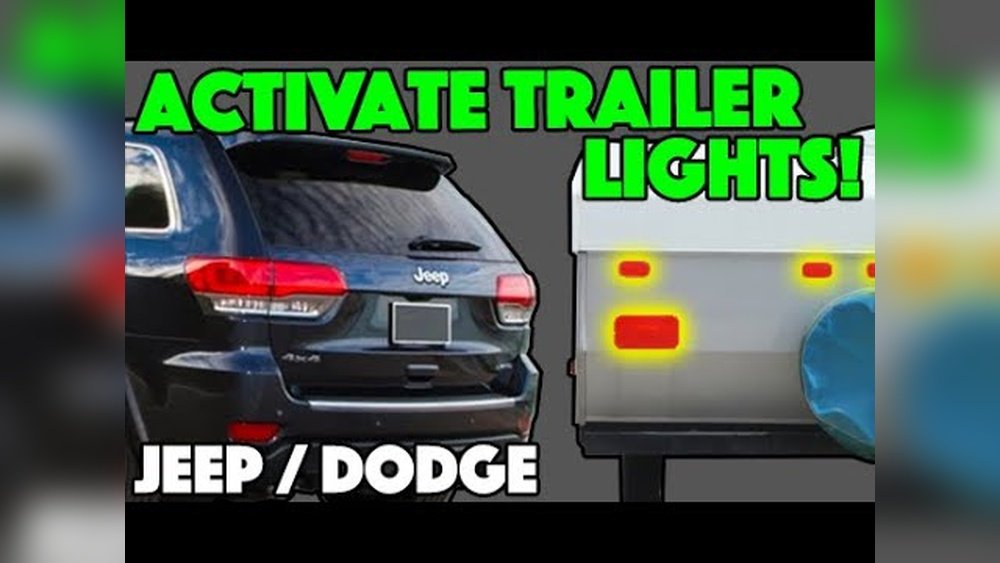
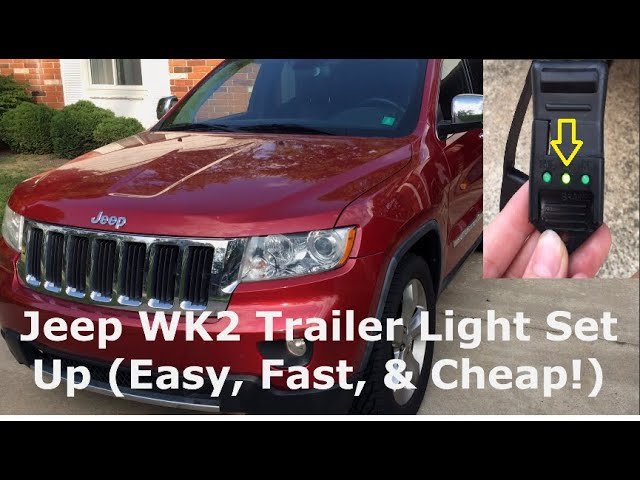
Activating trailer lights on a 2014 Jeep Grand Cherokee is a must for safe towing. Many drivers believe it's just about connecting a wire, but it's more than that.
You want every light brake, turn, tail, and reverse to work perfectly every time.
Missing one step could mean a ticket or, worse, an accident. This guide explains how to get your trailer lights working smoothly, avoid common mistakes, and understand the wiring system in your Jeep Grand Cherokee.
You’ll learn practical steps, get expert tips, and see why a few small details make a big difference.
Understanding The Trailer Light System On A 2014 Jeep Grand Cherokee
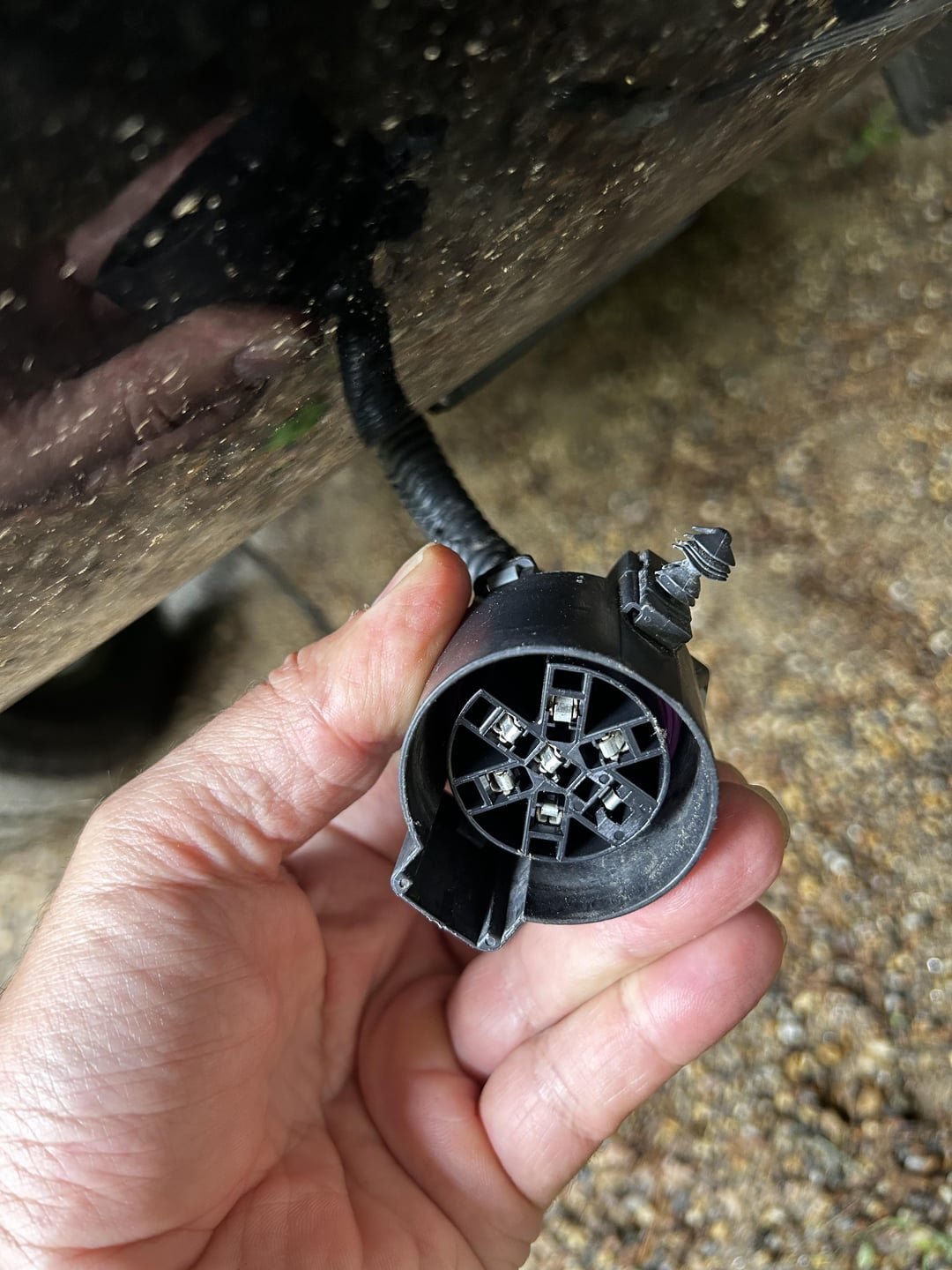
The 2014 Jeep Grand Cherokee comes with a dedicated trailer wiring connector. This is designed to let you hook up your trailer’s lights quickly. The factory trailer tow package includes a 4-pin and 7-pin connector near the rear bumper. Both connectors are protected by covers to keep dirt and moisture out.
The 4-pin connector powers basic lighting: tail, brake, and turn signals. The 7-pin adds more functions, like reverse lights and electric brakes. Knowing which connector your trailer uses is the first step. If your trailer has extra features, use the 7-pin.
Checking Your Jeep’s Towing Package
Before you begin, check if your Jeep has the factory tow package. Look under the rear bumper for the 4-pin or 7-pin plug. If you only see a blank cover or nothing at all, your Grand Cherokee might not have the package installed.
If you don’t have the tow package, you’ll need an aftermarket wiring kit. These connect to your Jeep’s tail light wiring and add a plug for your trailer.
They’re widely available, but installation is more involved.
What You Need Before Activating Trailer Lights
Gather these items before starting:
- Trailer light tester (optional but helpful)
- Tow hitch and ball mount (if not already installed)
- The right wiring adapter (4-pin or 7-pin)
- Electrical contact cleaner (to remove corrosion)
- Small screwdriver or pick (to clean connector pins)
- A friend or mirror (to check lights from behind)
It’s smart to test your trailer lights before every trip. Small problems like corrosion or loose wires are common, especially if you tow often.
Step-by-step: How To Activate Trailer Lights
1. Park And Prepare Safely
First, park your Jeep and trailer on a flat surface. Turn off the engine, set the parking brake, and check that both vehicles are stable.
Make sure your trailer’s wiring harness reaches the connector on your Jeep without being stretched or pinched.
2. Inspect And Clean Connectors
Open the dust cover on your Jeep’s trailer connector. Look inside for dirt, rust, or greenish corrosion. Use electrical contact cleaner and a small brush or pick to gently clean the pins. Dirty connectors are a top cause of trailer light problems.
Do the same for your trailer’s plug. Damaged wires or bent pins mean you’ll need repairs before moving on.
3. Connect The Wiring Harness
Plug your trailer’s connector into the Jeep’s socket. Push firmly until it clicks.
If you’re using an adapter (for example, 7-pin on Jeep to 4-pin on trailer), connect it now.
Check that the cable hangs loosely, not tight. Secure extra wire with zip ties, leaving enough slack for turning.
4. Turn On Your Jeep’s Lights
Start your Jeep and switch on the headlights. This activates the tail lights on your trailer.
Next, press the brake pedal and use the turn signals. If your trailer has reverse lights, shift into reverse briefly (with the engine running) to test them.
5. Check All Trailer Lights
It’s safest to have a friend stand behind the trailer while you test each function. If you’re alone, use a mirror or back up to a window so you can see reflections.
Test these lights:
- Tail lights (with headlights on)
- Brake lights (press pedal)
- Left and right turn signals
- Reverse lights (if equipped)
- Hazard lights (activate hazard switch)
If all lights work, you’re ready to drive. If not, continue to troubleshooting.
Troubleshooting: If Trailer Lights Don’t Work
Even with a perfect connection, trailer lights sometimes fail. Here are the most common issues and how to fix them:
1. Blown Fuses
The 2014 Grand Cherokee has separate fuses for trailer lights. Find the fuse box under the hood (called the Power Distribution Center). Use the diagram on the cover to locate the trailer lighting fuses.
Check for:
- Trailer park lamp fuse
- Trailer left/right turn signal fuses
- Trailer brake fuse
Replace any blown fuses with the same rating.
2. Faulty Wiring Or Ground
A weak or missing ground wire causes lights to flicker or not work. The ground wire is usually white and attaches to the trailer’s frame. Make sure the connection is clean and tight. Rusty or loose grounds are a common problem.
3. Adapter Issues
Adapters can go bad or not fit securely. Try a different adapter if you have one.
Wiggle the plug gently if lights flicker, the connector may be worn or dirty.
4. Bulb Problems
Trailer bulbs burn out just like car bulbs. Remove the lens covers and check each bulb.
Replace any dark or broken bulbs with the correct size.
5. Jeep Wiring Module Issues
The Grand Cherokee uses a wiring module to control trailer lights. Rarely, this module can fail, especially after a short circuit. If you suspect a deeper electrical problem, have a dealer or auto electrician check the module.
Understanding Jeep Trailer Wiring Colors
Knowing the wire colors can help you trace problems or install an aftermarket kit. Here’s how the factory wiring is usually set up:
| Function | Wire Color (Jeep) | Connector Pin |
|---|---|---|
| Left Turn Signal | Yellow | 1 |
| Right Turn Signal | Green | 2 |
| Tail/Running Lights | Brown | 3 |
| Ground | White | 4 |
| Brake Lights | Red | 5 |
| Reverse Lights (7-pin only) | Purple | 7 |
If you install an aftermarket kit, double-check wire colors. Sometimes, aftermarket kits use different colors. Always connect ground wires first.
Comparing 4-pin And 7-pin Connectors
Which connector you use depends on your trailer’s features. This comparison helps you pick the right one:
| Feature | 4-Pin Connector | 7-Pin Connector |
|---|---|---|
| Tail/Running Lights | Yes | Yes |
| Turn Signals | Yes | Yes |
| Brake Lights | Yes | Yes |
| Reverse Lights | No | Yes |
| Electric Brakes | No | Yes |
| Auxiliary Power | No | Yes |
Use the 7-pin if your trailer has electric brakes or extra features. For smaller trailers with only basic lights, the 4-pin is enough.
Practical Tips For Reliable Trailer Lighting
Many drivers overlook small details that can save time and trouble. Here are two non-obvious tips:
- Apply dielectric grease to the connector pins after cleaning. This keeps moisture out and prevents corrosion, especially in wet climates.
- Check your Jeep’s wiring harness recall status. Some 2014 Grand Cherokees had recalls for faulty trailer wiring. Check your VIN at the manufacturer’s website to see if your Jeep is affected.
Also, always carry spare fuses and bulbs in your glovebox. Trailer lights often fail at the worst time—like during a rainstorm or at night.
Common Mistakes To Avoid
- Forgetting to test all light functions: Don’t assume that if one light works, they all do.
- Ignoring connector corrosion: Even a little rust can cause trouble.
- Using the wrong adapter: Some cheap adapters can break connections or cause shorts.
- Not securing loose wires: Unsecured wires can drag, get cut, or short out.
When To Seek Professional Help
If your trailer lights still won’t work after trying these steps, it may be time for expert help. Electrical problems inside the Jeep’s wiring or module are best handled by professionals.
Don’t risk losing brake lights or signals while towing.
Legal Requirements And Safety
In the US, the law requires all trailers to have working lights. This includes brake, tail, and turn signals.
Some states require additional side marker lights or reflectors. Fines for broken lights can be high, and more importantly, you could cause a serious accident.
Check your state’s rules on the official DMV site or NHTSA Lighting Requirements for the latest guidelines.
Quick Reference: Troubleshooting Steps
Here’s a summary for quick checks:
- Inspect connectors for dirt and corrosion.
- Clean pins with contact cleaner.
- Plug in and test all functions.
- Check Jeep’s trailer light fuses.
- Test trailer bulbs.
- Verify ground wires.
- Try a different adapter if needed.
- Seek professional help if all else fails.
Frequently Asked Questions
Why Do My Trailer Lights Work Sometimes But Not Always?
This often means there’s a loose ground wire or dirty connector. Clean both the Jeep and trailer plugs, and check that the ground wire is tight and free of rust.
Can I Use Led Trailer Lights With My 2014 Jeep Grand Cherokee?
Yes, you can. However, some LED lights draw less power and may cause warning lights or rapid flashing. You might need a load resistor or a special wiring adapter to fix this.
What Fuse Controls The Trailer Lights On My Jeep?
The trailer lighting fuses are in the Power Distribution Center under the hood. Look for fuses labeled “Trailer Tow,” “Left/Right Turn,” or “Park Lamp.” Replace blown fuses with the same amp rating.
My Trailer Lights Are Dim. What Causes This?
Dim lights usually mean a bad ground or corroded connector. Clean all contact points and check for damaged wires. Also, check your trailer’s bulbs—they may be old and need replacing.
Do I Need A Special Module To Tow With My Grand Cherokee?
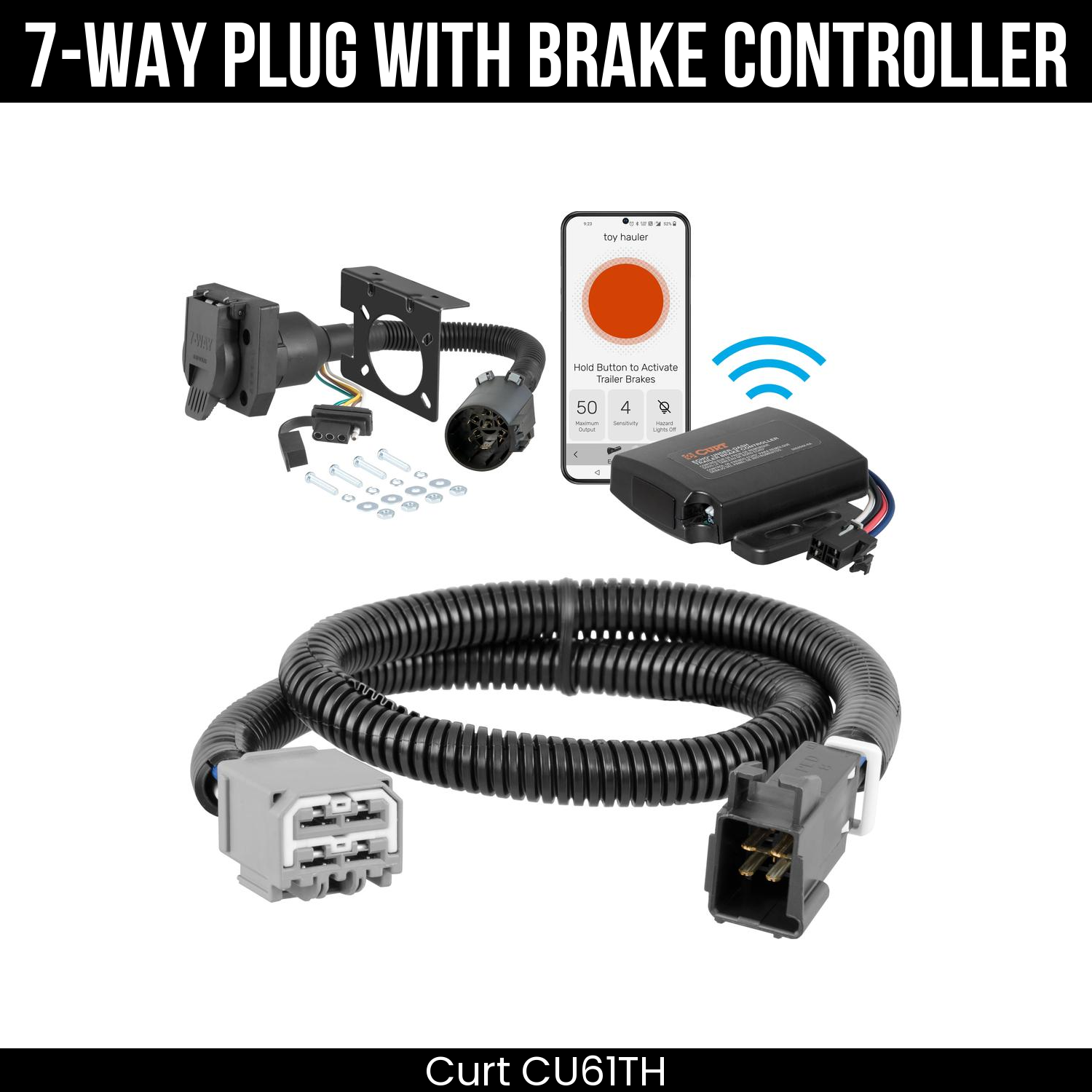
If your Jeep has the factory trailer tow package, it’s ready to go. If not, you’ll need an aftermarket wiring kit with a module. This lets you safely power the trailer lights without overloading your Jeep’s electrical system.
Getting your trailer lights working on a 2014 Jeep Grand Cherokee is straightforward if you follow the right steps. Take your time, check every connection, and don’t skip testing.
Safe towing protects you, your passengers, and everyone on the road.