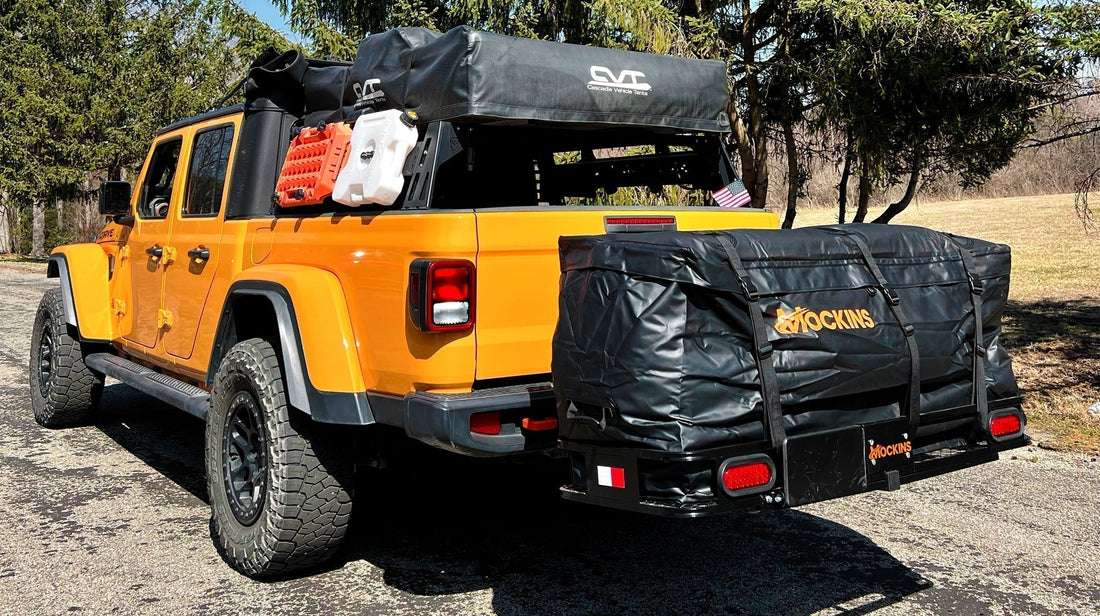
The Jeep Gladiator is a popular mid-size pickup truck known for its rugged design and off-road abilities. But for many owners and buyers, understanding how much weight this truck can handle is just as important as its looks or trail skills.
Whether you plan to carry heavy gear, tow a trailer, or load up for a weekend adventure, knowing the Gladiator’s weight limits helps you stay safe and get the most from your truck.
Key Weight Ratings Of The Jeep Gladiator
When talking about how much weight a Jeep Gladiator can hold, you need to look at a few key numbers: payload capacity, towing capacity, and gross vehicle weight rating (GVWR). Each rating measures something different, and understanding them prevents overloading.
Payload Capacity
The payload capacity is the total weight the truck can carry in its bed and cab. This includes passengers, gear, tools, and anything else you put inside or on the truck. For most Jeep Gladiator models, the payload ranges from 1,105 to 1,700 pounds (lbs), depending on the trim and equipment.
For example:
- Gladiator Sport: Up to 1,700 lbs
- Gladiator Rubicon: Around 1,200 lbs (due to heavier off-road parts)
- Gladiator Mojave: About 1,200 lbs
If you add options like a hardtop, larger tires, or other accessories, the payload may decrease because these parts use part of the allowed weight.
Towing Capacity
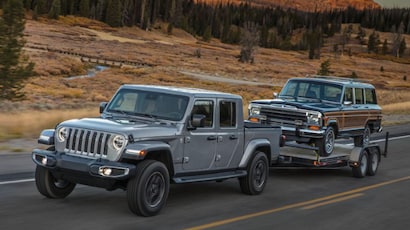
The towing capacity is the maximum weight of a trailer the Gladiator can pull. This is often higher than the payload, but it’s measured separately. The Gladiator’s maximum towing rating is 7,650 lbs, but not all models can tow this much.
Here’s a quick look at towing across the main Gladiator trims:
| Gladiator Trim | Max Towing (lbs) |
|---|---|
| Sport/Sport S | 7,650 |
| Overland | 6,000 |
| Rubicon | 7,000 |
| Mojave | 6,000 |
Note: To reach the top number, you need the Max Tow package and a properly equipped truck.
Gross Vehicle Weight Rating (gvwr)
The GVWR is the most weight your Gladiator can safely weigh with everything loaded, including passengers, cargo, and fuel. For the Gladiator, GVWR is usually 5,800 to 6,250 lbs, depending on trim.
If you subtract the empty weight (curb weight) from the GVWR, you get the payload. Overloading your Gladiator can harm handling, braking, and even void your warranty.
What Affects How Much Weight A Jeep Gladiator Can Hold?
Many buyers don’t realize that not all Gladiators have the same weight limits. Here are some factors that can change how much you can carry:
- Trim and Options – Off-road trims like the Rubicon and Mojave have heavier parts, which lowers payload.
- Added Accessories – Things like winches, racks, or bigger tires use up part of the payload.
- Passengers – Every person in the cab counts toward the payload.
- Fuel Load – A full tank adds around 120 lbs.
- Weight Distribution – Placing heavy loads toward the rear can affect driving stability.
Non-obvious insight: Many owners forget that the payload includes everything in and on the truck—not just what’s in the bed. Even a set of tools or a pet counts toward the total.

Real-world Examples
Let’s look at two common Gladiator setups to see how the numbers play out.
| Scenario | Payload Capacity (lbs) | Example Load | Result |
|---|---|---|---|
| Family Road Trip | 1,200 | 4 passengers (600 lbs), camping gear (400 lbs), dog (100 lbs), full fuel (120 lbs) | 1,220 lbs – slightly over limit |
| Hauling Construction Supplies | 1,600 | 2 people (350 lbs), tools (150 lbs), lumber (1,000 lbs), fuel (120 lbs) | 1,620 lbs – just over limit |
These examples show that it’s easy to exceed your payload, especially on trips with family or gear. Overloading, even by 50–100 lbs, can increase wear and reduce safety.
Tips To Maximize Your Jeep Gladiator’s Carrying Ability
To get the most from your Gladiator while staying safe:
- Weigh your gear before loading, especially for long trips or heavy jobs.
- Spread the weight evenly in the bed to keep good handling.
- Check tire pressure with heavy loads—low tires can overheat and fail.
- Upgrade suspension if you often carry near the max limit, but remember: This doesn’t change the official payload.
- Don’t forget passengers—their weight matters as much as cargo.
Non-obvious insight: Some owners believe aftermarket suspension lifts increase payload. In reality, the rated limits are based on the frame, axles, and brakes—not just the springs or shocks.
Common Mistakes When Loading A Gladiator
- Ignoring the payload sticker – Always check the door jamb label for your truck’s exact limit.
- Guessing weights – Lifting something by hand isn’t the same as weighing it.
- Overloading the tailgate – The tailgate has a lower weight limit than the bed floor.
- Towing and hauling at once – If you tow a heavy trailer and fill the bed, you can quickly go over the GVWR.
For more official details, the Jeep Gladiator owner’s manual or the Jeep official website has up-to-date specs and guides.
Frequently Asked Questions
What Is The Jeep Gladiator’s Maximum Payload?
Most models range from 1,105 to 1,700 lbs. The Sport trim offers the highest payload, while Rubicon and Mojave trims are lower because of added off-road parts.
Can I Increase My Gladiator’s Payload Capacity?
No, the factory payload rating is set by the manufacturer. Suspension upgrades may help with ride quality, but do not legally raise the payload limit.
What Happens If I Overload My Gladiator?
Overloading can damage suspension, brakes, and tires. It also makes the truck harder to control and may void your warranty.
Does Towing Reduce How Much I Can Carry In The Bed?
Yes. If you tow a trailer, the tongue weight (usually 10–15% of the trailer’s weight) counts toward your payload.
Where Can I Find My Gladiator’s Exact Weight Ratings?
Look for a sticker on the driver’s door jamb. It lists your truck’s GVWR, payload, and sometimes towing numbers. Your owner’s manual also explains these ratings.
The Jeep Gladiator is a strong, capable pickup—but knowing its weight limits is key to safe and smart use. By understanding payload, towing, and GVWR, you’ll protect your truck and your adventures for years to come.