Jeep vehicles are famous for their rugged design and off-road power. But when planning a road trip, hauling gear, or towing a trailer, one big question comes up: How much weight can a Jeep carry?
Knowing your Jeep’s carrying limits is not just about safety—it also protects your vehicle from damage and helps you make the most of every adventure. Let’s break down what you need to know about Jeep weight capacities, why they matter, and how to avoid common mistakes.
Key Terms: Payload Vs. Towing Capacity
Before diving into the numbers, it’s important to understand two terms:
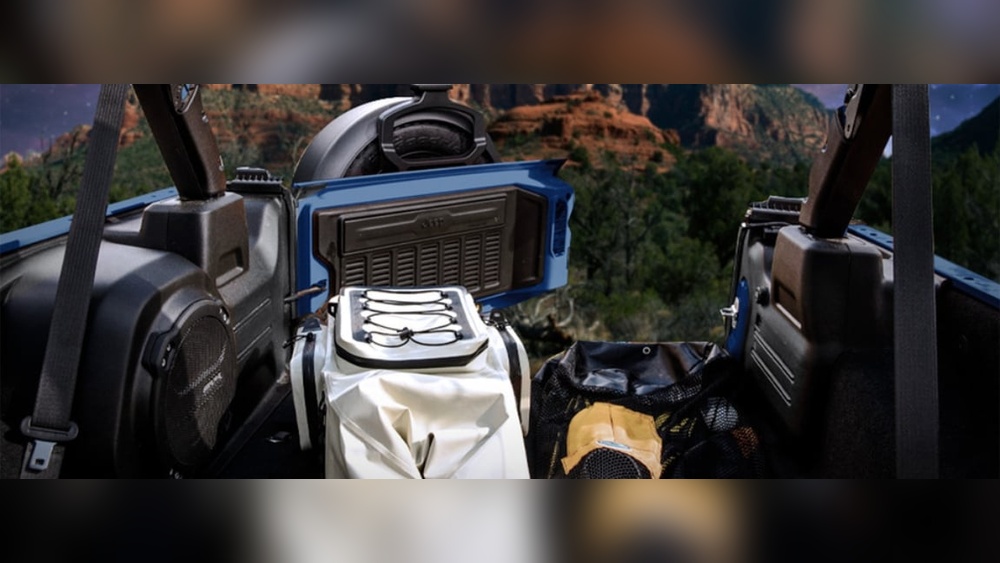
- Payload capacity is the maximum weight your Jeep can carry inside (passengers + cargo).
- Towing capacity is the maximum weight your Jeep can pull behind it, like a trailer.
These numbers are different for each Jeep model and year. Always check your owner’s manual or the sticker inside the door for your specific vehicle details.
Jeep Payload Capacity: How Much Can You Load Inside?
Jeep models vary widely. Some are built for daily driving, while others are made for hardcore off-roading. Here’s a quick overview of the most popular Jeep models and their average payload capacities:
| Model | Payload Capacity (lbs) |
|---|---|
| Wrangler (2-door) | 880–1,000 |
| Wrangler Unlimited (4-door) | 1,000–1,200 |
| Grand Cherokee | 1,100–1,350 |
| Gladiator | 1,100–1,700 |
| Compass/Renegade | 1,000–1,200 |
For example, a Jeep Wrangler Unlimited (4-door) can usually carry about 1,000 to 1,200 pounds. This number includes everyone in the vehicle and all gear or cargo. If you have four adults and their bags, you might reach the limit quickly.
Towing Capacity: How Much Can A Jeep Pull?
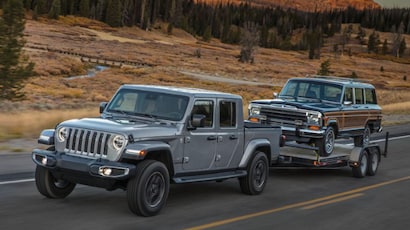
Towing is a different story. Some Jeeps, like the Gladiator, are made for heavy towing, while others are limited.
| Model | Towing Capacity (lbs) |
|---|---|
| Wrangler (2-door) | 2,000 |
| Wrangler Unlimited (4-door) | 3,500 |
| Grand Cherokee | 3,500–7,200 |
| Gladiator | 4,000–7,700 |
| Compass/Renegade | 2,000 |
A Jeep Gladiator, for example, can tow up to 7,700 pounds when properly equipped. But a Jeep Renegade is only rated for about 2,000 pounds. Always use the lower number if you’re unsure.
Why Staying Within Limits Matters
Exceeding the payload or towing capacity can cause:
- Brake failure (harder to stop)
- Suspension damage
- Tire blowouts
- Steering problems
- Voided warranty (if you break the rules)
It’s not just about the law your safety depends on respecting these limits. Insurance may not cover damage if you’re overloaded, and resale value can drop if your Jeep shows signs of abuse.
How To Calculate Your Actual Load
To know how much you can safely carry, follow these steps:
- Check curb weight: This is your Jeep’s empty weight with fluids and a full tank.
- Find GVWR (Gross Vehicle Weight Rating): This is the max weight your Jeep can safely handle (found on a sticker inside the driver’s door).
- Subtract curb weight from GVWR: The result is your payload capacity.
For example:
- Curb weight: 4,200 lbs
- GVWR: 5,400 lbs
- Payload: 5,400 – 4,200 = 1,200 lbs
If you have four adults (150 lbs each), that’s 600 lbs. Add 200 lbs of gear, and you’ve used 800 lbs leaving 400 lbs for extras.
Here’s a quick guide to help you visualize the process:
| Step | Example Value (lbs) |
|---|---|
| Curb Weight | 4,200 |
| GVWR | 5,400 |
| Payload (GVWR – Curb) | 1,200 |
| Passengers + Gear | 800 |
| Remaining Payload | 400 |
Two Insights Most Jeep Owners Miss
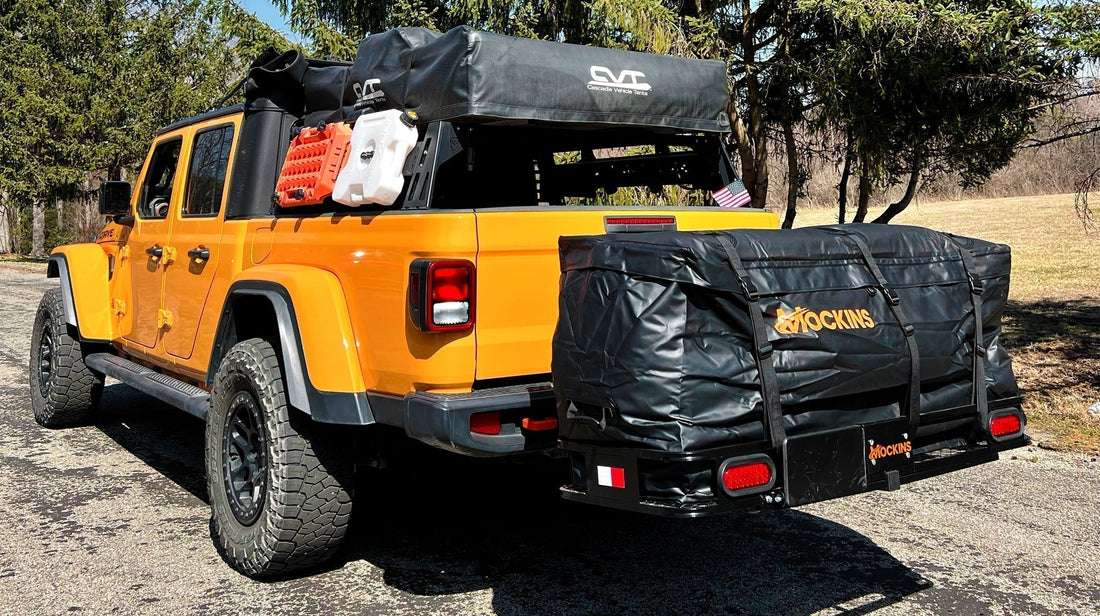
- Roof rack weight counts against payload: If you add a rooftop tent or cargo box, its weight (plus the rack) is part of your payload. Many people forget this and overload their Jeep.
- Tongue weight affects payload: When towing, the weight that presses down on your Jeep’s hitch (tongue weight) also counts against your payload. For example, if your trailer has a tongue weight of 350 lbs, that’s 350 lbs less you can carry inside the Jeep.
Factors That Change Your Jeep’s Carrying Capacity
- Upgrades and modifications: Bigger tires, heavy bumpers, or winches add weight and reduce payload.
- Passengers: Don’t forget to count everyone inside.
- Aftermarket accessories: Roof racks, jacks, and off-road gear all count.
- Weather and terrain: Off-road or high-altitude driving can make your Jeep work harder, so staying below the limit is safer.
Common Mistakes To Avoid
- Only checking towing but forgetting payload
- Ignoring the weight of add-ons like roof tents
- Not adjusting for water, fuel, and food weight on long trips
- Guessing weight instead of weighing gear
- Overloading the roof (most Jeep roofs are rated for only 100–150 lbs while driving)
Where To Find Accurate Jeep Specs
The most reliable source is your Jeep’s owner’s manual or the label on the driver’s door. For up-to-date information, you can also check the official Jeep website.
Frequently Asked Questions
How Much Weight Can A Jeep Wrangler Carry Inside?
Most Jeep Wrangler models can carry 880 to 1,200 pounds inside, including passengers and cargo. Check your specific model year for exact numbers.
Can I Exceed The Payload Limit For Short Trips?
No, it’s unsafe to exceed the payload limit, even for short trips. Overloading can damage your Jeep and put you at risk of accidents.
Does Adding A Lift Kit Or Bigger Tires Affect Payload?
Yes, these add weight to your Jeep. The extra weight counts against your payload, lowering how much you can safely carry.
What Happens If I Overload My Jeep?
You risk mechanical failure, longer stopping distances, unstable handling, and may void your warranty or insurance coverage.
Where Can I Find The Towing And Payload Specs For My Jeep?
Check the owner’s manual or the sticker inside the driver’s door. You can also visit the official Jeep website for more details.
Taking the time to know and respect your Jeep’s weight limits is key to safe and enjoyable adventures. With the right information and careful planning, you’ll keep your Jeep in top shape and ready for the next journey.