Regearing a Jeep is a big decision for off-road fans and anyone who wants better performance. If you’ve added bigger tires or plan to tow heavy loads, changing the gear ratios can make your Jeep feel new. But many drivers worry about the cost, the process, and whether it’s worth it. Let’s break down what regearing really means, how much it costs, and what you should know before starting.
Why Regear A Jeep?
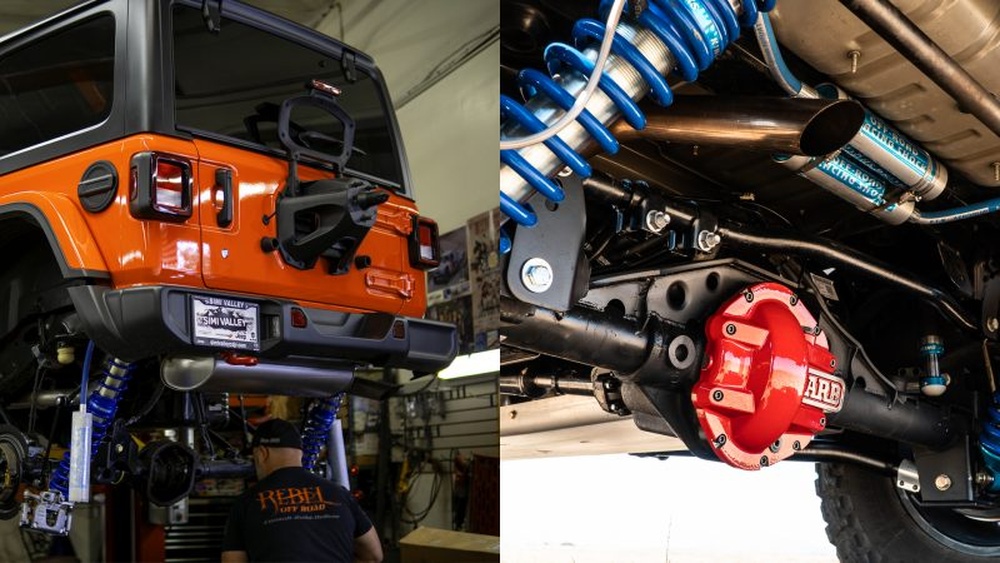
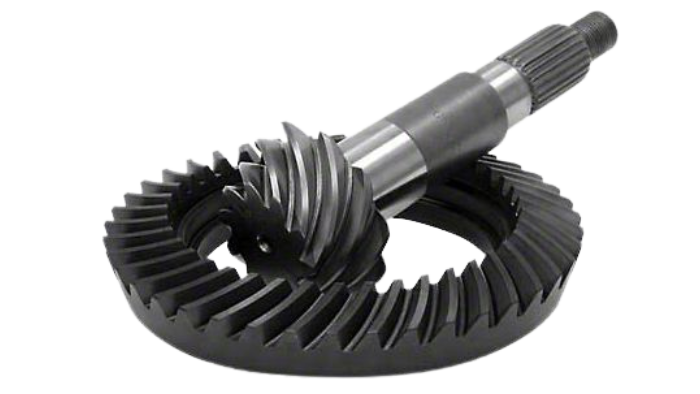
Every Jeep comes with factory-set gear ratios. When you install larger tires, the engine works harder, and you lose power, especially at low speeds. Regearing means changing the differential gears to a new ratio, helping the engine run smoother with those bigger tires. You get back lost torque, improve fuel economy, and enjoy better acceleration.
Some signs you may need to regear:
- Sluggish acceleration after tire upgrades
- Lower gas mileage
- Harder time climbing hills or towing
Many Jeep owners notice these problems after moving from stock tires to 33-inch, 35-inch, or even larger sizes.
How Much Does Regearing Cost?
The total cost depends on your Jeep model, labor rates, parts quality, and whether you do both axles or just one.
Here’s a quick breakdown in a comparison table:
| Jeep Model | Parts (Per Axle) | Labor (Per Axle) | Total (Both Axles) |
|---|---|---|---|
| Wrangler JK | $250-$350 | $400-$600 | $1,300-$1,900 |
| Wrangler JL | $300-$400 | $500-$700 | $1,600-$2,200 |
| Grand Cherokee | $350-$500 | $600-$800 | $1,900-$2,600 |
Labor is the biggest part of the cost. Many shops charge $800–$1,200 for both axles, since it takes 6–10 hours. Gear sets and install kits are usually $400–$700 for both axles.
Extra Costs To Consider
- Upgraded carriers: Needed for some gear ratios ($150–$250)
- New bearings/seals: Often recommended ($100–$200)
- Shop fees: Disposal, supplies, or taxes ($50–$100)
- Optional lockers: If you want to add lockers during regearing ($500–$1,200)
If you want professional results, most experts suggest using a shop with Jeep experience. Mistakes can cause noise, gear failure, or leaks.

Choosing The Right Gear Ratio
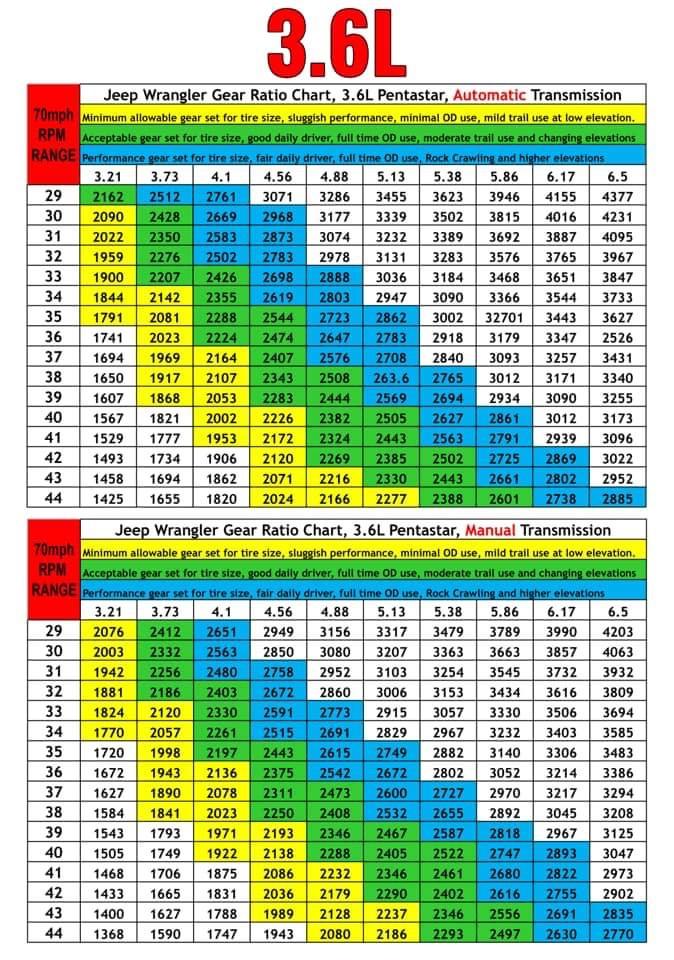
Picking the best ratio is key. The goal is to match your tire size and driving style. Too high or low, and you lose performance or fuel efficiency.
Here’s a helpful table showing recommended ratios for popular tire sizes:
| Tire Size | Engine | Recommended Ratio |
|---|---|---|
| 33-inch | 3.6L V6 | 4.56 |
| 35-inch | 3.6L V6 | 4.88 |
| 37-inch | 3.6L V6 | 5.13 |
| 33-inch | 2.0L Turbo | 4.10 |
| 35-inch | 2.0L Turbo | 4.56 |
If you drive mostly on highways, choose a slightly lower ratio for better fuel economy. For off-road or towing, go higher for more torque.
Diy Vs. Professional Installation
Some Jeep owners try to regear at home. It’s possible, but you need special tools and knowledge. Setting gears wrong can ruin your axles. Most people pay for professional installation.
Here are the main differences:
- DIY: Save $800–$1,200 in labor but risk mistakes
- Shop: Pay more but get warranty and expert results
If you’re not confident with mechanical work, let a shop handle it.
Common Mistakes When Regearing
Even experienced owners make errors. Here are a few to avoid:
- Picking the wrong ratio: Research your tire size, engine, and use.
- Ignoring install kits: Always use fresh bearings, seals, and shims.
- Skipping both axles: Regear both axles together. Different ratios can cause damage.
- Not breaking in gears: After install, follow break-in steps—drive gently for 500 miles, change the gear oil.
Non-obvious tip: Always check your Jeep’s axle type (Dana 30, Dana 44, etc.) since gear sets differ. Also, some shops charge extra for heavy-duty axles.
Real-world Example
A Jeep Wrangler owner with 35-inch tires and a 3.6L engine paid $1,800 for a full regear (parts and labor). After the upgrade, they saw:
- 15% better torque on hills
- 10% improvement in fuel economy
- Smoother shifting
Most users report their Jeep feels “like stock” again, even with big tires.
Is Regearing Worth It?
If you drive off-road or tow, regearing is one of the best upgrades you can make. It restores lost power and protects your transmission. For daily driving, the cost may be high unless you have large tires.
Two insights beginners miss:
- You must regear both axles—never just one.
- Gear break-in is critical; skipping it can shorten gear life.
If you’re unsure, talk to a Jeep specialist for advice. Some shops offer free consultations and can recommend the right ratio for your needs.
For more technical details, you can check ExtremeTerrain’s Jeep Regear Guide.
Frequently Asked Questions
What Does “regearing” Mean For A Jeep?
Regearing changes the differential gear ratio. It helps match the engine to new tire sizes and improves performance.
How Long Does A Jeep Regear Take?
Most shops finish in 6–10 hours. Some busy shops need a full day or two.
Can I Drive With Different Gear Ratios Front And Rear?
No. Always match gear ratios on both axles. Mismatched gears can damage your drivetrain.
Will Regearing Affect My Jeep’s Warranty?
It depends. Some shops offer warranty on parts/labor, but factory warranty may not cover modified axles.
Is Regearing Only For Off-road Jeeps?
No. Anyone with bigger tires or heavy towing can benefit, even if you drive mostly on pavement.
Changing your Jeep’s gears is a big investment, but it can make your ride feel powerful and smooth again. If you plan carefully, choose the right shop, and follow break-in steps, you’ll get the best results for your money.