Regearing your Jeep TJ is a big decision for many off-roaders and Jeep lovers. Whether you’ve added larger tires or want better performance on trails, changing the gear ratio can make a huge difference.
But how much does it really cost to regear a Jeep TJ? The answer isn’t simple—many factors affect the price, and making the right choice can save you money and headaches.
In this guide, you’ll learn what impacts the price, what to look for in a shop, and a breakdown of typical costs. If you want your Jeep TJ to run smoother and stronger, this article will help you plan your budget wisely.
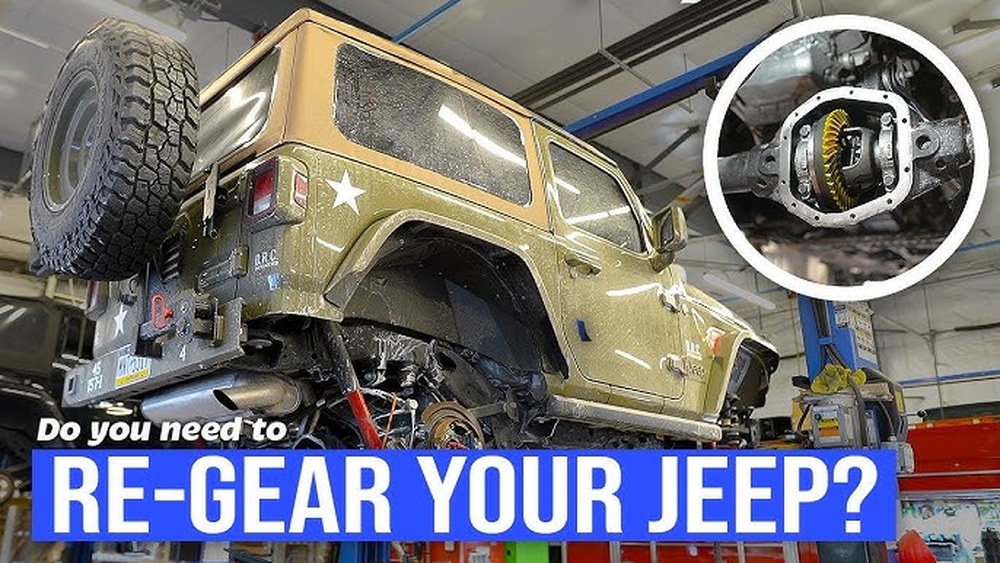
What Does Regearing Mean?
Regearing means replacing the differential gears in your axles to a different ratio. For Jeep TJs, most models came with 3.07, 3.55, or 3.73 gear ratios from the factory. If you add bigger tires (like 33-inch or 35-inch), your Jeep can feel sluggish. Regearing to a lower ratio (like 4.10 or 4.56) helps restore lost power and fuel economy.
Key benefits of regearing:
- Improved acceleration
- Better gas mileage with large tires
- Less strain on the engine and transmission
Most Jeep TJs have both front and rear axles. For best results, both need to be regeared to the same ratio.
Main Cost Factors
Many variables affect how much you’ll pay to regear a Jeep TJ. Here are the biggest ones:
- Parts quality: Premium gear sets cost more but last longer.
- Labor rates: Shops charge $400–$700 per axle, depending on location.
- Axle type: Dana 30 (front) and Dana 35 or 44 (rear) have different prices.
- Extra parts needed: Sometimes, you’ll need new carriers, bearings, or fluids.
- Shop experience: More skilled mechanics may charge more but get the job done right.
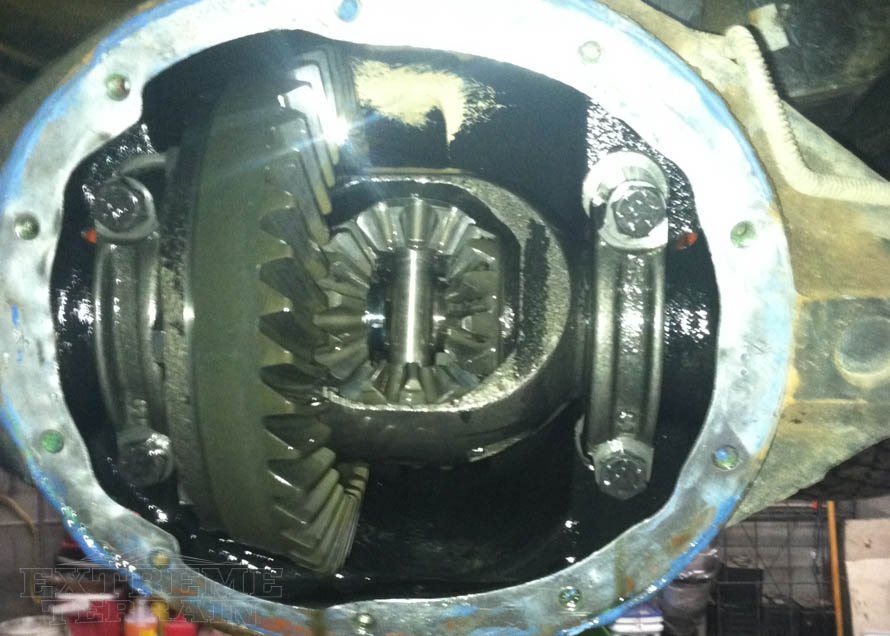
Typical Price Breakdown
Let’s look at what you can expect to pay for parts and labor. These numbers reflect average costs in the US.
| Item | Low End | High End |
|---|---|---|
| Gear Set (Front/Rear) | $250 | $500 |
| Install Kit (Each Axle) | $100 | $200 |
| Labor (Each Axle) | $400 | $700 |
| Fluids & Misc. | $50 | $100 |
Total cost per axle: $750–$1,500
Total for both axles: $1,500–$3,000
This is for a standard regear. If you need new carriers (usually required if jumping to much lower gears), add $100–$300 per axle.
Comparing Diy Vs. Professional Shops
Some Jeep owners consider doing the job themselves to save money. Here’s how the two options compare:
| Option | Pros | Cons |
|---|---|---|
| DIY | Lower cost, learn new skills | Requires special tools, risk of mistakes |
| Professional Shop | Warranty, expert work, faster | Higher cost |
Pro tip: Regearing requires precision. Even small mistakes can cause noise, wear, or failure. Unless you are very experienced, using a shop is the safest choice.
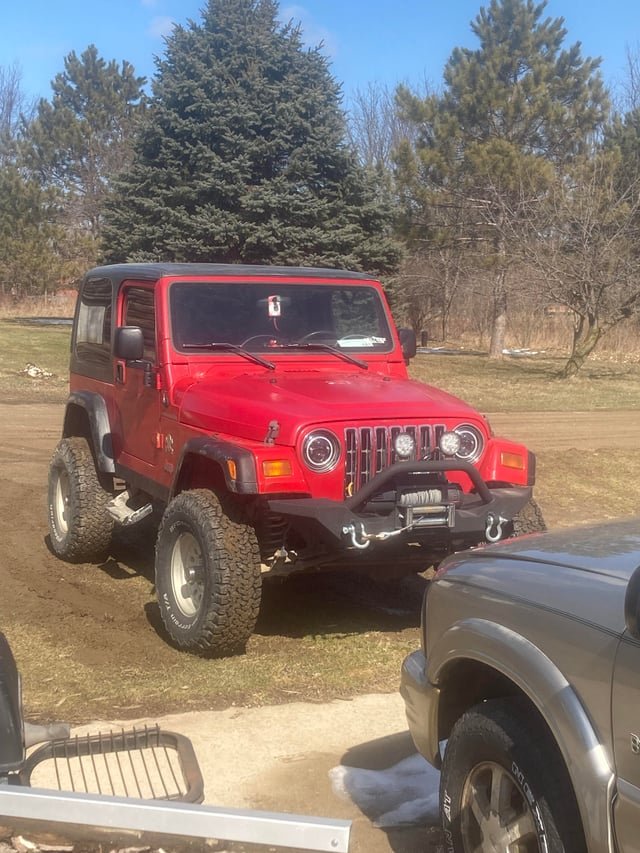
Real-world Example Costs
Let’s say you want to regear your 2003 Jeep TJ with Dana 30 front and Dana 44 rear axles, moving from 3.07 to 4.56 gears.
- Gear sets: $450 each × 2 = $900
- Install kits: $150 each × 2 = $300
- Labor: $600 each × 2 = $1,200
- Fluids/misc: $80
Total: $2,480
If you shop around, you might find package deals that save you $200–$400. Some shops also offer warranty on parts and labor, adding peace of mind.
Common Mistakes To Avoid
When planning to regear your Jeep TJ, many people miss these important details:
- Not matching the front and rear ratios: This can damage your drivetrain if you use 4WD.
- Choosing the wrong ratio: Always use a gear ratio calculator based on your tire size, engine, and needs.
- Ignoring carrier break points: Some gear ratios require a new differential carrier. Not budgeting for this leads to surprises.
- Skipping break-in period: New gears need gentle driving for the first 500 miles and a fluid change after.
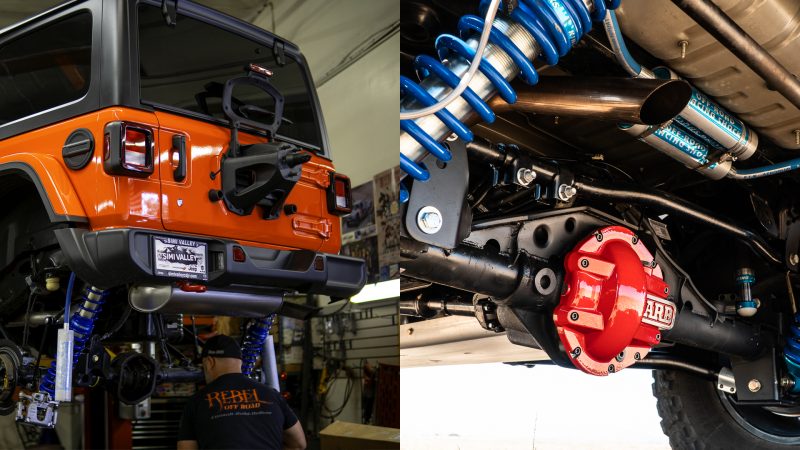
How To Choose The Right Shop
Picking the right mechanic or shop can make a big difference. Here’s what to look for:
- Experience with Jeep TJs and regearing
- Good reviews and reputation
- Clear warranty on labor and parts
- Willing to answer your questions and explain the process
Ask for a detailed quote before agreeing to the work. Make sure all parts and labor are included.
Is Regearing Worth The Cost?
For most Jeep TJ owners who run larger tires or drive off-road often, regearing is one of the best upgrades. It restores lost power, improves drivability, and can even save your transmission from extra stress. While the price is not small, the benefits are long-lasting. If you plan to keep your Jeep for several years, the investment pays off over time.


















