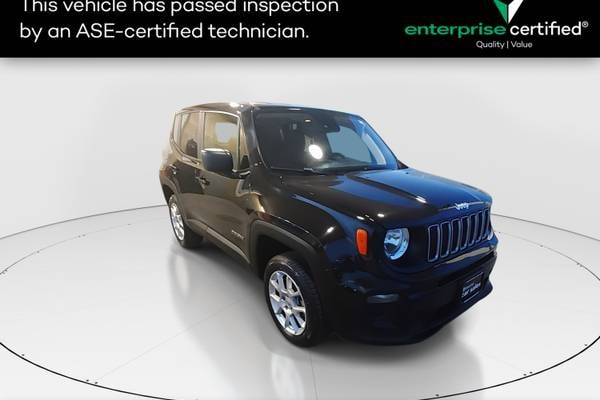
Buying a used Jeep Renegade can be exciting, but prices vary a lot. If you’re thinking about this popular subcompact SUV, it’s smart to understand what affects its cost.
This guide will help you see real prices, compare models, and avoid mistakes many buyers make.
Whether you want a basic commuter or a rugged Trailhawk for adventure, knowing the market value will save you money and stress.

What Impacts The Price Of A Used Jeep Renegade?
Several factors decide how much you’ll pay for a used Jeep Renegade. Here are the main things you should know:
- Model year: Newer models usually cost more, but older ones sometimes hold their value if they have low mileage or special features.
- Trim level: There are several trims like Sport, Latitude, Limited, and Trailhawk. Higher trims have more features and cost more.
- Mileage: SUVs with fewer miles are more expensive. High mileage often means a lower price, but also more potential repairs.
- Condition: A clean car with no accidents is worth more. Scratches, dents, or a bad service history can lower the price quickly.
- Location: Prices can change based on where you live. In some states, used cars are simply more expensive.
- Optional features: Sunroofs, navigation, heated seats, and advanced safety features all make the price go up.
Non-obvious tip: Many buyers only look at price, but forget to check service history. A slightly more expensive Renegade with full service records is often a smarter buy.
Average Used Jeep Renegade Prices In 2026
Let’s look at some real numbers for used Jeep Renegades across different years and trims.
| Model Year | Average Price (USD) | Typical Mileage |
|---|---|---|
| 2016 | $11,500 – $15,000 | 70,000 – 100,000 miles |
| 2018 | $14,000 – $18,500 | 40,000 – 70,000 miles |
| 2020 | $18,000 – $23,000 | 20,000 – 45,000 miles |
| 2026 | $22,500 – $28,000 | 10,000 – 25,000 miles |
Insight: Prices can vary by $2,000–$4,000 for the same year based on trim and condition. Always check more than one source before deciding.
Comparing Jeep Renegade Trims
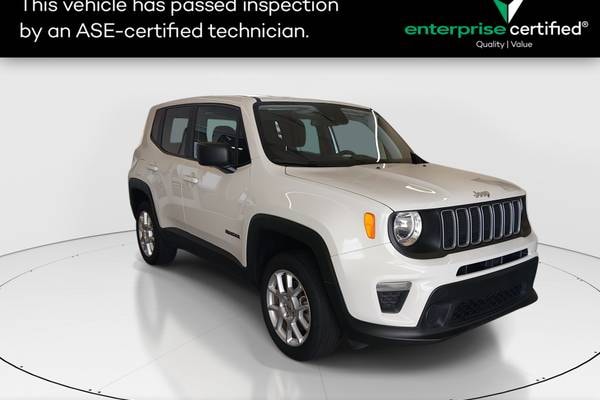
Different trims offer unique features and different price points. Here’s a quick look:
| Trim | Key Features | Typical Used Price (2020 Model) |
|---|---|---|
| Sport | Basic interior, manual features | $18,000 – $19,000 |
| Latitude | Touchscreen, alloy wheels | $19,500 – $21,000 |
| Limited | Leather seats, advanced safety | $20,500 – $22,500 |
| Trailhawk | Off-road package, AWD | $21,000 – $23,000 |
Pro tip: Many people overlook the Latitude trim, but it offers the best mix of features and value for most drivers.
Where To Buy And What To Watch For
You can find used Jeep Renegades at dealerships, online marketplaces, and private sellers. Each option has pros and cons.
- Dealerships: Usually more expensive, but you might get a warranty and certified inspection.
- Online: Websites like CarGurus or Autotrader let you compare many vehicles quickly.
- Private sellers: Usually cheaper, but cars are sold “as-is” and you need to inspect carefully.
Hidden cost alert: Always check for extra dealer fees or “reconditioning” costs that can add $500–$1,500 to the final price.
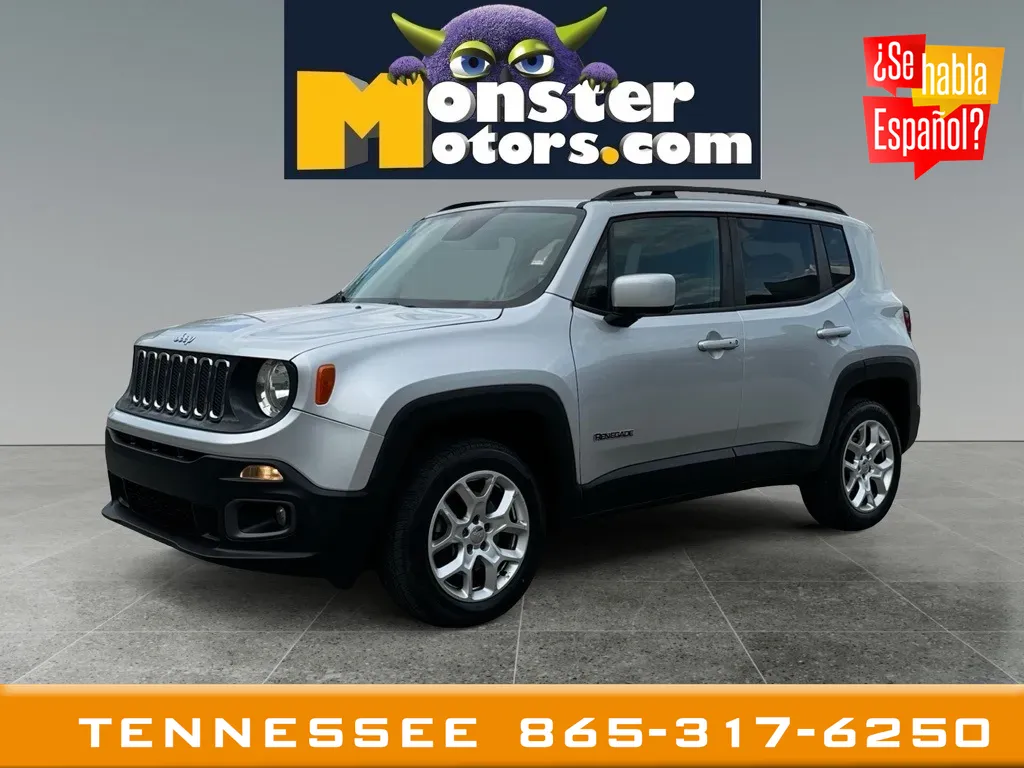
Jeep Renegade Vs. Similar Suvs
How does the Jeep Renegade’s price compare to other small SUVs? Here’s a quick comparison with similar models:
| Model | 2020 Used Price Range | Key Strength |
|---|---|---|
| Jeep Renegade | $18,000 – $23,000 | Best for off-road capability |
| Honda HR-V | $19,000 – $24,000 | Most cargo space |
| Ford EcoSport | $15,500 – $20,500 | Lower starting price |
| Chevrolet Trax | $16,000 – $21,000 | Easy city driving |
Non-obvious insight: The Jeep Renegade usually holds its value better than the Ford EcoSport, especially in AWD versions.
How To Get The Best Deal
- Research local prices before visiting sellers. Prices can be different even in nearby cities.
- Get a pre-purchase inspection from a trusted mechanic. This can reveal hidden issues.
- Ask for a vehicle history report (like Carfax). Walk away if there are major accidents.
- Negotiate with facts. Bring printouts of similar listings to support your offer.
- Consider total cost (taxes, registration, insurance) before making a final decision.
Many buyers focus only on the monthly payment. But a lower monthly cost sometimes means you’re paying more in fees or interest over time.