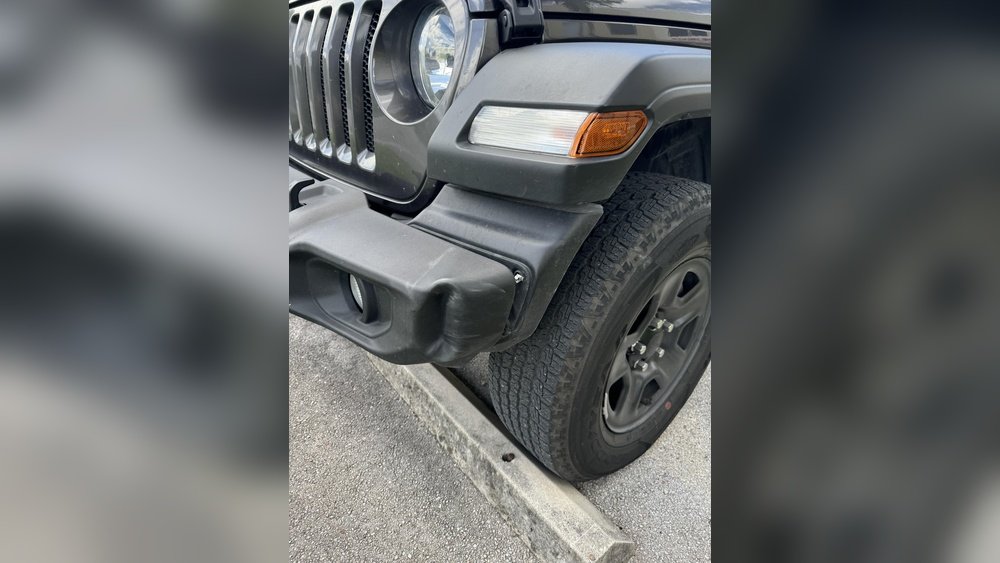
Buying a new Jeep radiator is not just about fixing your vehicle—it’s an investment in keeping your engine cool and avoiding bigger problems. If your Jeep is overheating or you see coolant leaks, you might need a new radiator soon.
But how much does a Jeep radiator really cost? Let’s break down the numbers, compare types, and help you make the right decision without confusion.
Jeep Radiator Price Range
The price for a Jeep radiator can vary depending on your Jeep model, the brand, and whether you choose OEM (original equipment manufacturer) or aftermarket parts. Most radiators for popular Jeep models like the Jeep Wrangler, Grand Cherokee, or Cherokee fall between $150 and $600.
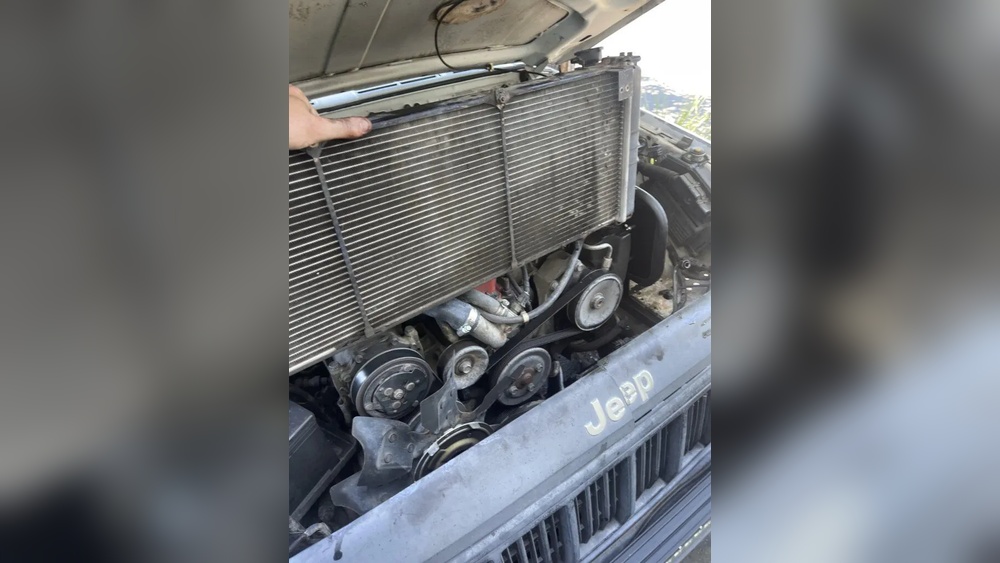
If you drive an older Jeep, prices may be lower. For newer models or performance upgrades, costs rise. Here’s a quick comparison of common Jeep radiators:
| Jeep Model | Typical Radiator Price |
|---|---|
| Jeep Wrangler (TJ/YJ/JK) | $180 – $350 |
| Grand Cherokee (WJ/WK) | $200 – $480 |
| Jeep Cherokee (XJ/KL) | $150 – $320 |
| Jeep Compass/Patriot | $170 – $300 |
These prices are for the radiator itself and do not include labor or extra parts.
Factors That Affect Jeep Radiator Cost
Not all radiators are equal. The price you pay depends on several factors:
- OEM vs Aftermarket: OEM radiators fit perfectly and last longer, but cost more. Aftermarket radiators are cheaper and offer more options but may not last as long.
- Material: Most Jeep radiators are made from aluminum or plastic/aluminum combinations. Full aluminum radiators are stronger, but pricier.
- Performance Upgrades: If you drive off-road or want better cooling, performance radiators cost $300–$600 or more.
- Year and Model: Newer Jeeps have more advanced cooling systems, raising the price.
You should also consider where you buy: dealerships usually charge more than local shops or online stores.
Labor And Installation Costs
Buying a radiator is only part of the expense. You need to pay for installation unless you do it yourself.
Most shops charge $100–$250 for labor, depending on your location and the complexity.
Let’s compare DIY vs professional installation:
| Method | Estimated Cost | Pros | Cons |
|---|---|---|---|
| DIY | $0 (just tools) | Save money, learn skills | Takes time, risk of mistakes |
| Professional | $100 – $250 | Fast, reliable | Higher total cost |
Most people choose professional installation unless they have experience. This helps avoid leaks, air pockets, and overheating.
Replacing a radiator often means you’ll need other parts, like:
- New hoses
- Fresh coolant
- Clamps
- Thermostat (sometimes)
Expect to spend an extra $40–$100 on these. Skipping them can cause leaks or engine damage.
You might also face hidden costs. For example, rusty bolts or damaged fans may increase labor charges.
Always ask for a full estimate before starting.
Choosing The Right Jeep Radiator
Picking the right radiator is important. Here’s what to look for:
- Fitment: Make sure the radiator matches your Jeep’s year and model.
- Cooling capacity: If you drive in hot climates or tow heavy loads, choose a radiator with extra cooling.
- Brand reputation: Well-known brands, like Mopar, Spectra Premium, or Denso, offer better warranties and quality.
- Warranty: Aim for at least a 1-year warranty.
- Customer reviews: Check online reviews to avoid poor-fitting or low-quality radiators.
Avoid buying the cheapest option if it has bad reviews. Saving $50 now can cost you much more if your engine overheats.
Real-world Example: 2015 Jeep Wrangler
Let’s look at a real example. For a 2015 Jeep Wrangler, a new radiator from Mopar (OEM) costs $340–$420. Aftermarket radiators run $190–$280. Labor is about $160 at most shops. With hoses and coolant, the total cost can reach $500–$600 for OEM, or $350–$450 for aftermarket.
This shows the value of checking both part and installation costs before deciding.
Common Mistakes When Replacing A Jeep Radiator
Many Jeep owners make mistakes that can cost extra:
- Ignoring extra parts: Skipping hoses or clamps leads to leaks.
- Not flushing old coolant: Mixing old and new coolant reduces cooling and can cause corrosion.
- Buying wrong size: Radiators must fit your Jeep exactly.
- Cheap brands: Low-quality radiators fail faster and can damage your engine.
Always double-check compatibility and plan for extra items before buying.
Jeep Radiator Lifespan And Maintenance
A good radiator lasts 5–8 years if maintained. Regular coolant changes and checking for leaks help extend life. If you drive off-road or in hot climates, inspect your radiator more often.
Replacing a radiator before it fails can prevent engine overheating, which costs thousands to repair.