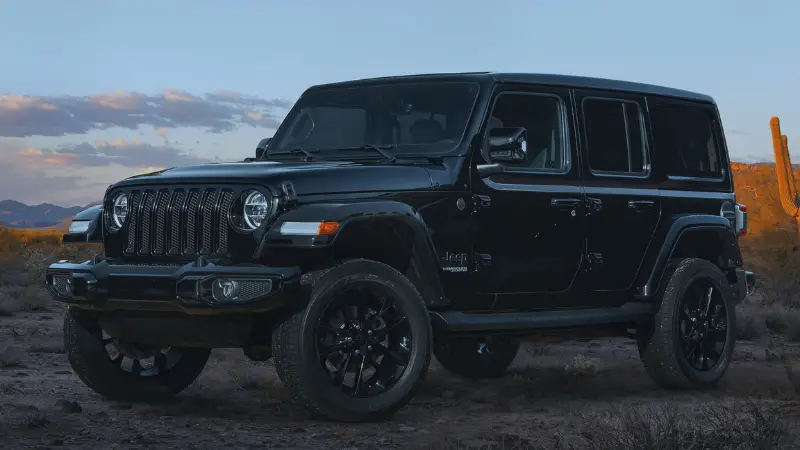
Buying a Jeep is exciting. You picture yourself driving through mud, snow, or city streets with confidence.
But before you hit the road, you need to know one thing: how much is a Jeep payment? This guide explains what affects Jeep payments, gives real examples, and helps you plan your budget wisely.
Whether you’re looking at a new or used Jeep, or want to lease, understanding payments is key for smart decisions.
What Determines Your Jeep Payment?
Several factors decide your monthly Jeep payment. Knowing these can help you estimate costs and avoid surprises.
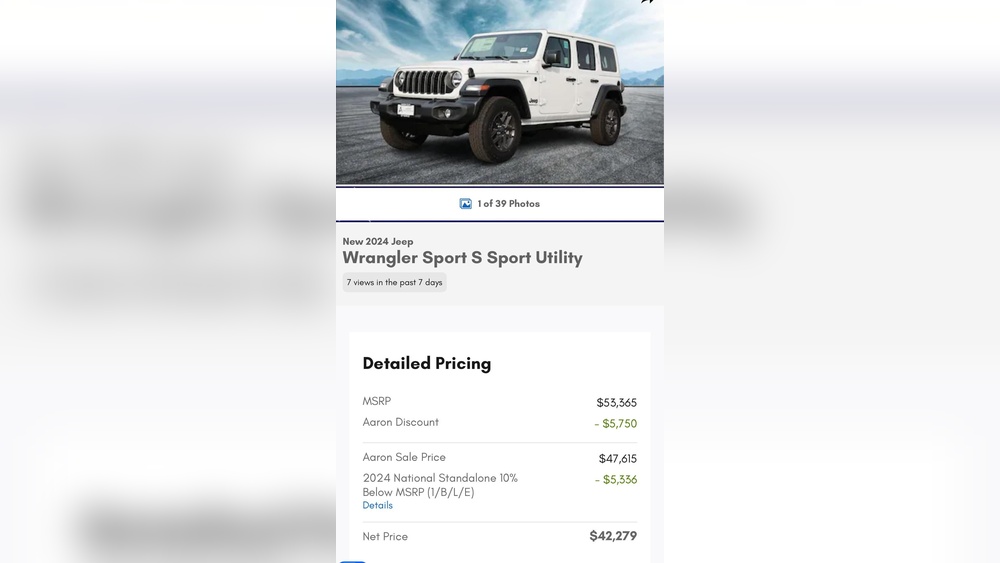
- Vehicle price: Newer models like the Jeep Grand Cherokee or Wrangler usually cost more than older or smaller models. Special editions, extra features, or luxury trims can raise the price even higher. For example, a loaded Grand Cherokee can be $10,000 more than the base model.
- Down payment: The more you pay upfront, the lower your monthly payment. Some buyers put 20% down to reduce interest and lower their loan balance. A bigger down payment can also help you qualify for better loan terms.
- Loan term: Longer loans (like 72 months) mean lower payments but higher interest over time. Shorter loans (like 36 or 48 months) have higher payments but save money in the long run.
- Interest rate: Better credit scores get lower rates. Rates can range from 3% for excellent credit to 12% or more for poor credit. Even a 1% difference in rate can add up over five years.
- Type of Jeep: Popular models have different prices and resale values. For instance, the Wrangler often keeps its value better, so used Wranglers may cost more than other models of the same age.
- Taxes and fees: Sales tax, registration, and dealer fees add extra costs. These fees can vary by state and sometimes add $2,000 or more to your total.
It’s important to ask the dealer for a full breakdown of all costs. Some fees—like documentation or destination charges—are often missed by first-time buyers.
Average Jeep Payments: Real Examples
Let’s look at average payments for popular Jeep models. These examples assume a 5-year loan, 10% down payment, and average credit.
Keep in mind these are estimates; your numbers may change based on your situation and local rates.
| Model | MSRP (Base) | Estimated Monthly Payment |
|---|---|---|
| Jeep Wrangler | $32,000 | $520–$600 |
| Jeep Grand Cherokee | $41,000 | $660–$750 |
| Jeep Compass | $29,000 | $470–$550 |
| Jeep Renegade | $25,000 | $400–$480 |
Used Jeeps cost less. For example, a 3-year-old Jeep Cherokee ($22,000) may have a payment of $350–$420 per month. Always check the exact year, mileage, and trim for accurate numbers. Certified pre-owned Jeeps might cost a little more, but often include extended warranties or free service for a limited time, which can help with long-term costs.
If you buy from a private seller, payments may be lower, but you may not get extra benefits like warranties or dealer support. If you plan to add options like navigation, off-road packages, or advanced safety features, expect your payment to go up by $20–$50 per month, depending on the package.
Leasing Vs. Financing A Jeep
You can lease or finance your Jeep. Each option changes your payment.
| Option | Monthly Payment | Ownership | Mileage Limit |
|---|---|---|---|
| Lease | $300–$450 | No | 10,000–15,000/year |
| Finance | $400–$750 | Yes | None |
Leasing usually means lower payments, but you don’t own the car at the end. You must follow mileage limits and pay for extra wear.
If you drive a lot, going over the mileage limit can cost 15–25 cents per extra mile, which adds up quickly.
Some people like leasing because they can drive a new Jeep every few years, while others prefer financing because they want to own their vehicle.
Financing costs more per month, but you own the Jeep after paying off the loan. You can keep it as long as you want, modify it, or sell it anytime.
Think about your driving habits and long-term plans before choosing.
Down Payments And Credit Score Impact
Putting more money down lowers your monthly payment. Here’s how it works:
| Down Payment | Monthly Payment (Wrangler Example) |
|---|---|
| $3,200 (10%) | $570 |
| $6,400 (20%) | $520 |
Your credit score also matters. A score above 700 can get you rates below 5%. Scores under 650 might push rates above 8%. Even a small change in interest rate can change your payment by $30–$50 per month. If your score is low, you might need a co-signer or pay a higher rate.
If you have great credit, some dealers offer special rates or cash rebates. But if your credit is average or poor, compare bank and credit union rates before going to the dealer.
Improving your credit by even 20–30 points before you buy can make a real difference.

Extra Costs To Remember
Monthly payments aren’t the only expense. Here are some hidden costs:
- Insurance: Varies by model and driver. Expect $100–$180/month for a Jeep. High-performance models or younger drivers may pay more.
- Maintenance: Routine service and repairs. Set aside $50–$100/month. Off-roading or extreme weather use can increase this cost.
- Taxes and fees: Local taxes and registration add to upfront costs. In some states, you pay sales tax on the full price even if you lease.
- Extended warranty: Optional, but can be $20–$40/month. This can cover big repairs after the standard warranty ends.
Many buyers forget these extras. Always budget for them to avoid trouble later.
Remember, if you finance, you’ll need full insurance coverage, not just basic liability. This is often required by lenders and is more expensive than minimum coverage.
Tips For Lowering Your Jeep Payment
You can reduce your payment with these strategies:
- Increase down payment: The more cash upfront, the less you finance. Even an extra $500–$1,000 can make a difference.
- Shop interest rates: Compare offers from banks, credit unions, and dealers. Sometimes a local credit union offers lower rates than the dealer.
- Choose a shorter loan term: It may raise the payment, but lowers interest paid. If you can afford it, 48 months saves more than 72 months.
- Pick a less expensive model or trim: Consider used Jeeps for savings. Entry-level trims often have the same engines as higher trims but fewer features.
- Negotiate price: Dealers may offer discounts, incentives, or rebates. Ask about manufacturer promotions or end-of-year sales.
Most beginners overlook the power of negotiating loan terms. Dealers often focus on monthly payment, but you should ask about total cost, interest rate, and fees.
This gives you a clearer picture and more room to save. Don’t be afraid to walk away if the deal doesn’t fit your budget.
Another tip: Check if your employer or membership group (like AAA) offers car buying programs. These can sometimes unlock extra savings or special rates.

Common Mistakes When Estimating Jeep Payments
Many buyers make errors that cost money:
- Ignoring taxes and fees in their budget
- Focusing only on monthly payment, not total loan cost
- Forgetting insurance and maintenance
- Not checking their credit score before applying
A smart buyer considers the whole picture—not just the monthly number. Also, some buyers skip reviewing the final loan documents.
Always check for hidden fees or changes before you sign.
If you plan to trade in your old vehicle, know its value before you negotiate. Dealers may offer less than market value, raising your out-of-pocket costs.