The 2023 Jeep Grand Wagoneer stands out in the luxury SUV market. With its bold design, advanced technology, and powerful features, it attracts buyers who want comfort, capability, and prestige.
But before making a purchase, it’s important to understand the pricing, different trims, and what you get for your money. This article breaks down the cost and value of the 2023 Grand Wagoneer, helping you decide if it’s the right fit.
Pricing And Trim Levels
The Grand Wagoneer comes in several trims, each with its own features and price. The starting price is higher than many other SUVs because it offers luxury and performance.
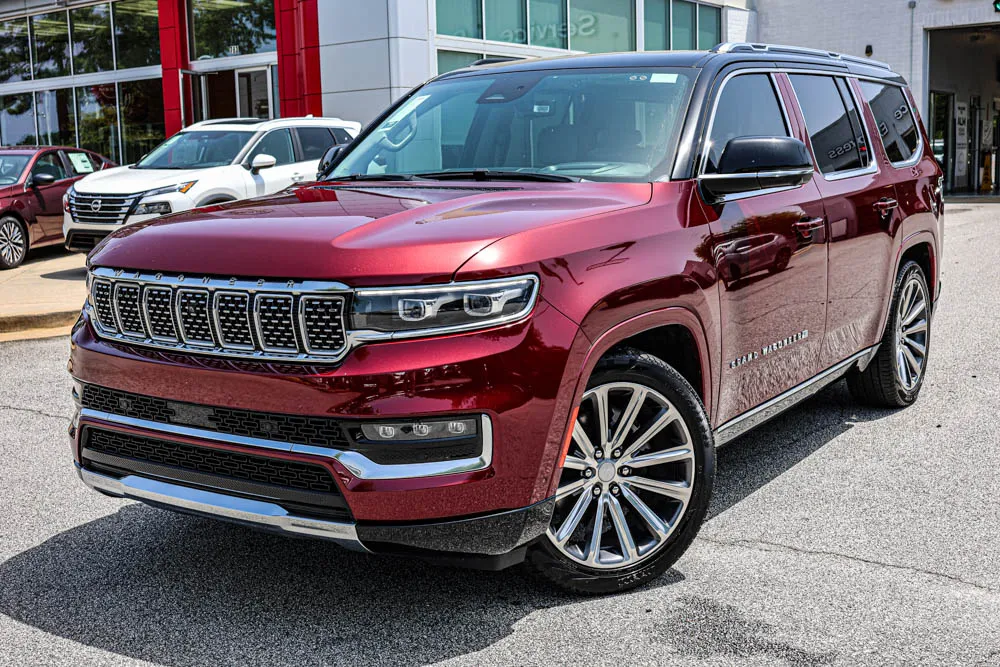
- Grand Wagoneer Series I: This is the base model, starting at $88,640. It includes heated seats, leather upholstery, and a 12-inch touchscreen. You also get a digital instrument cluster, three-zone climate control, and a power-folding third row, making it suitable for families who want both comfort and flexibility.
- Grand Wagoneer Series II: Priced from $95,140, this trim adds premium audio, advanced driver aids, and upgraded interior materials. The Series II also includes ventilated front seats, a rearview camera mirror, and enhanced ambient lighting for a richer cabin experience.
- Grand Wagoneer Series III: The top-level trim starts at $109,995. It offers a 23-speaker McIntosh sound system, massage seats, and more luxury options. Series III also gives you a head-up display and power-retractable running boards, which are rare features in this segment.
- Grand Wagoneer Obsidian: This special edition starts at $100,840. It features dark styling elements, black wheels, and unique interior accents. The Obsidian also includes upgraded navigation and privacy glass, appealing to buyers who want a more modern, distinctive look.
These prices are the MSRP (manufacturer’s suggested retail price). The actual cost may vary due to options, location, or dealer fees. It’s also worth noting that luxury taxes or regional surcharges can change the final price, especially in states with higher registration fees.
Standard Features Across Trims
Every Grand Wagoneer model comes packed with high-end features:
- Four-wheel drive for all-weather traction
- 6.4-liter V8 engine with 471 horsepower
- Automatic emergency braking for added safety
- Panoramic sunroof that gives the cabin a bright, open feel
- Wireless Apple CarPlay and Android Auto for easy phone connection
Buyers get a strong mix of comfort and technology, making the Grand Wagoneer competitive with other premium SUVs. Even the base trim includes features that are optional on many rivals.
For example, heated steering wheel, adjustable air suspension, and adaptive cruise control are standard, not extra-cost options.
Optional Packages And Upgrades
Choosing optional packages can raise the price. Some popular upgrades include:
- Premium Rear-Seat Entertainment: Adds two 10.1-inch screens for passengers. This is ideal for families, as kids can watch movies or play games on long trips.
- Advanced Safety Group: Includes night vision and drowsy driver detection. Night vision helps you spot animals or people in the dark, which is a safety feature not often seen in SUVs.
- Towing Package: Increases towing capacity to 9,850 lbs. This package adds a heavy-duty hitch and trailer brake controller, making it suitable for hauling boats or campers.
Adding these packages can push the total price above $115,000 for fully loaded models. Some buyers also choose custom paint, larger wheels, or luxury interior upgrades, all of which increase costs further.
Comparison With Other Luxury Suvs
To understand if the Grand Wagoneer is worth its price, let’s compare it to similar vehicles.
| Model | Starting Price | Engine | Third-Row Seating |
|---|---|---|---|
| Jeep Grand Wagoneer | $88,640 | 6.4L V8 | Standard |
| Cadillac Escalade | $81,190 | 6.2L V8 | Standard |
| Lincoln Navigator | $79,725 | 3.5L V6 | Standard |
| BMW X7 | $77,850 | 3.0L I6 | Optional |
The Grand Wagoneer is among the most expensive, but it offers the largest engine and many luxury features. Unlike the BMW X7, third-row seating is standard, and the cabin is larger, which matters for big families.
The Escalade and Navigator also compete closely, but Jeep’s off-road ability and American design stand out.

Real-world Pricing: Dealer And Location Variations
While the MSRP gives a baseline, real-world prices can change due to:
- Dealer incentives (discounts, cashback) that can lower your cost
- Geographic location (higher prices in cities, lower in rural areas)
- Trade-in value (reduces final cost if you have a car to sell)
Some buyers report paying $2,000–$5,000 less than MSRP depending on negotiation skills. Timing is also important: buying at the end of the month or during holiday sales can lead to better deals. In high-demand regions, prices may actually go above MSRP if supply is low.
Ownership Costs
Buying a luxury SUV means thinking beyond the sticker price. Consider these costs:
- Insurance: Higher rates due to luxury status and repair costs. Insuring a Grand Wagoneer can cost more than a standard SUV because of its advanced electronics and expensive parts.
- Fuel: The V8 engine uses more fuel; expect 15–17 mpg. If you drive in the city often, fuel costs can be higher than you expect.
- Maintenance: Premium parts and service increase expenses. Regular oil changes, tire replacements, and brake service are more costly than mainstream vehicles.
Here’s a quick look at yearly costs:
| Expense | Estimated Annual Cost |
|---|---|
| Insurance | $2,500–$3,500 |
| Fuel | $2,000–$3,000 |
| Maintenance | $1,000–$1,500 |
Repair costs for luxury SUVs can spike if you need new electronics or body panels. Another hidden expense is tire replacement; larger wheels and performance tires wear out quicker.
Two Insights Most Buyers Miss
- Depreciation is fast: Luxury SUVs lose value quicker than regular vehicles. The Grand Wagoneer could lose 20% of its value in the first year. This means if you plan to sell or trade in after a few years, you may get much less than you paid.
- Resale value depends on options: Models with advanced tech and entertainment packages sell better later. Choosing popular options now can save money in the future. Buyers often overlook this, but investing in features like rear-seat entertainment or upgraded safety can make your vehicle more attractive in the used market.
Many people focus only on the price or appearance, but these hidden factors can affect your total cost.
Pros And Cons Of Buying New
Pros
- Latest features: You get the newest tech and safety. The 2023 model includes updates not found in earlier years, such as improved infotainment and more driver aids.
- Full warranty: All repairs are covered for several years. This reduces unexpected expenses, especially on complex electronics.
- Customization: Pick your preferred color and packages. You can build a vehicle that fits your style and needs.
Cons
- Higher depreciation: New vehicles lose value quickly. If you sell after two or three years, your investment may drop more than with a used model.
- Premium price: Used models may offer similar features for less. For example, a lightly used 2022 Grand Wagoneer can cost $10,000–$15,000 less with almost identical features.
Tips Before Buying
- Test drive different trims: Comfort and ride quality can vary. Some trims have softer suspension or more tech, so driving them helps you find what feels best.
- Compare dealer offers: Ask about incentives or discounts. Dealers sometimes include free maintenance or accessories.
- Check insurance rates: Costs can be higher than expected. Getting quotes before buying can prevent surprises.
Researching more on the official Jeep site or trusted automotive reviews can help you choose wisely. For deeper insights, see the Jeep Grand Wagoneer official page.
Frequently Asked Questions
What Is The Starting Price For A 2023 Jeep Grand Wagoneer?
The base price is $88,640 for the Series I trim. Prices go up with higher trims and added options. Taxes, fees, and packages can increase the total cost.
How Much Does A Fully Loaded Grand Wagoneer Cost?
A fully equipped Series III can reach $115,000 or more, depending on packages and dealer fees. Adding custom features or accessories may push the price even higher.
Is The Grand Wagoneer Fuel Efficient?
No, the 6.4-liter V8 engine averages 15–17 mpg, which is lower than some competitors. Fuel costs will be higher if you drive long distances.
Does The Grand Wagoneer Have Good Resale Value?
Luxury SUVs depreciate quickly. Choosing popular options can help protect resale value.
Maintenance records and condition also matter for future buyers.
What Makes The Grand Wagoneer Different From Other Luxury Suvs?
It offers unique American styling, strong off-road ability, and advanced technology, setting it apart from European rivals. The Grand Wagoneer also stands out with its spacious cabin and towing power.
Buying a 2023 Jeep Grand Wagoneer is a big investment. With its impressive features and high price, it’s important to consider your needs, budget, and long-term plans.
If you value luxury, power, and space, the Grand Wagoneer could be a great choice.
Careful comparison and negotiation can help you get the best deal.