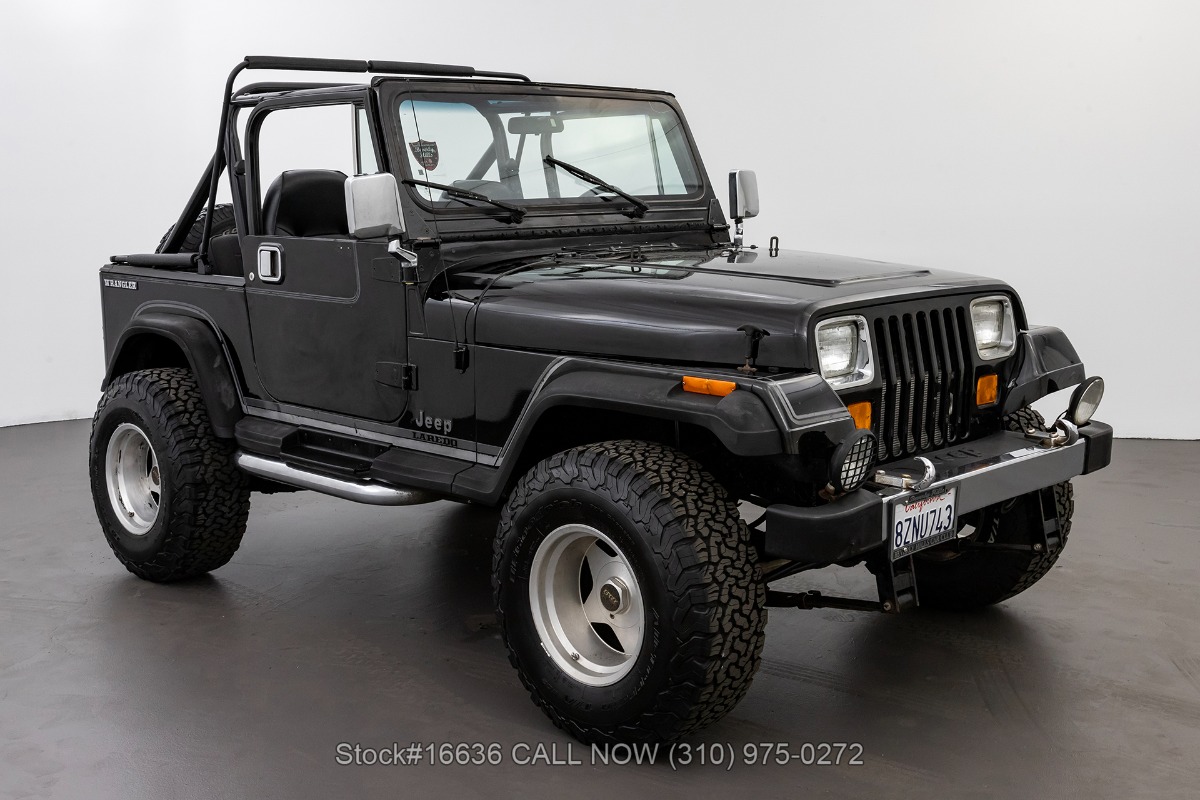
The 1989 Jeep Wrangler holds a special place in many car lovers’ hearts. It’s classic, rugged, and still popular more than 30 years after it left the factory.
If you’re wondering, “How much is a 1989 Jeep Wrangler worth?” —the answer is not simple.
Many factors shape its value: condition, mileage, modifications, and even location. Let’s look at what really determines how much you can expect to pay, or earn, for this vintage SUV.

Key Factors That Affect Value
The price range for a 1989 Jeep Wrangler is wide. Some sell for under $5,000, while rare, well-maintained ones fetch more than $15,000. Here are the main reasons for this spread:
- Condition: The better the condition, the higher the price. A Wrangler with rust, dents, or worn interiors will cost less. Many buyers look closely at the body panels, undercarriage, and even the dashboard for cracks or fading. Wranglers from humid climates are more prone to rust, while those from dry regions often age better.
- Mileage: Lower miles usually mean less wear and tear. For example, a Wrangler with fewer than 80,000 miles might have original suspension parts and less engine fatigue compared to one with over 150,000 miles.
- Originality: Wranglers with original parts are often more valuable than heavily modified ones. Original paint, factory seats, and matching numbers on the engine and chassis can attract collectors who value authenticity.
- Trim and Features: The 1989 model came in different trims: S, SE, Islander, and Laredo. Special editions or models with extra features can bring higher prices. For example, the Islander trim had unique decals and color options, while the Laredo offered more luxury touches like better seats and chrome accents.
- Location: In some regions, old Jeeps are more popular or harder to find, raising local prices. For instance, Wranglers in mountain states or beach towns often sell faster, especially during spring and summer.
- Service History: A well-documented maintenance record can increase value. If the owner shows receipts for regular oil changes, brake jobs, and major repairs, buyers feel more confident.
- Modifications: Some buyers like lift kits, bigger tires, or custom paint, but purists prefer stock. Modifications can be a double-edged sword—while they may improve performance or looks, they sometimes make the car harder to insure or register.
Even small details, like a working radio or original owner’s manual, can influence price. Buyers often pay attention to every little sign of care or neglect.
Typical Price Ranges
To give you a clearer idea, here’s a quick comparison of different 1989 Jeep Wrangler price ranges:
| Condition | Mileage | Estimated Price |
|---|---|---|
| Poor (rust, heavy wear) | 150,000+ miles | $3,000–$5,000 |
| Average (some wear, runs well) | 100,000–150,000 miles | $5,000–$9,000 |
| Very Good (clean, original) | Under 100,000 miles | $9,000–$14,000 |
| Excellent (restored, low miles) | Under 75,000 miles | $14,000–$18,000 |
Insight: Wranglers with rare trims (like Laredo) or colors can fetch up to 20% more than base models in similar condition. Even things like factory hardtops or special wheels can add value.
Market Trends For 1989 Jeep Wrangler
Classic SUVs have seen a price increase in recent years. The Wrangler YJ (1987–1995) became more popular as collectors and off-road fans look for authentic experiences. People want vehicles that are easy to work on and good for weekend adventures, so demand has grown.
A look at recent sales data:
| Year | Average Sale Price |
|---|---|
| 2019 | $6,700 |
| 2021 | $8,400 |
| 2023 | $9,800 |
Non-obvious insight: Wranglers in dry climates (e.g., Arizona) are worth more because they often have less rust. Also, vehicles stored indoors—like in garages or barns—usually have less sun damage and hold value better.
Another trend is that younger buyers are starting to collect older Jeeps, especially those who enjoy camping and outdoor sports. This new interest can keep prices strong for the next few years.
Comparing Stock Vs. Modified Models
Some owners upgrade their Wranglers for off-roading: bigger tires, winches, or suspension lifts. While these mods can add fun, they don’t always raise resale value. In fact, the more you move away from factory specs, the fewer buyers are interested.
| Type | Typical Buyer | Resale Value Impact |
|---|---|---|
| Stock | Collectors, enthusiasts | Higher |
| Lightly Modified | Off-road fans | Neutral |
| Heavily Modified | Specialty market | Lower (unless buyer wants those mods) |
Tip: If you plan to sell, keep original parts. Returning to stock can boost your price. For example, swapping out a lifted suspension for original springs may widen your pool of buyers and help you get a better offer.
Another detail: mods like upgraded LED lights or Bluetooth radios are easier to reverse, while engine swaps or custom paint jobs can make resale trickier.
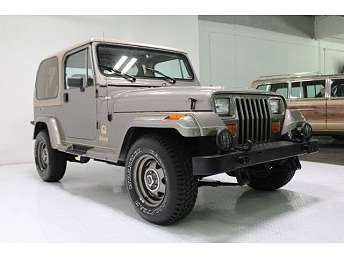
Real-world Examples
Here are some real examples of recent sales:
- 1989 Jeep Wrangler Laredo, 75,000 miles, excellent shape: $15,200
- 1989 Wrangler SE, 120,000 miles, mild upgrades: $8,900
- 1989 Wrangler S, 180,000 miles, rust issues: $3,800
These examples show that both mileage and condition matter most. Special trims and good care also pay off. Sellers with complete service records and clear photos often get faster sales and better prices.
Sometimes, a Jeep with a rebuilt engine or new transmission can sell for more, but buyers may ask for proof of quality work. Always check if restoration jobs were done by professionals or trusted shops.
Where To Find Prices
To check real-time prices for the 1989 Jeep Wrangler, browse online marketplaces like Hemmings, Bring a Trailer, and ClassicCars.com. You can also check the J.D. Power NADA Guides for up-to-date pricing.
Non-obvious insight: Private sellers often ask more than dealers, but you may find better deals if you’re patient. Auctions can be risky but sometimes offer bargains if there are fewer bidders.
It’s smart to check listings over several weeks to see how prices change. Also, look for Jeeps that have been listed for a long time these sellers may be more open to negotiation.

Buying Or Selling Tips
- Inspect for rust—especially frame and underbody. Rust can make repairs costly. Look closely at the floorboards and wheel wells, which are common trouble spots.
- Check title and VIN for accidents or floods. Use online tools or ask for a Carfax report.
- Ask about off-road use. Frequent off-roading can mean more wear. Look for signs like scratched skid plates or dented bumpers.
- Review maintenance records. A well-cared-for Jeep is more valuable. Ask for receipts and check for regular oil changes and tune-ups.
- Negotiate fairly. Use recent sales as reference. Point out any issues, but also recognize upgrades or rare features.
Mistake to avoid: Don’t skip a professional inspection. Small issues can hide bigger problems. Things like leaking seals or worn bushings may seem minor but can lead to expensive repairs later.
If you’re buying, bring a friend who knows Jeeps or hire a mechanic. If you’re selling, clean the Jeep well, take clear photos, and be honest about its history.
Frequently Asked Questions
How Many Miles Does A 1989 Jeep Wrangler Usually Have?
Most 1989 Wranglers have over 100,000 miles by now, but you may find some with less if they were used as second vehicles or stored for years. Sometimes, sellers advertise “original miles,” but always ask for proof.
Is The 1989 Jeep Wrangler A Good Investment?
While values have gone up, not every Wrangler is a classic. Well-maintained, low-mileage, or rare trims are more likely to hold or gain value.
If you buy a project Jeep and restore it, costs can add up fast, so research before investing.
Are Parts Easy To Find For A 1989 Jeep Wrangler?
Yes, many parts are still available thanks to a large Jeep community and aftermarket support. Online forums and specialty shops can help you find everything from body panels to small trim pieces.
Does Having A Hardtop Or Soft Top Affect Value?
Hardtops can add a bit to the price, especially in colder climates. Soft tops are more common and usually don’t change the value much.
Some buyers prefer hardtops for noise reduction and security.
What Engines Came With The 1989 Jeep Wrangler?
The 1989 model offered a 2.5L 4-cylinder and a 4.2L 6-cylinder engine. The 6-cylinder is more desirable for power and often raises the value. If you’re looking for towing or serious off-roading, the 6-cylinder is a better choice.
n
The 1989 Jeep Wrangler continues to attract buyers, whether for nostalgia, off-roading, or as a project car. Knowing the factors that affect its value will help you make a smart decision, whether you’re buying or selling.
nnnn
Take your time, check the details, and you’ll get the most out of this iconic vehicle.