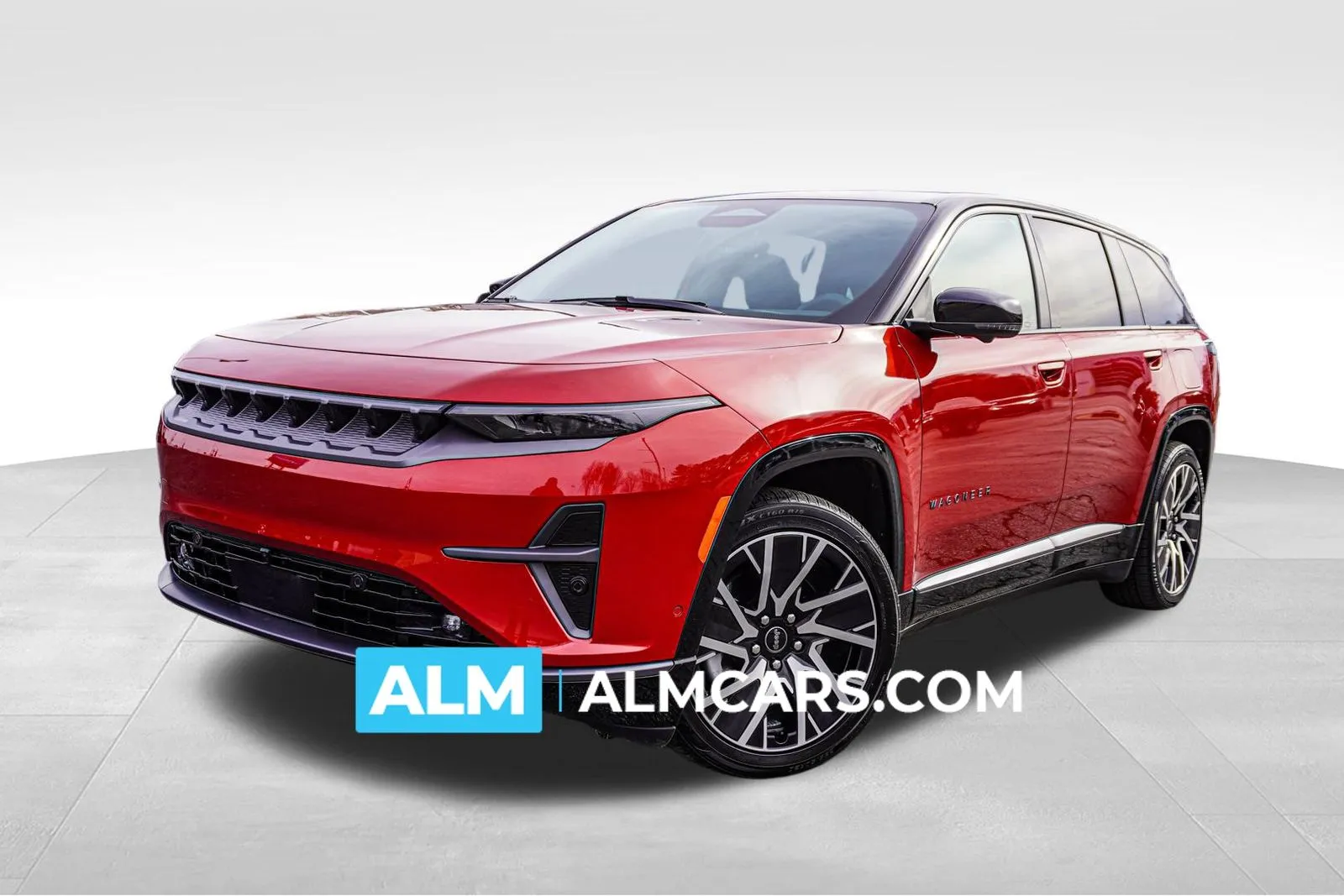
The Jeep Wagoneer is known for its combination of power, size, and comfort. If you’re thinking about buying one, or just curious, it’s important to know how much horsepower this SUV has.
Horsepower isn’t just a number—it affects how the Wagoneer drives, tows, and handles different road conditions. Let’s break down what gives the Wagoneer its power and what those numbers actually mean for drivers.
Jeep Wagoneer Engine Options
One thing that makes the Jeep Wagoneer stand out is the variety of engines you can choose. Each engine offers a different level of horsepower, so you can pick what fits your needs best.

Standard 5.7l V8 Engine
The base engine for most Wagoneer models is a 5.7-liter V8 with a mild-hybrid system called eTorque. This helps improve both power and efficiency.
- Horsepower: 392 hp
- Torque: 404 lb-ft
This engine gives the Wagoneer strong acceleration, even with a full cabin or when towing.
3.0l Hurricane Twin-turbo I6 Engine
For the 2023 and newer models, Jeep introduced the 3.0-liter Hurricane twin-turbo inline-six. It’s more modern and offers more power while being more efficient.
- Horsepower: 420 hp
- Torque: 468 lb-ft
This engine is available in higher trims, such as the Wagoneer Series II and III.
Wagoneer L And Grand Wagoneer Engines
Jeep also offers the Wagoneer L and Grand Wagoneer, which use a longer wheelbase and slightly different engines. The Grand Wagoneer uses a more powerful version of the Hurricane engine.
- Grand Wagoneer (Hurricane 510): 510 hp and 500 lb-ft of torque
This puts the Grand Wagoneer among the most powerful SUVs in its class.
How Horsepower Impacts Driving
You might wonder, what does horsepower actually do for a large SUV like the Wagoneer? Here’s how these numbers affect your experience:
- Faster Acceleration: Higher horsepower means the Wagoneer can go from 0 to 60 mph quicker, which helps when merging onto highways or passing other cars.
- Towing Power: More horsepower and torque allow you to tow heavier trailers, boats, or campers.
- Performance with Passengers: Even with a full load, a powerful engine helps the Wagoneer handle hills and rough roads smoothly.
Model Year Horsepower Comparison
As the Wagoneer lineup has evolved, engine options and horsepower have changed. Here’s a quick comparison:
| Model Year | Base Engine | Horsepower |
|---|---|---|
| 2022 | 5.7L V8 | 392 hp |
| 2023 | 3.0L Turbo I6 | 420 hp |
| 2023 Grand Wagoneer | 3.0L Turbo I6 (510) | 510 hp |
This shows how Jeep is moving towards more advanced engines that deliver higher horsepower.
Wagoneer Vs. Competitors
The Jeep Wagoneer is not the only large SUV on the market. Here’s how its horsepower stacks up against a few key rivals:
| Vehicle | Engine | Horsepower |
|---|---|---|
| Jeep Wagoneer | 3.0L Turbo I6 | 420 hp |
| Chevrolet Tahoe | 5.3L V8 | 355 hp |
| Ford Expedition | 3.5L Turbo V6 | 380 hp |
| GMC Yukon | 6.2L V8 | 420 hp |
You can see that the Wagoneer’s newer engines place it at the top of the segment for power.
Fuel Economy And Horsepower Balance
A common question is whether more horsepower means worse fuel economy. Modern engines like the Hurricane twin-turbo are designed to give you more power without using a lot more gas. The mild-hybrid eTorque system on the V8 helps with this, too.
Still, if you choose the most powerful engine and drive aggressively, you’ll probably use more fuel. For many families, the balance between power and efficiency is one reason to pick the inline-six engine over the older V8.
Two Insights Most People Miss
- Towing Isn’t Just About Horsepower: Many buyers look at horsepower first, but for towing, torque is just as important. The Wagoneer’s turbo engines give high torque at lower rpm, making towing smoother and easier.
- Engine Choice Affects More Than Speed: Picking a different engine can change how the Wagoneer rides, how quiet it is, and even what features you get. Some advanced safety and tech options are only available with certain engines or trims.

Practical Tips For Choosing Horsepower
- Know Your Needs: If you plan to tow often, choose the engine with higher torque and horsepower.
- Consider the Trim: Some engines are only available on higher trims, which come with more features but also higher prices.
- Think About the Future: If you expect to keep your Wagoneer for many years, a newer engine like the Hurricane might have better long-term value and reliability.
Real-world Example
Imagine a family that likes road trips and camping. They pick the Wagoneer with the Hurricane I6, giving them plenty of power to climb hills with a camper in tow.
At the same time, they enjoy quieter engine noise and better gas mileage than an older V8.
Comparing Trim Levels
Different Wagoneer trims come with their own engine options. Here’s a quick look:
| Trim Level | Engine | Horsepower |
|---|---|---|
| Wagoneer Series I | 5.7L V8 | 392 hp |
| Wagoneer Series II/III | 3.0L Turbo I6 | 420 hp |
| Grand Wagoneer | 3.0L Turbo I6 (510) | 510 hp |
Check the specific trim and engine details before you buy, because they affect both horsepower and features.
Final Thoughts
The Jeep Wagoneer offers impressive horsepower, whether you choose the classic V8 or the modern twin-turbo six. Horsepower numbers range from 392 to 510, depending on the engine and trim. Picking the right engine isn’t just about speed—it’s about finding the best mix of power, efficiency, and features for your lifestyle. Take time to match the Wagoneer’s capabilities with your real needs, and you’ll get the most out of this powerful SUV.
For more detailed specifications, you can visit the official Jeep Wagoneer page.
Frequently Asked Questions
How Much Horsepower Does The Base Jeep Wagoneer Have?
The base Jeep Wagoneer comes with a 5.7-liter V8 engine that produces 392 horsepower.
Which Wagoneer Model Has The Most Horsepower?
The Grand Wagoneer with the Hurricane 510 engine has the most horsepower at 510 hp.
Is The New Inline-six Engine More Powerful Than The V8?
Yes, the 3.0L Hurricane twin-turbo I6 produces 420 hp, which is more than the V8’s 392 hp.
Does More Horsepower Mean Better Towing?
Higher horsepower helps, but torque is also important for towing. The Wagoneer’s turbo engines offer both.
Does The Jeep Wagoneer’s Horsepower Affect Fuel Economy?
More horsepower can use more fuel, but modern engines like the Hurricane I6 are designed to balance power and efficiency.