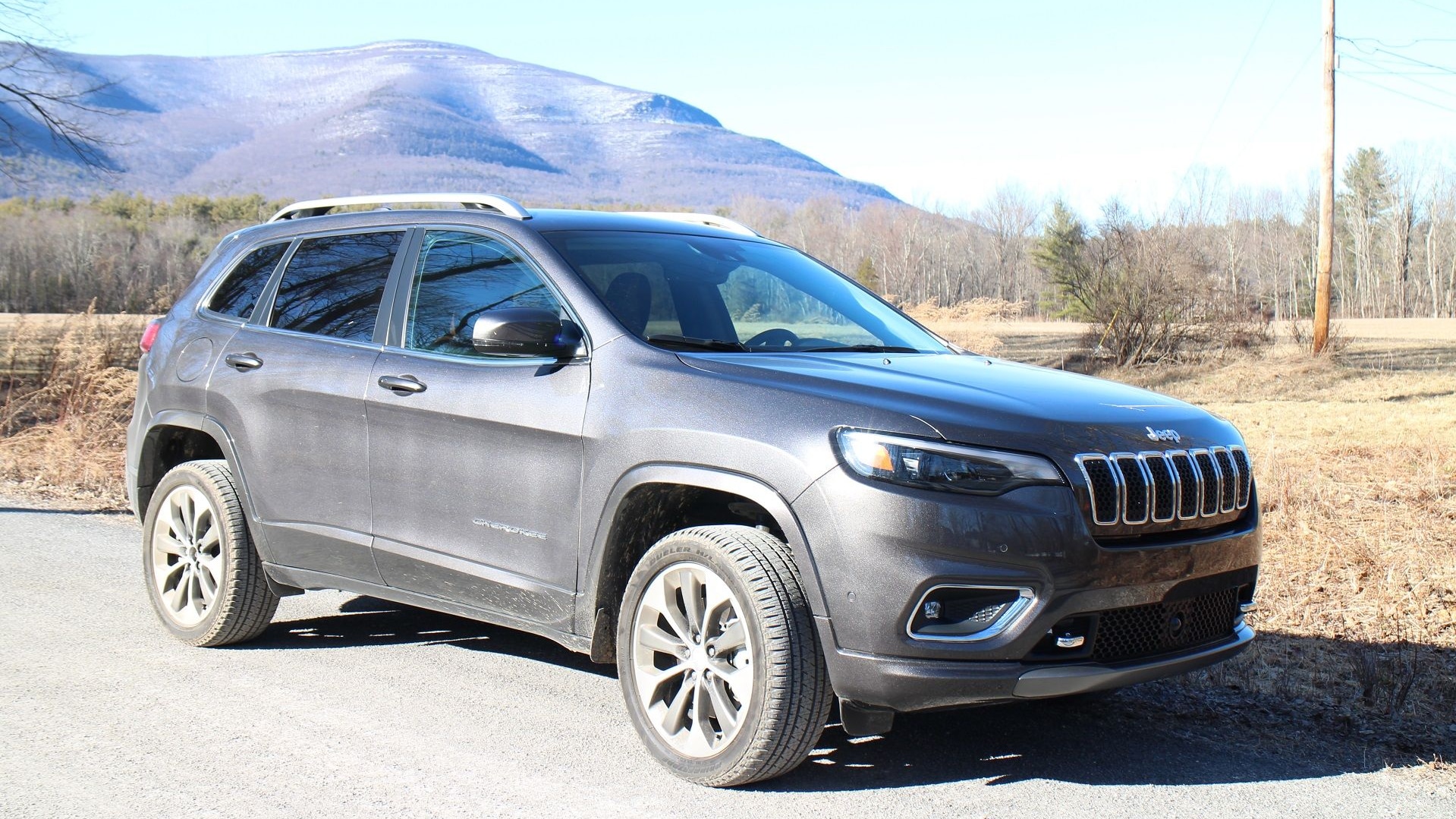
The Jeep Cherokee is a popular SUV known for its rugged style and comfort. If you own or plan to buy one, you probably wonder how much gas it takes.
Understanding the fuel tank size is important for planning road trips, budgeting fuel costs, and knowing when to fill up. But the answer isn’t as simple as one number—Jeep Cherokee models have changed over the years, and each version comes with different engine options and fuel tanks.
Let’s break down what you need to know so you never get caught off guard at the gas station.
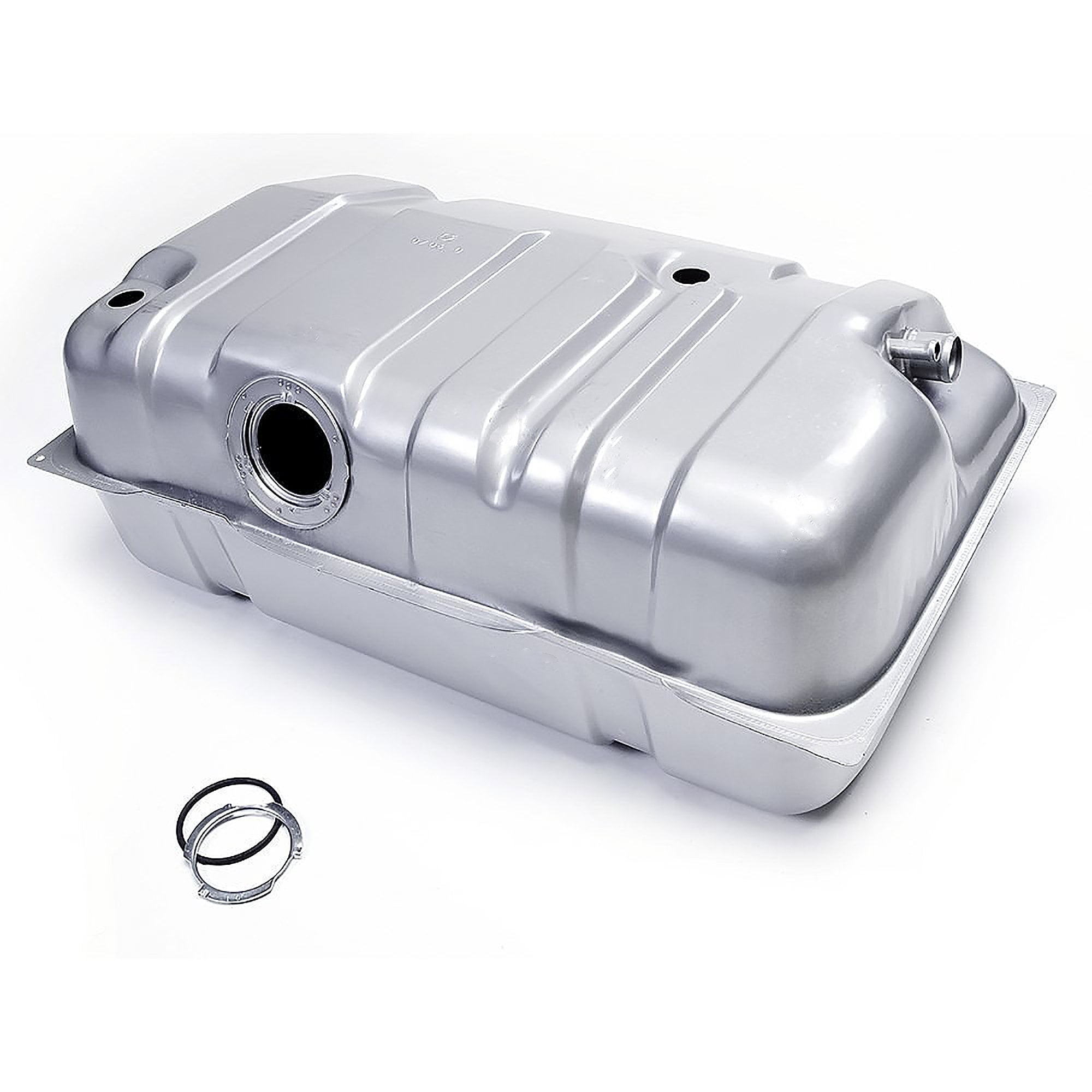
Jeep Cherokee Gas Tank Sizes By Model Year
The gas tank size for the Jeep Cherokee depends on the year and trim. Here’s a quick look at the most common tank capacities for recent models:
| Model Year | Typical Gas Tank Size (Gallons) |
|---|---|
| 2014–2023 | 15.8 |
| 2011–2013 | 20.5 |
| 2002–2010 | 20.5 |
| 1997–2001 | 20.0 |
| 1984–1996 | 13.5–20.2 |
Most modern Jeep Cherokees (2014 and later) have a 15.8-gallon gas tank. Older generations, especially those before 2013, often have larger tanks—up to 20.5 gallons. Some early models (before 1997) have different tank sizes, depending on the engine and trim level.
How Far Can A Full Tank Take You?
Knowing the tank size is useful, but what about real-world range? This depends on two factors: fuel tank capacity and fuel efficiency (miles per gallon, or MPG).
| Model Year | Estimated MPG (Combined) | Range per Full Tank (Miles) |
|---|---|---|
| 2023 | 24 | ~380 |
| 2019 | 25 | ~395 |
| 2015 | 24 | ~380 |
| 2010 | 18 | ~369 |
| 2005 | 17 | ~348 |
Most newer Cherokees will get you about 370–400 miles on a full tank with normal driving. However, real-world range changes if you do more city or highway driving, drive aggressively, or carry heavy loads.
Different Trims And Engines: Does It Change Tank Size?
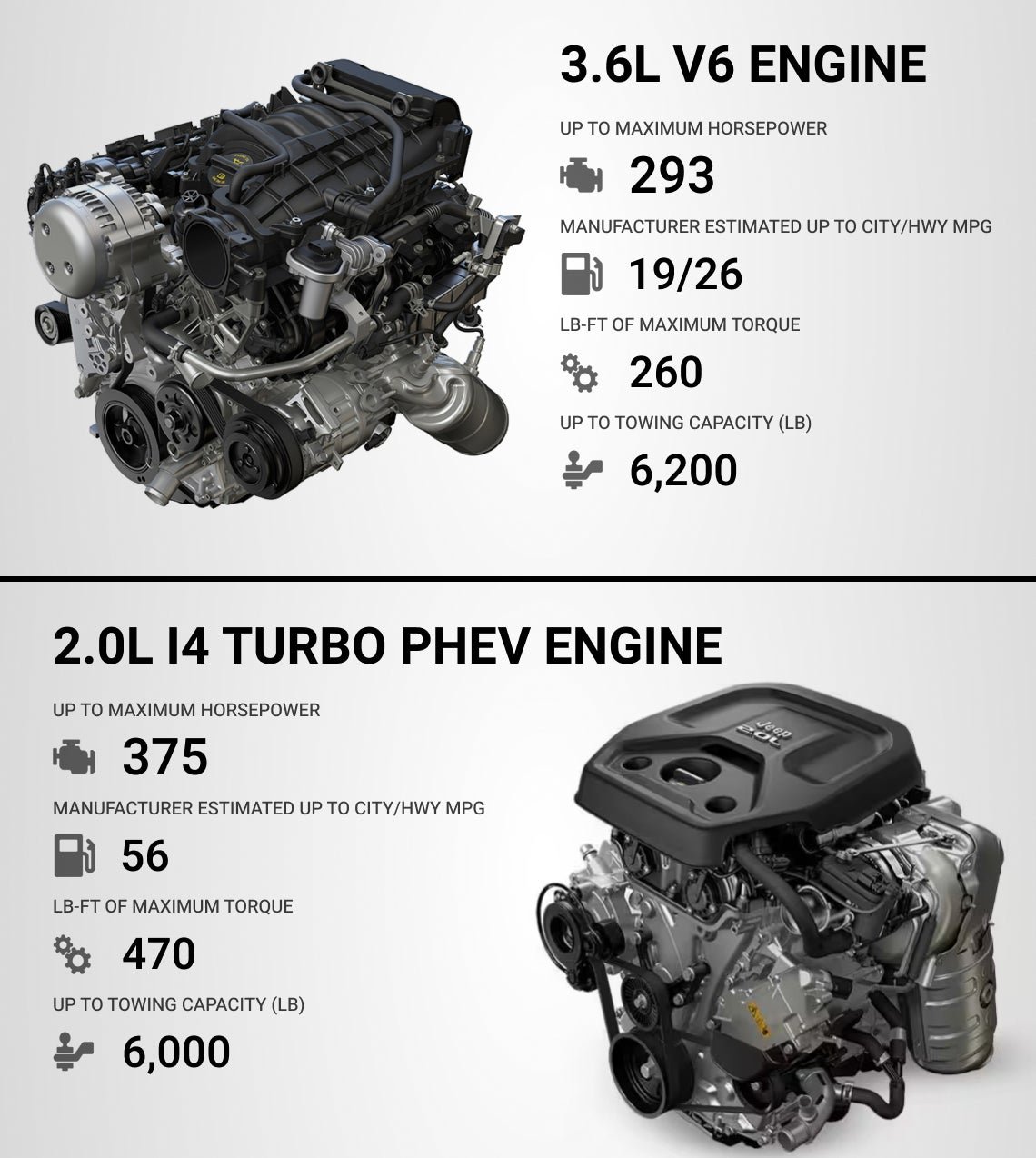
Yes, but not as much as you might think. For the 2014–2023 Jeep Cherokee, almost all trims (Latitude, Limited, Trailhawk, etc.) use the same 15.8-gallon tank, regardless of the engine (2.4L 4-cylinder or 3.2L V6). Some special editions or off-road packages can have slightly different tanks, but it’s rare.
Earlier generations (before 2014) sometimes offered both smaller and larger tanks as options. For example, the 1996 Jeep Cherokee could come with a 13.5-gallon or 20.2-gallon tank depending on the drivetrain.
Pro tip: Always check your vehicle’s owner’s manual or look at the sticker inside your gas door for your exact tank size.
Which Gas Should You Use In A Jeep Cherokee?
Most Jeep Cherokees are designed for regular unleaded gasoline (87 octane). Premium fuel is not required, even for the V6 engines. Using premium gas won’t improve performance or mileage for standard engines, so save your money.
If you drive a diesel Cherokee (rare in the US market), make sure to use diesel only. Putting the wrong fuel in your tank can damage your engine.
How To Find Your Gas Tank Size
If you’re not sure about your Cherokee’s tank size, here are some ways to find out:
- Owner’s manual: The fuel tank capacity is listed in the specifications section.
- Sticker inside gas door: Some models print tank size here.
- Online lookup: Enter your VIN (vehicle identification number) on the manufacturer’s website.
- Ask your dealer: They can look up factory specs for your VIN.
It’s important not to guess, especially if you’re planning a long trip where gas stations are far apart.
Real-world Tips For Fueling Your Jeep Cherokee
- Don’t overfill: When the pump clicks off, stop. Overfilling can damage the vapor recovery system.
- Watch for low fuel warnings: The dashboard warning usually appears with about 2–3 gallons left. That’s enough to go 40–60 miles, but don’t push your luck.
- Fuel in cold weather: Gas expands in heat. On hot days, you might squeeze in less fuel than the full tank size.
- Know your reserve: Some owners discover their tank takes a bit less or more than the listed size. Slight differences are normal.
One thing many beginners miss: all-wheel drive and towing can lower your MPG, reducing your range per tank. If you drive off-road or tow often, expect to fill up more frequently.
Another surprise for some owners: ethanol blends (like E85) will fit in the tank, but most Cherokees are not flex-fuel vehicles. Stick to regular unleaded unless your manual says otherwise.

Is The Jeep Cherokee Fuel Efficient?
Compared to larger SUVs, the Jeep Cherokee is reasonably efficient. However, it’s not as efficient as smaller crossovers or sedans. Here’s how it compares to similar vehicles:
| Vehicle | MPG (Combined) | Tank Size (Gallons) |
|---|---|---|
| Jeep Cherokee | 24 | 15.8 |
| Honda CR-V | 29 | 14.0 |
| Toyota RAV4 | 30 | 14.5 |
| Ford Escape | 28 | 14.8 |
So, the Cherokee has a slightly larger tank than some rivals, but its fuel efficiency is a bit lower.
Frequently Asked Questions