How Much Gas Does A Jeep Use
Owning a Jeep brings a sense of adventure. Whether you drive in the city or explore off-road trails, you might wonder how much gas a Jeep uses.
Fuel consumption is important for your budget and travel plans. But the answer isn’t simple.
Different Jeep models have unique engines, weights, and features that impact gas mileage. This guide breaks down what affects Jeep fuel usage, real-world averages, and how you can improve efficiency.
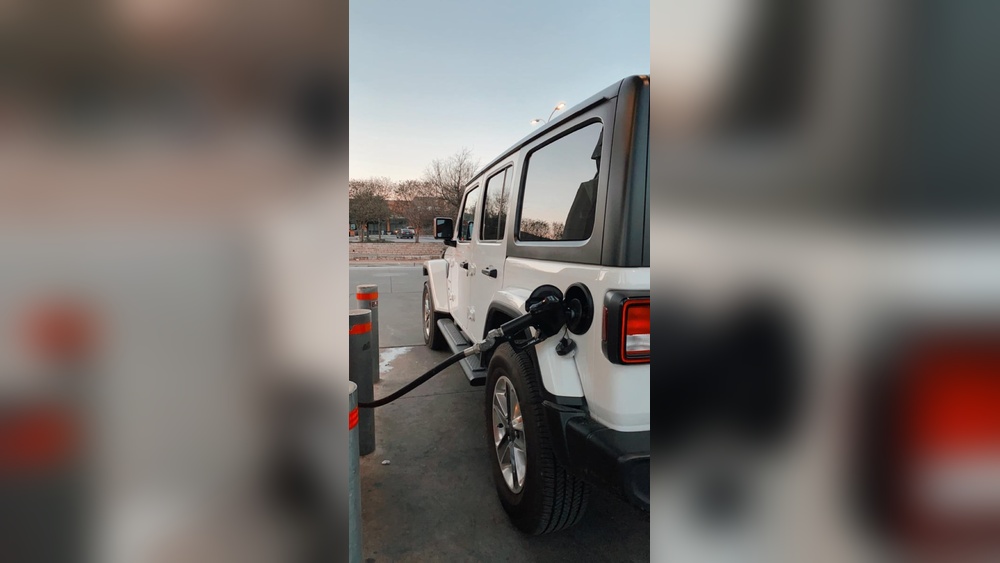
What Affects Jeep Fuel Consumption?
Many factors decide how much gas a Jeep uses. Let’s look at the biggest ones:
- Model and Engine Size: Larger Jeeps and powerful engines usually use more gas. For example, a Jeep Wrangler with a V6 engine needs more fuel than a smaller Jeep Renegade with a four-cylinder.
- Driving Conditions: Jeeps are built for off-roading, but rough terrain and slow speeds increase fuel use. City driving often means more stops and starts, which also lowers mileage compared to steady highway travel.
- Vehicle Weight and Tires: Bigger tires and extra gear (like winches or roof racks) add weight and increase rolling resistance, making the engine work harder.
- Driving Habits: Fast acceleration, heavy braking, and high speeds burn more gas. Gentle driving improves efficiency.
- Maintenance: Clean air filters, the right tire pressure, and regular oil changes help Jeeps use less gas. Neglecting maintenance can reduce fuel economy.
Many Jeep owners are surprised that modifying their vehicle—especially with larger tires or lifts—can lower MPG by 2-4 points. Also, using four-wheel drive when it’s not needed increases gas usage.
Gas Mileage For Popular Jeep Models
Jeep offers a range of models, each with different engines and fuel economy. Here’s a look at the most popular choices.
| Jeep Model | Engine | City MPG | Highway MPG | Combined MPG |
|---|---|---|---|---|
| Wrangler (V6) | 3.6L V6 | 17 | 23 | 19 |
| Wrangler (4-cyl Turbo) | 2.0L Turbo | 21 | 24 | 22 |
| Grand Cherokee | 3.6L V6 | 19 | 26 | 22 |
| Cherokee | 2.4L I4 | 22 | 31 | 25 |
| Renegade | 1.3L Turbo | 24 | 32 | 27 |
These numbers are based on EPA estimates for the latest models. Older Jeeps and modified vehicles can be 10-30% less efficient.
Real-world Gas Usage: What To Expect
While official ratings give you a starting point, real-world gas usage often differs. Let’s look at common scenarios:
- City Driving: Expect 2-4 MPG less than the official city rating, especially if you hit traffic often.
- Highway Driving: You may reach or slightly exceed the highway rating if you drive steadily at moderate speeds.
- Off-Road and Towing: Fuel economy can drop by 20-50%. Deep mud, sand, or towing a trailer puts extra strain on the engine.
Here’s an example for a Jeep Wrangler with a 22-gallon tank:
- If you average 19 MPG, one full tank covers about 418 miles (22 x 19).
- Off-road, if your average drops to 12 MPG, that’s only 264 miles per tank.
Jeep Vs. Other Suvs: A Quick Comparison
Many drivers compare Jeep fuel economy to other SUVs. Jeeps are often less efficient due to their boxy shape and off-road focus.
| Vehicle | Combined MPG | Notes |
|---|---|---|
| Jeep Wrangler (V6) | 19 | Off-road capable |
| Honda CR-V | 30 | Urban-focused |
| Subaru Outback | 28 | Some off-road ability |
| Ford Bronco | 20 | Similar off-road focus |
If you want maximum fuel efficiency, a lighter, car-based SUV may suit you better. But if you need true off-road power, Jeeps offer unique benefits.

Ways To Improve Jeep Gas Mileage
You can’t change your Jeep’s shape, but you can get more miles per gallon with smart habits:
- Drive Smoothly: Avoid hard starts and stops.
- Check Tire Pressure: Low tires increase fuel use by up to 3%.
- Limit Weight: Remove roof racks or gear when not needed.
- Use 2WD When Possible: Only engage 4WD for rough terrain.
- Maintain Your Jeep: Change oil, spark plugs, and filters on schedule.
- Choose Lighter Accessories: Steel bumpers and large tires look great, but add weight.
Many Jeep owners overlook the effect of roof racks and light bars. These can reduce highway MPG by up to 5% due to extra wind resistance.
How Much Does It Cost To Fill Up A Jeep?
Gas prices change, but you can estimate your Jeep’s fuel costs. Assume $3.50 per gallon for regular gas:
- Jeep Wrangler (22-gallon tank): 22 x $3.50 = $77 for a full tank
- Jeep Grand Cherokee (24.6-gallon tank): 24.6 x $3.50 = $86.10
- Jeep Renegade (12.7-gallon tank): 12.7 x $3.50 = $44.45
If you drive 1,000 miles a month at 19 MPG, you’ll use about 53 gallons (1,000 ÷ 19), costing around $185 per month.
Hybrid And Plug-in Jeep Options
Jeep now offers hybrid and plug-in models for better fuel economy. The Jeep Wrangler 4xe is a plug-in hybrid that can drive about 21 miles on electricity before using gas. Its combined rating is 49 MPGe (miles per gallon equivalent).
Hybrid Jeeps are a smart choice for daily commutes or short trips. But on long highway drives, they’ll still use regular gas once the battery is empty. Learn more about Jeep’s electric options on the official Jeep 4xe page.
Frequently Asked Questions
How Many Miles Per Gallon Does A Jeep Get?
Most Jeeps get 17 to 27 MPG depending on the model and engine. The Wrangler gets 17-22 MPG, while the Renegade can reach 27 MPG combined.
Do Bigger Tires Lower Gas Mileage?
Yes, larger tires add weight and rolling resistance. This usually reduces MPG by 2-4 points, especially on highways.
Is A Jeep Expensive To Fill Up?
It depends on your model and local gas prices. A Wrangler’s large tank can cost $70-$80 to fill, while smaller Jeeps cost less.
Can I Improve My Jeep’s Gas Mileage?
Yes. Smooth driving, proper tire pressure, and removing extra weight all help. Keeping your Jeep well maintained also makes a big difference.
Are Jeeps Less Fuel-efficient Than Other Suvs?
In general, yes. Jeeps focus on off-road ability and strong frames. This means they are not as fuel-efficient as many car-based SUVs designed for city use.
Owning a Jeep means balancing adventure with fuel costs. By understanding your model’s needs and making smart choices, you can enjoy every drive without surprises at the pump.