Owning a Jeep Cherokee means you get flexibility for daily driving and adventures. But if you’re planning a road trip, or just want to avoid frequent stops at the gas station, it’s smart to know exactly how much gas your Jeep Cherokee holds.
This detail affects how far you can travel, your refueling schedule, and even your budget for fuel. Let’s dive deep into the gas tank capacity for different Jeep Cherokee models, compare them, and give you practical advice to get the most from each gallon.
Jeep Cherokee Gas Tank Capacity: The Basics
The gas tank capacity of a Jeep Cherokee depends on the year, trim, and engine type. Most modern Jeep Cherokees hold between 15.8 and 15.9 gallons of fuel. Older models may have slightly different capacities, but the difference is usually minor.

For example, the 2026 Jeep Cherokee comes with a 15.8-gallon tank. The 2014-2026 models usually have a 15.9-gallon tank. This size is standard for midsize SUVs. It’s enough for city commuting and long drives without feeling limited.
If you drive a Jeep Cherokee, you can usually expect:
- 15.8–15.9 gallons for most models from 2014 onward
- 13.2–15.9 gallons for older models (pre-2014)
Non-obvious insight: Even within the same model year, different trims (like Latitude vs. Trailhawk) may have tiny variations in tank size. Always check your owner’s manual for the exact number.
Comparing Jeep Cherokee Models By Gas Tank Size
To see how the gas tank capacity changes across model years and trims, here’s a clear comparison:
| Model Year | Trim | Gas Tank Capacity (gallons) |
|---|---|---|
| 2026 | All Trims | 15.8 |
| 2026 | All Trims | 15.9 |
| 2026 | All Trims | 15.9 |
| 2018 | Latitude | 15.8 |
| 2018 | Trailhawk | 15.9 |
| 2010 | Sport | 13.2 |
Most Jeep Cherokee drivers will have a 15.8–15.9 gallon tank. If your Cherokee is older or you have a specialty trim, double-check the numbers.
How Far Can You Go On A Full Tank?
Knowing the gas tank size is good, but how far can you really drive before needing to refuel? Let’s break it down.
The Jeep Cherokee’s average fuel economy is about 22–26 miles per gallon (mpg), depending on the engine, driving conditions, and year.
- City driving: 19–23 mpg
- Highway driving: 25–31 mpg
To estimate range:
- 15.9 gallons x 22 mpg (city) = 349 miles
- 15.9 gallons x 28 mpg (highway) = 445 miles
So, on a full tank, you can expect to travel 350–445 miles, depending on your driving style and conditions.
Here’s a quick comparison:
| Driving Style | MPG | Estimated Range (miles) |
|---|---|---|
| City | 22 | 350 |
| Highway | 28 | 445 |
| Mixed | 25 | 397 |
Experience-based tip: It’s rare to use every drop of gas in your tank. Most drivers refuel when the gauge hits a quarter tank to avoid running out, especially on long trips.
Factors That Affect Your Jeep Cherokee’s Fuel Range
You might notice that your Cherokee sometimes doesn’t reach the maximum range. Here’s why:
- Driving habits: Fast acceleration and heavy braking use more gas.
- Tire pressure: Low tire pressure can cut your fuel efficiency by up to 5%.
- Cargo weight: Extra gear or passengers increase fuel usage.
- Weather: Cold weather and strong winds reduce mpg.
- Engine size: Larger engines (like V6) use more gas than smaller ones.
Non-obvious insight: Using roof racks or towing can lower your range by 10–15%. Removing unused racks and limiting towing can help you go farther on each tank.
How To Find Your Exact Gas Tank Capacity
If you want to be 100% sure about your specific Cherokee’s tank size, you can:
- Check the owner’s manual: Always accurate for your VIN and trim.
- Look at the fuel door sticker: Some models show capacity here.
- Search online: Official Jeep sites and trusted car databases.
For official specs, visit Jeep’s official Cherokee page. They list tank size for every trim and year.
Gas Tank Size Vs. Other Suvs
How does the Jeep Cherokee compare to other midsize SUVs? Here’s a helpful table:
| SUV | Gas Tank Capacity (gallons) |
|---|---|
| Jeep Cherokee | 15.8–15.9 |
| Toyota RAV4 | 14.5 |
| Honda CR-V | 14.0 |
| Ford Escape | 15.7 |
| Chevrolet Equinox | 15.6 |
The Jeep Cherokee has a slightly bigger tank than most competitors. This means you may get a bit more range between fill-ups.
Practical Tips To Maximize Your Gas Tank
If you want to stretch each gallon, try these steps:
- Keep your tires properly inflated. Check pressure monthly.
- Drive smoothly. Avoid sudden starts and stops.
- Limit unnecessary weight. Remove heavy cargo when not needed.
- Don’t idle too long. Idling wastes gas.
- Use cruise control. On highways, this keeps your speed steady.
- Maintain your Cherokee. Regular oil changes and air filter replacements improve mpg.
Straight-to-the-point advice: Small changes in your routine can add 30–50 miles to each tank. That’s more than a whole day’s commute for many drivers.
Common Mistakes When Estimating Gas Tank Size
Many people make errors when guessing their Cherokee’s tank size:
- Assuming all Cherokees are the same: Different years and trims can vary.
- Ignoring vehicle age: Older tanks may lose capacity due to rust or damage.
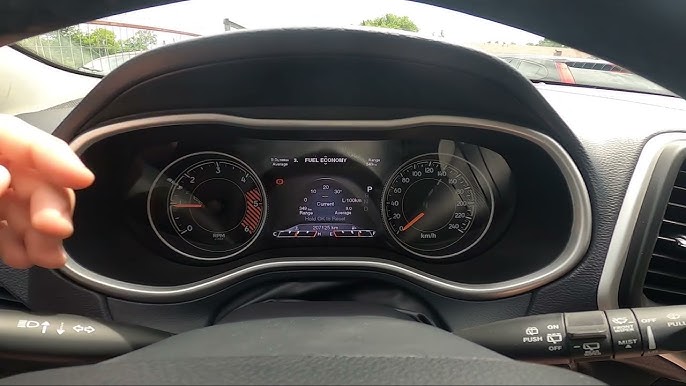
- Relying on dashboard estimates: The “distance to empty” reading is only an estimate; it can change based on driving habits.
If you switch between city and highway driving, your actual range may be much lower than the dashboard predicts.

Does Gas Tank Size Affect Your Daily Life?
For most drivers, a difference of 1 gallon in tank size won’t change daily routines. But if you:
- Drive long distances often
- Live far from gas stations
- Like to go camping or off-roading
A bigger tank means fewer stops and less stress. You can plan longer routes and spend more time enjoying the drive.
Calm expert reminder: Always plan ahead for remote trips. Don’t rely on the “distance to empty” display alone, especially in rough terrain or bad weather.
Can You Upgrade Or Replace The Gas Tank?
Some Jeep owners wonder if they can get a bigger tank. In most cases, upgrading the gas tank isn’t practical:
- Cost: Bigger tanks are expensive to buy and install.
- Space: The Cherokee’s design limits how much extra fuel you can carry.
- Safety: Aftermarket tanks may not be crash-tested for your model.
Instead, consider carrying a certified gas can for emergencies if you drive far from services.
How To Check Your Gas Tank For Problems
If you notice your Cherokee isn’t holding as much gas as it should, check for:
- Leaks: Wet spots under your car after parking
- Faulty fuel gauge: Sudden changes in reading
- Rust or corrosion: Especially in older models
If you see these signs, get your Cherokee checked by a mechanic. A leaky or damaged tank is dangerous and can cost you extra at the pump.
Frequently Asked Questions
How Many Gallons Does A 2026 Jeep Cherokee Hold?
The 2026 Jeep Cherokee holds 15.8 gallons of gas in its tank. This is standard across all trims for this year.
Is The Gas Tank Size Different For Trailhawk Or Latitude Trims?
Usually, the difference is minor. For most years, Trailhawk and Latitude both have tanks between 15.8 and 15.9 gallons. Always check your manual to be sure.
How Far Can I Drive On One Full Tank?
With a full tank (15.9 gallons) and average driving, you can expect 350–445 miles. Your range depends on city vs. highway driving and your habits.
Can I Install A Bigger Gas Tank In My Jeep Cherokee?
Technically, it’s possible but not recommended. Upgrading is expensive, can reduce safety, and may void your warranty.
Carrying a certified gas can is safer for emergencies.
How Do I Know My Exact Gas Tank Size?
The best way is to check your owner’s manual. You can also look at the sticker inside your fuel door or check the official Jeep website for your year and trim.
Jeep Cherokee owners enjoy a balance of size, range, and comfort. Knowing your gas tank capacity helps you plan better trips and avoid surprises.
Whether you drive daily or head for adventure, a little knowledge goes a long way.


















