Few vehicles from the past are as iconic as the WW2 Jeep. Its simple design, rugged reliability, and role in history make it a dream for collectors and military enthusiasts.
But if you’re thinking about owning one, the first question is usually: How much does a WW2 Jeep cost? The answer is not as simple as a single price tag.
It depends on many factors, from authenticity and condition to modifications and where you’re buying. Let’s break down what you need to know before spending your money.
What Makes A Jeep A “ww2 Jeep”?
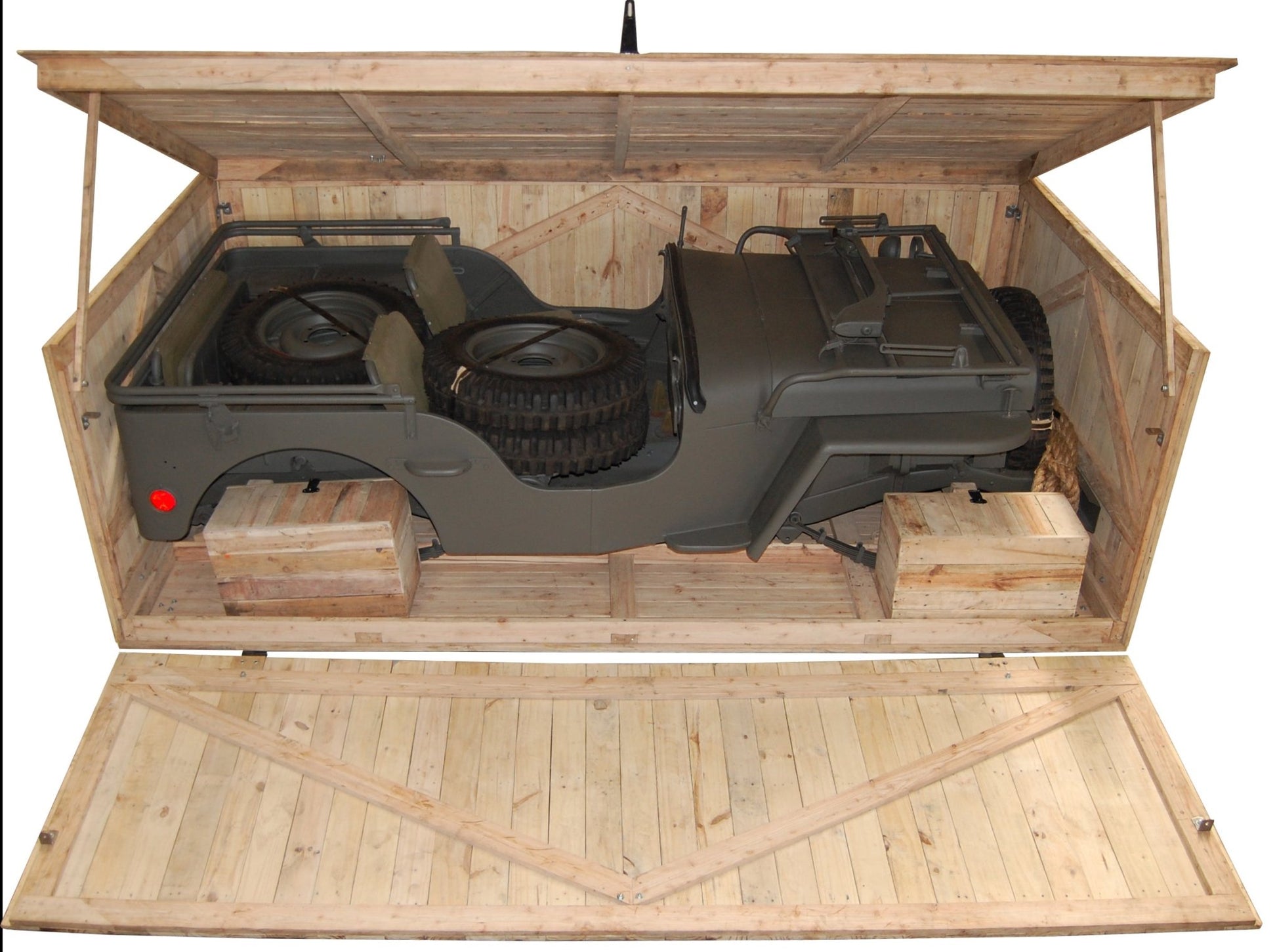
Not every old Jeep is a real WW2 Jeep. The true World War II models are the Willys MB and the Ford GPW, built between 1941 and 1945. Around 650,000 were made for the war effort. Today, they’re prized for their original military features, like flat grilles, shovel mounts, and unique serial numbers.
Some Jeeps look similar but were made after the war (like the CJ series). These can be cheaper but don’t carry the same value for collectors. Always check the serial numbers and details to confirm if a Jeep is a real WW2 model.
Current Prices For Ww2 Jeeps
The cost of a WW2 Jeep can vary a lot. Here’s a summary of typical price ranges as of 2024:
| Condition | Price Range (USD) | Common Features |
|---|---|---|
| Project/Non-Running | $8,000 – $15,000 | Needs restoration, missing parts |
| Partially Restored | $15,000 – $25,000 | Some updates, not fully original |
| Fully Restored/Original | $25,000 – $40,000+ | Show quality, matching numbers |
A few rare examples with full documentation and original parts can go higher, sometimes over $50,000 at auctions.
Key Factors Affecting The Price
Several details make a big difference in price. Here are the most important:
1. Authenticity
A real WW2 Jeep with matching serial numbers is always worth more. Watch out for “restomods” or replicas, which are cheaper.
2. Condition
A running Jeep in good shape costs much more than one needing repairs. Rust, missing parts, or modern upgrades can lower value.
3. Restoration Quality
Professional restorations using original parts are highly valued. DIY or poorly restored Jeeps usually sell for less.
4. Documentation
Jeeps with clear history, manuals, and photos from the war are prized by collectors.
5. Location
Prices are generally higher in the US and Europe, where demand is strong. Shipping and import fees can also add to the cost.
Ww2 Jeep Vs. Postwar Jeep Price Comparison
Here’s a quick look at how WW2 Jeeps compare to similar postwar models:
| Model | Typical Price Range (USD) | Collector Value |
|---|---|---|
| WW2 Willys MB / Ford GPW | $15,000 – $40,000+ | Very High |
| Postwar CJ2A/CJ3A | $8,000 – $18,000 | Moderate |
Many people buy postwar Jeeps for fun or off-roading, but only the original MB/GPW models have true WW2 history.
Where To Buy A Ww2 Jeep
You can find WW2 Jeeps for sale in several places:
- Online auctions (like eBay Motors)
- Classic car dealers
- Specialty military vehicle shows
- Restoration shops
It’s smart to see the Jeep in person or get a trusted expert to check it before buying. Photos online can hide rust or faked parts.
Example Listing
A 1943 Ford GPW, fully restored with matching numbers, recently sold for $34,500 at a US auction. It had all original military features, canvas top, and came with a binder of history documents.

Owning And Maintaining A Ww2 Jeep
Buying a WW2 Jeep is just the start. Maintenance can be more expensive than for modern vehicles.
Parts are available, but original ones can be costly. Regular care is needed, especially if you plan to drive it.
| Annual Maintenance | Estimated Cost (USD) |
|---|---|
| Basic Service (oil, fluids, tune-up) | $300 – $600 |
| Replacement Parts | $100 – $2,000 (varies) |
| Storage/Insurance | $500 – $1,200 |
A non-obvious cost: insurance for classic military vehicles is different than regular car insurance. Some companies require appraisals or limit yearly mileage.
Two Important Insights For Beginners
Many newcomers think a WW2 Jeep is just an old truck, but restoring one is like preserving a piece of history. Here are two tips:
- Check for reproduction parts. Some Jeeps look original but have many modern replacement parts. This lowers value for serious collectors.
- Understand wartime vs. postwar mods. Many Jeeps were changed after the war for civilian use. Even small changes, like new paint or seats, can affect authenticity and price.

Frequently Asked Questions
How Can I Tell If A Jeep Is A Real Ww2 Model?
Look for serial numbers on the frame and data plates. Real WW2 Jeeps have special features like a flat front grille, shovel and axe mounts, and no tailgate. Ask for documentation if possible.
Are Ww2 Jeeps Street Legal?
Yes, in most places, as long as they have lights, signals, and proper registration. Some states have rules for classic or antique vehicles, so check local laws.
Can I Drive A Ww2 Jeep Daily?
It’s possible, but not practical. WW2 Jeeps are slow (top speed around 45 mph), noisy, and less comfortable than modern cars.
Most owners use them for shows, parades, or short drives.
Where Can I Find Ww2 Jeep Parts?
Many classic Jeep parts are sold online or through specialty dealers. Some rare parts can be expensive or hard to find. A good source for info is the Willys MB Wikipedia page.
Is A Ww2 Jeep A Good Investment?
Values have stayed strong, and rare, original Jeeps often appreciate over time. However, restoration costs and market changes mean returns are not guaranteed.
Buy one because you love it, not just for profit.
A real WW2 Jeep is more than a vehicle it’s a piece of history you can drive. With careful research and a clear budget, you can find the right one and enjoy its legacy for years to come.