If you own a Jeep JKU or are thinking of buying one, you might wonder how much its hardtop weighs. This detail matters if you plan to remove the hardtop, transport it, or upgrade your vehicle.
The weight affects how easy it is to handle, how it impacts fuel efficiency, and even how your Jeep feels while driving.
Many Jeep owners overlook the hardtop weight until they try to lift it or store it, so knowing exact numbers and practical tips can save you trouble. Here’s what you need to know about the weight of a Jeep JKU hardtop, plus some helpful comparisons and advice.

What Is A Jeep Jku Hardtop?
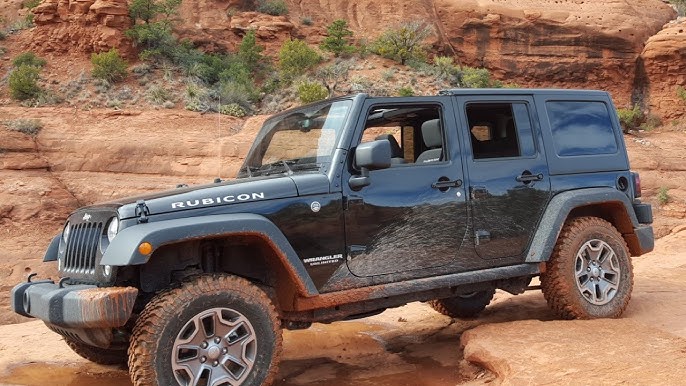
The Jeep JKU refers to the four-door Wrangler Unlimited model produced from 2007 to 2018. The hardtop is a removable roof made from molded fiberglass or composite materials. It’s designed for durability and weather protection. Unlike soft tops, hardtops are heavier, more secure, and quieter inside.
Most JKU hardtops come in three main panels: two small front panels (also called “freedom panels”) and a larger rear section. The panels can be taken off separately or together, giving you flexibility for different weather or off-road trips.
Actual Weight Of A Jeep Jku Hardtop
The weight of a standard Jeep JKU hardtop is about 140 to 150 pounds (63 to 68 kg). This includes the full three-piece setup—freedom panels plus the main rear section.
- Freedom panels: Each weighs roughly 12-15 pounds (5.5-7 kg).
- Rear section: Weighs about 110-120 pounds (50-54 kg).
These numbers can change a bit depending on the year and features. For example, some hardtops have thicker insulation or tinted glass, which adds extra pounds.
Here’s a quick comparison:
| JKU Hardtop Part | Approximate Weight (lbs) | Approximate Weight (kg) |
|---|---|---|
| Freedom Panel (each) | 12-15 | 5.5-7 |
| Main Rear Section | 110-120 | 50-54 |
| Total Hardtop | 140-150 | 63-68 |
Why Hardtop Weight Matters
The hardtop’s weight affects many things:
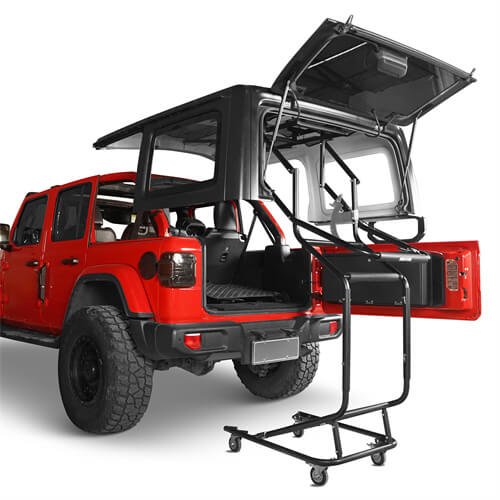
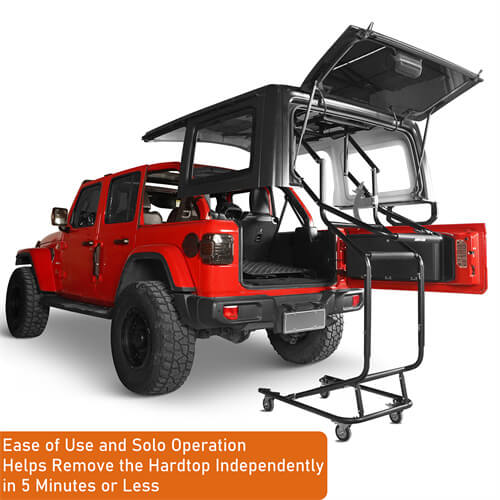
- Ease of removal: Lifting a 120-pound rear section is not easy for one person. Most owners need help or special tools.
- Storage: Heavy hardtops require sturdy racks or dedicated storage space.
- Driving performance: More weight means slightly lower fuel economy and a higher center of gravity.
- Customization: Upgrading to lighter aftermarket tops can improve handling.
Many people forget that the hardtop’s bulk can make it tricky to remove or reinstall, especially in tight spaces or windy weather. It’s not just about strength balance and safety matter too.
Comparing Jeep Jku Hardtop To Other Jeep Roofs
It helps to see how the JKU hardtop stacks up against other Jeep roofs:
| Jeep Model | Roof Type | Approximate Weight (lbs) |
|---|---|---|
| JKU (4-door) | Hardtop | 140-150 |
| JK (2-door) | Hardtop | 85-100 |
| JKU | Soft Top | 40-50 |
| JL (newer 4-door) | Hardtop | 150-170 |
As you can see, the JKU hardtop is heavier than the two-door JK, and much heavier than soft tops. Newer JL hardtops are a bit heavier due to more features.
Removing And Handling Your Jku Hardtop
Taking off the hardtop isn’t just about lifting. Here are practical steps and tips:
- Gather tools: You need a Torx screwdriver (usually T40), a friend to help, and a safe place to set the panels.
- Remove freedom panels first: Undo latches and bolts, then lift off the panels.
- Unscrew main rear section: Remove bolts along the inside. Disconnect wiring (for defrost and wipers) if present.
- Lift carefully: With a helper, lift the rear section straight up and back.
- Store safely: Place the hardtop on a padded surface or use a wall-mounted hoist.
Common mistakes: Trying to remove the rear section alone, forgetting to disconnect wires, or storing the hardtop on rough surfaces can cause damage.
Many owners use hoists or lift systems in their garage. These devices make removal safe and easy, especially if you switch tops often.
Aftermarket Hardtops And Weight Differences
Some companies offer aftermarket hardtops for the Jeep JKU. These can be lighter or heavier depending on materials.
- Fiberglass tops are usually close in weight to factory models.
- Aluminum or composite tops may be 10-20 pounds lighter.
- Insulated or armored tops are heavier.
Here’s a quick comparison of stock vs aftermarket:
| Hardtop Type | Weight (lbs) | Material |
|---|---|---|
| Factory JKU | 140-150 | Fiberglass |
| Aftermarket Light | 120-135 | Composite |
| Aftermarket Heavy | 160-180 | Insulated/Armored |
Before buying an aftermarket top, check the weight and consider how it will affect your Jeep’s handling and storage.
Extra Insights Most Owners Miss
Two things many beginners don’t realize:
- Weight distribution matters. If you often remove only the freedom panels, you keep most weight (and protection) in place. But removing the rear section shifts balance, especially if you carry cargo.
- Impact on accessories. Roof racks, lights, and cargo boxes all add extra pounds. Know your Jeep’s roof load limit, usually around 150 pounds for the JKU hardtop.
If you plan to add gear on top, factor both the hardtop’s weight and the accessories’ weight to avoid overloading.


















