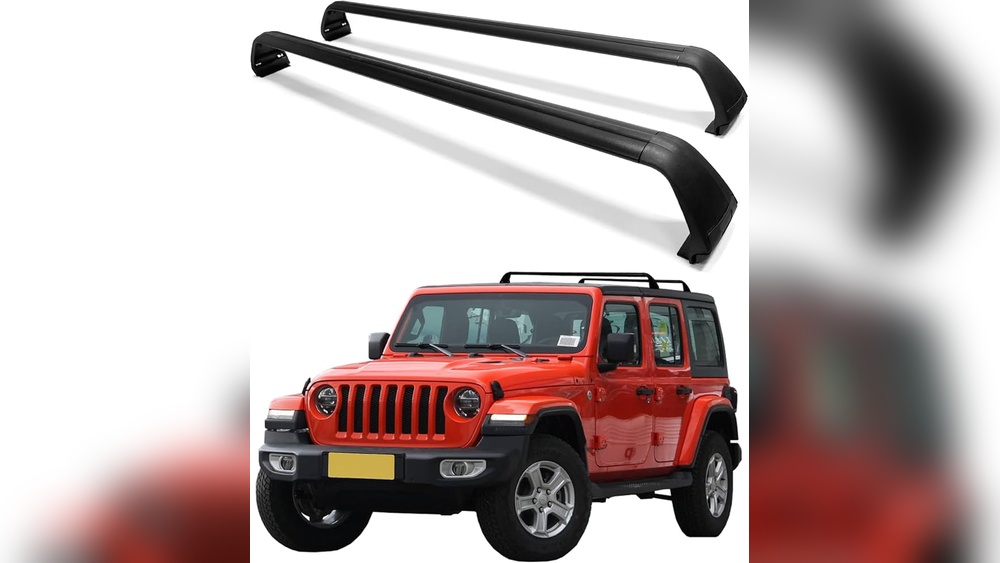
Owning a Jeep Gladiator means you get both the off-road power of a Wrangler and the utility of a pickup. One detail that surprises many owners is how much the hardtop weighs.
If you’re planning to remove your Gladiator’s hardtop for open-air driving or need to know if you can handle the job solo, understanding the exact weight is important.
This article breaks down everything you need to know about the Jeep Gladiator hardtop’s weight, why it matters, and how it compares to other options. You’ll also find real-life tips, key safety considerations, and answers to common questions.
Why Hardtop Weight Matters For Jeep Gladiator Owners
Most people focus on engine specs or towing power, but the hardtop weight impacts your day-to-day experience in ways you might not expect. A heavy hardtop affects:
- Ease of removal: Can you lift it alone? Do you need help or special tools?
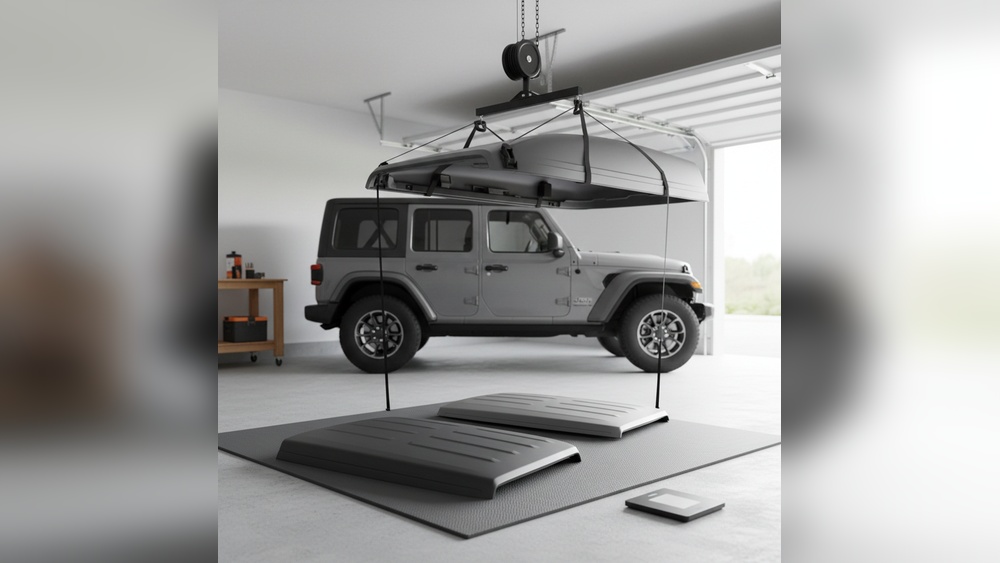
- Storage and handling: Will it fit in your garage or require a lift system?
- Vehicle performance: Extra weight raises the vehicle’s center of gravity and may affect handling slightly.
- Customization: If you want to swap tops often, knowing the weight helps you plan.
Ignoring these points can lead to scratched paint, injuries, or even damage to your top if you try to move it without enough support.
Jeep Gladiator Hardtop Options
The Jeep Gladiator comes with two main types of hardtops:
- 3-piece Freedom Top (Modular Hardtop)
- Single-piece Mopar Hardtop (Less common, aftermarket)
Each has its own weight and handling considerations. The modular design is more popular because you can remove just the front panels for a partial open-air experience.
3-piece Freedom Top
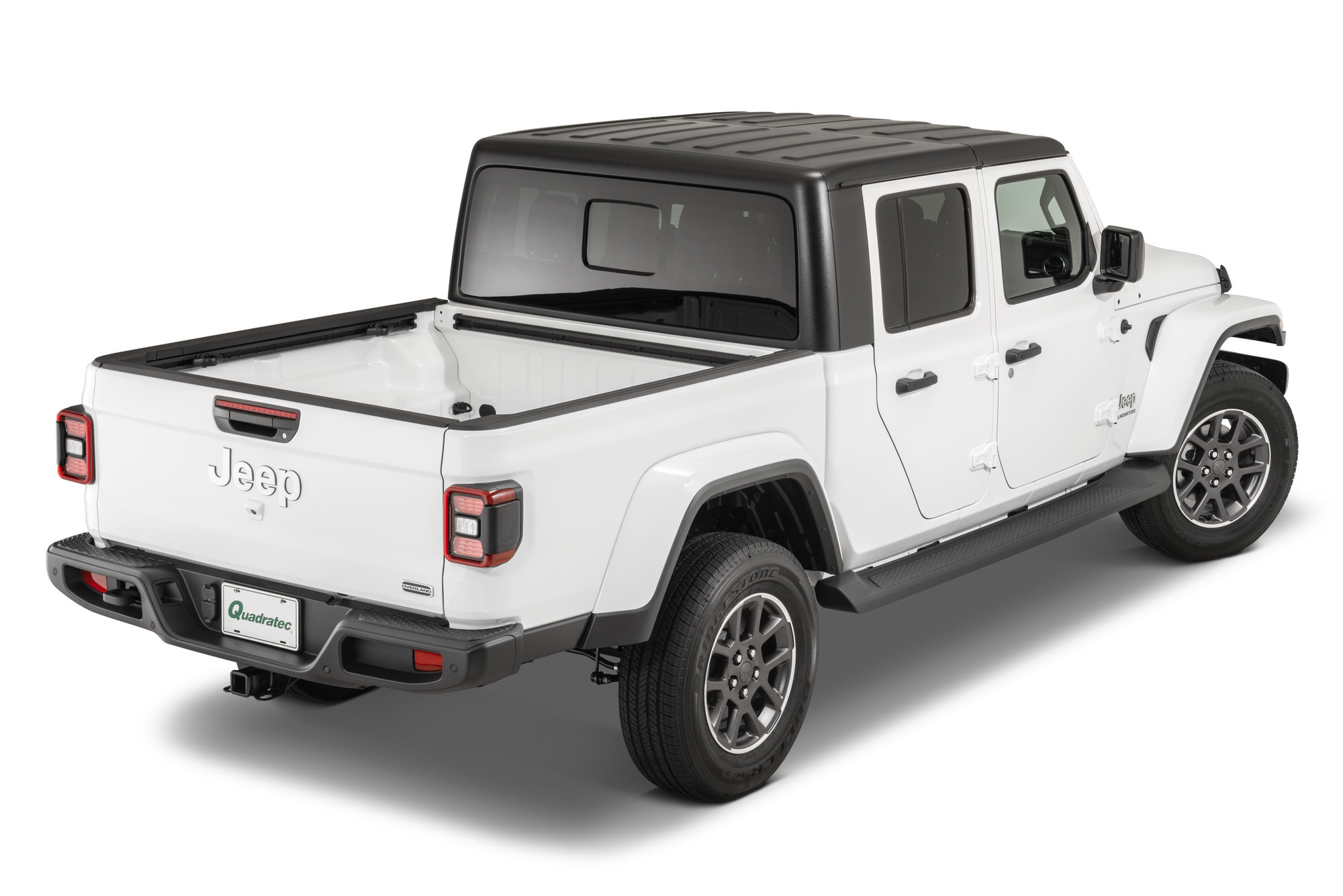
This is the factory hardtop for most Gladiators. It has two lightweight front panels (left and right) and a larger rear section.
Single-piece Hardtop
Some aftermarket suppliers offer a one-piece hardtop. These are rare but can be found in custom builds.
How Much Does A Jeep Gladiator Hardtop Weigh?
The standard 3-piece Freedom Top hardtop for the Jeep Gladiator weighs about 140–150 pounds in total. This weight is split across the three pieces:
- Front left panel: ~12 pounds
- Front right panel: ~12 pounds
- Rear shell (main section): 115–125 pounds
The exact weight can vary a bit depending on the model year and if you have extra features like a headliner for insulation.
Here’s a quick data comparison:
| Component | Approximate Weight (lbs) | Notes |
|---|---|---|
| Front Left Panel | 12 | Easy for one person |
| Front Right Panel | 12 | Easy for one person |
| Rear Section | 116–126 | Two people recommended |
| Total (All Three) | 140–150 | Full hardtop |
A one-piece aftermarket hardtop can weigh up to 170 pounds. Some lightweight options exist, but these are less common and usually cost more.
How Does Gladiator Hardtop Weight Compare To Other Jeep Models?
It’s helpful to compare the Gladiator’s hardtop weight with other popular Jeep models. Here’s a simple comparison:
| Model | Hardtop Type | Total Weight (lbs) |
|---|---|---|
| Jeep Gladiator | 3-piece Freedom Top | 140–150 |
| Jeep Wrangler 2-door | 3-piece Freedom Top | 100–110 |
| Jeep Wrangler 4-door | 3-piece Freedom Top | 140–150 |
| Jeep Grand Cherokee | Fixed Hardtop | Not removable |
The Gladiator’s hardtop is almost the same weight as the Wrangler Unlimited (4-door). This is because both use a similar modular design and materials.
Can One Person Remove The Gladiator Hardtop?
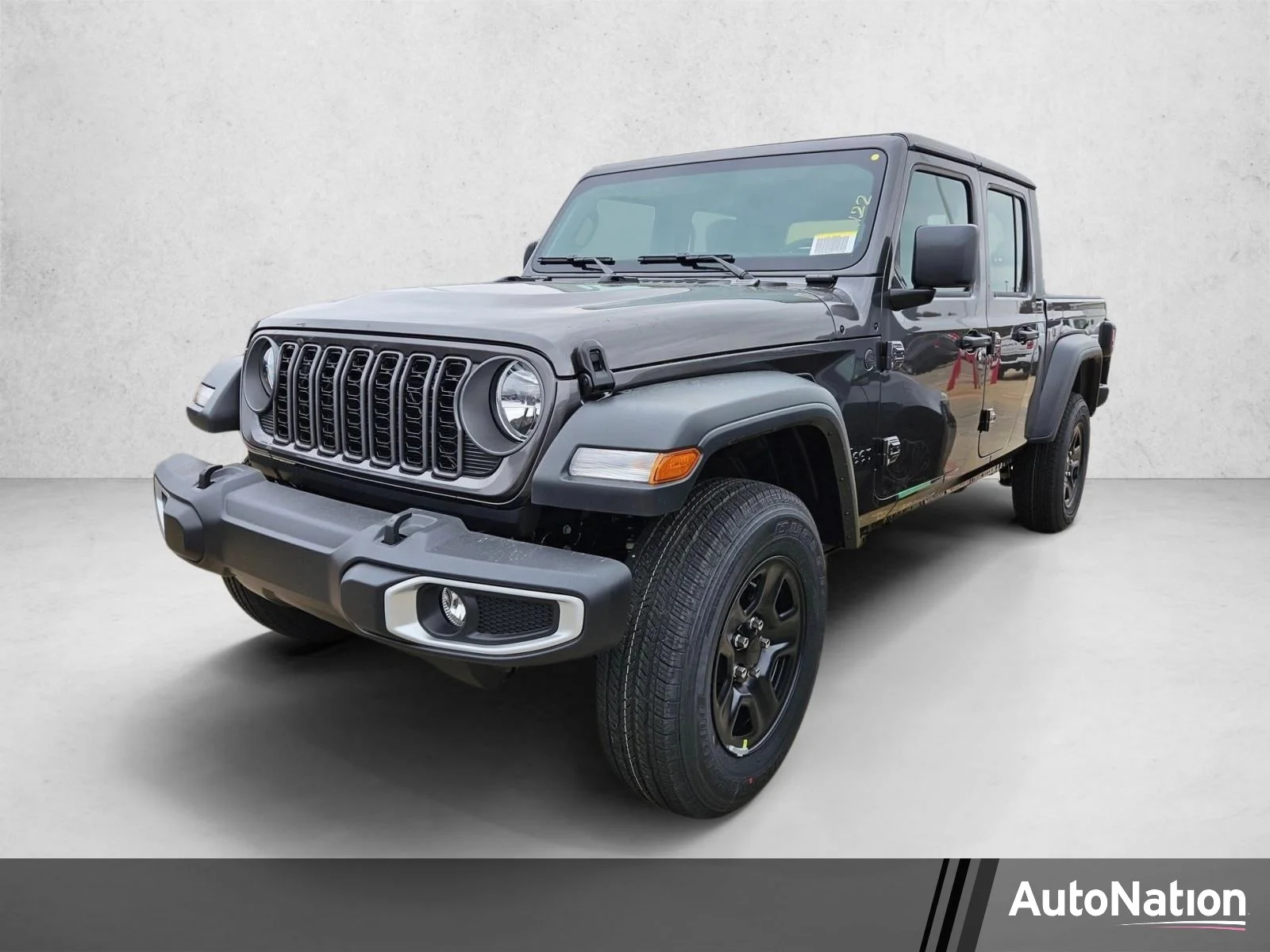
Lifting the front panels is simple for one person. Each panel weighs only about 12 pounds, so you can pop them off easily. The challenge is the rear section, which weighs over 115 pounds and is bulky.
Here are key points to consider:
- Size, not just weight: The rear section is wide and awkward. Even if you’re strong, its shape makes it hard to manage alone.
- Risk of damage: Trying to remove the rear piece solo can result in scratches, dropped panels, or injuries.
- Best practice: Always ask a friend for help or use a hoist/lift system.
Some owners use a garage pulley system to lift the rear hardtop off safely. These kits are available online and can make removal a one-person job.
However, installing a hoist takes time and space.
Tools And Tips For Safe Hardtop Removal
If you want to take off your Gladiator’s hardtop, you’ll need a few tools and some patience. Here’s what you should prepare:
- Torx T50 screwdriver: Jeep includes this with most toolkits. You’ll use it to remove the hardtop bolts.
- Storage bags: These protect the Freedom Panels when stored.
- Soft cloths or foam pads: Place these under the panels to avoid scratches.
- Hoist or lift system: Optional but helpful for solo removal of the rear section.
Pro tip: Label your bolts or use a magnetic tray. Losing a bolt is frustrating and delays reinstallation.
A common beginner mistake is forgetting to disconnect the rear window washer and defroster wires before lifting the main section. Always check for these connections first to avoid damage.
Should You Choose Hardtop Or Soft Top?
If you’re buying a Jeep Gladiator or thinking about switching tops, weight is only one factor. Here’s how the two compare:
| Feature | Hardtop | Soft Top |
|---|---|---|
| Weight | 140–150 lbs (3-piece) | ~50 lbs |
| Security | High (hard to break in) | Lower (easier to cut) |
| Noise Insulation | Better | Poorer |
| Weather Protection | Excellent | Good, but less durable |
| Ease of Removal | Harder (heavier, tools needed) | Easier (can fold back) |
| Appearance | More “SUV-like” | Classic Jeep look |
Non-obvious insight: The hardtop gives better sound insulation for music and phone calls. Many first-time owners don’t realize how much louder the cabin can be with a soft top, especially on highways.
Real-world Experiences: What Jeep Owners Say
Many Jeep Gladiator owners share their experiences online. Here are some practical examples:
- Solo removal stories: Some strong, tall owners have lifted the rear section alone, but most admit it’s risky. They mention the rear glass can break if dropped.
- Best method: Two people can remove the rear shell in under 10 minutes with practice.
- Storage tips: Hardtops are large. Storing them on their side with padding helps save space and prevents damage.
- Weather surprises: Sudden rain can be a problem if you remove the top and don’t have a garage. Always check the forecast before removing your hardtop.
A non-obvious tip: Wrap the rear section in a moving blanket if storing in a basement or shed. This keeps dust and moisture away.
Is The Hardtop Weight A Problem For Daily Driving?
Most drivers won’t notice the hardtop’s weight during normal driving. Jeep designs the Gladiator to handle the hardtop safely, and it won’t hurt your gas mileage in a big way.
However, if you’re a serious off-roader, the extra weight up top can affect how your Gladiator leans on trails.
- Everyday use: No real impact on performance or safety.
- Off-road use: A lighter soft top can lower your center of gravity, which might help on tough trails.
Unless you remove and install your top often, the weight is more of a convenience issue than a performance concern.
How To Store Your Gladiator Hardtop Safely
Once you’ve removed the hardtop, you need a safe spot for it. Here are the best practices:
- Keep it clean: Wash and dry the hardtop before storage.
- Use padding: Place foam or moving blankets under the panels.
- Avoid direct sunlight: UV rays can fade the hardtop over time.
- Don’t stack heavy items: Never put boxes or gear on top of the hardtop in storage.
Many Jeep owners use rolling hardtop stands. These let you move the top around the garage easily.
Pro tip: If you plan to remove your hardtop often, invest in a purpose-built storage rack. This avoids accidental damage and keeps your garage organized.
Does The Weight Change With Model Year Or Trims?
For most Gladiator years (2020–2026), the hardtop weight remains in the 140–150 pound range. Differences are minor, usually less than 5 pounds, unless you add options like:
- Headliner insulation: Adds about 5–8 pounds.
- Aftermarket sound deadening: Can add another 2–5 pounds.
These options improve comfort but don’t change the removal process much. Always check your owner’s manual for the exact specs, as Jeep sometimes updates designs.
Environmental And Safety Considerations
If you’re planning to remove the hardtop, consider these practical safety tips:
- Don’t attempt solo if unsure. The weight and size are a challenge for one person.
- Check for wires. Always disconnect the electrical connections (washer, defroster).
- Lift with your legs, not your back. Avoid injuries by using proper lifting techniques.
- Store in a dry, level place. Wet or uneven floors can lead to slipping or top damage.
Pro insight: If you live in a windy area, never leave the hardtop outside on the ground. Strong gusts can blow it over and cause cracks.