Swapping a Jeep engine is a big project. Whether you want more power, need to fix a broken motor, or hope to upgrade for off-roading, the cost can surprise most owners.
Many people think only about the price of the engine, but there are hidden costs.
Understanding the real cost helps you plan, avoid mistakes, and make smart choices. Even if you’ve done other car repairs, an engine swap is more complicated.
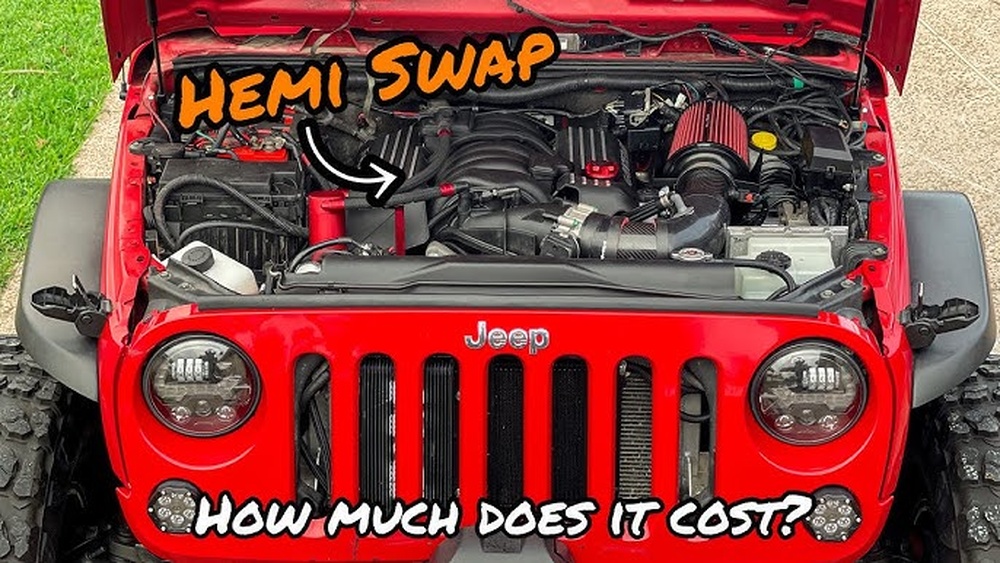
It affects many parts of your Jeep, not just the engine bay. A careful plan and a realistic budget are key for success.
What Impacts Jeep Engine Swap Cost?
Several factors affect the total price. Each one can change your budget:
- Engine Type: The cost for a new, rebuilt, or used engine can vary a lot. For example, a factory-new Jeep engine often costs twice as much as a used one from a salvage yard, but it comes with a warranty and less risk.
- Labor Costs: Professional labor is a big part of the bill. Shops with Jeep experience may charge more, but they usually work faster and avoid common mistakes.
- Parts & Accessories: You may need extra parts like mounts, sensors, or wiring. These add up fast, especially if your new engine is a different type or size.
- Model & Year: Newer Jeeps often cost more to swap engines due to complex electronics. Older models can be simpler, but sometimes parts are harder to find.
It’s not just about getting the engine into the Jeep. Compatibility with your transmission, transfer case, and onboard electronics can all raise costs.
If you want to swap in a larger or non-stock engine, you may also need new driveshafts or axles, which can easily double your expected budget.
Example Cost Breakdown
Let’s look at a typical Jeep engine swap:
| Item | Estimated Cost |
|---|---|
| Used Engine | $1,500 – $3,000 |
| New Engine | $3,500 – $7,000 |
| Labor | $1,000 – $2,500 |
| Extra Parts | $300 – $1,200 |
| Fluids & Filters | $100 – $200 |
A basic swap can cost $3,000–$5,000 with a used engine. For a new engine and extra upgrades, expect $7,000–$10,000 or more. These numbers are averages; unique swaps (like putting a V8 in a Wrangler) can easily go higher. Some shops may offer package deals, but always ask what’s included—often, items like fluids or small parts are extra.
Choosing The Right Engine
Your options depend on your goals and Jeep model. Here’s a quick comparison:
| Engine Type | Pros | Cons |
|---|---|---|
| New | Reliable, warranty, latest tech | Expensive |
| Rebuilt | Cheaper, better than used | Shorter warranty |
| Used | Lowest price | Risk of failure, no warranty |
For most drivers, a rebuilt engine offers a good balance. It’s more reliable than a used engine but far cheaper than a new one. Rebuilt engines are checked and have worn parts replaced, so you get less risk for a reasonable price. If you plan to keep your Jeep for many years, a new engine might be worth it. However, if you’re on a tight budget or just want to get back on the road, a used engine from a known source can work—just be ready for possible repairs later.
It’s also smart to consider engine upgrades that match your driving style. For example, off-roaders may want a torquey V8, while daily drivers might prefer a fuel-efficient V6.
Always check that your transmission and cooling system can handle the new engine’s power and heat.

Labor: Diy Vs Professional
Labor is a big part of the cost. If you have skills and tools, a DIY swap saves money. But mistakes can be costly. Most shops charge $90–$150 per hour. The job takes 10–20 hours depending on complexity.
Doing it yourself can save $1,000 or more, but you need space, special tools, and good mechanical knowledge. If you rush or skip steps, you might face expensive problems—like electrical issues or leaks.
Some DIYers find unexpected problems like rusted bolts, missing parts, or wiring that doesn’t match up, which can add hours or days to the project.
Common Labor Mistakes
- Forgetting to connect sensors, which can cause error codes or poor running
- Not replacing old mounts, leading to vibration or future damage
- Skipping fluids and filters, risking early wear on the new engine
- Missing wiring steps, which can leave the engine unable to start or run smoothly
If you’re not confident, let a pro handle it. Some shops offer flat rates; others charge by the hour.
Always ask for a detailed quote. It’s also wise to visit the shop in person—look for organized workspaces and staff who answer your questions clearly.
Many people budget only for the engine and labor, but forget these extra costs:
- ECU Reprogramming: Needed for new or different engines. Can cost $200–$500. Without this, your Jeep may not run or pass emissions.
- Upgraded Cooling System: High-power engines may need a better radiator ($200–$500). Overheating is common if you skip this step.
- Exhaust Modification: Sometimes needed for fit or performance ($300–$800). Custom exhaust work can be tricky on Jeeps with tight spaces.
- Registration Fees: Some states require paperwork for engine changes. Failing to update your paperwork can cause legal trouble if you sell or inspect the Jeep.
Other possible hidden costs include new driveshafts, upgraded fuel pumps, or even stronger axles if your new engine makes much more power. Make a checklist before you start to avoid surprises.
Missing these can turn a “cheap” swap into an expensive one. Budget at least 10–20% extra for unknowns, especially on older vehicles or unusual swaps.
Jeep Models: Cost Differences
Not all Jeeps are equal. Here’s a quick look:
| Model | Typical Swap Cost |
|---|---|
| Wrangler (TJ, JK, JL) | $3,500 – $8,000 |
| Cherokee (XJ) | $2,800 – $6,500 |
| Grand Cherokee | $4,000 – $10,000 |
| Older CJ Models | $2,500 – $5,500 |
Wranglers and Grand Cherokees cost more due to complex electronics and bigger engines. Newer models often have extra sensors, anti-theft systems, and computer controls that add hours of labor.
Older CJ models are simpler but can have rust or missing parts that slow down the swap.
Is An Engine Swap Worth It?
For some, a swap is the best way to keep their Jeep running or get extra power. But it’s not always the cheapest solution. Compare these options:
- Buying a used Jeep with the engine you want
- Selling your Jeep and upgrading
- Repairing your current engine
Sometimes, the swap costs almost as much as buying a different Jeep. Always check local prices and talk to mechanics before deciding.
If your Jeep has rust, frame damage, or high mileage, putting a new engine in may not be the best investment.
On the other hand, if your Jeep is in great shape or has sentimental value, a swap can make sense.
Non-obvious Insights
- Insurance Changes: After an engine swap, your insurance policy may need updates. Some companies charge more for modified vehicles. In some cases, failure to update your policy can result in denied claims.
- Resale Value: Swapped Jeeps can be harder to sell. Buyers may worry about reliability, even if the work was done well. A detailed record of the swap and a warranty can help, but expect fewer buyers.
Another insight: emissions testing is stricter in some states for swapped vehicles. You may need to prove the new engine meets all local rules.
How To Save Money
If you want to lower your costs:
- Source your own engine (check salvage yards or online). Look for engines with paperwork and a return policy.
- Buy parts in bulk (mounts, sensors, fluids). Some stores offer discounts for full kits.
- Find a shop with Jeep swap experience. They can spot problems early and work faster.
- Ask for guarantees or warranties. This gives peace of mind if problems come up after the swap.
Always get a written estimate. Compare at least two shops before starting.
Don’t be afraid to ask questions or walk away if a quote seems too low or too high. Reading reviews and asking for customer references helps you avoid costly mistakes.
Frequently Asked Questions