The 2026 Jeep Wrangler is known for its strong build, off-road power, and unique look. Many people who want to buy this SUV ask one main question: "How much does a 2026 Jeep Wrangler weigh?"
Understanding its weight is important for safety, performance, and even fuel costs. But the answer is not simple.
There are many Wrangler models, and each has its own features, engine, and weight. This article will guide you through all the main points about the weight of the 2026 Jeep Wrangler.
You’ll learn about each trim level, why weight matters, how it affects driving, and see real data to compare models. By the end, you'll know which Wrangler fits your needs and why weight plays a key role.
Why Weight Matters For The 2026 Jeep Wrangler
Many people focus on horsepower, features, or price. But vehicle weight is just as important. It affects:
- Fuel economy: Heavier vehicles use more gas.
- Handling: Weight changes how a car feels on the road.
- Towing and payload: The weight impacts what you can carry or tow.
- Off-road performance: Lighter models often do better on tough trails.
For the Jeep Wrangler, understanding weight helps you pick the right model for your needs.
2026 Jeep Wrangler Weight: Trim-by-trim Breakdown
The 2026 Wrangler comes in many trims, engines, and configurations. Here’s a detailed look at the main models and their weights.
Wrangler Sport
The Wrangler Sport is the entry-level model. It’s popular for its simple features and low price.
- 2-Door Sport: About 3,970 lbs
- 4-Door Sport: About 4,201 lbs
This model is lighter than most. It’s good for city driving and easy off-road use. The two-door version is especially nimble.
Wrangler Sport S
The Sport S adds a few comforts and safety features.
- 2-Door Sport S: About 3,975 lbs
- 4-Door Sport S: About 4,206 lbs
The extra weight comes from added tech and options.
Wrangler Willys
The Willys trim is inspired by classic Jeeps. It has special wheels and off-road parts.
- 2-Door Willys: About 3,984 lbs
- 4-Door Willys: About 4,215 lbs
These models have heavier tires and bumpers.
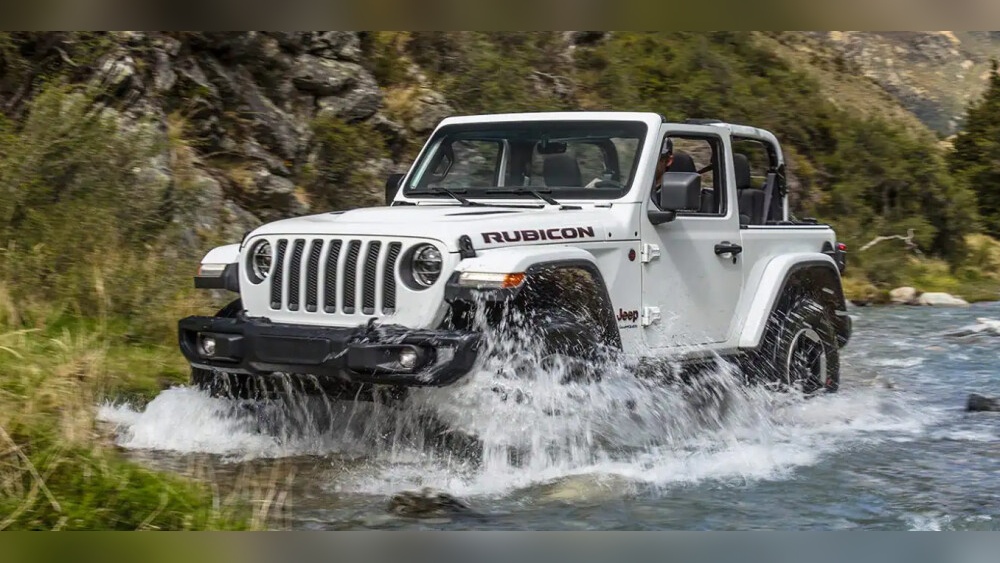
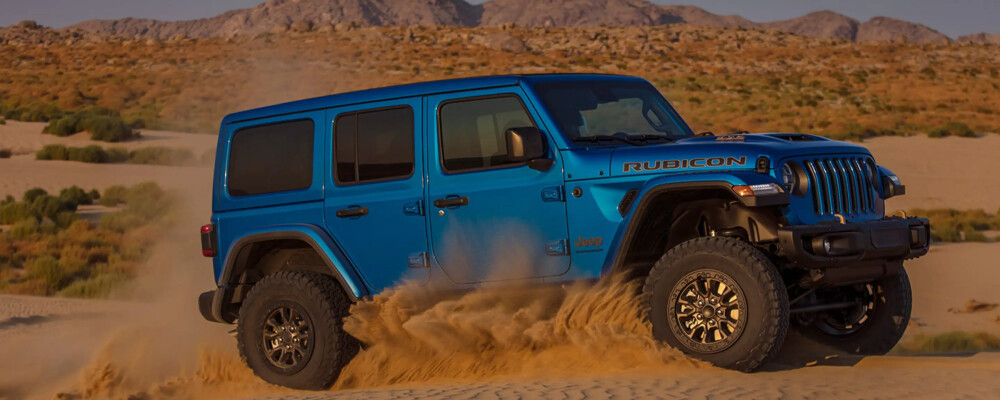
Wrangler Rubicon
The Rubicon is made for serious off-roading. It has stronger axles, locking differentials, and more.
- 2-Door Rubicon: About 4,222 lbs
- 4-Door Rubicon: About 4,449 lbs
Rubicon models are heavier because of extra equipment.
Wrangler Sahara
The Sahara is only available as a 4-door. It’s made for comfort, with luxury touches.
- Sahara 4-Door: About 4,293 lbs
It’s heavier due to larger wheels and more features.
Wrangler High Altitude
The High Altitude is a luxury trim with unique design and tech.
- 4-Door High Altitude: About 4,406 lbs
More comfort means more weight.
Wrangler 4xe (hybrid)
The Wrangler 4xe uses a plug-in hybrid engine.
- 4-Door 4xe: About 5,100 lbs
The battery and electric motor add a lot of weight.
Wrangler Rubicon 392 (v8)
This special model has a powerful V8 engine.
- 4-Door Rubicon 392: About 5,100 lbs
The V8 and extra off-road parts make it the heaviest Wrangler.
Key Weight Factors: What Adds Pounds?
You might wonder why there is so much difference between models. Here are the main reasons:
- Engine size: Bigger engines are heavier.
- Doors: 4-door models weigh more than 2-door.
- Off-road equipment: Heavy-duty axles, tires, and bumpers add weight.
- Hybrid batteries: Electric parts make the 4xe much heavier.
- Luxury features: Leather seats, big screens, and speakers add extra pounds.
Comparing Wrangler Models: Weight Data Table
Here’s a quick look at the weights for the main 2026 Wrangler models:
| Model | Doors | Approx. Weight (lbs) |
|---|---|---|
| Sport | 2 | 3,970 |
| Sport | 4 | 4,201 |
| Sport S | 2 | 3,975 |
| Sport S | 4 | 4,206 |
| Willys | 2 | 3,984 |
| Willys | 4 | 4,215 |
| Rubicon | 2 | 4,222 |
| Rubicon | 4 | 4,449 |
| Sahara | 4 | 4,293 |
| High Altitude | 4 | 4,406 |
| 4xe Hybrid | 4 | 5,100 |
| Rubicon 392 | 4 | 5,100 |

How Weight Impacts Performance
Weight changes how a Jeep Wrangler drives and feels. Here are the main effects:
- Acceleration: Heavier Wranglers may be slower, especially with small engines.
- Fuel economy: More weight means more trips to the gas station.
- Handling: Heavy models can feel less nimble, but more stable.
- Off-road ability: Too much weight can limit climbing and maneuvering.
- Towing and payload: Heavier Wranglers usually have higher towing limits.
Real-life Example
If you use a Rubicon 392 for daily driving, you’ll notice it’s powerful but less fuel-efficient. The Sport 2-door is easier to park and feels lighter on trails.
Curb Weight Vs. Gross Vehicle Weight Rating (gvwr)
It’s easy to confuse these terms:
- Curb weight: The weight of the Jeep with no passengers or cargo, but with all fluids.
- GVWR: The maximum weight your Jeep can safely carry, including passengers, cargo, and fuel.
Most Wranglers have a GVWR between 5,000 and 6,100 lbs. Always check your manual before loading gear.
Weight And Towing Capacity
The Jeep Wrangler is not just for fun—it’s also good for towing. But weight impacts how much you can tow. Here’s a comparison:
| Model | Towing Capacity (lbs) |
|---|---|
| 2-Door Models | 2,000 |
| 4-Door Models | 3,500 |
| 4xe Hybrid | 3,500 |
| Rubicon 392 | 3,500 |
Heavier models can tow more, but remember—extra weight also means more stress on the engine.
Weight And Fuel Economy: What To Expect
Fuel costs are important for most drivers. Here’s how weight affects MPG:
- Lighter models: Up to 22 MPG city, 29 MPG highway (2.0L engine)
- Heavier models: 17-20 MPG city, 23-25 MPG highway (V6 or hybrid)
The hybrid 4xe does better in city driving but has similar highway MPG to heavy gas models.
Non-obvious Insights: What Most Beginners Miss
- Doors matter more than you think: Going from a 2-door to a 4-door adds about 200-300 lbs. This changes handling and MPG.
- Hybrid weight is not always bad: The 4xe is heavy, but the electric boost helps with acceleration and smooth driving.
- Off-road gear can limit payload: Adding big tires and steel bumpers makes your Jeep heavier, so you can carry less cargo safely.
Choosing The Right Wrangler: Weight And Your Needs
Picking the best Wrangler is not just about looks or price. Think about:
- Where you drive: If you love city driving, pick a lighter model.
- Off-road use: If you want to conquer tough trails, go for Rubicon—but remember the extra weight.
- Towing and carrying: Heavier Wranglers tow more, but check your payload.
Data Table: Wrangler Weights Vs. Engine Types
Here’s how engine choice affects weight:
| Engine | Model | Approx. Weight (lbs) |
|---|---|---|
| 2.0L Turbo | Sport 4-Door | 4,201 |
| 3.6L V6 | Rubicon 4-Door | 4,449 |
| 2.0L Hybrid | 4xe | 5,100 |
| 6.4L V8 | Rubicon 392 | 5,100 |
Practical Tips For Managing Wrangler Weight
- Don’t overload: Always check the GVWR before carrying heavy gear.
- Remove extra parts: If you don’t need roof racks or steel bumpers, take them off to save weight.
- Check tire pressure: Heavy vehicles need proper tire care.
- Plan your trips: If you’re carrying lots of cargo, drive slower and allow more braking space.


















