When you own a Jeep Cherokee, regular maintenance is the key to keeping it running smoothly. One crucial task is checking and refilling the engine coolant.
Coolant helps your engine stay at the right temperature, even in extreme weather. But how much coolant does a Jeep Cherokee actually hold?
Let’s break down the numbers and what you need to know, whether you’re topping off or doing a full coolant flush.
Coolant Capacity By Jeep Cherokee Model
Not every Jeep Cherokee is the same. The amount of coolant your vehicle needs depends on the model year and engine type. Over the years, Jeep has updated the Cherokee with different engines and cooling systems, so capacities vary.
Here’s a quick look at the coolant capacity for the most common recent models:
| Model Year | Engine | Coolant Capacity (quarts) | Coolant Capacity (liters) |
|---|---|---|---|
| 2014-2023 | 2.4L Tigershark I4 | 7.5 | 7.1 |
| 2014-2023 | 3.2L Pentastar V6 | 10.7 | 10.1 |
| 1997-2001 | 4.0L I6 | 12.7 | 12.0 |
| 1997-2001 | 2.5L I4 | 9.5 | 9.0 |
Tip: Always check your owner’s manual for the exact capacity, as even small differences in the cooling system can change how much coolant you’ll need.
Why Correct Coolant Level Matters
The right amount of coolant isn’t just about following instructions. It protects your engine from overheating in summer and freezing in winter. Too little coolant can cause engine damage, while too much can lead to leaks or increased pressure.
Here’s what proper coolant levels help with:
- Engine temperature control: Prevents overheating and keeps the engine running efficiently.
- Corrosion prevention: Modern coolants have additives to stop rust and scale build-up.
- Freeze protection: Keeps coolant from freezing in cold weather, avoiding cracked engine blocks.
A low coolant level is a common cause of engine overheating in Jeep Cherokees, especially older models.
Types Of Coolant Used In Jeep Cherokees
Not all coolants are the same. Jeep has moved from traditional green coolant to newer formulas over time.
Using the wrong type can reduce efficiency and damage internal parts.
Here’s a breakdown:
| Year Range | Recommended Coolant Type | Color |
|---|---|---|
| Up to 2001 | HOAT (Hybrid Organic Acid Technology) | Green/Yellow |
| 2002-2012 | HOAT (Zerex G-05 or Mopar HOAT) | Orange/Yellow |
| 2013-Present | OAT (Organic Acid Technology, Mopar OAT) | Purple |
Important: Mixing different coolant types can cause chemical reactions that reduce performance. Always use the type listed in your owner’s manual.
How To Check And Refill Coolant
Checking and refilling coolant on a Jeep Cherokee is simple but important. Here’s how you can do it:
- Wait for the engine to cool before opening the radiator cap. Hot coolant can spray out and burn you.
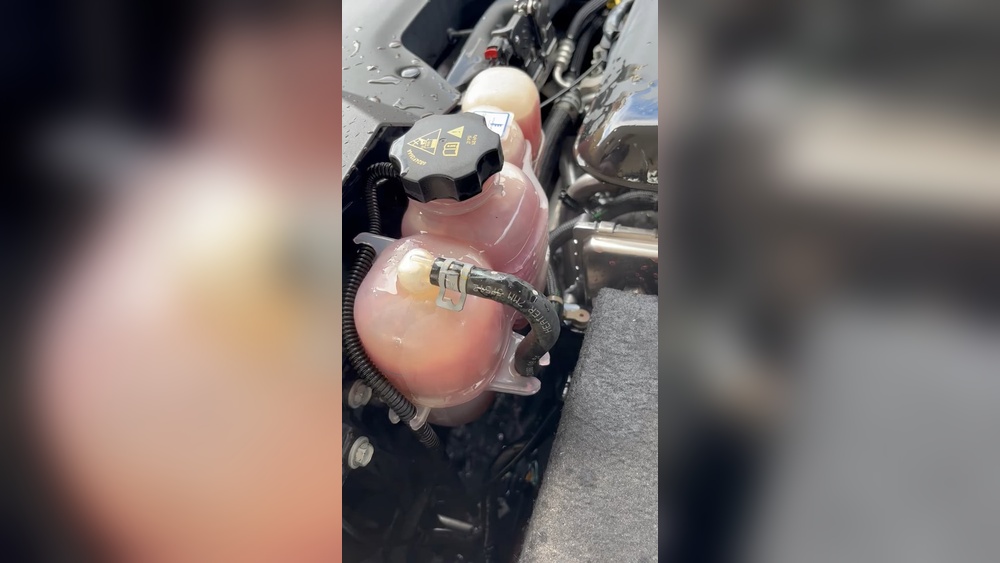
- Locate the coolant reservoir (usually a translucent plastic tank).
- Check the level. There are “MIN” and “MAX” marks. The coolant should be between them.
- If needed, add the correct type of coolant. Use a 50/50 mix of coolant and distilled water unless using pre-mixed.
- Start the engine and let it run for a few minutes. This helps remove air pockets.
- Recheck the level and top off if necessary.
Pro tip: Always use distilled water for mixing. Tap water can add minerals that cause scale build-up inside the engine.

Common Mistakes When Adding Coolant
Even experienced Jeep owners sometimes make mistakes when dealing with coolant. Here are some to watch out for:
- Using the wrong coolant type: This can damage the radiator and heater core.
- Overfilling the reservoir: Excess coolant may spill, causing a mess and possible electrical issues.
- Ignoring leaks: Small drips under your Jeep could mean a slow leak. Check hoses and clamps regularly.
- Not burping the system: Air trapped in the cooling system can cause overheating. Let the engine run with the cap off (when cool) to release air.
Most people forget to replace coolant at the right interval. For many Jeep Cherokees, this is every 100,000 miles or 5 years. Old coolant loses its protective properties over time.
Signs Your Coolant Needs Attention
Paying attention to warning signs can save your engine from serious trouble. Watch for:
- Temperature gauge in the red zone
- Coolant warning lights on the dashboard
- Heater blowing cold air even when set to hot
- Sweet smell inside or outside the car (leaking coolant)
- Visible puddles under the front of your Jeep
If you notice any of these, check your coolant level and condition right away.

Cost To Refill Or Flush Coolant
The cost to refill coolant in a Jeep Cherokee is generally low usually $15 to $40 for coolant alone. A full flush at a repair shop might cost $100 to $150, including labor.
Doing it yourself? You’ll need:
- 2–3 gallons of coolant (depending on engine)
- Distilled water
- Basic hand tools
A flush removes old coolant and debris, keeping your cooling system in top shape.
Frequently Asked Questions