When you think about a 2013 Jeep Wrangler, you probably picture a vehicle built for adventure. Rugged looks, open-air driving, and legendary off-road skills define this classic SUV.
But beyond the trails, many owners need to know: how much can a 2013 Jeep Wrangler tow? Whether you want to pull a small trailer, a boat, or something heavier, understanding real-world towing capacity is vital.
This guide covers everything you need to know, from official numbers to practical advice for safe towing.
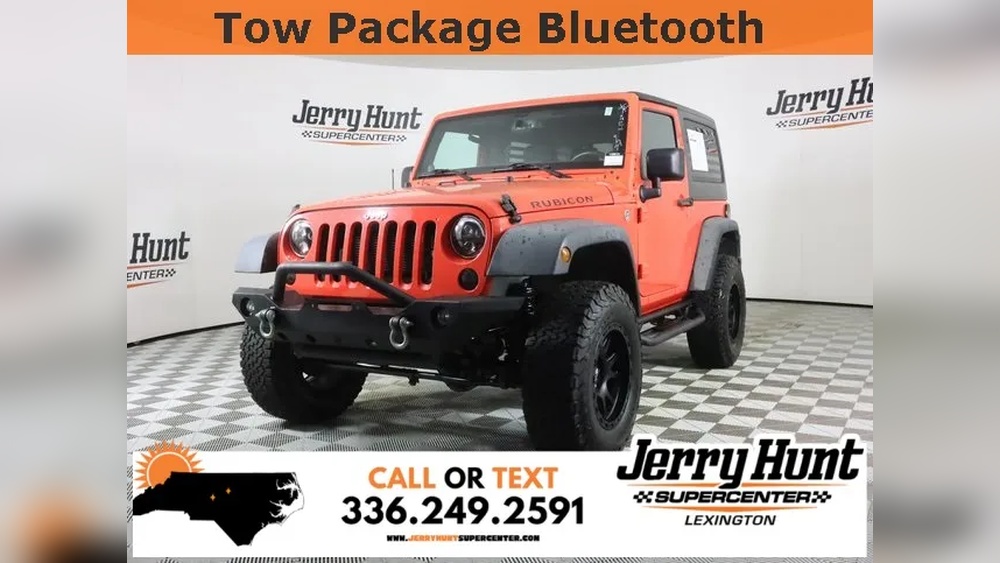
Official Towing Capacity
The 2013 Jeep Wrangler comes in different versions, and towing capacity changes based on the model and equipment. In the US, there are two main body styles:
- Wrangler 2-door
- Wrangler Unlimited 4-door
Here’s what Jeep says:
| Model | Maximum Towing Capacity (lbs) |
|---|---|
| Wrangler 2-door | 2,000 |
| Wrangler Unlimited 4-door | 3,500 |
These numbers assume your Jeep is in good condition, with the right towing package, and you’re following manufacturer rules.
What Affects Towing Capacity?
Towing isn’t just about the engine. Many factors influence how much you can pull safely:
- Engine power: All 2013 Wranglers have a 3.6L V6 engine (285 hp, 260 lb-ft torque).
- Transmission: Both manual and automatic transmissions are available. Automatic is usually better for towing.
- Axle ratio: Most come with a 3.21 or 3.73 axle. Lower ratios help with heavier loads.
- Tow package: Factory tow packages include a hitch, wiring, and sometimes extra cooling.
- Brakes and suspension: Heavier trailers need trailer brakes. The Jeep’s brakes are designed for light to medium towing.
If your Wrangler doesn’t have the factory tow package, your safe limit may be lower.

What Can You Tow With A 2013 Wrangler?
With these capacities, what does that mean for real life? Here are some common examples:
| Item | Approximate Weight (lbs) | 2-Door Compatible? | 4-Door Compatible? |
|---|---|---|---|
| Small Utility Trailer | 1,000 | Yes | Yes |
| Motorcycle Trailer | 1,500 | Yes | Yes |
| Small Boat | 2,000 | Max | Yes |
| Pop-Up Camper | 2,500 | No | Yes |
| Car Hauler | 3,000+ | No | Maybe |
As you see, the 2-door is limited to 2,000 lbs, while the 4-door gives more flexibility.
Practical Towing Tips
It’s easy to read numbers, but towing safely is more complex. Here’s what experienced Jeep owners know:
- Stay under the limit: Don’t tow the maximum all the time. Try to keep your trailer weight at least 10–15% below the max, especially for long trips.
- Balance your load: Put about 60% of the trailer’s weight in front of the axle. This reduces sway.
- Check tongue weight: The tongue (hitch) should carry about 10–15% of the total trailer weight.
- Use trailer brakes: For anything over 1,500 lbs, trailer brakes are a must. They make stopping safer.
- Drive slower: Wranglers have short wheelbases (especially 2-door), which can make towing feel unstable at high speeds.
- Upgrade cooling: If you tow often or in hot climates, consider better transmission and engine cooling.
- Keep tires in top shape: Both your Jeep’s and the trailer’s tires must be in good condition and properly inflated.

Common Mistakes To Avoid
New Jeep owners sometimes make errors when towing. Here are two mistakes people miss:
- Ignoring payload: Towing capacity is not the same as payload. Payload includes passengers, gear, and tongue weight. Overloading your Jeep’s axles can be dangerous.
- Aftermarket hitches: Adding a hitch doesn’t mean your Jeep can tow more. The limiting factor is often the frame, brakes, and cooling.
Another thing: Modifications like big tires, lifts, or heavy bumpers can reduce safe towing ability. Always check the new weight and balance after changes.
Towing Equipment For 2013 Wrangler
To tow safely, you need more than just a hitch. Here’s a basic checklist:
- Class II or III hitch receiver (depending on trailer)
- Wiring harness for trailer lights (factory or aftermarket)
- Trailer brake controller (for heavier trailers)
- Tow mirrors (if your trailer is wider than your Jeep)
- Weight distribution hitch (for trailers over 2,500 lbs)
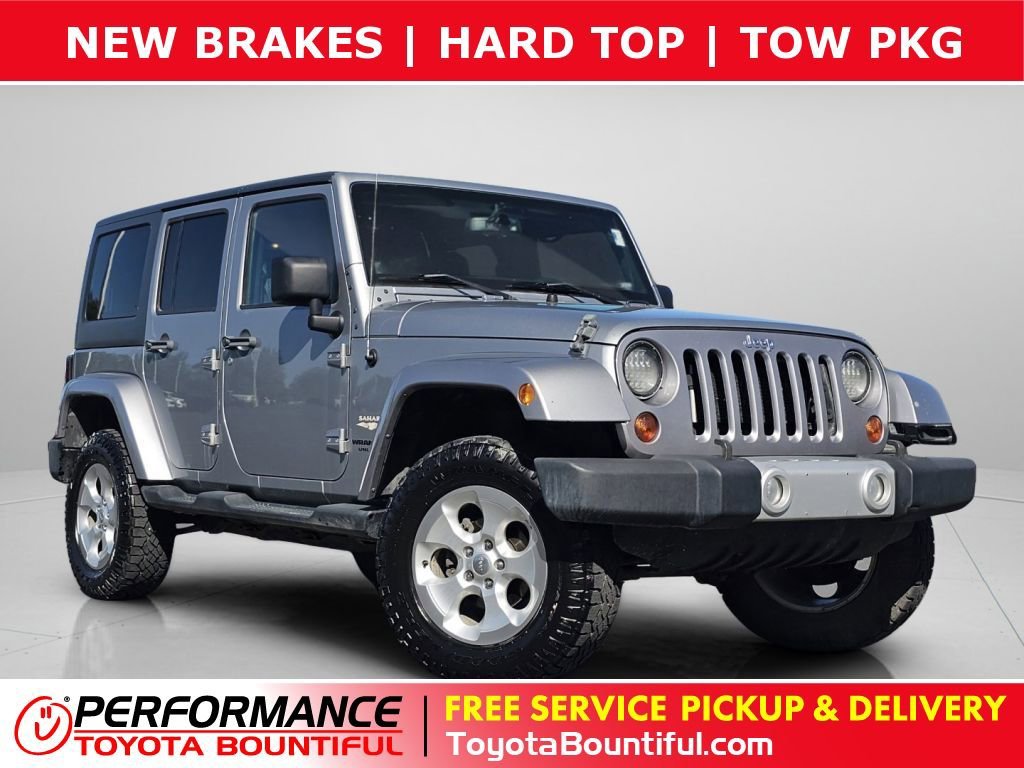
Some 4-door Unlimited models came with a towing package from the factory. If you’re not sure, check under the rear bumper for a hitch and wiring plug.
How Does The Wrangler Compare?
When you compare the 2013 Jeep Wrangler to other SUVs of the same year, its towing capacity is on the lower side. For example, a Toyota 4Runner (also mid-size, off-road capable) could tow up to 5,000 lbs in 2013. The Wrangler’s solid axles and off-road focus mean it’s not built for heavy loads like a pickup or large SUV.
For most owners, the Wrangler is best for small trailers, boats, or campers. If you need to tow more, consider a bigger SUV or a pickup.
Additional Resources
You can find official towing numbers and more details in the 2013 Jeep Wrangler Owner’s Manual or at the Jeep official site. Always use trusted sources for safety-critical information.
Frequently Asked Questions
How Do I Know If My 2013 Wrangler Has The Factory Tow Package?
Look under the rear bumper for a hitch receiver and a 4- or 7-pin wiring plug. If you see both, you likely have the tow package. The owner’s manual or a Jeep dealer can confirm.
Can I Tow A Car With My 2013 Wrangler?
Most cars weigh between 2,800 and 4,000 lbs, which is too much for the 2-door and borderline for the 4-door Unlimited. It’s not recommended unless the car is small and very light.
Will Bigger Tires Or A Lift Kit Affect Towing?
Yes, large tires or lifts can reduce your safe towing capacity. They add weight and change the way your Jeep handles, especially when loaded.
What Is The Maximum Tongue Weight For A 2013 Wrangler?
The tongue weight (downward force on the hitch) should not exceed 200 lbs for the 2-door or 350 lbs for the 4-door Unlimited. Check your owner’s manual for details.
Is An Automatic Or Manual Transmission Better For Towing?
The automatic transmission is usually better for towing because it handles extra stress more easily. Manuals can tow, but require more skill to avoid clutch wear.
A 2013 Jeep Wrangler is a fun and flexible vehicle, but towing requires planning and care. Know your limits, use the right gear, and always put safety first.
With the right setup, you’ll enjoy exploring both on and off the road.